Evening is often when a home starts to slow down. Lights get softer, voices drop, and the day feels like it should be winding to a close. Yet some dogs seem to get busier right at that moment. They pace, follow their owners from room to room, ask for attention, or struggle to settle even after a long day.
This pattern can feel confusing because the evening looks calm from the human side. The house is quieter, the workday is over, and everyone seems ready to rest. For a dog, though, that transition can bring a different kind of pressure. The change in energy, routine, and expectations can be enough to keep them alert.
When a dog has trouble becoming calm in the evening, it is usually not one single issue. More often, it is a mix of habit, sensitivity, unmet needs, and the way the day unfolded. Some dogs are naturally more watchful. Others are tired but overstimulated. A few have learned that evening is the time when they finally get access to attention, activity, or food, so they keep waiting for something to happen.
What evening restlessness often looks like
Dogs do not always show the same signs when they cannot settle. Some become physically restless, while others seem mentally “on” even if they are lying down. The behavior can be subtle at first, then more obvious if nothing changes.
Common signs in everyday life
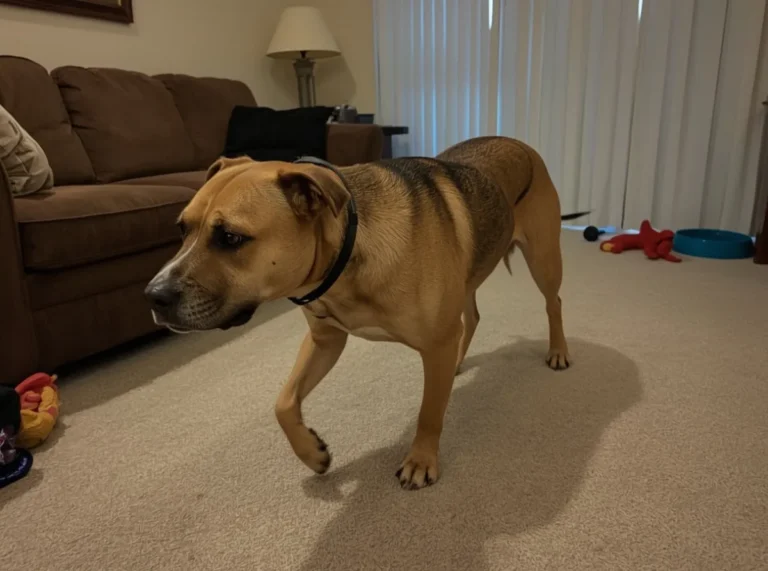
- Pacing between rooms or circling the same area
- Following a person closely from place to place
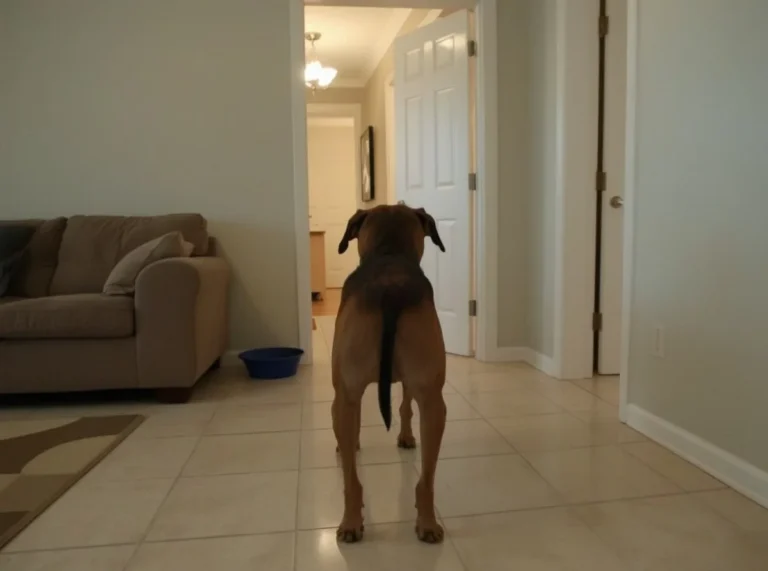
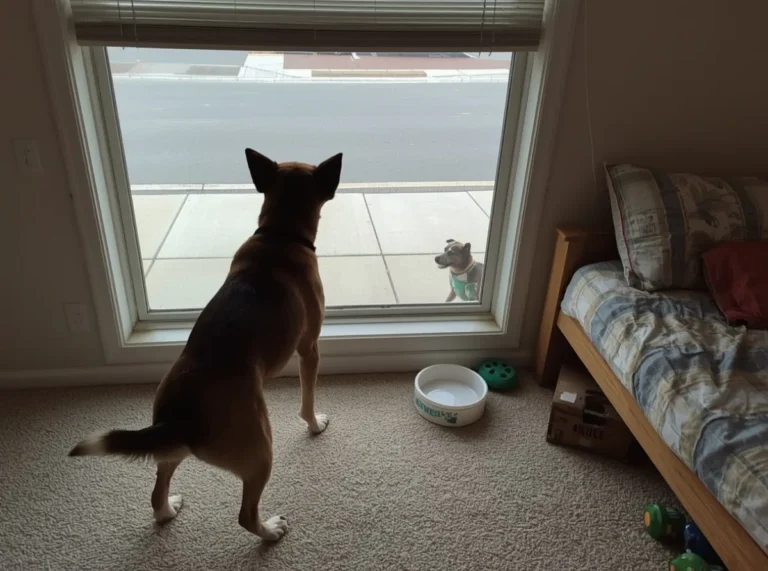
- Standing near doors, windows, or hallways
- Seeking repeated attention without fully relaxing
- Chewing, licking, or mouthing objects with extra intensity
- Getting up and down instead of staying settled
- Reacting quickly to small sounds after sunset
- Whining, sighing, or nudging for interaction
Some dogs also show a kind of half-rest. They lie down, but the body stays tight. Their head keeps lifting. Ears turn toward every sound. The eyes may track movement around the room even when nothing important is happening.
That difference matters. A dog can appear “calm” from a distance and still be unable to fully let go of the day.
Evening calmness is less about sleepiness and more about the ability to switch off. A dog that cannot switch off may be tired, overstimulated, under-stimulated, anxious, or simply stuck in a habit of staying alert.
Why some dogs have a harder time slowing down at night
There are several reasons a dog may struggle most when the household quiets down. The dog may not be trying to misbehave. In many cases, the behavior reflects how the dog processes the end of the day.
1. They are still carrying the day’s stimulation
Dogs take in a huge amount of information during the day. Walks, visitors, sounds outside, play, and even normal household movement all add up. If the dog had a stimulating day but never had a true chance to decompress, the evening can become the first time that restlessness shows up.
This is especially common when the day looked busy, but not balanced. A long walk alone does not always create calm. For some dogs, more activity means more arousal, not less. By evening, they may be physically tired but still mentally activated.
2. Their routine changes too sharply
Many dogs rely on predictable patterns. If breakfast, walks, play, feeding, and rest happen in a clear rhythm, the dog may settle more easily. When the evening routine shifts from day to day, the dog may keep waiting for the next thing.
Some households are active early and then suddenly quiet at night. Others have irregular dinner times, late play sessions, or different people coming and going. That inconsistency can make it hard for a dog to understand when the day is truly ending.
3. They are more sensitive to household energy
Dogs notice tone, movement, and even the way a room feels. A busy family might think the dog should relax because everyone is home and safe. But for a sensitive dog, evening can be the most stimulating part of the day if that is when the family starts moving around together, cooking, cleaning, talking, and switching rooms.
Some dogs are especially responsive to any change in human behavior. They may become alert when coats come off, when bags are moved, or when someone walks toward the kitchen. If the dog has learned that these cues lead to food, attention, or activity, calmness may keep getting postponed.
4. They have unmet physical needs
A dog that has not had enough exercise, potty breaks, or mental engagement may save that energy for the evening. The result is often a burst of movement exactly when the household wants quiet. This does not always mean the dog needs more intense exercise. Sometimes the issue is a lack of variety, not a lack of miles.
Sniffing, problem-solving, and simple enrichment can be just as important as physical movement. Without them, the dog may have energy left over and nowhere useful to put it.
5. They are seeking connection
Evening is when many people sit down, and some dogs use that moment to ask for closeness. If the dog feels underconnected during the day, the calm hour can become the hour of demand. The dog may nudge, paw, vocalize, or bring objects repeatedly.
That behavior is not always about excitement. Sometimes it is about relief. The dog finally notices the humans are available and does not want the interaction to end.
The role of emotion in evening calmness
Dogs do not just respond to schedules. They respond to what the day felt like. A dog that seems unable to settle in the evening may be carrying emotional tension that does not disappear just because the lights are dimmer.
Frustration can look like restlessness
A dog that expects something and does not get it may become restless. This can happen if the dog has a strong pattern around dinner, walks, or attention. If that expected event is delayed, the dog may pace or hover, trying to make the next part of the routine happen faster.
Frustration often looks like repeated checking behavior. The dog keeps returning to the same person, room, or doorway because it still wants the missing event.
Anxiety can become more visible in the quiet
Some dogs hold themselves together during the active parts of the day. The evening quiet can make their internal state easier to notice. Little sounds stand out more. Shadows, reflections, or outside noise may suddenly matter more than they did an hour before.
In these dogs, the problem is not simply “extra energy.” The dog may be uneasy when the environment changes from active to still. Quiet does not automatically feel restful to every dog.
Anticipation can keep the mind working
If a dog has learned that evening brings special events, it may stay alert because it expects something. That expectation can be pleasant or stressful. A dog waiting for a final potty break, a bedtime treat, or a late walk may seem unable to unwind until the routine is complete.
Anticipation is one of the easiest things to miss because it can look like enthusiasm. But a dog that cannot relax while waiting is still not calm.
Watch the whole picture, not just the movement. A dog’s body posture, breathing, head position, and response to small sounds often reveal more than pacing alone.
Subtle signals that often show up with evening restlessness
Some dogs are noisy about their discomfort. Others are quiet and tense. The difference can matter when trying to understand whether a dog is simply energetic or actually struggling to relax.
Body language clues
- Stiff rather than loose posture
- Repeated shifting from one position to another
- Tail held higher or more rigid than usual
- Frequent scanning of the room
- Quick head turns toward sounds outside
- Overly intense eye contact with a person
- Yawning, lip licking, or shaking off without a clear reason
These signals can appear on their own or in combination. A dog might still accept petting, but the body feels slightly braced. Another dog may lie down next to the couch but keep one ear tuned to every movement. The dog is present, but not fully released.
Changes in interaction
Some dogs get more demanding in the evening. Others get clingier. A few become irritable if they are asked to settle before they are ready. They may move away, then return, then move again. The pattern is not always easy to read, which is why the context matters.
If the dog settles only after a certain activity, such as a walk, a chew, or a short training game, that can point to a need that was not yet met. If the dog never seems to reach a relaxed state, the issue may be deeper than simple leftover energy.
How the household environment shapes evening behavior
The dog’s own state is only part of the story. The home itself plays a large role in whether the evening feels soothing or activating. Small details in the environment can either support calmness or keep the dog on alert.
Noise patterns matter
Evening noise is different from daytime noise. Appliances run, dishes clink, phones buzz, traffic sounds change, and neighbors may be more active. A dog that seemed fine earlier may become reactive once the outside world grows louder or more irregular.
For dogs with sound sensitivity, the evening can feel full of surprises. They may be waiting for the next bark, delivery truck, or hallway sound. That waiting keeps the body from relaxing fully.
Lighting and visibility can affect vigilance
As daylight fades, some dogs become more watchful. They may respond to movement near windows, reflections on walls, or familiar household shadows. The change in visibility can increase alertness, especially in dogs that already like to monitor their surroundings.
Even if the room feels peaceful to a person, the dog may be reading the environment very differently.
Activity around food and family routines can add pressure
Many dogs begin to rev up around dinner time because they know food is coming. Others get restless when one family member gets home while another is preparing to leave again. The dog may be trying to keep track of all those movements.
In homes where evening is the time for chores, calls, homework, and cleanup, the dog may never find a true pause. It is hard to become calm in a space that keeps changing shape.
How daily patterns build the evening problem
Evening calmness is often shaped earlier in the day. A dog does not become restless at 8 p.m. for no reason. The pattern is usually built piece by piece.
Late-day naps can shift the rhythm
Some dogs sleep through a quiet afternoon and then wake up with energy right when the household wants peace. This happens often in puppies and adolescents, but adult dogs do it too. A long nap late in the day can make bedtime feel too far away.
That is not a problem by itself. It becomes one when the dog’s awake time is filled with expectation but not enough calming practice.
Overexciting evening routines can create a loop
If every evening ends with a burst of play, a highly stimulating walk, or a lot of attention, the dog may learn that this is the peak energy time. Then the family asks for calm. The message is mixed.
Dogs are good at noticing what happens next. If the same pattern repeats often enough, the body starts preparing for excitement long before anyone intends it.
Inconsistent boundaries can keep the dog guessing
Sometimes a dog is invited onto the couch one night and moved off the next. Sometimes attention is available for hours, then suddenly unavailable. That inconsistency can make some dogs more clingy or more persistent in the evening because they do not know when to stop asking.
Clear routines do not have to be rigid, but they do need to be readable. Dogs tend to calm down more easily when they can predict the shape of the night.
When evening restlessness may signal a deeper issue
Not every restless evening points to a major problem, but some patterns deserve closer attention. A dog that occasionally paces after a lively day is different from a dog that cannot relax most nights.
Patterns worth noticing
- Restlessness appears almost every evening
- The dog cannot settle even after normal exercise and potty breaks
- Small sounds cause strong reactions
- The dog seems tense, not playful
- Evening behavior is getting stronger over time
- Sleep is short, broken, or hard to reach
If the behavior is persistent, it may reflect chronic stress, discomfort, or a routine that does not fit the dog’s needs. Pain can also show up as inability to rest. Dogs that are uncomfortable often move around because stillness feels worse than motion.
That is why the full picture matters. A dog that seems “busy” may actually be coping with something physical or emotional that has not been recognized yet.
If a dog suddenly becomes less able to settle, or if the evening restlessness comes with other changes in appetite, bathroom habits, posture, or sleep, the pattern is worth taking seriously.
What calmness may look like when it finally arrives
Some dogs need a very specific kind of evening to unwind. They may not respond to more stimulation. They may respond better to structure, predictability, and lower pressure.
Signs that a dog is settling well
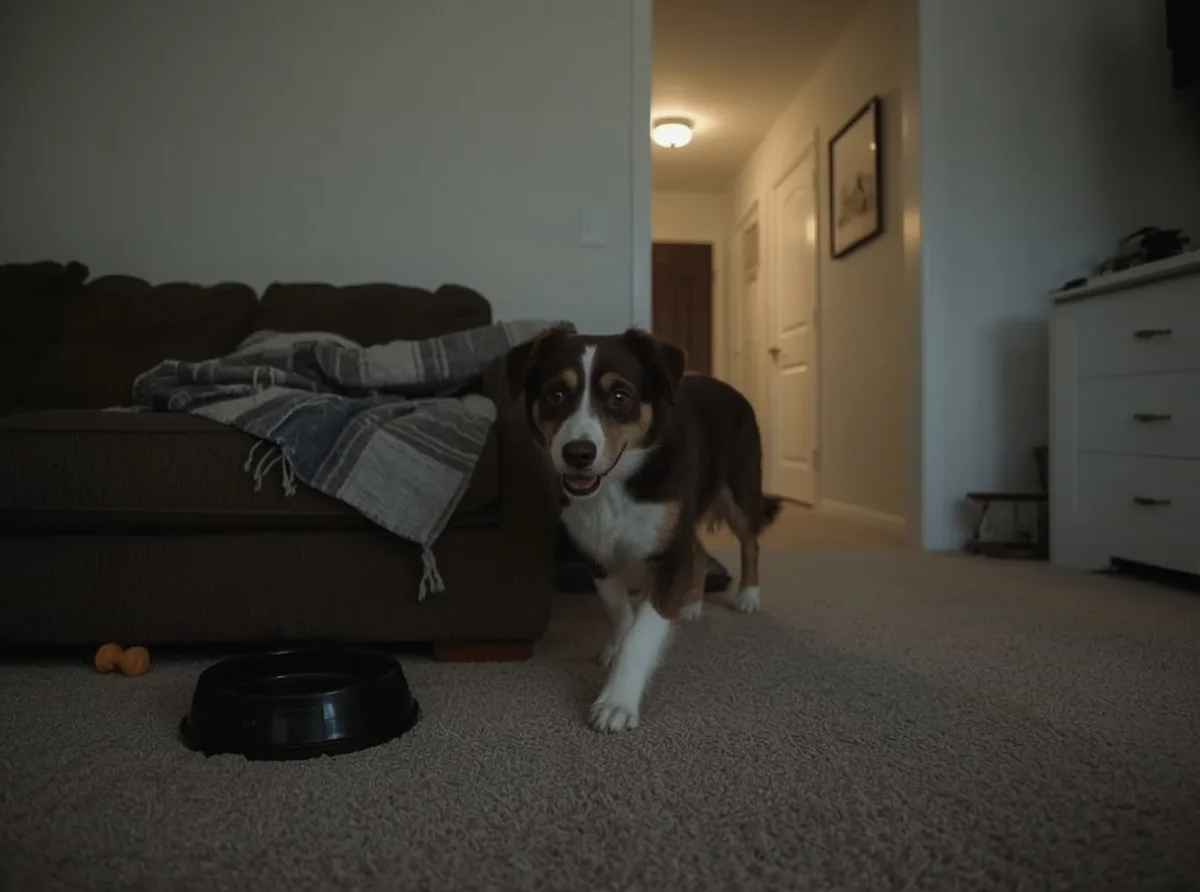
- Choosing one spot and staying there
- Moving less often between rooms
- Relaxed breathing and loose muscles
- Reduced scanning of the environment
- Taking a chew or resting without checking in constantly
- Letting the room stay quiet without trying to restart activity
For some dogs, calmness starts with the body before the mind follows. They lie down, stretch out, adjust once or twice, then finally stop monitoring everything. The change can be subtle, but it is meaningful. The dog is no longer looking for the next event.
That shift often happens when the day has enough rhythm, the evening is not overloaded, and the environment supports rest instead of stimulation.
Natural traits that can make evening calmness harder
Certain dog traits can make evening rest harder, even in a home that seems otherwise peaceful. These traits are not flaws. They are part of how some dogs are built.
High alertness
Some dogs were bred or simply developed to notice everything around them. They are quick to respond, quick to monitor, and not especially quick to switch off. In the evening, that alertness can feel bigger because there is less activity to blend into.
Strong attachment to people
Dogs that are deeply people-focused often struggle when the household changes pace. If their person sits down, leaves the room, or becomes unavailable, the dog may keep checking in. The relationship is not the problem. The difficulty is the dog’s inability to relax when connection is not immediate.
General sensitivity
Sensitive dogs notice changes that others ignore. A faint sound, a new smell, a shift in body language, or a small routine change can be enough to keep them from relaxing. These dogs often do best when the evening feels steady and unsurprising.
Social curiosity
Some dogs remain engaged because they do not want to miss out. If the family is active, they want in. If the family is quiet, they still want to know what is happening. Their struggle is not always about stress. Sometimes it is about being too interested in the world to disengage easily.
Why the same evening can feel different from one dog to another
Two dogs can live in the same house and have completely different evening behavior. One settles under the table and sleeps. Another circles the couch, checks the windows, and waits for activity. That difference comes from temperament, experience, and how each dog learned to manage transitions.
A dog with a history of consistent routines may have an easier time. A dog with a more chaotic past may stay watchful longer. A puppy still learning the rhythm of home life may be restless simply because the day’s boundaries are not yet clear.
And sometimes the dog is physically capable of settling, but the habit of staying alert has become so normal that rest now takes effort. In those cases, evening calmness is not just a state. It is a learned skill that develops through repetition.
What the behavior usually means in practical terms
When a dog struggles with evening calmness, the behavior is usually telling you that the dog has not fully shifted out of alert mode. That alertness may come from excitement, uncertainty, frustration, or a simple mismatch between the dog’s needs and the evening routine.
It does not automatically mean the dog needs more exercise. It also does not automatically mean the dog is anxious. The pattern becomes clearer when you look at the timing, the body language, and what happens right before the restlessness starts.
If the dog becomes calmer after a predictable sequence, such as a potty break, a short sniff walk, a chew, and quiet time in one consistent place, that points toward a routine issue. If the dog remains tense despite those things, the reason may be more emotional or physical.
Evening calmness tends to improve when the day gives the dog enough structure to stop guessing. The dogs that struggle most are often the ones who spend too much of the evening waiting for the next cue, the next sound, or the next opportunity to act.