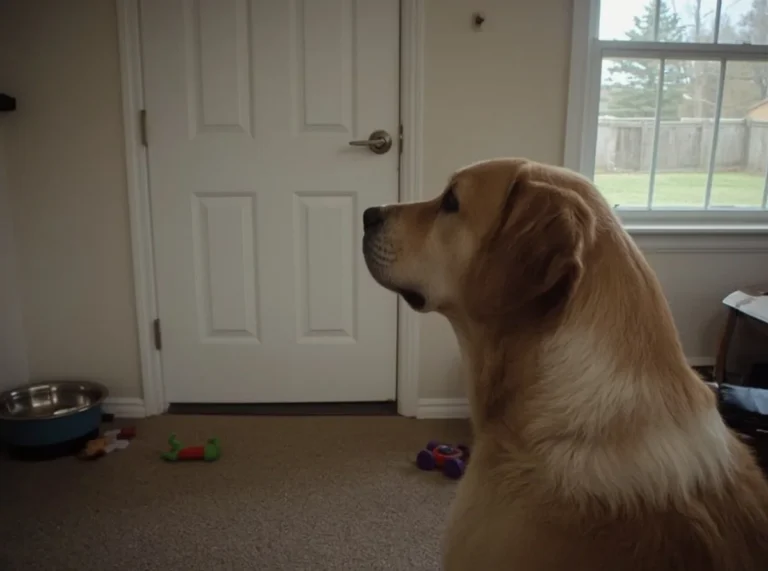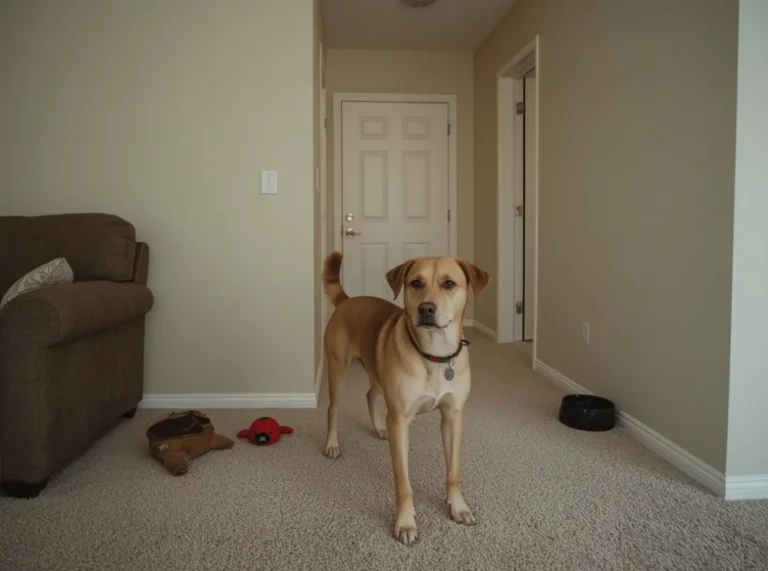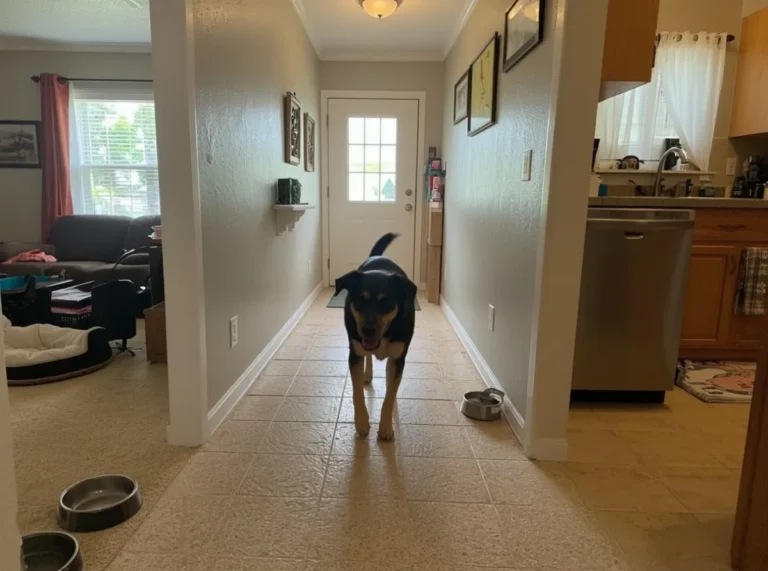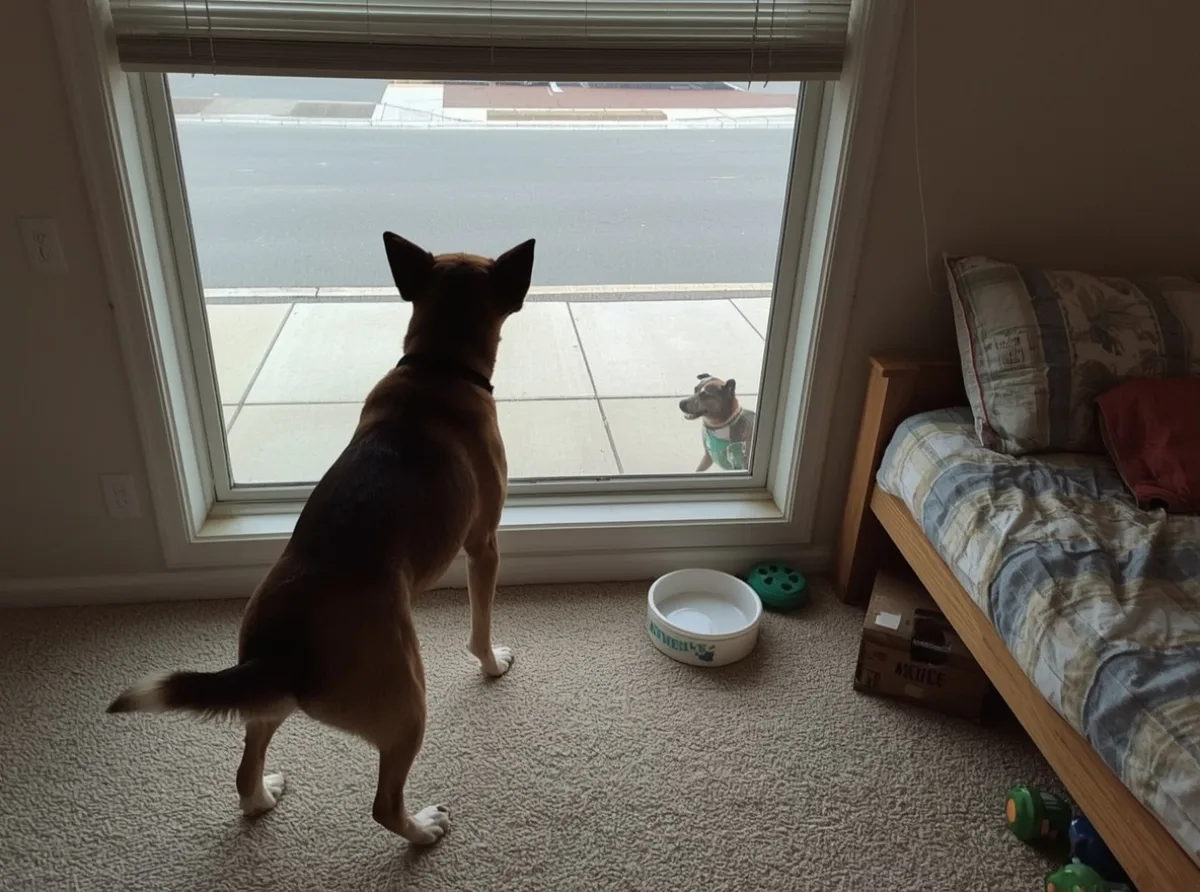
Some dogs seem to live with one paw in the present and one paw somewhere ahead of it. Their eyes move before their bodies do. Their ears catch the smallest sound. Even during quiet moments, they look ready for the next thing.
That kind of chronic alertness is more than simple curiosity. It can show up as a dog that rarely settles, scans the room often, reacts quickly to movement, or struggles to relax even when nothing seems to be happening. Some dogs carry this state lightly. Others seem wound tight all day.
What makes it easy to miss is that alertness is not always a problem by itself. Dogs are observant animals. They notice patterns, sounds, shifts in tone, and changes in the household. The difference lies in how constant the state becomes, how tense the body looks, and whether the dog can drop out of it when the moment passes.
What Chronic Alertness Looks Like in Everyday Life
Chronic alertness often appears in small, repeated moments. A dog may lift its head every time a floorboard creaks, stare toward the window at passing movement, or come fully awake at the faintest household noise. Rest never seems deep. Even lying down, the dog keeps one eye open, both literally and in spirit.
Some dogs pace from room to room without settling. Others stay in one place but remain rigid, with a body that looks ready to spring up. You may see quick head turns, fixed watching, frequent checking of doorways, or a habit of tracking people around the house. These dogs are not always barking or lunging. Sometimes they are simply always on.
In daily life, that can look like difficulty napping, restless repositioning, reacting to every outdoor sound, or startling easily when touched from behind. A dog may follow its owner from room to room and still appear uneasy when the owner is nearby. The behavior can be subtle enough that it gets mistaken for attentiveness or devotion.
Common signs in the home
- Frequent scanning of the room or yard
- Interrupted or light sleep
- Quick startle responses
- Restless pacing or repeated changes in position
- Stiff body posture during quiet moments
- Constant tracking of movement, sounds, or people
Chronic alertness is often easier to see in contrast. A relaxed dog may notice a sound and then go back to resting. An alert dog notices the sound and keeps monitoring, as if waiting for the next cue. The response lingers longer than the moment requires.
When alertness does not ease after the trigger is gone, it often reflects a nervous system that is staying switched on rather than a dog simply being aware.
Why Dogs Commonly Stay on Guard
There are several reasons a dog may live in this state. Some are tied to temperament. Some are learned. Some come from the environment itself. A dog with a naturally sensitive nature may react more strongly to noise, movement, or social tension. Another dog may become alert because it has learned that activity in the home often predicts something important.
Dogs also read patterns very well. If breakfast, a walk, or visitors usually happen after a certain sound or routine, the dog may begin waiting for the next event all the time. That expectation can grow into a habit of watching and listening constantly. Over time, the dog is no longer just noticing life. It is anticipating it.
Stress can sharpen this state as well. Changes in the household, conflict between people, inconsistent routines, limited rest, or a lack of safe downtime can keep a dog in a watchful mode. Some dogs do not know when they are allowed to fully relax. They keep checking because their world has not felt predictable enough.
Possible internal reasons behind chronic alertness
- High sensitivity to sound, motion, or social cues
- Previous experiences that taught vigilance
- Unclear routines that keep the dog anticipating change
- Environmental stress from noise, traffic, or frequent interruption
- A nervous system that settles slowly after stimulation
Breed tendencies can influence this too, though they do not tell the whole story. Some dogs were bred to notice everything around them, to guard, herd, or react quickly. That background can make alertness more likely, but it still matters how the dog lives now. A calm environment can support a watchful dog. A chaotic one can intensify the habit.
How It Shows Up in Body Language
Alertness is not only about what the dog does. It is also about how the dog carries itself. The body often speaks before the behavior becomes obvious. A dog may stand slightly forward on the toes, hold the neck high, and keep the ears pointed toward the sound source. The mouth may stay closed more than usual. The tail may remain raised, still, or tight.
In more subtle cases, the dog may look perfectly still but feel hard to the eye. The muscles do not soften. The gaze stays fixed. The dog may breathe shallowly or barely shift weight from one paw to another. A dog in this state is not necessarily panicking, but it is not truly at rest either.
Owners often notice these signals only after they have become a pattern. One evening of watching the window is easy to ignore. A month of constant checking becomes part of the dog’s identity in the home. That is why body language matters. It shows whether attention is brief or whether the dog is carrying tension through the whole day.
Body signs that can accompany it
- Forward, focused posture
- Raised or stiff tail carriage
- Tight facial muscles
- Frequent ear movement toward sounds
- Minimal blinking or hard staring
- Slow, careful movements when changing position
A dog can look quiet and still while remaining deeply alert. Stillness is not always the same thing as relaxation.
Emotional States Behind the Behavior
Chronic alertness can come from different emotional places. In one dog, it may reflect nervousness. In another, it may reflect expectation. In another, it may be tied to insecurity about the environment. The outside behavior may look similar, but the internal reason can differ.
A dog that seems anxious may stay alert because the world feels unpredictable. Every sound matters because anything could happen. That dog often has trouble choosing rest over vigilance. Another dog may be more frustrated than fearful. It wants to respond, chase, greet, protect, or investigate, and the inability to act may keep it keyed up. There are also dogs that become hyper-aware because they feel responsible for the household rhythm and are always checking for the next event.
One reason this behavior is easy to misread is that alertness and confidence can overlap. A dog can stand tall, look intense, and still be uneasy. It may appear brave when it is actually tense. On the other hand, a truly comfortable dog can be observant without appearing rigid. The key difference is often whether the dog can disengage.
If a dog notices a passing noise and then returns to a chew, a nap, or normal interaction, that is ordinary awareness. If the dog continues to monitor, even after the moment has passed, the emotional load is heavier. The state is less about interest and more about persistence.
How Environment Shapes Chronic Alertness
Environment matters a great deal. A quiet, predictable home gives many dogs permission to settle. A busy home can do the opposite, especially if there are frequent doorbells, loud conversations, children rushing around, or sudden interruptions to rest. Even dogs who love activity may struggle to truly decompress when stimulation never ends.
Daily routine plays a large role. Dogs often relax more when meals, walks, sleep, and social time happen in a steady pattern. Predictability lowers the need to keep checking what comes next. When routines shift often, the dog may stay mentally on call. That can create a constant state of expectation.
Physical surroundings matter too. A dog with a clear view of the street may spend hours watching movement outside. A dog exposed to neighborhood barking, construction noise, or frequent foot traffic may remain on edge. Even a house that is emotionally calm can be physically busy enough to keep a sensitive dog from settling.
Environmental factors that can intensify alertness
- Frequent outside noises
- Busy indoor traffic
- Inconsistent schedules
- Lack of a predictable rest area
- Too many interruptions during naps
- Constant access to windows or front doors
Some dogs benefit from being given fewer things to monitor. That does not mean cutting them off from the world. It means helping them have windows of quiet, a place where nothing is expected of them, and a routine that does not keep them guessing. For a watchful dog, rest often needs to be protected before it can happen naturally.
Different Forms of Alertness: Calm, Reactive, and Defensive
Not all alert dogs look the same. Some are calm but observant. They watch the environment without becoming tense. Their attention shifts easily, and they can return to rest. This version of alertness is part of normal canine awareness.
Reactive alertness is more active. The dog may whine, bark, rush to the window, jump up suddenly, or move quickly toward whatever caught its attention. The body may be tense, but the behavior moves fast. These dogs are often not just watching. They are preparing to respond.
Defensive alertness tends to look more guarded. The dog may freeze, stare, hold still, or keep distance while keeping close watch. It may seem unsure whether to retreat or defend. This can happen in unfamiliar settings, around new people, or when the dog feels cornered. The signals are often quieter, but the tension can be strong.
How these forms can differ in daily life
| Form | What it may look like | Typical feel |
|---|---|---|
| Calm alertness | Brief watching, easy return to rest | Observant, stable |
| Reactive alertness | Sudden barking, rushing, repeated checking | Energetic, easily triggered |
| Defensive alertness | Stillness, fixed stare, guarded posture | Tense, uncertain, protective |
The same dog may move between these forms depending on the situation. A dog that is calm in the kitchen may become reactive at the fence line and defensive in a vet waiting room. That shift tells you the alertness is not just a personality trait. It is context-sensitive.
How Owners Often Misread the Behavior
Many people assume an alert dog is simply being protective or smart. Sometimes that is partly true. But the behavior can carry more tension than it first appears to. A dog that watches every sound may not feel proud or confident. It may feel unable to let go.
Another common misunderstanding is assuming a dog is being stubborn when it cannot settle. In reality, some dogs are not choosing rest and refusing it. They may not be able to relax enough for their body to switch gears. The difference matters, because the response to stubbornness and the response to sustained tension are not the same.
Owners may also mistake alertness for engagement. A dog that always seems tuned in can appear interested in everything around it. Yet constant engagement can hide fatigue. A dog that never truly turns off may be working too hard all day. Watching is effort, even when it looks quiet.
Attention and relaxation are not opposites for dogs. Some dogs can look attentive while still being calm. Chronic alertness is different because the attention never fully drops.
How Routine and Stimulation Change the Pattern
Daily rhythm can soften or sharpen this behavior. A dog that gets meaningful exercise, predictable rest, and calm interaction often finds it easier to leave the alert state. That does not mean the dog becomes indifferent. It means the dog has fewer reasons to keep scanning for the next event.
Stimulation also needs balance. Too little can leave a dog underused and restless. Too much can keep the dog overactivated. Many alert dogs do best with structured activity, then quiet time, then more quiet. The point is not to fill every hour. It is to create a rhythm the dog can learn.
Rest matters as much as activity. A dog that is always being spoken to, handled, watched, redirected, or entertained may never get the chance to fully settle. For some dogs, peace does not arrive on its own. It has to be built into the day.
Patterns that often make the behavior more noticeable
- Excitement before every walk or meal
- Frequent door activity
- Long periods of watching outside
- Inconsistent handling from different family members
- Too much unpredictable noise or movement
- Little time spent doing nothing at all
Consistent routines can reveal a lot. When the day becomes more predictable, some dogs start to show whether alertness is their default or a response to the environment. A dog that remains hypervigilant even in calm, familiar conditions may need a closer look at stress, discomfort, or underlying sensitivity.
When Chronic Alertness Becomes More Noticeable
There are moments when the behavior stands out sharply. Visitors often trigger it. So do deliveries, neighborhood dogs, thunderstorms, evening shadows, or changes in the home schedule. Some dogs become especially alert at night, when the house is quieter and every sound seems larger.
Transitions can bring it out as well. Moving homes, adding another pet, having guests stay over, or changing work hours can all leave a dog searching for patterns again. Even a dog that had been settling well may start scanning more often when the environment shifts.
Sometimes the behavior becomes more noticeable after a period of restraint. A dog that has been asked to wait, stay, or remain quiet for long stretches may build tension over time. The alertness is then not random. It is connected to the dog’s daily experience of holding back without enough release.
Long-Term Meaning and Behavioral Consistency
A dog that is chronically alert one week and relaxed the next may simply have had a busy stretch. A dog that stays watchful across weeks or months may be showing a deeper pattern. Long-term consistency matters because it points to habit, temperament, or ongoing stress rather than a single event.
It is useful to notice how the dog behaves across different settings. Is the dog more relaxed on walks than at home? More tense in the evening than in the morning? Does the alertness soften around certain people but intensify around others? These patterns can reveal what the dog is responding to.
One dog may always be observant but still sleep well, eat well, and recover quickly after stimulation. Another may seem locked in a state of readiness with little true downtime. The second pattern deserves more attention because the nervous system appears to be working too hard for too long.
Chronic alertness is not best understood as a single trait. It is a repeated state. The most useful question is not whether the dog notices the world. It is whether the dog can stop monitoring it.
A Quiet Ending Note on the Pattern
Dogs read their surroundings with remarkable precision, and some of them keep doing it long after the moment has passed. When alertness stays active day after day, it becomes part of the dog’s emotional landscape. The eyes keep checking, the body keeps bracing, and rest never quite becomes complete.
That pattern shows up differently from one dog to another. In one home it looks like window watching. In another, it looks like pacing at every sound. In another, it is a stiff, silent watchfulness that never fully lets go. What connects these versions is the same thing: the dog has not learned, or has not been able, to stand down.
When you notice that kind of ongoing vigilance, the details matter. Where it appears, when it worsens, and how quickly the dog can recover after a trigger all help explain what kind of alertness you are seeing. The behavior tells a story in pieces, and the body usually tells it first.