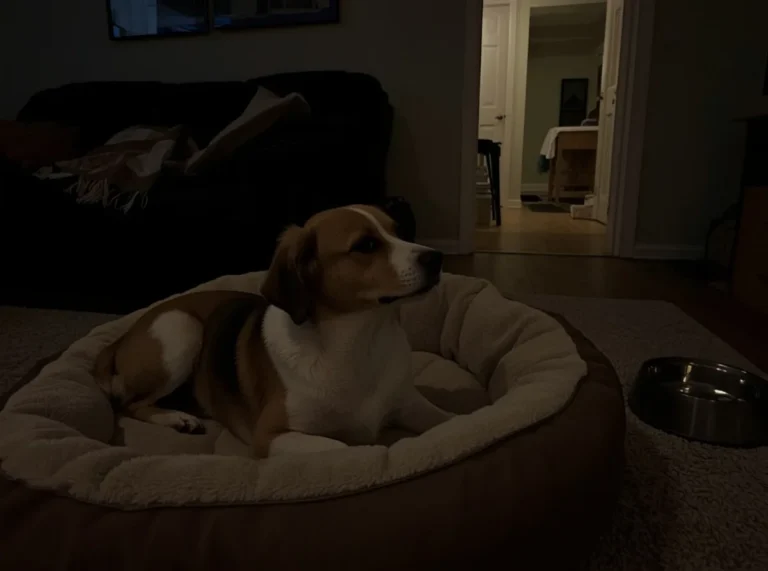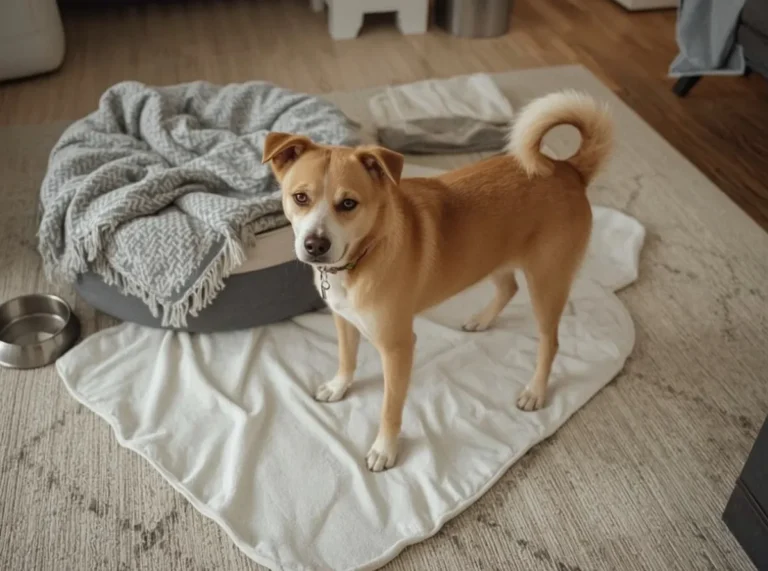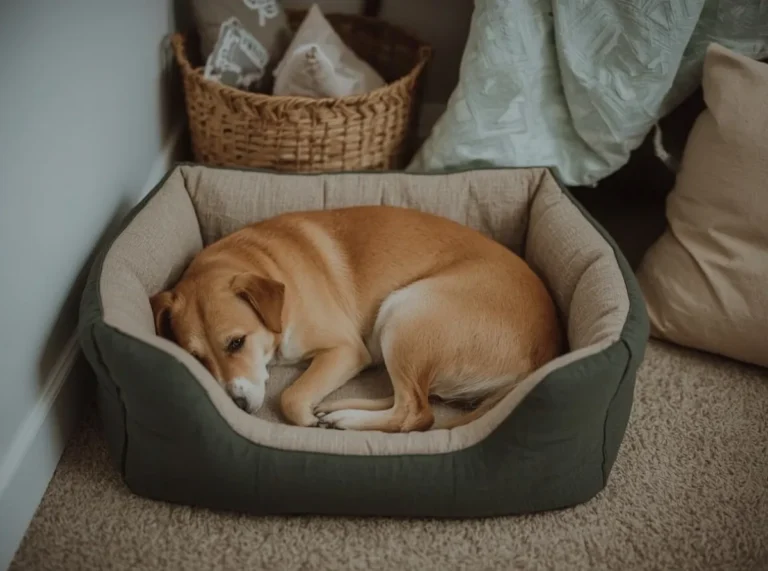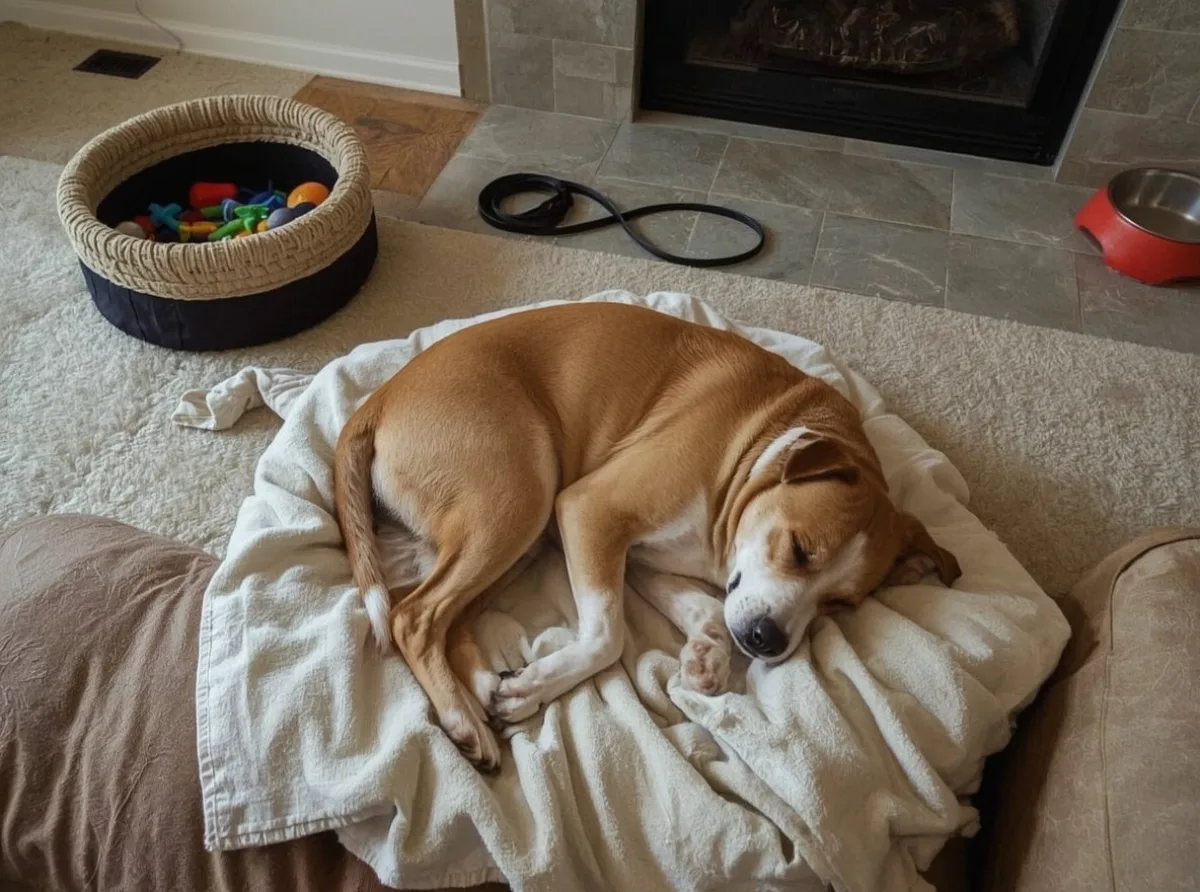
Some dogs seem to sleep more deeply after a busy day of barking at the mail carrier, playing tug, visiting the park, or meeting new people. The pattern is easy to notice once it starts showing up: a dog that was alert, animated, and full of energy suddenly settles into longer naps, heavier breathing slows down, and the whole body looks looser once the excitement is over.
This reaction is not random. Emotional stimulation can leave a dog pleasantly tired, mentally full, and ready to shut down in a way that feels more complete than ordinary rest. A dog does not need to run for hours to become sleepy. In many cases, social excitement, problem-solving, novelty, and even a little stress followed by relief can have a stronger effect on sleep than physical exercise alone.
That is why some dogs sleep better after emotionally engaging experiences. Their brains and bodies are processing more than movement. They are handling arousal, curiosity, anticipation, and social input. When those internal systems settle, sleep often comes more easily and may last longer.
What Emotional Stimulation Looks Like in Everyday Dog Life
Emotional stimulation is broader than many owners first assume. It can include a walk through a busy neighborhood, a game that requires attention, a visit from a favorite person, a new dog at daycare, or even a routine that feels exciting because it breaks the usual pattern. The dog may not be running hard, but the mind is working.
In daily life, this can show up in small ways. A dog may spend an afternoon following sounds at the window, greeting guests, searching for treats, or waiting near the door for an expected outing. Later, that same dog might curl up in a deeper sleep than usual. The body looks tired, but the mental load is often the bigger reason.
- Meeting unfamiliar dogs or people
- Playing interactive games like fetch or hide-and-seek
- Going somewhere new with lots of smells and movement
- Practicing a new behavior or learning routine changes
- Experiencing strong excitement, even if brief
These moments can be fun, mildly stressful, or both. Dogs often respond to that mix by becoming more ready for recovery sleep afterward. Rest becomes part of how they reset.
Why the Mind Can Be More Tiring Than the Body
Physical exercise is only one piece of a dog’s energy use. Emotional stimulation can be draining because it requires attention, decision-making, and continuous monitoring of the environment. A dog walking across a quiet field may come home less tired than a dog who spent the same amount of time in a crowded park with strange dogs, new sounds, and repeated changes in direction.
That difference makes sense when you think about what the dog is processing. There are smells to sort through, movement to track, social cues to interpret, and expectations to manage. For a social animal, this kind of mental work can be exhausting in a healthy way.
Some dogs also hold themselves in a heightened state during emotional experiences. Their ears stay up, muscles stay ready, and eyes keep scanning. Even positive excitement raises arousal. Once the event ends, the body often shifts quickly toward rest. Sleep after that kind of stimulation can look heavier because the dog is coming down from a state of alertness.
For many dogs, emotional effort creates a deeper need for recovery than a simple physical workout does.
What the Sleep Often Looks Like
The sleep that follows emotional stimulation may have a different quality than ordinary daytime naps. A dog may fall asleep faster, choose a quieter spot, or sleep in a more stretched-out posture. Some dogs breathe more slowly and hardly react to small household noises. Others move into REM sleep sooner, twitching, pawing, or making soft sounds.
Owners sometimes describe the rest as “crash sleep.” The dog does not appear restless or uncomfortable; instead, the switch from active to asleep happens more completely than expected. That can be especially noticeable after a day with visitors, a puppy play session, or a stimulating outing.
Common signs that the dog is settling deeply
- Loose body posture
- Slow or regular breathing
- Less reaction to background noise
- Choosing a protected or familiar sleeping spot
- Longer nap stretches than usual
Not every dog shows sleep in the same way. Some remain light sleepers, especially if they are naturally watchful. Others practically melt into the floor after a rich emotional day. Both patterns can be normal.
The Role of Anticipation and Release
One reason dogs sleep better after emotional stimulation is the cycle of anticipation followed by release. Dogs are very sensitive to what might happen next. The arrival of a leash, the opening of a treat pouch, the sound of a car door, or the sight of another dog can build excitement long before the event itself begins.
That anticipation can keep the nervous system active for a long time. A dog may spend an hour watching, waiting, and reacting, even if the actual play or outing is short. When the event ends, the body may finally move out of that state and settle hard into sleep.
This is especially noticeable in dogs that find novelty rewarding. A new trail, a car ride, or an unfamiliar house can create a full day’s worth of stimulation in a short period. The dog returns home, drinks water, and then sleeps as if it has been carrying more work than the clock suggests.
How Emotion Affects the Nervous System
Dogs do not separate emotions from body states as neatly as people often imagine. Excitement, interest, frustration, and relief all leave physical traces. Heart rate changes. Muscle tone changes. Attention changes. When emotional stimulation is strong enough, the nervous system needs time to come down afterward.
That is one reason sleep can improve after a satisfying interaction. The dog may move from high arousal into a more balanced state, and sleep becomes easier once the body is no longer braced for action. In some dogs, this shift happens quickly. In others, it takes a while before they can truly rest.
Relief matters too. A dog that was worried during thunder, tense during a vet visit, or frustrated by being unable to reach something may sleep more afterward once the pressure is gone. The sleep does not always mean the dog enjoyed the situation. Sometimes it simply means the body is finally recovering.
A dog may sleep well after emotional stimulation because the nervous system is processing both excitement and recovery.
Different Types of Emotional Stimulation Produce Different Kinds of Tiredness
Not all stimulation has the same effect. Social excitement, gentle novelty, and challenging or stressful events can all lead to sleep, but the quality of that sleep may differ. A joyful playdate may leave a dog loose and content. A crowded event may leave the dog depleted but more guarded. A problem-solving game may create focused tiredness without much arousal afterward.
| Type of stimulation | Common effect before sleep | Sleep quality afterward |
|---|---|---|
| Play and social excitement | Loose, animated, playful | Often deep and easy |
| Novel environments | Alert, curious, scanning | Longer naps, more recovery |
| Problem-solving games | Focused, engaged, mentally busy | Calm rest after effort |
| Stress followed by relief | Tense or watchful first | Sleep may come after a delay |
The table helps show why owners sometimes notice patterns that seem inconsistent. Two dogs may both sleep after stimulation, but one falls into relaxed rest and the other into recovery sleep after effort or tension. The outside behavior looks similar, but the internal experience is not identical.
Why Some Dogs Seem More Sensitive Than Others
Breed tendencies, personality, age, and life history all shape how a dog responds to stimulation. A social, confident dog may treat new experiences like a pleasant workout for the mind. A cautious dog may find the same experience more demanding. A high-drive working breed may remain mentally “on” for much longer than a more easygoing companion dog.
Past experiences matter too. Dogs that have learned to expect excitement around certain cues may respond more strongly when those cues appear. The sound of the leash clip, the opening of the back door, or the sight of a favorite toy can create an emotional peak even before anything starts. The bigger the peak, the bigger the rest period afterward may be.
Some dogs also seem naturally better at shutting off once the excitement is over. They may be active and responsive during stimulation, then go straight to sleep as soon as the environment quiets. Others need more time to lower their internal volume. Both responses can be part of a normal temperament range.
What Owners Often Misread
It is easy to assume that a dog who sleeps heavily after emotional stimulation is simply “finally getting enough exercise.” That may be part of it, but not the whole picture. A dog can be physically active and still not feel mentally satisfied. Another dog can be only moderately active and still sleep well because the emotional load was high.
Owners also sometimes mistake post-stimulation sleep for laziness or boredom. In many cases, it is neither. It is a recovery response. The dog has done real work, just not all of it with muscles.
There is another common misunderstanding: more excitement is not always better. A dog that becomes overstimulated may sleep afterward, but that sleep may follow tension rather than contentment. Pacing, whining, clinginess, repeated yawning, or difficulty settling can suggest the dog has been pushed beyond comfortable limits.
Sleep after stimulation can mean satisfaction, recovery, or overload. The surrounding body language helps tell the difference.
Signs That Suggest Healthy Recovery Rather Than Overwhelm
It helps to look at the whole picture, not just the sleep itself. A dog that enjoyed emotional stimulation and then slept well often shows a loose, comfortable body before resting. The transition into sleep may be gradual or clear, but it does not look frantic.
Signs that the dog is likely recovering well
- Relaxed face and soft eyes
- Normal drinking and eating afterward
- Ability to settle without repeated pacing
- Interest in resting once the event is over
- Return to usual behavior after waking
By contrast, a dog that seems unable to settle, startles easily, or has trouble disengaging from the environment may need a different balance of stimulation and calm. In those cases, sleep may still happen, but it may not be the restful kind owners hope to see.
How Environment and Routine Shape the Pattern
A dog’s daily setting can make emotional stimulation more or less tiring. In a quiet home with a steady routine, a single unusual event may stand out enough to create strong fatigue. In a busy household, the dog may receive emotional input all day long from people moving around, doors opening, conversations, and routine interruptions.
Routine also affects how well a dog can come down after stimulation. Dogs that have predictable quiet periods often learn to rest more easily. Dogs that bounce from excitement to excitement without pauses may appear sleepy later, but they may not recover as smoothly. The difference is subtle at first and often becomes clearer over time.
Even small environmental details matter. A dog resting in a familiar bed may sleep more deeply than one trying to sleep near constant foot traffic or repeated noises. The more the environment supports recovery, the more likely emotional stimulation will lead to healthy sleep rather than scattered dozing.
When the Pattern Becomes More Noticeable
Some dogs show this response most clearly after weekends, travel, holidays, or visits from guests. These periods combine social novelty, irregular schedules, and more emotional input than usual. The dog may appear almost overfull by the end of the day.
Puppies often show it too, though they may crash suddenly rather than quietly settle. Adult dogs may display a more measured version of the same pattern. Senior dogs can also be affected, especially if they become mentally tired more quickly than they once did.
The pattern often becomes easier to spot when owners pay attention to timing. A dog that naps lightly after a standard walk but sleeps for hours after a dog park visit is giving a clear clue. The difference is rarely about calories alone.
When Sleep After Stimulation Is a Useful Sign
In many cases, this kind of sleep is a sign that the dog received enough meaningful input to need real rest. That can be reassuring. It suggests the dog’s brain was engaged, the experience had weight, and the body has moved into recovery mode.
Used carefully, emotional stimulation can be part of a healthy rhythm. A game, outing, or social visit followed by quiet rest mirrors the natural cycle many dogs seem to prefer: engage, process, rest. The sleep is the closing step, not just an afterthought.
The key is noticing whether the dog looks content afterward. A dog that sleeps deeply after a rich experience and wakes up normal, curious, and balanced is showing a different pattern from a dog that sleeps because it is drained, tense, or unable to regulate well. The distinction matters, and it becomes clearer when the dog’s whole day is taken into account.
Over time, owners often learn the rhythm well. They see which experiences bring out pleasant tiredness, which ones create nervous exhaustion, and which ones do not really help the dog settle at all. That kind of observation makes the pattern easier to understand without forcing it into one simple explanation.