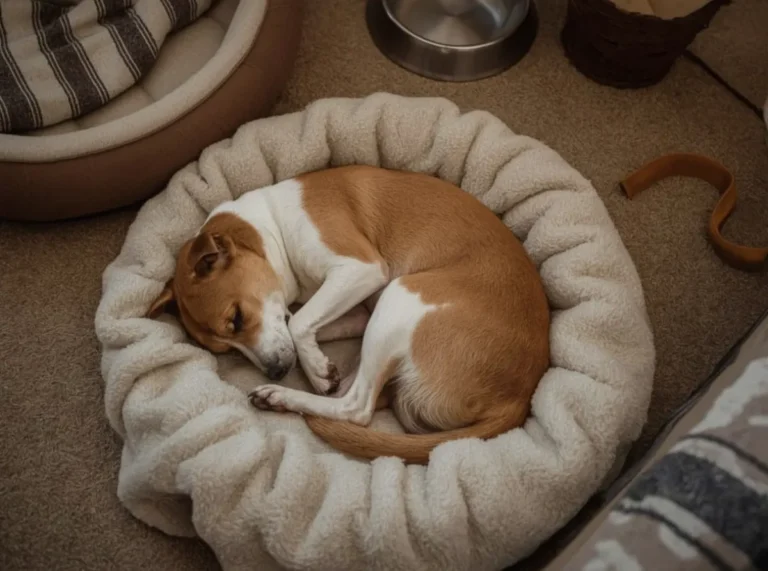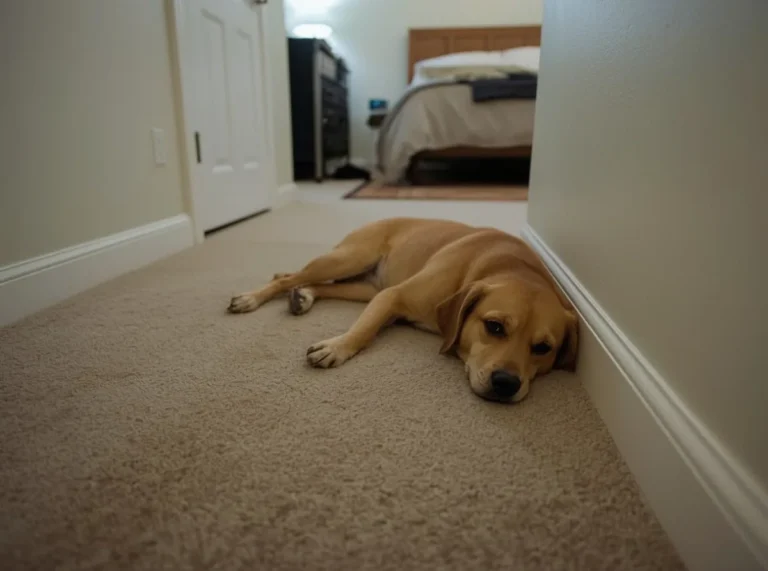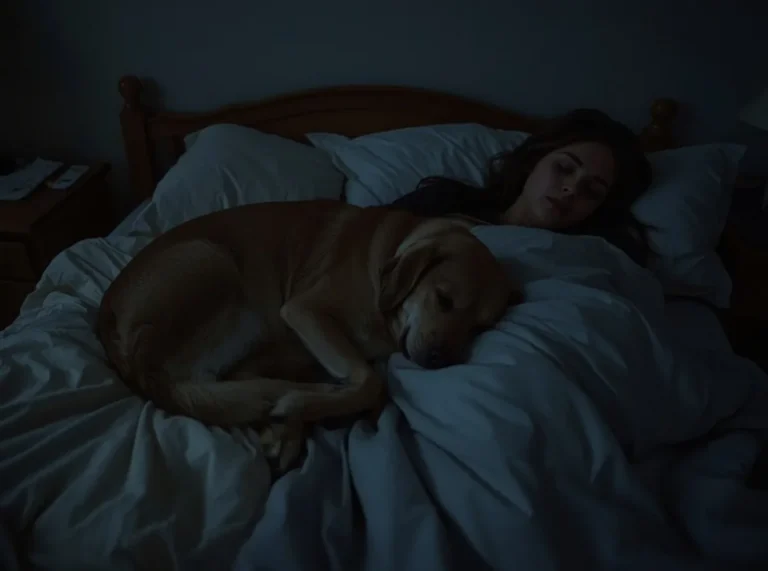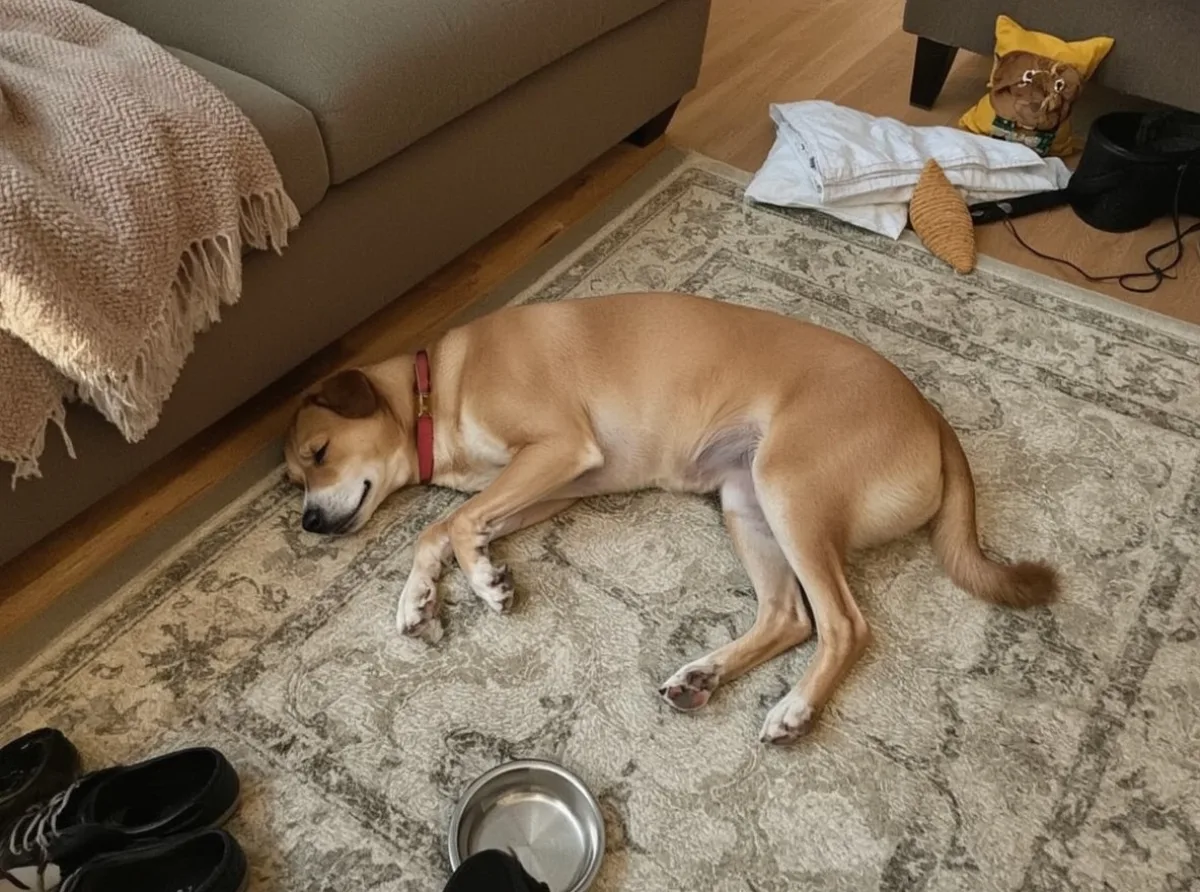
It is one of the most familiar little moments in a dog’s day. A dog opens its eyes, shifts its weight, stretches its front legs far forward, then pushes its back end upward in a long, full-body reach. Sometimes the stretch is quick. Sometimes it looks almost theatrical, as if the dog is taking its time before stepping back into the world.
This behavior is so common that many owners barely notice it until they start paying attention. Then the pattern becomes hard to miss. Dogs stretch after naps, after overnight sleep, and sometimes after resting only a few minutes on the couch. The movement is simple, but it carries a few useful clues about what is happening in the body and in the moment.
For most dogs, stretching right after waking up is normal. It is part physical reset, part comfort behavior, and part transition from sleep to alertness. But there is more going on than a simple muscle loosen-up. The timing, body language, and context can all add meaning.
Some stretches are purely mechanical. Others may be tied to emotion, anticipation, or a dog’s need to orient itself before moving. A dog that has just woken up is shifting from an inactive state to active awareness, and the stretch helps bridge that gap.
What the post-wake stretch looks like in everyday life
In a home setting, the stretch usually happens within seconds of waking. The dog may keep its rear end high while lowering its chest, or reach both front legs forward and hold the position briefly. Many dogs combine this with a slow yawn, a blink, or a little head shake.
The movement often looks smooth and unforced. The dog is not trying to impress anyone. It is simply transitioning from rest to motion in a way that feels good and familiar.
Owners may see the same pattern in different places and at different times of day:
- first thing in the morning after a full night of sleep
- after a midday nap on the floor or sofa
- after resting during a long car ride
- after a short doze near the family activity area
- after lying still while waiting for food, a walk, or attention
The exact shape of the stretch varies. Some dogs do a deep bow with a long pause. Others make a small, quick reach. A few stretch one side more than the other. All of these can be part of normal waking behavior.
When a dog stretches immediately after waking up, the most common explanation is simple: the body is moving from rest to activity and loosening up on the way.
Why the body wants to stretch after sleep
Sleep slows everything down. Muscles stay still for a while, joints remain in one position, and circulation becomes less active than during movement. Waking up is a transition, not a switch. Stretching helps that transition feel smoother.
Dogs, like people, may wake with a slight sense of stiffness after lying in one place. The stretch increases flexibility and can bring blood flow back into working muscles. It also helps the dog reestablish balance and awareness before walking, turning, or jumping.
That is why the stretch often comes before a dog fully stands up or starts moving around the house. The body seems to ask for a gentle reset before doing anything else.
In older dogs, this physical aspect can be especially noticeable. A senior dog may stretch more slowly, hold the position longer, or repeat the movement a few times before settling into the next task. That does not automatically mean pain. It may simply reflect a body that needs a little more time to warm up.
Common physical reasons behind the behavior
- muscle loosening after stillness
- joint mobility after lying in one position
- reconnection of posture and balance
- gradual return to full alertness
- comfort after sleep or rest
These reasons overlap. A stretch is rarely about only one thing. It is usually a small cluster of physical adjustments happening at once.
Why dogs often stretch before they are fully awake
Dogs do not always go from sleep straight into activity. There is often a brief in-between moment. During that moment, a stretch makes sense. The dog may be awake enough to react, but not yet ready to move quickly or interact fully.
This is especially common in dogs that sleep deeply or in warm, quiet rooms. After a nap, they may seem slow to gather themselves. The stretch becomes part of the waking routine, almost like opening a door before stepping outside.
Some dogs also stretch before they greet their owners. That can make the behavior seem social, but it still does not need to mean anything dramatic. A dog may simply be waking, orienting, and preparing to move toward the person nearby.
The timing matters. A stretch that happens immediately after waking is usually part of the sleep-wake transition. A stretch that happens later, after the dog is already active, may serve a slightly different purpose, such as relieving tension or preparing for movement.
What the stretch may signal emotionally
Although the body mechanics are easy to understand, dogs can also stretch in ways that reflect emotional state. A dog who feels safe and relaxed may wake up slowly and stretch in a loose, unhurried way. That kind of stretch often appears in a peaceful home environment where the dog expects nothing urgent right away.
In that setting, the stretch can look almost luxurious. The dog is not guarding itself or rushing to respond. It is comfortable enough to take its time.
There is also a common social version of the behavior. Some dogs stretch when they see their favorite person nearby, especially if the person has just returned home or is about to start an activity the dog enjoys. The stretch may serve as a calm approach behavior. The dog is awake, aware, and ready to engage, but not yet bursting into motion.
That said, stretching is not an automatic sign of happiness, and it should not be treated as one without context. Dogs stretch when relaxed, yes, but also when mildly tense, tired, or trying to regulate their state. Body language is more useful when seen as a whole rather than as a single signal.
A relaxed stretch usually looks smooth and loose. If the movement is stiff, repeated, or paired with hesitation, the dog may be telling you something different.
Emotional cues that often travel with the stretch
- soft eyes or slow blinking
- loose tail position
- easy breathing
- yawning
- slow, unforced movement
When these signs appear together, the stretch is more likely to be part of a calm wake-up routine. If the body seems tight, the face looks strained, or the dog avoids movement afterward, the picture changes.
How routine and environment shape the habit
A dog’s surroundings strongly influence how noticeable the stretch becomes. In a quiet home, waking up may be a gentle process, so the stretch stands out more clearly. In a busy house, the same behavior may happen quickly because the dog is already on alert from people moving, doors opening, or other pets nearby.
Routine plays a role too. Dogs are creatures of pattern. If a dog always wakes up before breakfast, before the first walk, or when the household begins to stir, the stretch may become part of the daily sequence. The body learns the shape of the day.
Dogs that spend long periods resting often stretch more visibly when they finally get up. This can happen in homes where the dog naps between short bursts of activity. It can also happen after a calm weekend, a long road trip, or a slow afternoon indoors.
Environmental stimulation matters as well. A dog that wakes in a quiet room may stretch fully because there is no rush. A dog that wakes to footsteps, voices, or the sound of a leash may stretch more briefly before moving on to the next event.
Situations where the stretch becomes more common
- morning wake-up after a long sleep
- resting after exercise
- waiting through a calm household pause
- waking in a crate, bed, or sunlit corner
- transitioning from rest to greeting or play
In each case, the dog is managing a change in state. Stretching helps make that change feel orderly.
The difference between a normal stretch and a stretch that deserves attention
Most post-wake stretches are harmless. Still, it helps to notice the quality of the movement. A normal stretch is usually smooth, controlled, and followed by easy movement. The dog looks like it is simply loosening up.
If the stretch is followed by limping, repeated shifting, reluctance to stand, or a stiff gait, it may be worth paying closer attention. The stretch itself may not be the problem. It may just be the first visible sign that the dog is uncomfortable after rest.
Likewise, if the dog stretches often but seems tense before or after, there may be another factor involved. Dogs with sore muscles, joint discomfort, or mild stiffness can seem to use stretching as a coping movement. In those cases, the behavior is still normal in appearance but more meaningful in context.
Owners often focus on the stretch itself when the bigger picture is in the body. Notice how the dog rises, walks, turns, and settles. Those details matter more than a single motion.
Signs that the stretch is probably normal
- the dog gets up easily afterward
- movement remains even and fluid
- there is no visible discomfort
- the dog returns to normal activity
- the stretch happens at predictable rest-to-wake moments
Signs that may suggest a physical issue
- stiffness that lasts after waking
- hesitation before standing
- licking a joint or muscle area
- difficulty climbing, jumping, or turning
- changes in energy or daily movement
These signs do not diagnose anything by themselves, but they help separate an ordinary stretch from a pattern that may need a closer look.
Why some dogs seem to stretch more dramatically than others
Breed, age, body shape, and individual habit all affect how a stretch looks. A flexible young dog may seem to unfold in a big dramatic bow. A stockier dog may perform a shorter, more compact version. A long-bodied dog may appear to make the motion from one end of the body at a time.
Age is a major factor. Puppies often stretch in exaggerated ways because their bodies are growing and their energy changes quickly. Adult dogs usually show more consistent patterns. Senior dogs may move more carefully and may linger in the stretch a little longer.
Daily activity also matters. A dog that has been playing hard, climbing stairs, or running outside may stretch after waking in a more obvious way than a dog that spent most of the day resting. Muscles that have been used more recently often want a bit more release.
Even the sleeping surface can play a role. A dog curled on a soft bed may wake differently than a dog stretched out on a hard floor. The position the dog held during sleep affects which muscles feel ready to move first.
How owners often read the behavior, and what it may actually mean
Many owners interpret a post-wake stretch as a sign that the dog is happy to see them, ready for the day, or asking for attention. Sometimes that is close to the truth. A dog that stretches and immediately approaches may be ready to engage. But the stretch itself is still not the message. It is the transition.
Other owners think a stretch means the dog is stiff or in pain every time. That is also too simple. Most dogs stretch because the body is doing exactly what bodies do after rest.
The best interpretation comes from the full context. A loose, sleepy stretch on a quiet morning probably means the dog is waking up normally. A stretch paired with stiffness, pacing, or repeated difficulty rising may mean something more practical is going on.
Do not read the stretch in isolation. Watch what the dog does before it, during it, and in the minute after it ends.
The connection between stretching and dog–human interaction
Dogs live closely with people, and that closeness shapes even small behaviors. A dog may stretch after waking and then look toward the kitchen because breakfast has become part of the morning sequence. Another dog may stretch and head straight to the door because the first walk is always next.
That does not make the stretch a request in a formal sense. It simply means the dog’s body is waking up inside a familiar routine. The behavior and the environment reinforce each other.
Sometimes the stretch becomes more visible because the owner is nearby. A dog may wake, stretch, glance over, and move closer. In households with strong attachment, that little sequence happens often. The stretch is one piece of a larger social pattern that includes waking, checking in, and joining the household rhythm.
Dogs also use stretching as a polite way to enter interaction. Instead of jumping straight into activity, they may take a moment to regulate first. That can make the behavior look calm and thoughtful, even though it is mostly instinctive.
What repeated patterns can reveal over time
Watching a dog’s waking stretches over several days or weeks can tell you more than watching a single one. Some dogs are remarkably consistent. They stretch in nearly the same way each morning, on the same side of the bed, before the same part of the routine. Others vary depending on sleep quality, weather, activity level, or age.
Consistency usually suggests a stable, ordinary habit. Change is what deserves attention. If a dog used to spring up easily and now stretches slowly, seems reluctant to stand, or favors one leg afterward, that shift matters more than the stretch itself.
Patterns can also show how the dog feels about the start of the day. A dog that wakes loose and untroubled tends to move into activity with little resistance. A dog that wakes stiff, slow, or cautious may need more time and observation.
That is why the stretch is worth noticing but not overinterpreting. It is a small behavior with a large context around it.
Why the behavior is so universal
There is something simple and satisfying about watching a dog stretch after sleep. It is one of those moments that seems familiar across households, breeds, and ages. The reason is straightforward: the body needs a reset, and dogs are very good at responding to bodily cues without making a fuss.
The stretch is efficient. It prepares muscles, supports movement, and helps the dog settle into wakefulness. It can also reflect a calm emotional state and a safe environment, especially when the dog has no reason to rush.
That mix of physical need and everyday habit is what makes the behavior so ordinary and so revealing at the same time. A dog does not have to be sending a special message for the stretch to matter. Often, it is enough that the motion shows how the dog is moving from rest into the next part of the day.
When a dog wakes, stretches, and then steps forward with ease, the body has already done a little bit of useful work. The rest of the morning can begin from there.