One day your dog curls up beside the couch. The next, they are stretched out in the hallway, then under a table, and later back on the bed they ignored yesterday. At first, it can seem random. In many homes, though, a dog changing sleeping spots often is a quiet pattern with a reason behind it.
Dogs do not always pick one place and stay loyal to it forever. They may shift based on temperature, noise, light, comfort, or mood. Some dogs move because they are curious and flexible. Others do it because they are restless, sensitive, or trying to settle somewhere that feels safer.
Paying attention to where your dog chooses to sleep can reveal a lot about daily comfort and routine. It is rarely about the spot itself alone. The bigger clue is the pattern: when they move, how often they move, and what else is happening around them.
What Frequent Spot Changes Look Like in Everyday Life
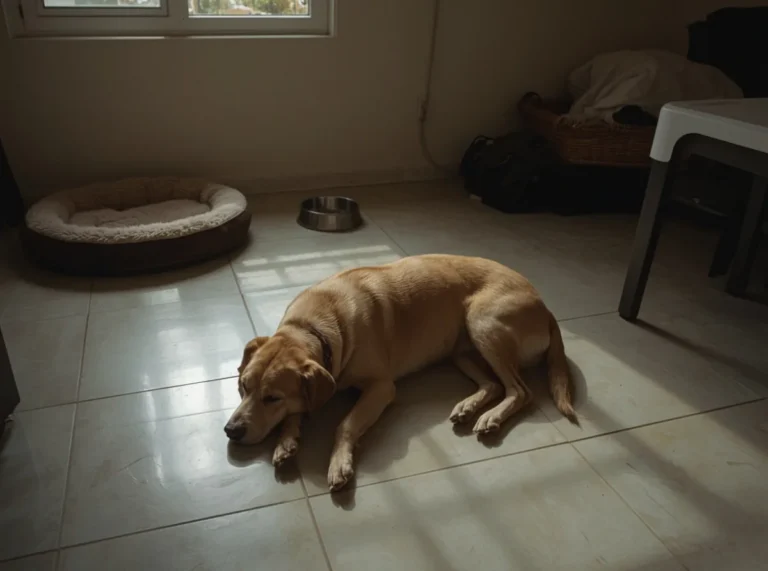
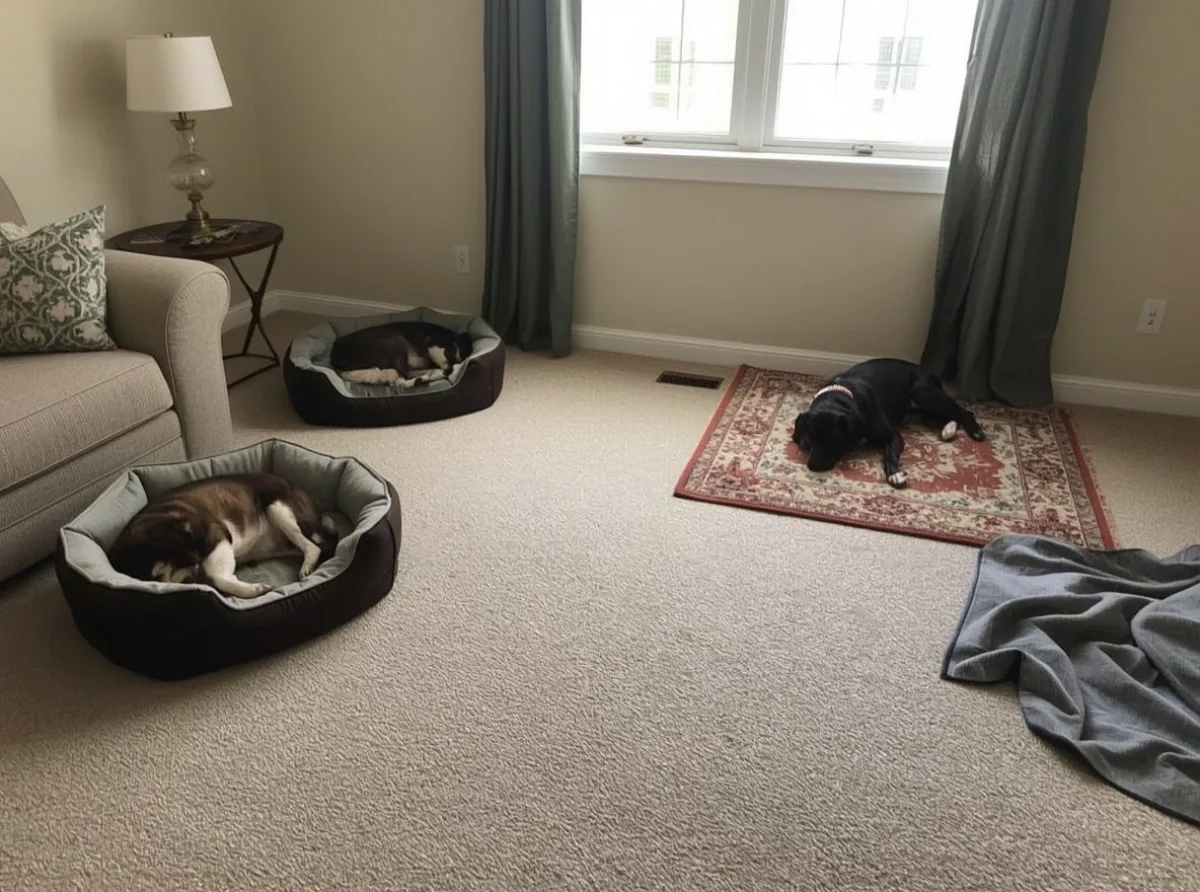
Some dogs rotate through three or four sleeping places in a single day. They may start on a cool tile floor in the morning, move to the couch after breakfast, then shift near a doorway in the afternoon, and finally end up in a crate or bed at night. That kind of movement can look like indecision, but it is often simple problem-solving.
Dogs are practical in their own way. If a spot becomes too warm, too bright, too noisy, or too exposed, they often leave. If the room gets quiet and the couch feels soft, they may return. This is not always a sign that something is wrong.
Sometimes the changes are subtle. Your dog may not fully get up and wander around the house. Instead, they scoot a few feet away from the vent, turn around several times, or switch from lying flat to curling up. Those little adjustments still count as changes in sleeping preference.
Common patterns you may notice
- Sleeping near cool floors during the day and in softer spots at night
- Moving away from windows when the room becomes bright or busy
- Choosing places closer to family activity during quiet hours
- Switching spots after a loud sound, visitor arrival, or household change
- Preferring different surfaces depending on weather or temperature
When the movement stays casual and your dog otherwise seems relaxed, it often reflects comfort-seeking. When it becomes abrupt or paired with other behavior changes, the meaning can shift.
Possible Emotional Reasons Behind the Behavior
Dogs often sleep where they feel most settled, but “settled” is not always the same thing every day. Emotional state can shape where a dog chooses to rest. A confident, easygoing dog may drift from place to place with little concern. A more sensitive dog may move when something feels off, even if the change is small.
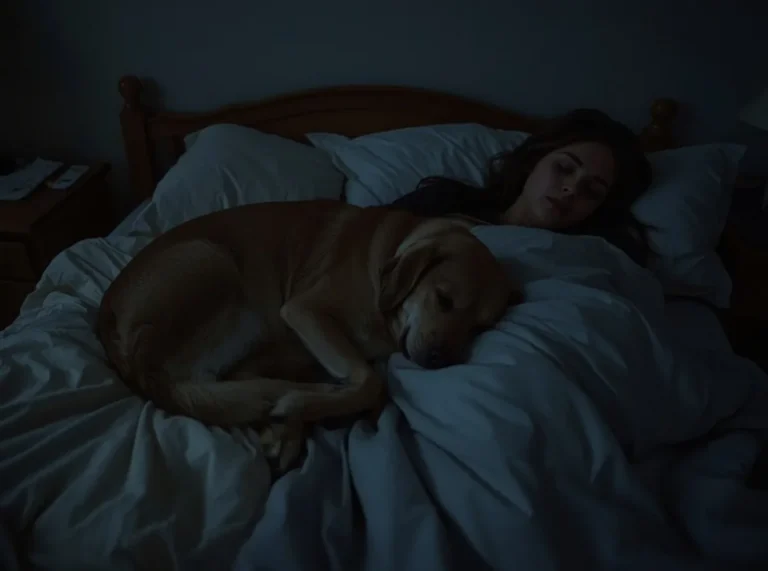
Attachment can play a role too. Some dogs sleep near their people because that location feels socially secure. Others pick spots where they can monitor the household. A dog that likes the hallway may not be avoiding the family; they may simply want to keep an eye on movement and sounds.
Restlessness is another possibility. A dog that does not fully settle may try one spot after another, hoping each new place will feel better. That can happen during periods of excitement, mild stress, or poor sleep quality. It does not automatically mean anxiety, but it can point to discomfort that is worth noticing.
Frequent sleeping-spot changes are most meaningful when they come with other clues: tension in the body, alert ears, repeated waking, clinginess, withdrawal, or difficulty lying down comfortably.
Emotional signals that may come with it
- Checking the room often instead of fully relaxing
- Lying down, then getting up again within minutes
- Choosing spots with escape routes or clear views
- Sleeping near people one day and far away the next
- Appearing more restless after changes in schedule or household noise
A dog that drifts between spots but does not seem tense is usually making comfort-based choices. A dog that keeps moving and never appears fully at ease may be telling you something different.
How Routine and Environment Influence Sleeping Choices
The house itself often explains more than people expect. Dogs are sensitive to temperature shifts, floor texture, drafts, sound, and traffic in the home. A spot that feels perfect in the morning may become unpleasant by afternoon. Sunlight moves, air conditioners kick on, kids come home, and the quiet corner suddenly no longer feels quiet.
Routine matters too. Dogs often settle based on what happens at certain times of day. A dog may sleep near the kitchen in the morning because breakfast is coming soon, then move to a low-traffic room when the household gets busy. Later, they may return to a favorite bed once the house calms down.
Some homes naturally encourage movement. Open floor plans, shifting temperatures, and constant foot traffic can lead to more spot changes. In a busy household, a dog may be trying to balance comfort with awareness. They may prefer different places depending on whether they want rest, security, or proximity to family activity.
Environmental triggers that often matter
- Heat from sunlight through windows
- Drafts near doors, vents, or tile floors
- Noise from appliances, children, guests, or other pets
- Changes in bedding softness or cleanliness
- Household routines that create predictable movement
Even small changes can make a dog relocate. A new throw blanket, a moved bed, or the smell of cleaning products may be enough to send them elsewhere for a while.
If your dog only changes spots when the room conditions change, the behavior may be less about emotion and more about comfort management.
When It Can Be a Sign of Physical Discomfort
Sometimes a dog changes sleeping spots often because the body is not comfortable. That can happen with age, stiffness, joint pain, skin irritation, digestive upset, or trouble regulating body temperature. Dogs do not complain the way people do. Instead, they move.
A dog with sore joints may struggle to lie down or get up in one place for long. They may shift because one surface feels too hard or one position puts pressure on a tender area. A dog with an upset stomach may keep changing locations because they cannot fully relax. Even a dog with itchy skin may move repeatedly, trying to find a position that avoids pressure or irritation.
Older dogs sometimes change spots more often because they need to adjust for comfort. Puppies can do it too, though for different reasons. Puppies may be exploring, overheating quickly, or unable to settle for long stretches. In both cases, movement itself is normal. What matters is whether the dog seems comfortable once they settle.
Physical clues worth noticing
- Stiffness when standing up or lying down
- Frequent repositioning before sleep
- Reluctance to use stairs, jump, or curl tightly
- Restlessness at night after seeming tired during the day
- Excessive panting, scratching, licking, or shifting weight
When a dog starts seeking cooler, softer, or more supportive spots than usual, the body may be driving the choice. A sudden change in sleeping locations, especially in an older dog, deserves closer attention.
How Different Dogs Show the Behavior
Not every dog changes sleeping spots for the same reason. Breed tendencies, age, personality, and past experiences can all affect the pattern. Some dogs are naturally more flexible and will sleep wherever the moment feels right. Others are more fixed in their preferences and only move when something is bothering them.
Dogs with a strong watchful instinct often choose strategic places. They may sleep where they can hear footsteps or see the doorway. Dogs that are deeply bonded to their family may follow people from room to room and rest nearby. More independent dogs may move from area to area simply because they enjoy having options.
Dogs rescued from unstable backgrounds can be more careful about resting places. They may test several spots before settling or switch locations if they feel exposed. That does not mean they are always anxious, but they may be more alert to changes in the environment.
Different styles of spot-changing
- Calm and flexible: the dog moves easily and settles without tension
- Watchful: the dog chooses places with visibility or control over the room
- Comfort-driven: the dog changes spots because of temperature or surface preference
- Restless: the dog keeps moving and seems unable to fully relax
- Protective or attached: the dog stays close to people, then shifts when activity changes
These styles can overlap. A dog may be both comfort-driven and watchful. A dog that likes sleeping near the hallway may also prefer the cool floor. The details matter more than the label.
What Owners Often Misread
It is easy to assume a dog is being picky, dramatic, or somehow dissatisfied with the bed you bought. In reality, the choice may have nothing to do with the bed at all. Dogs do not assign meaning to home items the way people do. They respond to physical and social conditions.
Another common misunderstanding is assuming that a dog sleeping in different spots means they are unhappy with the household. Many dogs simply like variety. A soft bed is not always better than a cool floor. A bed in the living room is not always better than a blanket in the bedroom. The dog is comparing comfort in real time.
Owners sometimes worry when a dog stops sleeping in a favorite place. That can happen for ordinary reasons, like a heating vent turning on or a new sound nearby. But a change can also signal that the old spot is no longer comfortable. The absence of a preferred spot is often just as informative as the presence of a new one.
A sleeping-spot change should be read in context, not as a single isolated sign. Look at the whole day: eating, movement, energy, posture, and willingness to relax.
How to Read the Pattern Without Overthinking It
The easiest way to make sense of the behavior is to notice consistency. If your dog chooses one spot when the house is cool, another when the sun moves across the room, and a third when the family is active, the pattern is probably environmental. If the changes happen mostly after loud noises or schedule disruptions, the behavior may be tied to stress or alertness.
It also helps to watch how long the dog stays in each place. Short, easy shifts are usually harmless. Constant wandering, on the other hand, can suggest the dog is trying but failing to settle. That difference matters.
Keep an eye on the body, not just the location. A dog that sighs, loosens up, and falls asleep is making a normal adjustment. A dog that hovers, pants, keeps lifting their head, or repeatedly stands up may be uncomfortable. Spot changes are more meaningful when they happen with tension.
Questions that help you interpret the pattern
- Does the dog move at certain times of day?
- Do the changes match temperature, noise, or household activity?
- Is the dog relaxed once they settle?
- Has the dog’s movement or comfort changed recently?
- Are there signs of stiffness, itchiness, or digestive upset?
Those questions usually lead to a clearer answer than guessing based on the bed alone.
When the Pattern Deserves Attention
Frequent sleeping-spot changes are more concerning when they happen suddenly or alongside other changes in behavior. A dog that used to sleep soundly in one place and now cannot stay settled may be reacting to discomfort, stress, or a change in the environment that is easy for humans to miss. New restlessness at night is especially worth watching.
Pay attention if the dog seems unable to get comfortable, avoids lying down, or keeps moving after a long walk or an otherwise normal day. Also notice changes in appetite, limping, stiffness, increased panting, or unusual sensitivity to being touched. Those details can point toward a body issue rather than a preference change.
If the pattern becomes intense, a veterinarian can help sort out whether pain, itch, temperature issues, or another health concern is involved. The behavior itself is not a diagnosis, but it can be one of the first visible signs that something has shifted.
How Long-Term Patterns Usually Make Sense
Over time, a dog’s sleeping habits often settle into a rhythm. Some dogs become seasonal sleepers, choosing cool floors in warm weather and soft beds in winter. Others develop room preferences based on household routine. A dog may seem to “change spots often,” when in reality they have a small set of trusted locations that rotate predictably.
Life changes can reshape the pattern too. A move, a new pet, a different work schedule, or even a rearranged room can change where the dog wants to rest. Dogs adapt, but not always immediately. A new pattern may appear while they are learning the new layout and the new rhythm of the home.
In many cases, spot changes are simply part of normal dog behavior. The key is whether the shifts look comfortable, consistent, and situation-based. When they do, there is usually no mystery. When they do not, the dog is likely trying to tell you something through movement rather than words.
That is often how dogs communicate. They leave small clues in the places they choose, the places they avoid, and the way they settle once they get there. Watching those choices over time can make the behavior easier to understand without turning every move into a problem. Sometimes a dog is just following the warm patch of sunlight. Sometimes they are looking for the quietest corner in a busy house. And sometimes a new sleeping spot is the first hint that their body or environment needs a closer look.