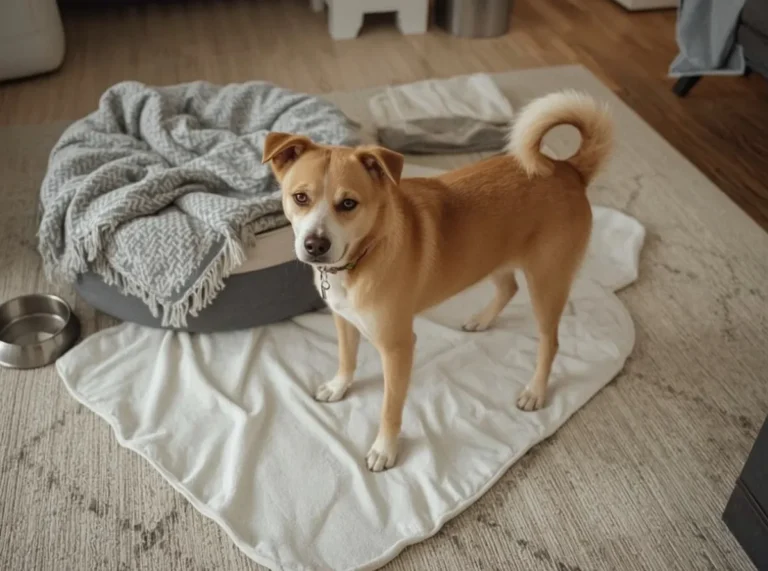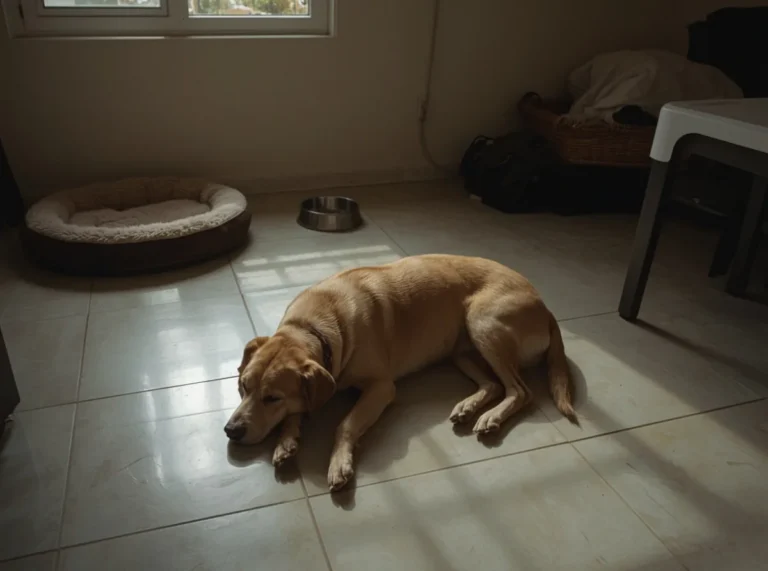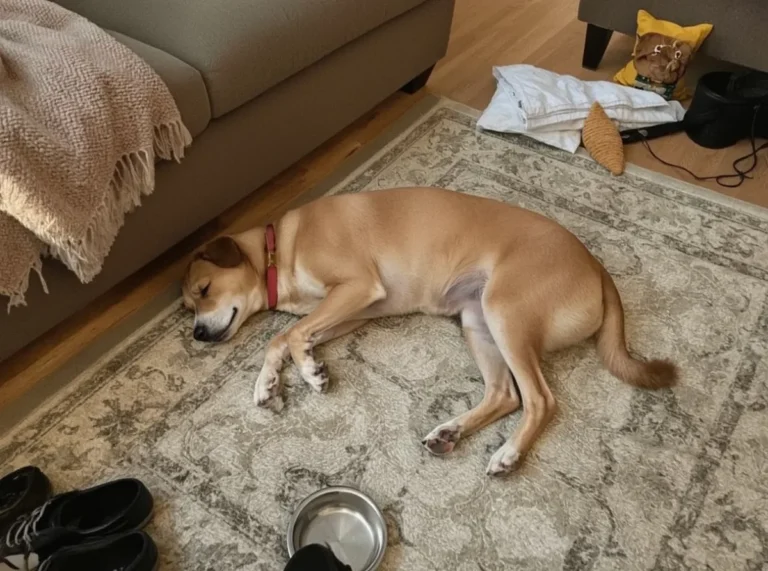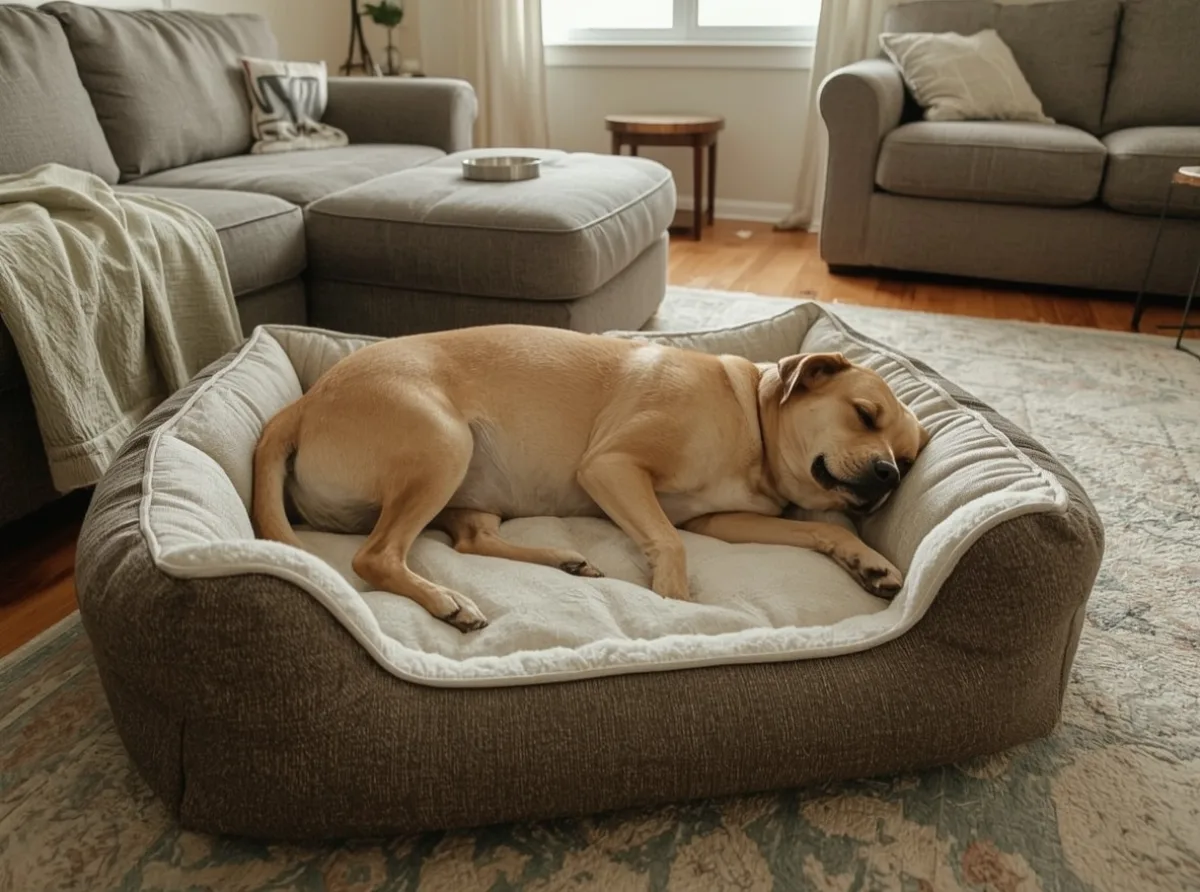
Some dogs seem to breathe out as soon as they step into a room they know well. Their shoulders drop, the pace slows, and the body settles in a way that feels almost immediate. The same dog may stay alert in a new space, even if nothing is wrong, but in a familiar room the rest comes easier and deeper.
This reaction is not unusual. Dogs read places through scent, memory, routine, and expectation, so a room they know can feel safer before they even lie down. The floor, the furniture, the sounds outside the window, and the pattern of daily life all shape how relaxed they become there.
Deep rest is not only about being tired. For many dogs, it is tied to whether the environment feels predictable enough to let their guard down. Familiar rooms often carry that predictability in small, quiet ways.
What deep rest looks like in a familiar room
Dogs do not always sleep the same way in every space. In a familiar room, they may stretch out fully instead of staying curled tightly. Their breathing becomes slower. Their ears rest instead of swiveling toward every sound.
Some dogs choose a specific spot and return to it again and again. It may be near the sofa, beside a bed, or in a corner with a clear view of the doorway. The exact place matters less than the sense that it belongs to the dog’s routine.
In unfamiliar rooms, the same dog may keep adjusting position, lifting the head when someone moves, or sleeping in lighter bursts. That difference can be subtle, but it often shows how much confidence the dog has in the setting.
Common signs of deeper rest
- Loose muscles and soft facial expression
- Longer sleep stretches without frequent waking
- Choosing a settled spot instead of pacing
- Fewer startle reactions to ordinary sounds
- Willingness to sleep on one side or with the belly exposed
Why familiarity helps the nervous system settle
Dogs thrive on pattern. When a room is familiar, they do not have to spend as much energy checking whether anything has changed. The brain can treat the space as low risk, which makes deeper rest more likely.
That does not mean the dog is consciously thinking through the room in human terms. Instead, the body learns. A certain place, smell, or daily routine becomes associated with safety and quiet. Over time, those associations stack up.
A familiar room often has fewer surprises. The dog knows where people usually walk, where the light comes from, and which sounds happen every day. When the environment feels easy to predict, the body can stop preparing for action.
Dogs often sleep more deeply where they feel the least need to monitor their surroundings. Predictability lowers vigilance.
The role of scent in making a room feel safe
Scent matters a great deal to dogs. A familiar room smells like the dog, the household, the furniture, and the people who live there. Those scents create a strong map of comfort.
If a room holds the smell of a favorite blanket, a bed that has been used for months, or the consistent scent of family life, it may feel more secure than a room that is visually similar but less familiar. To a dog, smell is part of memory. It tells the body that this place has been experienced before and nothing threatening happened.
New environments often contain too many unknown odors at once. Even if the room looks calm to a person, the dog may still be working hard to process it. Familiar smells reduce that work.
Routine can matter as much as the room itself
Many dogs do not rest deeply because of the room alone. They rest deeply because the room is part of a reliable pattern. Maybe the family settles into the living room every evening after dinner. Maybe the dog always naps there after a walk. Repeated patterns give the space emotional meaning.
When rest happens in the same place at similar times, the dog begins to expect sleep. That expectation is powerful. The body often follows it before the mind seems to “notice.”
Routine also reduces tension caused by guessing. If a dog knows that the afternoon is quiet, that the household tends to be still, or that a certain bed is reserved for resting, it becomes easier to relax fully. Deep sleep often grows from these small habits.
Routine elements that support deeper rest
- Predictable feeding and walking times
- A regular nap spot
- Quiet periods in the same part of the day
- Calm household activity around the dog
- Repetition of the same resting cues, such as a blanket or bed
Attachment and trust play a quiet role
Some dogs rest more deeply in familiar rooms because those rooms are linked to trusted people. The presence of family members can reduce alertness, even when no one is actively interacting with the dog. Knowing that the household is near often helps the dog let go.
For many dogs, trust is built through ordinary daily life. Calm greetings, steady care, and consistent responses all matter. A dog that feels secure with the people in the home may relax more quickly in rooms where those people spend time often.
This does not always mean the dog needs constant attention. In fact, some dogs sleep best when they are close enough to feel included but not directly engaged. They may rest more deeply on the edge of activity than in total isolation.
A dog may sleep best in a familiar room not because the room is special on its own, but because it signals that trusted people, predictable routines, and low risk are nearby.
Why some dogs stay lighter in unfamiliar spaces
In a new room, a dog may be more alert simply because the environment has not yet been sorted out. The sounds are unfamiliar. The layout is not fully mapped. Even small things, like a vent clicking or footsteps in the hallway, can draw attention.
This does not always look like obvious anxiety. Sometimes the dog appears calm but wakes more easily. The difference shows up in how quickly sleep is interrupted and how hard it is for the dog to return to rest.
Some dogs are naturally more sensitive than others. A dog with a watchful temperament may always want a little more time before settling deeply in a new place. Another dog may relax quickly if the room has the right cues, such as a favorite bed and the scent of home.
Household activity can either support or interrupt deep rest
Even a familiar room will not always lead to deep sleep if the environment becomes too active. Dogs often rest well in rooms where movement is gentle and predictable. They may wake more often when people are constantly coming and going or when the sound level rises and falls sharply.
A familiar room with steady noise can still feel better than a quiet but unpredictable one. The key is often not silence, but consistency. A dog can learn to ignore the hum of a television or the soft rhythm of daily chores if those sounds stay steady.
Sharp interruptions, on the other hand, can keep a dog on lighter alert. A dropped pan, a sudden laugh, or repeated door movement may be enough to prevent the body from fully settling. The room remains familiar, but the moment becomes less restful.
Household factors that change how deeply a dog rests
- Frequent door opening and closing
- Noisy appliances or sudden sound spikes
- Children running through the space
- Visitors moving unpredictably
- Changes in furniture placement or daily use of the room
Age can change how a dog uses familiar rooms
Puppies often sleep heavily almost anywhere, but they still show preferences for places that feel safe and warm. As they mature, many dogs become more selective. A young dog may nap in a variety of spots, while an adult dog develops favorite rooms and preferred positions.
Older dogs may become even more attached to familiar spaces. Their need for predictability can increase with age, especially if hearing, vision, or joint comfort begins to change. A room they know well can make resting easier because the dog does not have to work as hard to orient itself.
That does not mean every older dog sleeps more in the same room, but many do show stronger habits around location. A consistent resting place becomes part of physical ease as well as emotional comfort.
What the behavior can say about emotional state
Deeper rest in a familiar room often points to comfort, but the reason can vary. In many cases, it reflects confidence. The dog feels safe enough to let its guard down and enter a more complete sleep state.
Sometimes it also reflects fatigue after a busy day. A tired dog may choose the place where falling asleep feels easiest. Familiar surroundings reduce the effort needed to transition from activity to rest.
There are also dogs that appear to rest deeply in one room because they are overcompensating elsewhere. They may stay alert in more stimulating spaces and only fully collapse once they reach the place they trust most. The rest itself is real, but it comes after a period of holding tension.
Deep sleep in a familiar room often means the dog feels secure enough to stop monitoring. It can also mean that the body has chosen the one place where vigilance no longer feels necessary.
Subtle signs that can accompany the behavior
When dogs settle deeply in familiar rooms, the change is not always dramatic. The signals can be small. A dog may sigh, roll onto one hip, tuck the nose under a paw, or keep the head low instead of scanning the room.
Those details matter because they show the body shifting into a less reactive state. The dog is not just lying down. It is letting go of readiness. That difference is easy to miss if someone only notices whether the dog is awake or asleep.
Some dogs also reposition less often in familiar rooms. They do not keep testing the floor or changing direction. Their body seems to accept the place immediately, which helps sleep deepen more quickly.
Subtle resting signals to notice
- Slow, even breathing
- Relaxed paws and loose tail
- Closed eyes without quick reopening
- Minimal head lifting after sounds
- Settling into the same body posture repeatedly
When deep rest may deserve closer attention
Most of the time, a dog sleeping more deeply in a familiar room is simply showing comfort. But patterns still matter. If the dog only sleeps well in one room and seems unable to relax anywhere else, the overall picture may be worth noticing.
Some dogs become deeply dormant in a familiar space because they are exhausted from stress, not just comfort. They may act tense in other parts of the home, startle easily, or seem reluctant to move away from the safe room. In that case, the rest is real, but it is part of a broader pattern of caution.
It is also worth paying attention if the dog becomes suddenly much sleepier than usual, even in familiar surroundings. Changes in energy, appetite, or willingness to move can shift the meaning of resting behavior. The difference between comfortable rest and unusual lethargy matters.
How owners can make familiar rooms more restful
Small adjustments can help a favorite room support better sleep. A dog bed with enough room to stretch, a quiet corner, and a stable routine often do more than elaborate products. The goal is to make the space easy to trust.
Keeping the resting area consistent helps. If the dog’s bed is moved often, or if the room is repeatedly rearranged, the sense of predictability can fade. A familiar room becomes less effective when it stops feeling like the same place.
It also helps to respect the dog’s chosen habits. Some dogs rest more deeply with a wall behind them. Others prefer a doorway in view. Those preferences are usually practical. They let the dog feel protected without needing to stay alert.
Ways a room can support deeper rest
- Keep the resting spot in a stable location
- Use bedding the dog already knows and likes
- Limit sudden disruptions around sleep times
- Maintain predictable household rhythms
- Allow the dog to choose between a few comfortable options
Why familiar spaces often lead to the deepest sleep
Familiar rooms reduce the amount of work a dog has to do. There is less scanning, less uncertainty, and less need to prepare for the unexpected. That frees the body to move into a deeper rest state.
What looks simple on the surface is usually built from many layers: scent, routine, memory, household rhythm, and trust. A room becomes restful because the dog has learned that nothing important needs to be solved there. It is a place where the body can stand down.
That is why some dogs sleep most soundly in the same room night after night. Not because it is the quietest room in the house, and not because it is always identical, but because it feels known. For a dog, that can be the strongest signal that rest is safe.