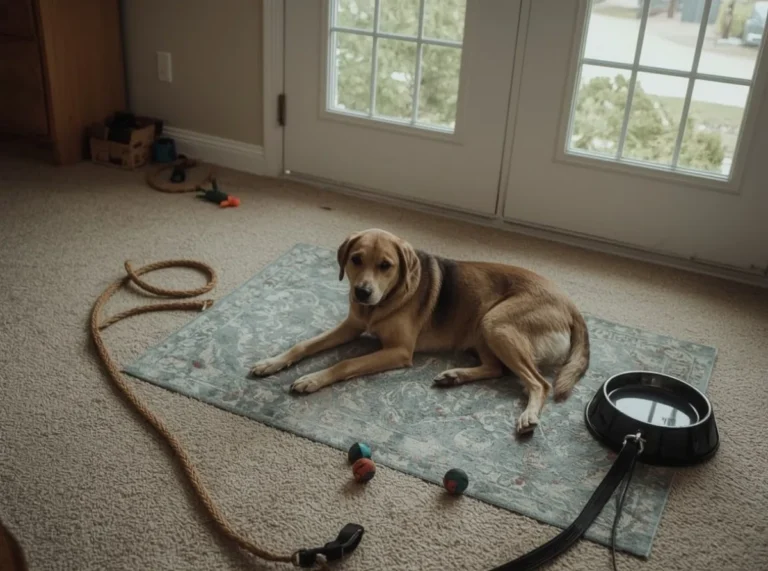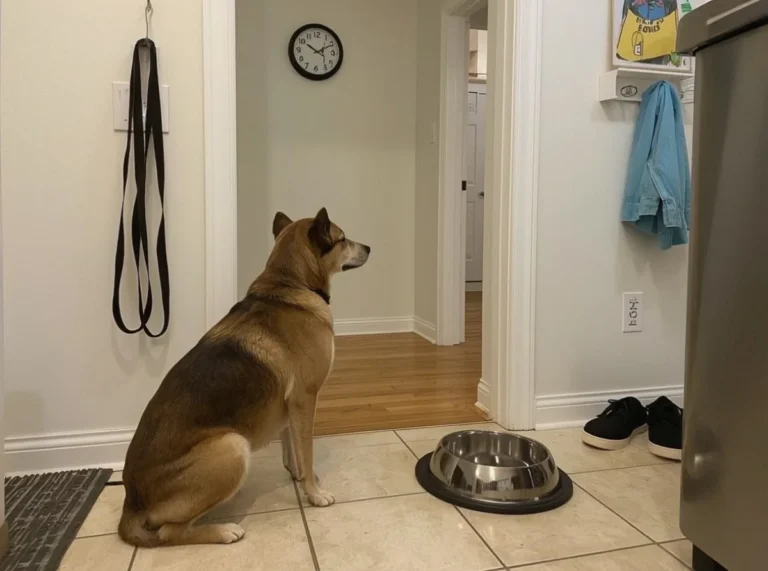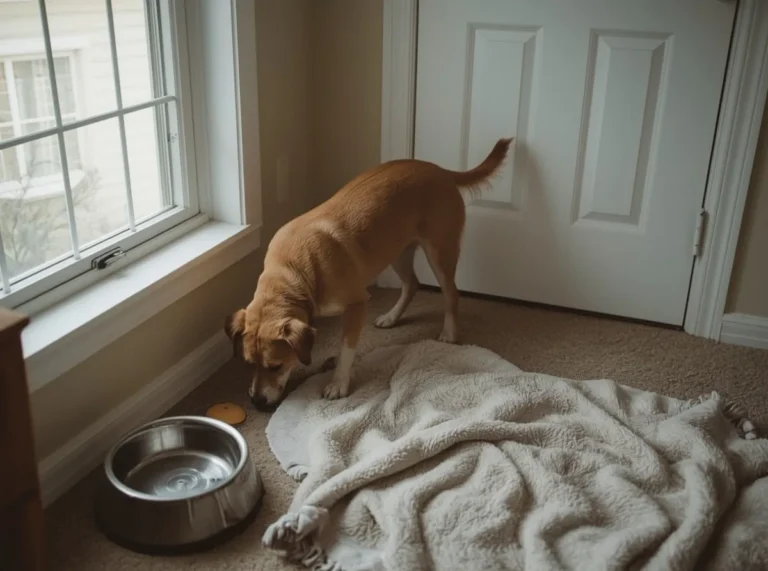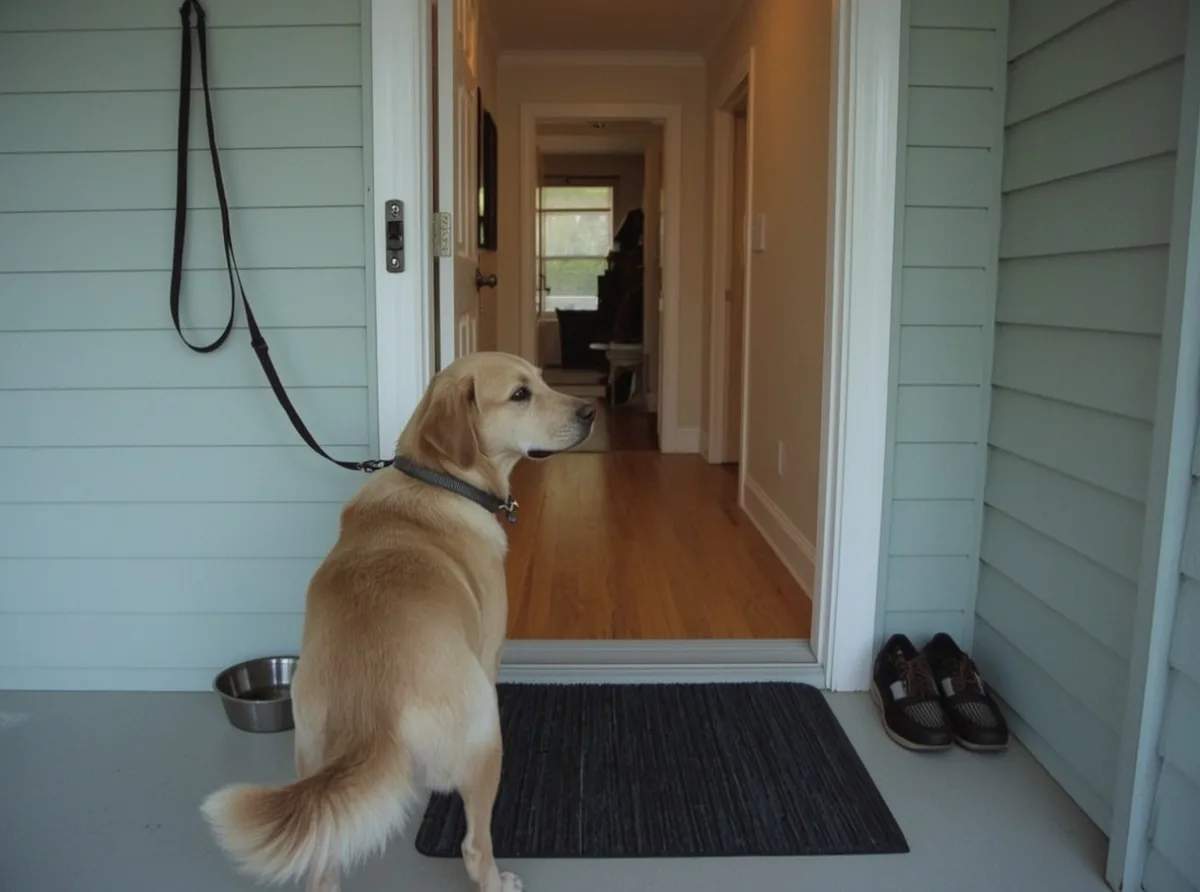
Some dogs seem to live by the clock. They wake up at the same time, ask for the same walk route, nap in the same corner, and wait by the door just before dinner. To people, that pattern can look almost stubborn. In many cases, though, it is a very normal part of how dogs organize their day.
Routine gives a dog something solid to hold onto. The world is full of sounds, smells, people, and movement, and predictable patterns help reduce uncertainty. When a dog repeats the same behaviors every day, it is often not because nothing else is possible. It is because the familiar feels efficient, safe, and worth repeating.
That consistency can be charming. It can also be confusing when a dog seems upset by even a small change. A different walk time, a new feeding schedule, or an unexpected visitor may be enough to disrupt the whole day. Understanding why some dogs follow the same routine every day makes those reactions easier to interpret.
Why Routine Becomes So Important
Dogs are highly observant animals. They notice repeated events quickly and begin to connect them with outcomes. If breakfast always follows a specific sound, or if a walk always comes after the owner picks up keys, the dog learns to expect what happens next. That expectation becomes part of daily life.
For many dogs, routine is not just habit. It is a way to reduce decision-making. If the environment stays fairly predictable, the dog does not need to spend energy figuring out what is coming. That leaves more mental space for resting, watching, playing, or simply waiting for the next familiar event.
When a dog follows the same routine every day, the pattern is often built from learning, comfort, and repetition rather than pure preference alone.
Some dogs are naturally more sensitive to change than others. These dogs often benefit the most from a steady schedule. They may appear more settled when meals, walks, and quiet time happen at reliable intervals. A routine can become a kind of anchor in the day.
What This Looks Like in Everyday Life
Routine-based behavior shows up in ordinary ways. A dog may head to the window at the same time each afternoon because that is when the mail arrives or the family usually returns. Another dog may begin pacing toward the leash drawer after sunset because the evening walk has always come around then.
In some homes, the routine is almost invisible until it changes. A dog that calmly waits for breakfast every morning may seem relaxed and easygoing. But if the owner sleeps in one weekend, the same dog might become restless, vocal, or insistent. The dog is not being dramatic. The sequence simply matters more than people sometimes realize.
Common examples include:
- Waiting by the door at the same time each day
- Rounding up the family before meals
- Sleeping in the same room or on the same bed spot
- Requesting the same walk route repeatedly
- Becoming active only during predictable parts of the day
These patterns often become stronger when the dog has been rewarded for them over time. If sitting by the kitchen helps food appear faster, the dog learns that the behavior works. If lying at the owner’s feet leads to attention, the spot becomes part of the daily system.
Emotional Reasons Behind the Behavior
Routine can reflect emotional comfort. A dog that keeps to a familiar schedule may feel more secure when life is predictable. The day becomes easier to understand, and that understanding can lower stress. This is especially true for dogs that are naturally cautious, newly adopted, older, or living in a home with lots of activity.
Some dogs also use routine to manage their energy. Regular patterns tell the body when to rest and when to be alert. A dog may know that after a morning walk comes a nap, and after dinner comes quiet time. That predictability helps the nervous system settle into a rhythm.
Attachment plays a role too. Many dogs organize their day around people. They watch for cues from the humans they trust most, and over time those cues become a schedule. The dog may not understand “7:00 p.m.,” but it knows what happens when shoes are put away or when the house gets quieter.
In a dog’s mind, routine can mean safety, belonging, and clarity. It is not always about control; often it is about knowing what comes next.
How Environment Shapes Daily Patterns
The home environment strongly influences whether a dog becomes routine-driven. A quiet home with limited change often encourages steady habits. A busy home can do the same, but in a different way. When family life already follows a repeated pattern, the dog quickly absorbs it.
Dogs living in structured households often become very skilled at predicting the next event. They know when the first person gets up, when lunch happens, when the neighborhood gets loud, and when the house starts winding down at night. That awareness helps them move through the day without much confusion.
Other environmental factors can deepen the pattern:
- Consistent feeding and walking times
- Repeated human work-from-home routines
- Low daily stimulation
- Limited exercise or mental activity
- Strong past reinforcement for specific habits
A dog with too little stimulation may cling even more tightly to routine because there is not much else to do. In that case, the pattern can become both comforting and limiting. The dog may begin to anticipate only a few events each day and remain focused on them for long stretches.
When Routine Reflects Personality
Some dogs are simply more methodical by nature. They like repetition because repetition suits their temperament. These dogs often seem deliberate, careful, and somewhat sensitive to disruption. They may prefer the same toy, the same resting place, and the same side of the couch day after day.
That does not mean they are anxious. A stable routine can belong to a calm dog just as easily as to a worried one. The difference often shows in body language and flexibility. A calm routine-loving dog may adjust without much protest if a schedule changes once in a while. A more stressed dog may struggle to settle afterward.
Breed tendencies can influence this too, though individual personality matters more than labels. Some dogs are bred for close cooperation with people, and that closeness can make them more attentive to regular household patterns. Others are more independent and may seem less tied to the clock, even if they still enjoy predictable events.
Signals That the Routine Is Comforting, Not Concerning
Daily repetition is often perfectly healthy. The key is the dog’s overall demeanor. If the dog follows the same routine but still relaxes, eats normally, plays, and adjusts when needed, the behavior is usually just a preference. The routine is part of how the dog organizes life, not a problem to solve.
Signs that the pattern is simply a comfort include:
- Soft body posture during transitions
- Ability to rest between routine events
- Interest in play, food, and attention
- Recovery from schedule changes without prolonged stress
- General calmness in the home
Some dogs become especially content once they understand the household rhythm. They may wait patiently because they have learned the rhythm will continue. That patience is often a sign of confidence, not passivity.
When Routine Becomes a Sign of Stress
Not every dog that repeats the same schedule is relaxed. Sometimes the routine is a coping tool. The dog may rely on repetition because change feels difficult. In those cases, the behavior may appear rigid. The dog could become unsettled if a meal is late or if a walk happens in a different order than usual.
Stress-related routine behaviors often come with extra signals. The dog might pant without exertion, pace, cling to one person, or seem unable to settle after the schedule shifts. Some dogs vocalize more, while others become unusually quiet and watchful. The routine itself is not the issue. The dog’s dependence on it is what matters.
Warning signs may include:
- Persistent restlessness when the schedule changes
- Difficulty relaxing outside the usual routine
- Repeated checking behaviors, such as staring at doors or food areas
- Strong distress at even small interruptions
- Loss of interest in normal activities when the routine is altered
In those cases, the dog may need more gradual exposure to small changes, better physical exercise, or a calmer home rhythm. The goal is not to remove routine. It is to make the dog less fragile around it.
How Routine Connects to Daily Expectations
Dogs build expectation through repetition. This is one reason they can appear to know exactly when something is supposed to happen. After enough consistent days, the dog begins to read the household almost like a sequence of cues. A certain sound, a particular room, or a repeated movement can signal what comes next.
That expectation can be very practical. It helps the dog conserve energy and stay oriented. But it can also make the dog seem surprisingly strict. If the owner misses a usual step, the dog may wait for it. If the step never comes, the dog may continue to look for it until a new pattern takes over.
Some common expectation-based habits include:
- Standing at the same door before walks
- Going to the feeding spot before meals are served
- Settling near the family during a known quiet hour
- Moving to a favorite room when the house becomes active
These are small signs, but they reveal how deeply dogs notice order. The routine is not only memorized. It is anticipated.
Why Some Dogs Resist Change More Than Others
Dogs that have experienced instability earlier in life may become especially attached to routine later on. If the dog once lived with unpredictable feeding, frequent moves, or inconsistent attention, a stable schedule can feel deeply reassuring. The predictability of the current home may become something the dog guards closely.
Age can matter as well. Older dogs often become more attached to familiar patterns. Their senses, energy levels, and tolerance for surprises may change over time. A routine that once seemed ordinary can become more important as the dog gets older and prefers lower-stress days.
Health can also shape this behavior. A dog that is uncomfortable, tired, or less mobile may rely more on a limited set of actions because those are easiest to manage. If a dog suddenly becomes more fixed in its habits, or if it appears upset by changes it once tolerated, that shift deserves attention.
What Owners Often Misread
People sometimes assume a routine-loving dog is being difficult or overly demanding. In reality, the dog may just be communicating in the clearest way it knows. Standing by the leash, circling the food bowl, or waiting at the window is often a learned pattern, not a challenge to authority.
It is also easy to confuse routine with boredom. While boredom can make a dog seek repeated patterns, routine alone does not prove the dog lacks stimulation. Many active dogs still insist on the same breakfast corner or the same evening ritual. The pattern may simply be familiar and rewarding.
Another common misunderstanding is that a dog following the same routine is being controlling. Dogs do not organize life in that human sense. They are responding to consistency, comfort, and habit. What looks like control is often just well-formed expectation.
A routine-loving dog is usually telling you that the pattern makes sense to the dog. That does not automatically mean the pattern is unhealthy.
Daily Repetition and Social Behavior
Dogs are social animals, and their routines often revolve around other living beings in the home. They may wait for a particular person to wake up, follow another person from room to room, or settle when the household reaches a certain level of calm. These habits are not random. They reflect the dog’s reading of social rhythm.
In homes with multiple people, the dog may build a layered routine. One person may be associated with the morning walk, another with lunch scraps, and another with the evening couch time. The dog then tracks the day through relationships as much as through events.
This can make routine feel personal. The dog is not only repeating behaviors. It is linking those behaviors to the people and moments that matter most in the home.
When to Pay Closer Attention
Routine by itself is common. Concern grows when the dog seems unable to do anything outside the pattern. A dog that becomes trapped in repetition, cannot relax after a change, or appears visibly distressed may be signaling something deeper.
It helps to notice the difference between preference and dependence. Preference sounds like, “This is the usual way.” Dependence sounds like, “I cannot handle it any other way.” That difference is often visible in body language, recovery time, and overall flexibility.
If a dog suddenly becomes more rigid, especially alongside appetite changes, sleep changes, or new fearfulness, the routine may be reflecting emotional or physical discomfort. When that happens, the schedule is only part of the picture.
A Calm, Predictable Day Often Feels Better to a Dog
Many dogs follow the same routine every day because it fits how they learn and how they feel most secure. Repetition helps them predict what is coming, reduce uncertainty, and move through the home with less effort. For some dogs, the routine is simple preference. For others, it is a way to cope with a world that feels easier when it stays familiar.
That is why the same behavior can mean different things in different dogs. One dog waits by the door because the rhythm of the day is clear. Another waits because change feels uncomfortable. The behavior may look similar from the outside, but the reason behind it can be very different.
What remains constant is the power of pattern. Dogs notice it quickly, remember it well, and build whole days around it. In homes where life stays predictable, that pattern often becomes part of the dog’s sense of place.