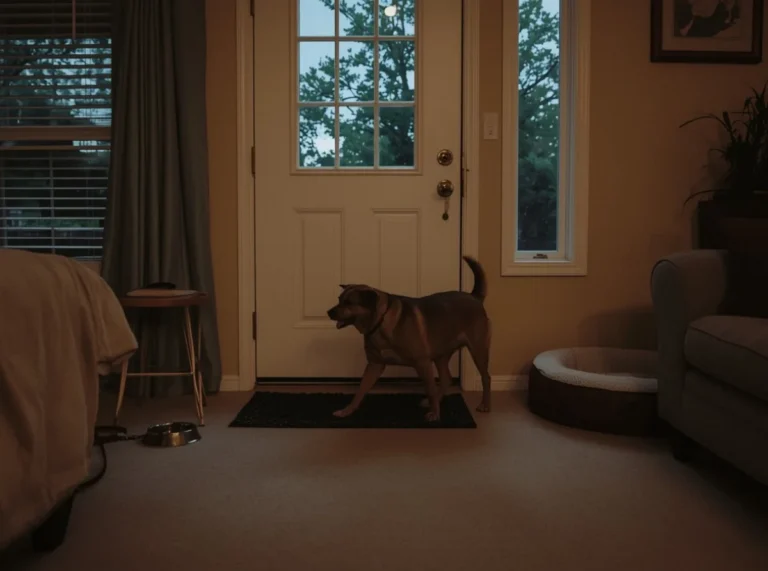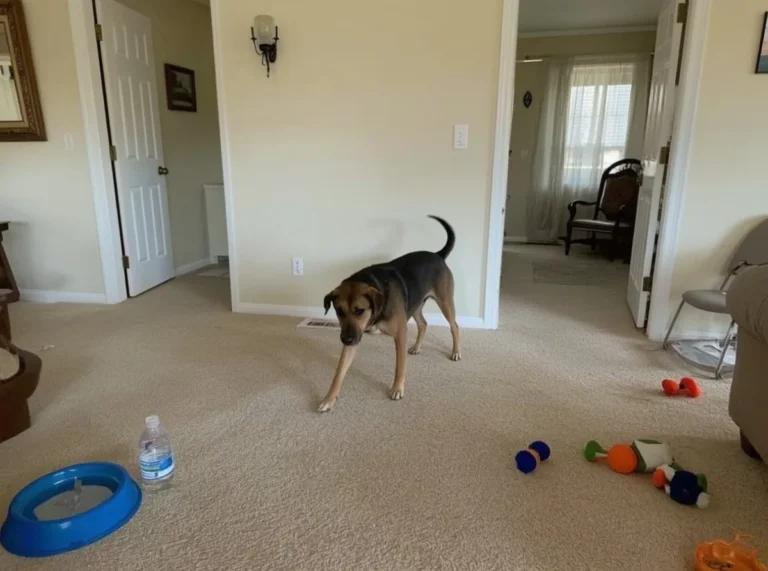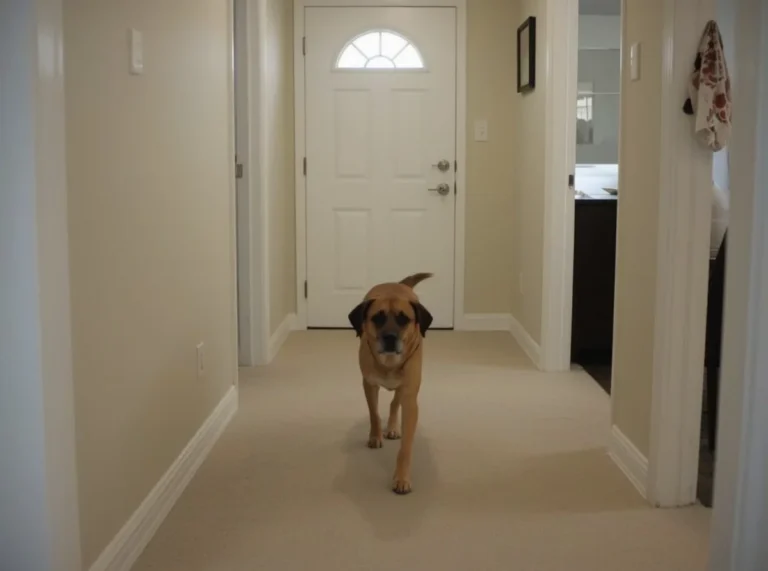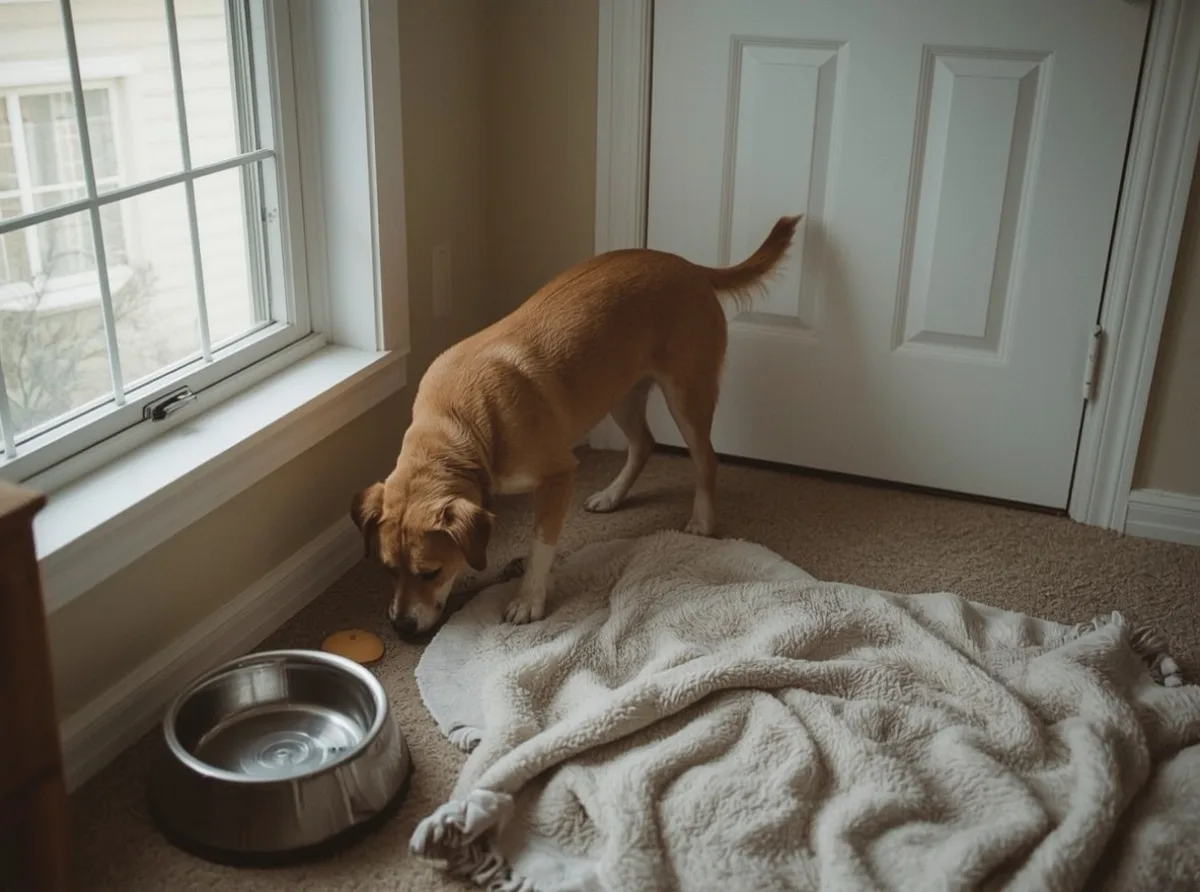
Dogs often look like they are doing the same little things over and over for no clear reason. They pause at the same corner of the house, nose the same blanket, walk to the window at the same hour, or bring you the same toy every afternoon. To people, these habits can seem tiny and random. To dogs, they often carry meaning.
Small repeated behaviors are part of how many dogs organize their day. Some actions come from comfort. Some come from instinct. Others reflect boredom, anticipation, or a strong attachment to the rhythm of home life. When a dog repeats a behavior every day, it is usually not because the dog is being odd. More often, it is because the behavior fits something the dog needs or expects.
Daily repetition can also tell you something about how a dog experiences the home. A dog with a steady routine may repeat certain actions because the day feels predictable. A dog with more uncertainty may repeat behaviors because they help the dog settle. Even playful habits can become regular when they are rewarded by attention, movement, or simple satisfaction.
What repeated small behaviors look like in everyday life
Repeated behaviors are not always dramatic. In many homes, they are barely noticeable at first. A dog may do the same thing after waking up, before meals, after walks, or when the household becomes quiet. The pattern can be subtle, but the timing is often consistent.
Common examples include:
- checking the same room or doorway each morning
- circling a bed or blanket before lying down
- bringing a toy to the same person every day
- pawing at a door at the same time
- sniffing the same area repeatedly
- following the same route through the house
- waiting in the same spot during a certain routine
Some of these behaviors are practical. A dog may circle because it is a natural pre-rest habit. Some are social. A dog may greet the same family member in the same way because that interaction has become part of the day. Others are simply patterns the dog has learned are worth repeating.
When a behavior shows up every day, the key question is not only what the dog is doing, but when and why. The same action can mean something very different depending on the moment. A dog that nudges your hand once before dinner is probably expressing anticipation. A dog that repeatedly paces near the door while whining may be showing frustration or needing something more specific.
Why dogs commonly repeat the same small actions
Dogs are pattern-driven animals. They notice what happens before and after an action, and they quickly learn which behaviors lead to something pleasant, familiar, or useful. That is one reason small habits become daily habits. If a dog lies beside the kitchen during meal prep and sometimes gets scraps, the dog will likely keep doing it. If a dog is praised when it sits at the door before a walk, that sit may become part of the routine.
Repetition also comes from instinct. Many dog behaviors are built on ancient patterns of checking, circling, following scent, guarding space, or seeking connection. Even when the modern setting is a quiet apartment or suburban house, those older tendencies are still present. A dog that patrols the same hallway every evening may be behaving like a natural observer of territory. A dog that rechecks a bed or basket may be responding to a comfort-seeking ritual that feels deeply familiar.
There is also the simple fact that dogs like certainty. Predictable actions can help them understand the structure of the day. A repeated behavior can serve as a small anchor. It gives the dog a feeling that life is moving in a known order: wake up, stretch, check the yard, eat, rest, greet, wait, repeat.
When a small behavior happens every day, it often means the dog has learned that the action is useful, comforting, or part of a reliable routine.
Emotional reasons behind daily repetition
Some repeated behaviors are shaped by emotion more than by habit alone. Dogs do not always express feelings in obvious ways. Instead, they use repeated actions to manage energy, uncertainty, or excitement. A dog that licks the same spot on a blanket every evening may be settling itself. A dog that greets the same family member with the same excited spin may be channeling happy anticipation into a familiar pattern.
Comfort is one of the strongest drivers. Many dogs repeat behaviors that help them feel secure. This may include nesting, nudging, leaning, fetching a familiar toy, or checking a favorite person. These actions can become part of the dog’s emotional routine. They are not always signs of a problem. Often, they are the dog’s own way of making the day feel stable.
Anticipation matters too. Dogs are excellent at noticing repeated household cues. If you put on shoes before a walk or move toward the kitchen before dinner, your dog may begin to repeat a response long before the event happens. Over time, the dog’s reaction can become a ritual. It is less about the object or place and more about the expectation that something meaningful is coming.
Sometimes daily repetition reflects mild stress. A dog that paces the same route, scratches at the same door, or checks the same spot again and again may be trying to relieve tension. The behavior may not look urgent, but the repeat pattern can still be a clue. The dog may be waiting, unsure, overstimulated, or not getting enough of what it needs.
Subtle emotional signals that often go with repeated behavior
- soft or tight body posture
- neutral tail movement or a fixed tail position
- frequent glances toward a person or doorway
- small bursts of movement followed by stillness
- lip licking, yawning, or sniffing without clear purpose
- mild whining, sighing, or quiet vocalizing
These details matter because repeated behavior is often part of a larger picture. A dog that repeats a daily habit with a loose body and relaxed face is usually different from a dog that repeats the same habit with tension, refusal to settle, or a hard stare. The action may look similar, but the emotional tone is not the same.
How routine and environment shape repeated habits
Environment has a powerful effect on what dogs repeat each day. A quiet home can encourage certain routines because the dog notices small details easily. A busy house can create other patterns because the dog learns to move around people, wait in certain places, or check for activity. Even the layout of the home can guide the habit. Some dogs repeatedly visit a sunny window, a hallway corner, or a spot near the front door simply because that location is useful or interesting.
Routine strengthens repetition. Dogs often build habits around the predictable parts of the day. Morning potty breaks, mealtimes, work departures, afternoon naps, and evening wind-downs all create natural anchors. If a behavior tends to happen at the same point in that cycle, the dog may have tied it to the event itself.
Stimulation also matters. A dog that does not get enough physical movement, scent exploration, or mental engagement may develop more noticeable small habits. This does not always look like destructive behavior. Sometimes it looks like extra pacing, repeated toy dropping, constant door checking, or circling the house with no clear goal. These actions can be the dog’s way of making the day feel more interesting.
On the other hand, a well-stimulated dog may still repeat small behaviors simply because they are enjoyable. A dog can bring the same toy to the same person every day not because something is missing, but because the interaction has become one of the dog’s favorite parts of the routine. Repetition is not always a warning sign. Context decides that.
Situations where repetition becomes more noticeable
- before meals or treats
- when the household gets quieter
- right after waking up
- during transitions, such as leaving or returning home
- when a favorite person is expected
- when the dog has fewer outlets for energy
- after changes in schedule or environment
Dogs notice transitions fast. A small behavior can become more frequent whenever the day shifts from one state to another. Many owners first see the pattern during these in-between moments, when the dog is not actively playing, eating, or sleeping but is waiting for the next thing to happen.
What the behavior may signal about a dog’s state of mind
A repeated daily habit can point to stability, excitement, or tension depending on how it appears. If the dog repeats a behavior calmly and then moves on, the habit is often a normal part of the day. If the repetition seems hard to interrupt, intense, or linked to restlessness, the behavior may be carrying more emotional weight.
For example, a dog that checks the same window each afternoon may simply be watching for squirrels or looking for the mail carrier. That is very different from a dog that paces the window area for long periods, seems unable to settle, and starts the same cycle again and again. The first dog is engaged. The second may be unsettled.
Some dogs repeat actions when they are waiting for something predictable. Others do it when they are trying to manage uncertainty. A dog that gently noses the couch before sleeping may be creating a comfortable nest. A dog that repeatedly scratches the same floor spot while refusing to lie down may be showing discomfort or frustration. Small details in the body language help tell the difference.
A repeated behavior is most meaningful when you notice whether the dog looks settled, eager, tense, or stuck while doing it.
It is also useful to consider whether the behavior changes when the environment changes. A habit that disappears during calm vacations, after more exercise, or when routines shift may be connected to context rather than to the dog’s personality alone. A habit that remains steady across time and settings may be more deeply rooted in instinct or learned routine.
How owners often interpret these habits differently from what they mean
People often assign human meanings to repeated dog behaviors. A dog that returns to the same toy every day may be seen as stubborn. A dog that waits by the door may be called needy. A dog that sniffs the same spot each morning may seem distracted. These labels miss what is usually happening beneath the surface.
Dogs repeat behaviors because repetition works for them in some way. It can provide structure, sensory information, social connection, or relief. The dog is not trying to be symbolic. The behavior is part of the dog’s practical world.
Take toy carrying as an example. An owner might think the dog is only being playful. That may be true, but the action can also reflect anticipation of interaction, a need for comfort, or a learned routine that ends in attention. Similarly, a dog that circles before lying down is not necessarily anxious. Circling is a normal settling behavior for many dogs, especially if it ends quickly and the dog rests comfortably afterward.
The same applies to repetitive checking. A dog that repeatedly visits the same room may be monitoring what happens there, looking for social contact, or simply responding to a sound or scent. The behavior gains meaning when it is paired with the dog’s posture, timing, and surroundings.
Helpful questions to ask when a small habit keeps repeating
- Does it happen at the same time every day?
- Does the dog seem relaxed or tense while doing it?
- Does it stop after a need is met?
- Does it appear only in one part of the home?
- Does it get stronger during excitement or stress?
- Has the behavior changed recently?
These questions usually tell you more than the behavior itself. A routine can be harmless, meaningful, or a sign that something in the dog’s day needs adjusting.
Differences between calm repetition and more reactive repetition
Not all repetition looks the same. Some dogs repeat behaviors in a soft, settled way. Others do it with a sharper edge. That difference matters.
Calm repetition tends to look smooth and easy. The dog may revisit the same spot, toy, or person, but the body stays loose. The dog can disengage when needed. The habit fits naturally into the day.
Reactive repetition is more urgent. It may come with faster movement, louder vocalization, fixed attention, or difficulty shifting away. The dog may seem to be caught in the behavior instead of simply choosing it. In those cases, repetition may reflect arousal, frustration, or a strong expectation that has not been resolved.
For example, a dog that quietly checks the backyard gate once each evening is showing something very different from a dog that repeatedly scratches the same gate, circles it, and cannot relax until someone intervenes. Both are repetitive, but the second version carries more intensity.
Mixed signals can happen too. A dog may appear calm while repeating a behavior, yet show small signs of stress such as tight lips, quick breathing, or stiff movement. This is why it helps to observe the whole picture rather than the habit alone.
How repeated behaviors change over time
Many daily habits begin in one form and slowly shift into another. A puppy may repeat a behavior because it is exploring. Later, the same behavior may become a comfort ritual. A mature dog may repeat it because the habit has been reinforced for years. Then one day, the pattern may become stronger if the dog’s routine changes, a new pet arrives, or the household becomes less predictable.
That flexibility is normal. Dogs are not static. Their repeated behaviors can evolve with age, confidence, and daily life. A young dog may bring a toy to everyone in the house. An older dog may narrow that habit to one trusted person or one preferred time of day. A dog that once raced to the front door at every sound may eventually settle into a quieter watch pattern.
Some habits remain stable for a long time because they are deeply comfortable. Others fade when the dog’s needs change. A dog that used to pace before every meal may stop once feeding times become more predictable. A dog that used to check under furniture may do it less once the house feels more familiar.
Changes in repetition can be useful signals. A new habit that appears suddenly may reflect a shift in the dog’s emotional state or environment. A habit that disappears just as suddenly can also matter, especially if it is linked to energy level, interest, or comfort. The pattern over time often tells more than one day ever could.
The everyday meaning behind small habits
Dogs repeat small behaviors because those behaviors connect them to something useful, familiar, or reassuring. Sometimes the connection is practical, like heading to the same door before a walk. Sometimes it is social, like bringing the same toy to a favorite person. Sometimes it is emotional, like settling in a certain way before sleep or checking a familiar spot when the house is quiet.
These habits are part of how dogs move through domestic life. They do not always ask for intervention. Often they simply reveal what the dog has learned to expect, enjoy, or rely on. The same repeated action can be a routine, a cue, a comfort, or a response to environment. What matters is the pattern around it.
A dog that repeats small behaviors every day is usually showing you something consistent about how the world feels from its point of view. That pattern might be calm. It might be eager. It might be a little uneasy. The difference is usually in the details: timing, body language, and what happens right before and after the habit appears.
Once those details become familiar, the repetition starts to make more sense. A dog circling the bed, waiting at the door, checking the window, or returning to the same toy is not just passing time. It is building a daily map of the home, one small action at a time.