Some dogs do not seem ready to relax until the day has moved through a certain kind of activity. They may pace a little, watch the hallway, follow their people from room to room, or stay half-alert on the couch until a walk, a game, or a feeding routine has happened. Then, almost suddenly, they settle.
That pattern can look simple from the outside, but it often reflects how dogs organize their sense of safety, energy, and expectation. For many dogs, relaxation is not just about being tired. It is also about feeling that the important parts of the day have been completed.
In a home, that can mean waiting for a walk before lying down, waiting for play before sleeping deeply, or waiting for the household to quiet down before becoming fully calm. The behavior is common, but the reasons behind it can vary from dog to dog.
What this behavior looks like in everyday life
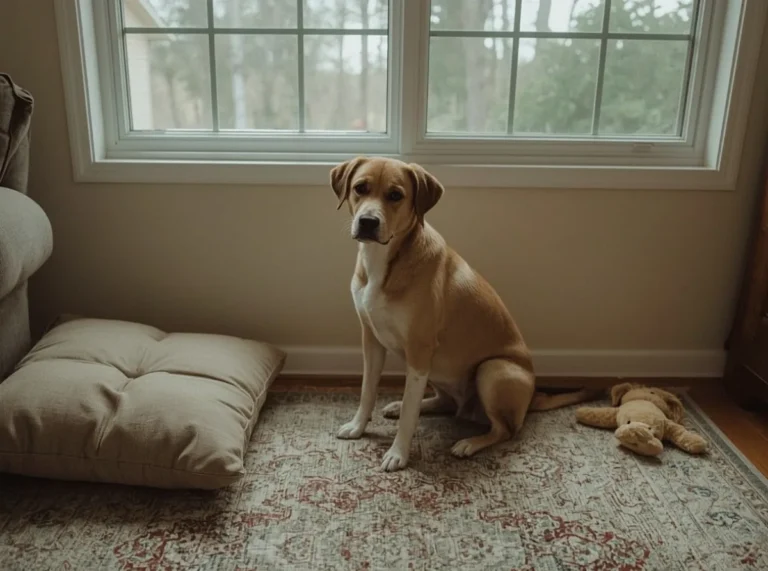
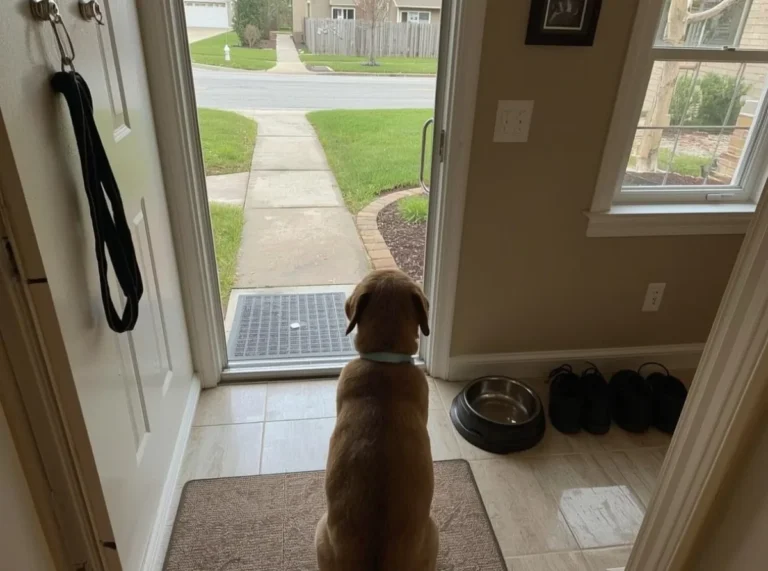
Dogs show this habit in a few recognizable ways. Some hover near the door when they think a walk is coming. Others bring toys, nudge hands, or stare toward the kitchen or leash area as if they are tracking the next event. A dog may also refuse to fully curl up until after a routine activity has happened.
In some homes, the pattern is easy to spot because the dog has a clear sequence in mind. Breakfast, potty break, walk, rest. Play, water, chew, nap. The dog may not be rigid about the order, but the general shape of the day matters.
Here is what it can look like:
- Restless movement before a walk or meal
- Following people from room to room instead of lying down
- Holding a “watchful” posture even while on a bed or sofa
- Settling quickly after the expected activity happens
- Becoming more relaxed once the household noise drops
Sometimes the dog seems awake and waiting, not because of anxiety alone, but because the day feels unfinished. That unfinished feeling can delay rest.
Why dogs may wait before relaxing
Dogs are creatures of pattern. They learn fast when certain events regularly happen in a predictable order. If a dog has learned that the walk comes before the nap, the body may stay prepared until the walk happens.
That expectation is not always conscious in the human sense. It is more like an internal checklist. Until the known part of the day is complete, the dog may not fully shift into rest mode.
Other dogs seem to need movement before they can mentally slow down. A short sniffing walk, a round of tug, or a chance to explore the yard can help them release built-up energy. After that, their body no longer feels like it has unfinished business.
For many dogs, activity is not the opposite of relaxation. It is the path that leads to it.
That is why some dogs look more settled after they have been exercised, fed, or given a chance to investigate the environment. Their nervous system seems to register that the day is in order.
Internal reasons behind the delay in relaxation
One reason dogs wait to relax is simple anticipation. A dog that expects something rewarding may stay ready for it. Waiting near the leash, for example, can be less about impatience and more about learned timing.
Another reason is arousal. Dogs can become mentally activated by sounds, motion, visitors, meal prep, or their owner’s routines. Even pleasant excitement can keep them from winding down. A dog may want to rest, but the body still feels turned on.
Some dogs are naturally more sensitive to changes in the environment. They notice footsteps, doors, cabinets opening, or people shifting around the house. That sensitivity can make it hard to settle until the environment becomes predictable again.
There is also the matter of attachment. Many dogs track their people closely because social connection matters to them. If the family is moving, active, or preparing for something, the dog may stay engaged simply to remain included.
Common internal influences
- Anticipation of a routine event
- Leftover excitement from play or exercise
- Sensitivity to noise or movement
- Strong interest in social routines
- Difficulty shifting from alert to rest state
These factors often overlap. A dog can be both excited and watchful, or both tired and reluctant to settle until the day’s sequence feels complete.
How routine shapes the behavior
Routine is one of the biggest reasons dogs wait for activity before relaxing. Dogs notice patterns in ways many owners do not expect. If the same event often happens before a nap, the dog may begin to treat that event as part of the relaxation process itself.
A household with regular walks, scheduled meals, or consistent play times can produce very predictable behavior. The dog may learn to relax only after those markers have passed. In that sense, the activity becomes a signal: now it is safe to rest.
In homes with less structure, the pattern can look different. The dog may stay more alert for longer periods because the day does not have clear signals. Without those cues, some dogs keep monitoring instead of settling.
Routine can also work in subtle ways. For instance, if the family usually sits down to watch TV after dinner, the dog may not truly relax until everyone is seated and the home becomes quieter. The shift is not just about time. It is about the recognizable rhythm of the household.
How stimulation influences the need to wait
Dogs living in busy environments often delay relaxation because the environment keeps feeding them information. People moving around, appliances running, visitors arriving, children playing, and windows facing active streets can all keep the dog’s attention engaged.
Even positive stimulation can have this effect. A lively walk through the neighborhood, a game of fetch, or meeting another dog can leave a dog energized for a while. The body may need time to come back down before deep rest feels possible.
On the other hand, some dogs need enough stimulation before they can relax at all. A dog that has been underexercised or under-engaged may remain restless, not because it has too much energy in the moment, but because its mental needs have not been met.
This is one reason the same behavior can mean different things in different homes. One dog waits because the house is too exciting. Another waits because the day has not offered enough productive activity to make rest feel complete.
A dog that seems unable to relax may be telling you that the balance between stimulation and quiet is off.
Emotional states that can hide inside the pattern
Waiting for activity before relaxing does not always point to stress, but emotional state matters. A dog that looks calm can still be carrying tension in the body. Tight muscles, fixed staring, a stiff tail, or repeated repositioning can all suggest that the dog is not fully at ease yet.
Some dogs wait because they are mildly anxious about missing something. Others wait because they have learned that active moments usually lead to calm moments, so they are simply following a pattern. The outward behavior can look similar.
The difference often appears in the details. A dog that is relaxed while waiting may lie down, sigh, shift comfortably, and check in with the room occasionally. A dog that is not relaxed may hover, scan, and struggle to keep still.
Signals that suggest the dog is ready to settle
- Loose body posture
- Slow blinking or soft eyes
- Turning away from stimulation
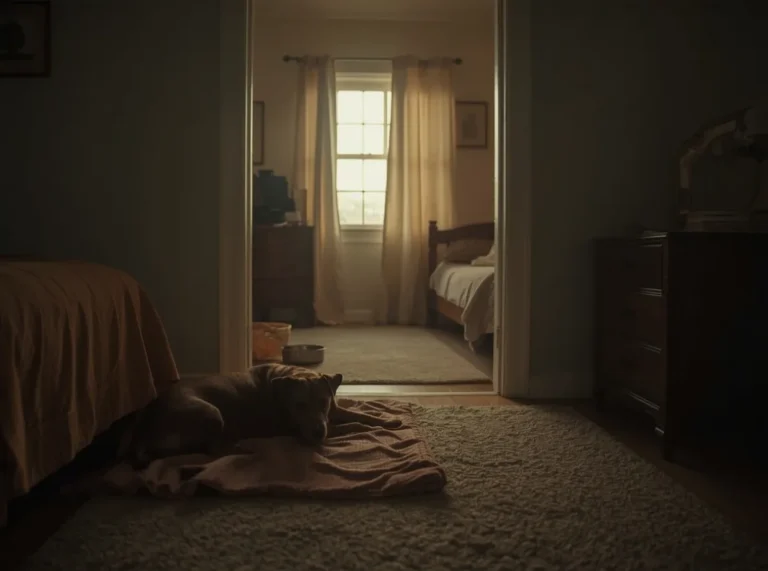
- Choosing a bed or quiet corner
- Deeper, even breathing
Signals that suggest the dog is still waiting
- Standing instead of lying down
- Frequent repositioning
- Intense focus on doors, hands, or food areas
- Stiff legs or lifted posture
- Interrupting rest to check the environment again
The emotional layer matters because it shapes whether the dog is simply patient or genuinely unable to relax.
Why some dogs need activity before they can settle
For many dogs, activity is a bridge between alertness and rest. Walking, sniffing, chewing, or playing can satisfy a set of needs that would otherwise keep the dog mentally occupied. Once those needs are met, the dog can let go.
Sniffing is especially powerful. A dog that gets to investigate the world through smell often calms down more effectively than a dog that only gets a fast, physical outing. That is because sniffing helps organize attention and reduce the urge to keep scanning the house.
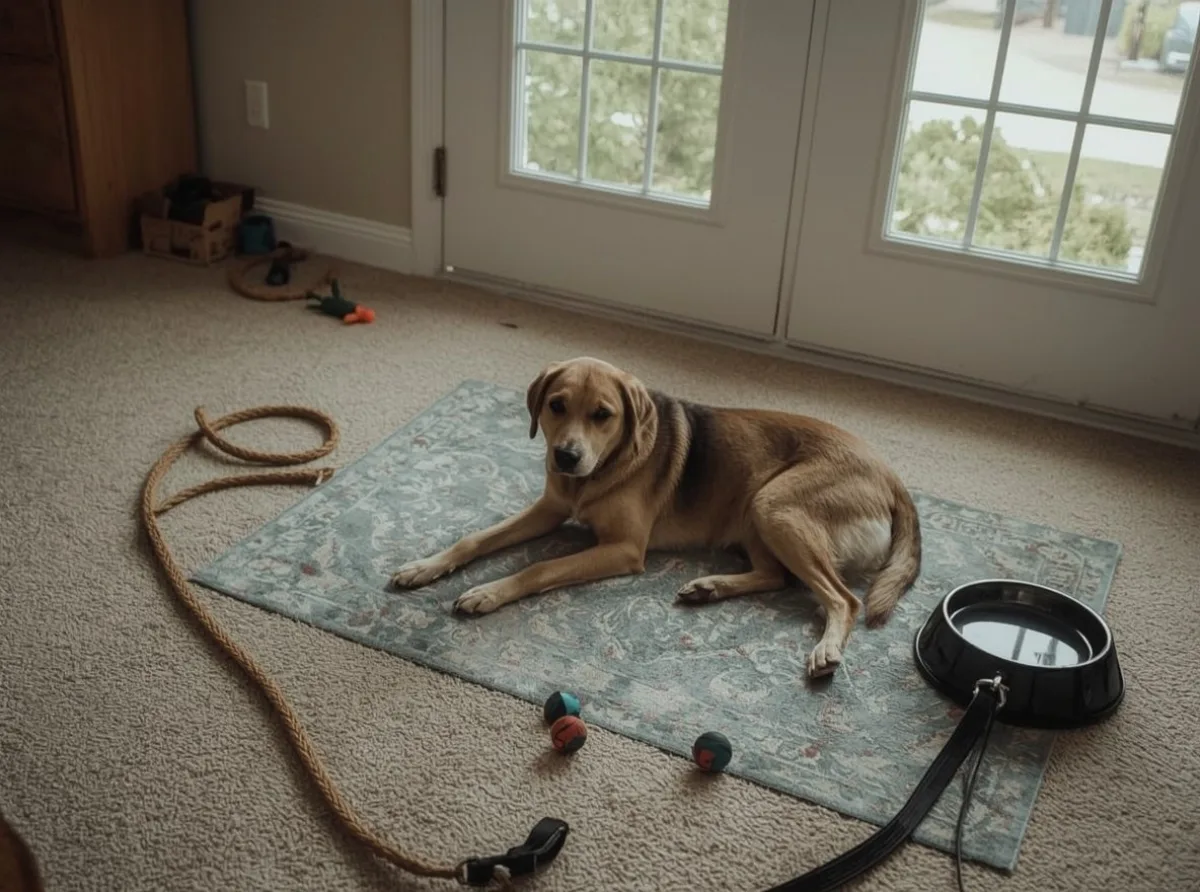
Chewing can also support relaxation. It gives the dog something steady and absorbing to do, which can help the nervous system shift out of waiting mode. Some dogs settle fastest after a chew session or a food puzzle because the activity feels complete.
Physical exercise matters too, but not in a one-size-fits-all way. A high-energy dog may need a long walk or a good game to truly feel ready for rest. A calmer dog may need much less, and too much stimulation can make settling harder, not easier.
Different household settings, different timing
A quiet household often makes the pattern easier to read. There may be a clear moment when the dog decides the day’s activity is over and relaxation can begin. In a busy household, that moment can be delayed because something is always happening.
Dogs in multi-person homes may wait for several cues before relaxing. They may watch for the last person to sit down, the last dish to be put away, or the hallway to go quiet. The house itself becomes a set of signals.
In homes with children, the dog may remain in a holding pattern until the noise lowers. In apartments or urban spaces, outside activity can keep the dog watchful even inside. A dog may appear to wait for “activity” when what it really needs is a break from incoming stimulation.
Even the time of day affects the pattern. Some dogs are more likely to settle after evening routines because the house naturally becomes slower. Others relax best in the middle of the day, once morning tasks are finished and the environment is stable.
When the behavior becomes more noticeable
There are moments when this habit stands out more strongly. Before a walk, after visitors arrive, around meal times, and during household transitions are common examples. Dogs often resist relaxing when they believe change is about to happen.
It can also become more obvious after a missed routine. If a dog is used to a morning walk and it does not happen, the dog may stay alert longer than usual. The same thing can happen when a regular play session is skipped.
Changes in weather, schedule, or household noise can make the pattern stronger too. A dog that normally settles easily might wait for activity if the usual cues are missing or if the day feels unfamiliar.
When the dog’s day loses its usual shape, relaxation often takes longer to arrive.
How owners often interpret the behavior
Many owners assume a dog that does not relax must be bored, stubborn, or overly energetic. Sometimes that is partly true. But often the dog is responding to a cue-rich environment or a learned expectation, not simply “refusing” to calm down.
Another common misunderstanding is thinking the dog is always asking for more exercise. A dog that waits for activity before relaxing may need more structure, not just more movement. In some cases, a gentler routine or clearer daily pattern helps more than adding another long outing.
Owners also sometimes miss how much anticipation affects a dog’s behavior. If the dog has learned that something enjoyable usually happens next, staying alert becomes a habit. The dog is not being difficult. It is following what has worked before.
What the behavior may actually be telling you
When a dog waits for activity before relaxing, the message is often about timing, predictability, or mental readiness. The dog may be saying that it needs a known event to happen before it can let go. Or it may be telling you that the environment still feels too active for sleep.
In a calmer sense, the behavior can show that the dog is well attuned to household rhythms. It knows when things happen. It is tracking those patterns closely. That awareness can be useful, but it can also keep the dog in a state of alert expectation longer than necessary.
Understanding the message does not require reading too much into one moment. It means noticing the broader pattern across the day. Does the dog relax after exercise, after sniffing, after meals, after the house quiets, or after a specific person sits down? Those details matter.
Patterns that help explain the behavior over time
Long-term observation usually reveals that this habit is not random. Some dogs do it every day at about the same time. Others do it only when the household is busy or when they have missed an important routine.
Age can influence it too. Younger dogs often need more activity before they seem satisfied enough to rest. Adult dogs may become more predictable and settle into a stable pattern. Older dogs might still wait for routine cues, but for different reasons, such as increased sensitivity to change or a stronger preference for familiar structure.
Breed tendencies can shape the pattern as well, especially in dogs bred for work, herding, guarding, or high engagement. These dogs often stay mentally linked to the environment and may have a harder time dropping into relaxation without a clear transition.
Patterns worth noticing
- Does the dog settle faster after physical exercise or after sniffing?
- Does the behavior happen more in busy rooms than quiet ones?
- Does the dog relax sooner after meals, or after play?
- Is the waiting short and calm, or prolonged and tense?
- Does the behavior change with schedule disruptions?
These patterns often tell a more accurate story than a single day ever could.
Natural instincts behind the habit
At a deeper level, dogs are built to stay aware of what is happening around them. Waiting before relaxing can reflect that instinct. In the wild, being too quick to relax could mean missing important information. Even in a home, that old habit of staying alert can remain active.
That does not mean the dog is always in survival mode. It means the reflex to monitor the environment can remain strong, especially when something important seems likely to happen. Food, movement, social contact, and outdoor access all fit into that category.
Dogs also tend to respond to social timing. If their people are active, they may feel that they should be active too. If the family is still up and moving, the dog may keep waiting for the “real” quiet time to begin.
This combination of instinct, learning, and social awareness helps explain why relaxation sometimes feels delayed. The dog is not simply tired or not tired. It is deciding, through its own built-in system, when it is finally safe or appropriate to stop watching.
When the pattern is healthy and when it deserves attention
Waiting for activity before relaxing is often normal. It can be a sign of a dog that knows the household rhythm and likes to complete the day in order. Many dogs simply settle better after movement, and that is perfectly ordinary.
It deserves closer attention when the dog seems unable to relax at all, even after the expected activity has happened. If the body stays tense, the dog paces repeatedly, or the pattern becomes more intense over time, the issue may be less about routine and more about discomfort, stress, or unmet needs.
Changes matter here. A dog that used to settle easily but now waits anxiously may be reacting to a shift in schedule, environment, or emotional state. The pattern itself is not the concern so much as the change in its quality.
A calm wait looks different from a tense wait, even if the dog is doing the same basic thing.
That difference can be subtle, but it is often the key to understanding whether the dog is merely following a rhythm or struggling to find one.
A natural part of living with a dog
Many dogs do not relax on a clock. They relax after a sequence. A walk, a game, a sniff around the yard, a meal, a chew, or even the end of a noisy household moment can be what finally lets the body soften. The pause before rest is often just the dog finishing its mental inventory of the day.
When that pattern appears, it usually makes more sense to think in terms of transition rather than resistance. The dog may be moving through its own internal steps before it can truly let go. Once those steps are complete, relaxation often comes naturally and without fuss.
That is why some dogs look like they are waiting for activity before they relax. In many cases, they are not waiting for permission. They are waiting for the day to feel complete.