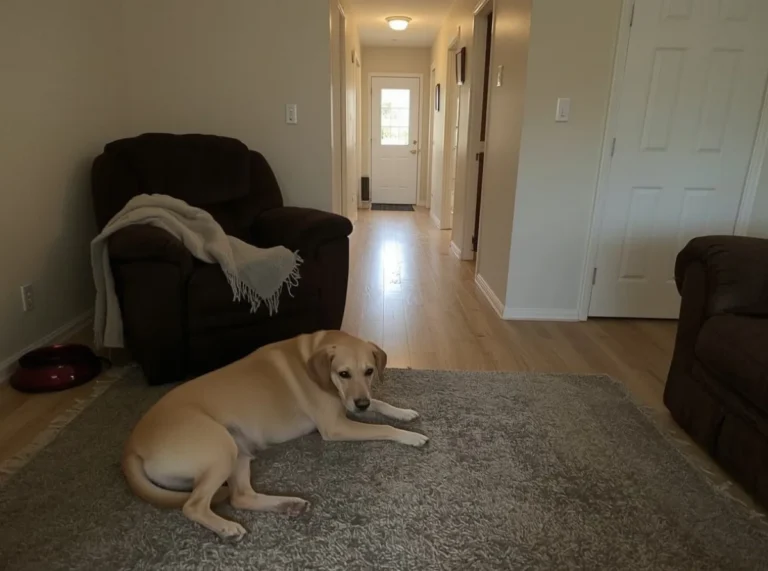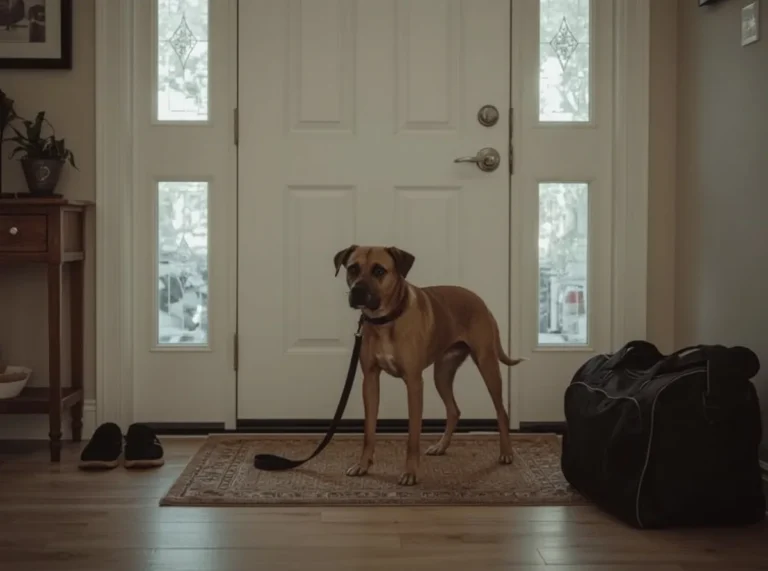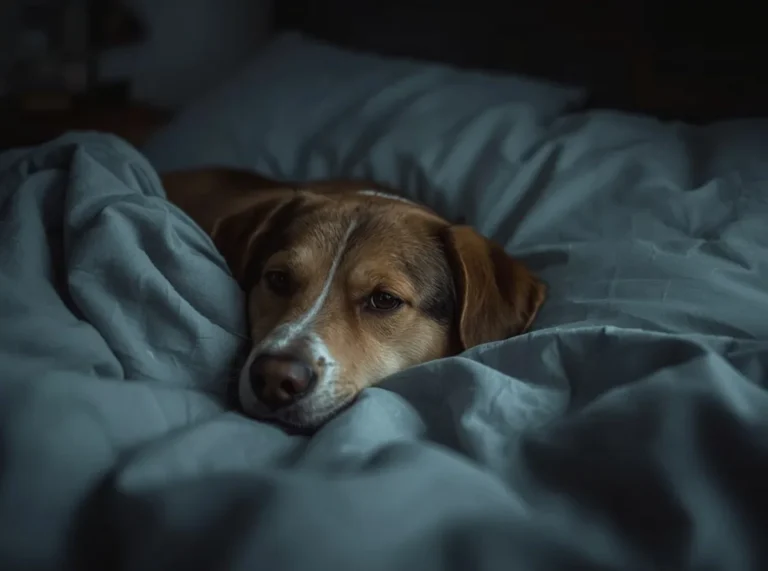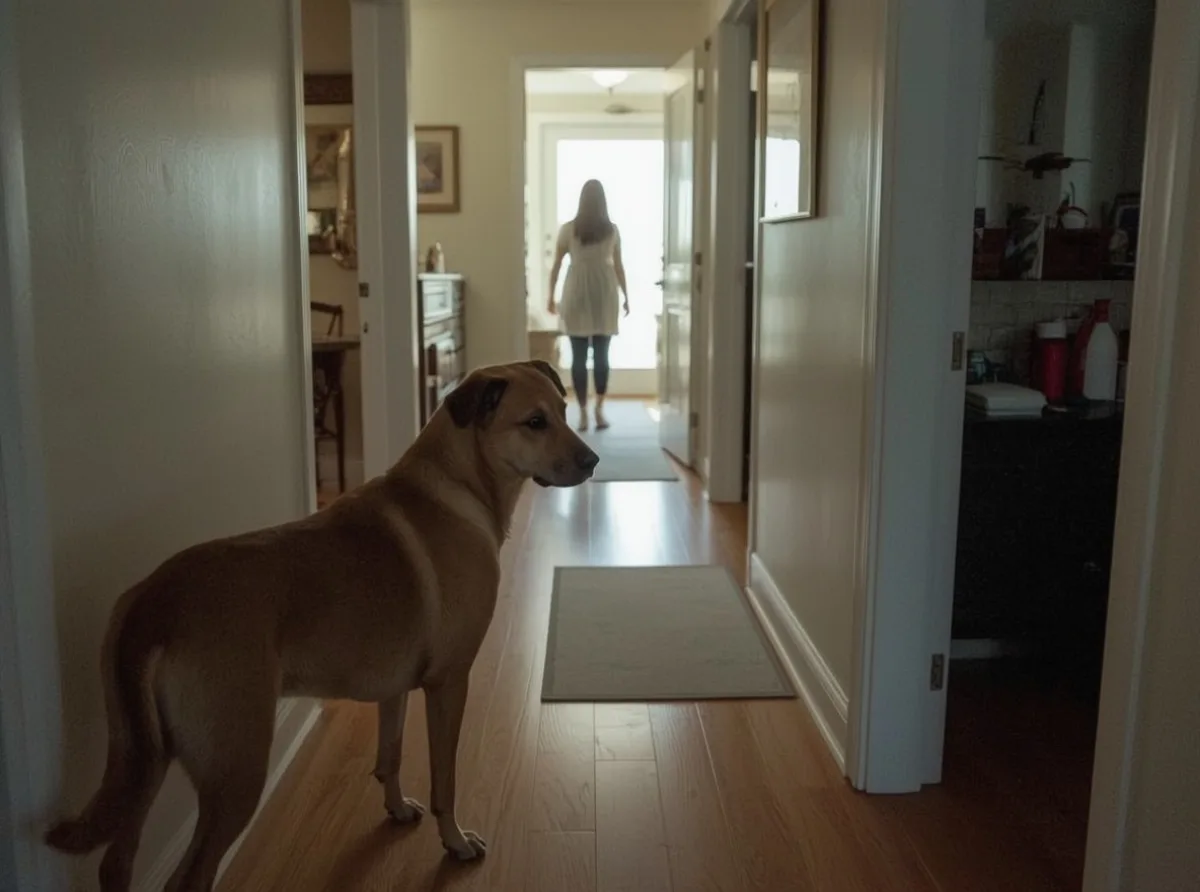
Some dogs seem to keep a quiet mental map of their owner’s location at all times. They glance toward the kitchen when you move rooms, follow you with their eyes from the couch, or appear in the doorway a few seconds after you leave. It can look almost mysterious at first, but for many dogs this behavior is a normal part of how they stay connected to the person they trust most.
That constant checking is not always about neediness or worry. Sometimes it is simple social awareness. Sometimes it comes from habit. In other cases, it reflects a dog’s sensitivity to routine, movement, or small changes in the home. The same behavior can mean very different things depending on the dog, the environment, and what is happening around them.
When a dog repeatedly checks where their owner is, they are often collecting information. They want to know whether you are near, what you are doing, and whether anything in the home has changed. That can be rooted in attachment, caution, curiosity, or a learned pattern that has been reinforced over time.
What constant owner-checking looks like in everyday life
In a typical home, this behavior can be easy to miss because it often appears in small moments. A dog may lift their head every time you stand up. They may move from room to room without fully settling. Some dogs quietly place themselves where they can keep you in view, even if they are not touching you or asking for attention.
Other dogs check in more actively. They may walk past you during the day, then circle back to see where you are going. They may peek around corners, wait outside a bathroom door, or follow the sound of your footsteps rather than resting in another room. These dogs are not always anxious. Sometimes they are simply very tuned in to your movement patterns.
What makes this behavior stand out is repetition. A dog who occasionally glances toward you is normal. A dog who seems to monitor your position throughout the day, especially in a calm and deliberate way, is showing a stronger pattern of observation. The behavior may be subtle, but it tends to be consistent.
Common ways it shows up
- Following you from room to room without needing direct interaction
- Watching your movements closely, even while resting
- Positioning themselves where they can see doors, hallways, or stairs
- Getting up when you stand, even if nothing else changes
- Checking one room, then returning to you or your usual spot
- Waiting nearby rather than sleeping far away
Some dogs do this constantly, while others only do it at certain times of day. The pattern often becomes clearer once you notice when it happens most. A dog may be more watchful in the evening, after a walk, during mealtimes, or whenever the household becomes quieter.
Why some dogs develop the habit of checking on their owner
One of the most common reasons is attachment. Dogs are social animals, and many naturally stay aware of the person who provides safety, food, and structure. For some dogs, being able to see their owner is comforting in the same way a familiar routine is comforting. They do not need constant interaction, but they do want location awareness.
Another reason is learned behavior. If a dog has noticed that following or checking on you leads to attention, treats, praise, or movement to something enjoyable, the habit can strengthen quickly. Dogs are excellent pattern learners. Even a small response from an owner, like speaking to them or petting them after they appear in the doorway, can help reinforce the checking behavior.
Some dogs are simply more alert than others. Certain breeds and individual personalities are more observant of motion and environmental changes. These dogs may not be especially clingy, but they are highly aware of where people are and what they are doing. Their checking behavior can be part of a broader tendency to track activity around them.
When a dog repeatedly checks where their owner is, the behavior often reflects awareness first and anxiety second. The meaning depends on the rest of the dog’s body language.
Temperament matters too. A calm, steady dog may check on their owner without any tension at all. A more sensitive dog may do the same thing, but with signs of uncertainty, especially in unfamiliar settings or during routine changes. The outward action can look similar while the internal reason is completely different.
The emotional reasons behind the behavior
Dogs are deeply social, and many build their sense of security around predictable access to their favorite person. That does not automatically mean they are insecure. It can simply mean they rely on proximity as part of how they relax. Checking where you are may be the dog’s way of making sure everything is still in place.
For some dogs, this behavior is about reassurance. They may feel better when they know you are nearby, especially if the house is busy, noisy, or full of unfamiliar activity. The check-in can be brief and practical. A quick look, a little repositioning, and then back to resting.
For other dogs, the behavior may reflect mild uncertainty. They may have a stronger preference for your presence when they are tired, when guests are over, or when their routine changes. In those moments, checking your location can help them regulate themselves. It is not necessarily a problem. It is a coping strategy.
There is also the simple reality that some dogs are more socially bonded than others. They pay close attention to the movement of the family because being near the social group feels natural. These dogs often want to know where you are not because they are distressed, but because they are following their normal instinct to stay connected.
Emotional states that may be behind the behavior
- Comfort and attachment
- Curiosity and social tracking
- Anticipation of activity, such as walks or meals
- Mild uncertainty during changes in routine
- Heightened sensitivity to movement or sounds
Not every dog expresses attachment in the same way. Some are openly affectionate. Others are more quiet and watchful. A dog that checks on you often may be saying, in their own way, that your presence matters to them and helps organize their world.
Body language that helps explain what the checking means
The action itself does not tell the whole story. A dog who checks your location with a loose body, soft eyes, and an easy tail posture is likely feeling comfortable. They may glance your way, then settle back down or continue their own activity. The behavior looks attentive, but not tense.
When the checking is paired with restlessness, the meaning shifts. Pacing, whining, pinned ears, repeated door watching, or difficulty settling can point to stress or uncertainty. In those cases, the dog is not just staying aware of you. They may be struggling to relax without confirming your presence.
A dog who quietly follows and then lies down nearby is different from a dog who seems unable to break focus. The first may simply prefer closeness. The second may be watching more intensely because they are less comfortable with separation, noise, or unpredictability.
Signals that suggest calm interest
- Loose muscles and an easy gait
- Soft eyes with brief glances
- Normal breathing and relaxed posture
- Ability to settle after checking
- Interest in resting nearby without hovering
Signals that suggest tension or worry
- Stiff body or frozen posture
- Whining, barking, or frequent vocal checking
- Following that becomes frantic or urgent
- Difficulty lying down or staying put
- Repeatedly searching rooms with little ability to relax
These differences matter because they help separate a normal social habit from a pattern that may need more support. The same glance toward the hallway can mean “I know where you are” or “I’m not comfortable until I confirm you’re there.” The surrounding body language gives that clue away.
How routine and environment shape the behavior
A dog’s home environment can make this habit stronger or weaker. In a quiet house with predictable movement, many dogs become expert at tracking where their owner is simply because there is not much else to monitor. Every footstep is noticeable. Every room change stands out. The dog may learn to keep a gentle eye on you because your movement is one of the main events in the house.
In a busier household, the behavior may show up differently. A dog might check on their owner more often when children are active, when visitors are present, or when several people are moving around at once. In a crowded environment, monitoring one familiar person can feel stabilizing. It gives the dog a reference point.
Routine also matters. Dogs are quick to notice patterns like morning coffee, computer time, meal prep, evening walks, and bedtime. If your movements often predict something important, the dog learns to pay attention. They may not be checking in out of concern. They may simply be tracking the next event in their day.
Dogs that receive a lot of stimulation may check their owner less because they are busy with other activities. Dogs with limited stimulation may check more because there is less competing interest. In both cases, the behavior is shaped by how much the dog has to engage with in the environment.
A dog that constantly checks where the owner is may be responding to routine, household activity, and learned expectations as much as to emotion.
When the behavior appears most often
Certain moments make owner-checking much more noticeable. One of the biggest triggers is transition. Dogs often become more watchful when people shift from one activity to another, such as getting up from the couch, moving from room to room, or preparing to leave the house. These in-between moments are rich with information, and dogs notice them quickly.
Meal times are another common trigger. If your dog has learned that kitchen movement means food, they may watch your location closely as soon as you start preparing something. The same thing can happen before walks, play sessions, or crate time. The dog checks because your position may signal what happens next.
Some dogs become more observant during quiet periods. When the house settles down, they may want to know where you are because fewer sounds are available to track you. Others become more watchful when something feels unusual, such as guests, storms, new furniture, a different work schedule, or a recent change in household members.
High-frequency check-in situations
- Before meals and walks
- When you move between rooms
- During household transitions, like waking up or winding down
- When visitors are present
- During storms or loud outdoor noise
- After changes in schedule or environment
The timing can tell you a lot. A dog who only checks when something exciting may happen is likely responding to anticipation. A dog who checks most during uncertainty may be seeking reassurance. A dog who checks all day long may simply have a strong habit of tracking their person.
How owner-checking differs across different dogs
Breed tendencies can play a role, but individual personality is usually more important. Some dogs are naturally more people-focused and use their owner as an anchor point in the home. Others are more independent and may only check in occasionally unless something unusual is going on.
Age matters too. Puppies often check on their people because they are still learning how the home works. They are building confidence and need to know where safety is. Adult dogs may do it because the habit has been reinforced over time or because it remains part of their social style. Older dogs may check more if their senses are changing or if they find comfort in maintaining visual contact.
Dogs with a history of uncertainty may also monitor their owner more closely. If a dog has experienced a lot of change, inconsistent routines, or multiple homes, they may watch their person carefully to feel oriented. That does not mean the dog is broken or distressed. It means they are reading the room and using their owner as a steady reference.
Different patterns can look similar on the surface
| Pattern | How it often looks | What it may mean |
|---|---|---|
| Relaxed checking | Brief glances, easy movement, calm settling | Social awareness and comfort |
| Habitual following | Dog moves with owner through the house | Learned routine or strong social preference |
| Reassurance seeking | Repeated searching, waiting, reluctance to relax | Mild insecurity or stress |
| Anticipation-based checking | More attention around meals, walks, or departures | Expectation of something meaningful |
These patterns can overlap. A dog may be relaxed most of the day and then become more watchful when the routine changes. That variation is common and often more informative than the behavior itself.
How owners often misread the behavior
It is easy to assume that a dog who keeps checking where you are must be anxious. Sometimes that is true, but often it is an overinterpretation. A calm, socially tuned dog may check on their owner because it feels normal to do so. They are not asking for help. They are staying connected.
The opposite mistake happens too. Some owners assume the behavior is harmless simply because the dog is not barking or acting upset. But if the checking is constant, tense, or paired with inability to settle, the dog may be showing a lower-level stress pattern that deserves attention.
Context matters more than the gesture alone. A dog who glances toward the bathroom door while lying on a rug is very different from a dog who paces the hallway until you return. One is monitoring. The other may be struggling to feel safe or relaxed.
Owner-checking should be read together with posture, timing, and the dog’s ability to settle afterward.
What this behavior can reveal about the dog–owner relationship
Dogs that constantly check where their owner is are often highly socially responsive. They pay attention to your location because your movement shapes their day. That can be a sign of trust, habit, and comfort all at once. In many homes, it is simply how a dog stays in sync with the person they live with.
At the same time, the behavior can reveal how much a dog depends on routine for emotional organization. A stable daily pattern gives many dogs confidence. When that pattern shifts, they may compensate by watching their owner more closely. The checking becomes part of how they interpret the world.
This is why the same behavior can feel endearing in one dog and concerning in another. The difference is not in the act of looking. It is in the way the dog carries themselves while they do it, how often it happens, and whether they can still rest, play, and move independently when needed.
Some dogs are naturally the sort who always want to know where their person is. They may be observant, loyal, and mildly supervisory by nature. Others develop the habit after a period of change or inconsistency. Either way, the behavior is usually a form of communication, even when it is quiet.
Why this habit can become stronger over time
Behavior that gets rewarded tends to stick. If every time a dog checks on you they get a warm greeting, a treat, a walk, or a burst of attention, the habit can become more frequent. Even small rewards count. For some dogs, simply hearing your voice when they appear in a doorway is enough to make the pattern stronger.
Environmental predictability can also sharpen the habit. If your dog has learned that your movement usually leads to something important, they will keep watching. Over time, some dogs become so fluent in household routines that they seem to know your next step before you take it. That is less about mystery and more about observation.
In some cases, the habit becomes more noticeable after a life change. Moving homes, shifts in work hours, a new pet, a baby in the house, or a change in the dog’s own health can all increase the need to check in. When the world feels less predictable, dogs often anchor themselves to the nearest reliable person.
Long-term patterns worth noticing
- Does the checking happen every day or only during specific events?
- Does the dog settle easily after checking?
- Has the behavior increased after a routine change?
- Does the dog remain calm when you are out of sight but nearby?
- Does the dog still enjoy independent rest and play?
Those questions help distinguish a stable social habit from a more stressful pattern. A dog that checks often but remains relaxed is expressing something very different from a dog who cannot disengage.
What it means when the behavior becomes intense
There is a point where owner-checking moves beyond ordinary awareness. If a dog becomes upset when they cannot see you, repeatedly searches the house, or seems unable to relax unless they confirm your presence, the behavior may point to separation-related stress or a broader discomfort with uncertainty. That is not the same as simple attachment.
In more intense cases, the dog’s checking may become directional and urgent. They may station themselves at doors, follow you with visible tension, or become vocal when they lose sight of you. The focus is less about companionship and more about maintaining contact or preventing separation.
Even then, the behavior should be understood in context. Some dogs are more sensitive, some are under-stimulated, and some are responding to a recent change in the home. The intensity of checking often reflects how much support the dog feels they need to stay calm.
When the pattern is mild, the dog may simply be a close observer. When it is strong, it may be a sign that the dog uses your location to regulate their emotional state. The difference is visible in how quickly they recover once they know where you are.
The quiet meaning behind a dog who always wants to know where you are
A dog that keeps checking on their owner is often doing something very ordinary from a canine point of view. They are mapping the household, tracking movement, and staying socially in step with the person who matters most in their daily life. Sometimes the reason is affection. Sometimes it is habit. Often it is both.
What matters most is the full pattern, not the glance itself. A relaxed dog who checks and moves on is showing a steady form of connection. A more tense dog who cannot stop checking may be asking for reassurance. The behavior becomes clearer once it is seen in the context of routine, body language, and the dog’s overall comfort in the home.
Dogs read the household with surprising precision. For many of them, knowing where their owner is helps make the world feel ordered. That small habit can tell you a great deal about how your dog experiences daily life, and why your presence is such an important part of it.