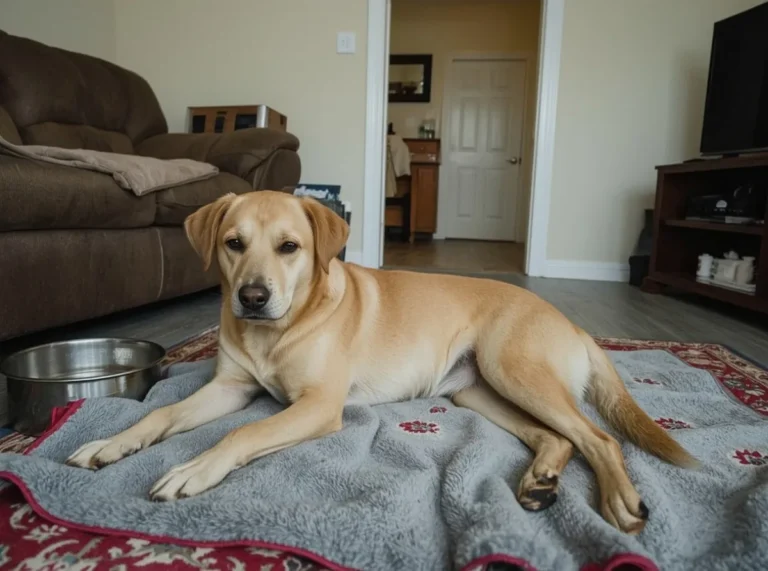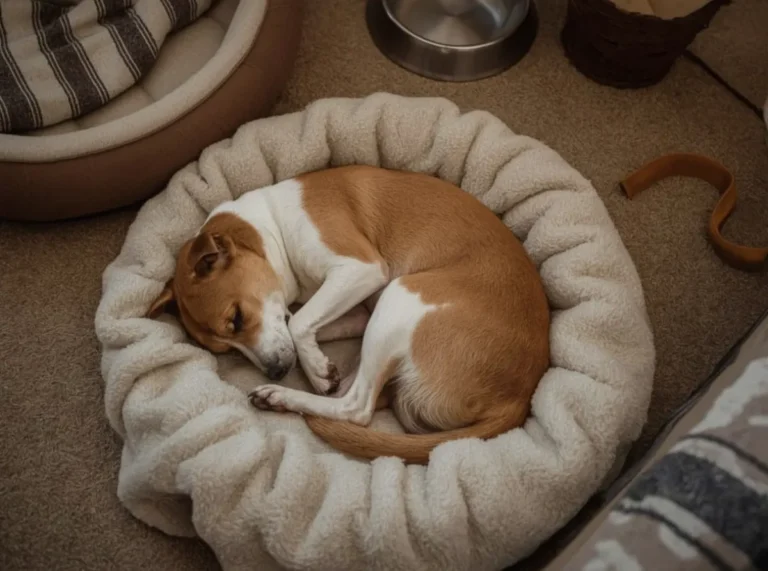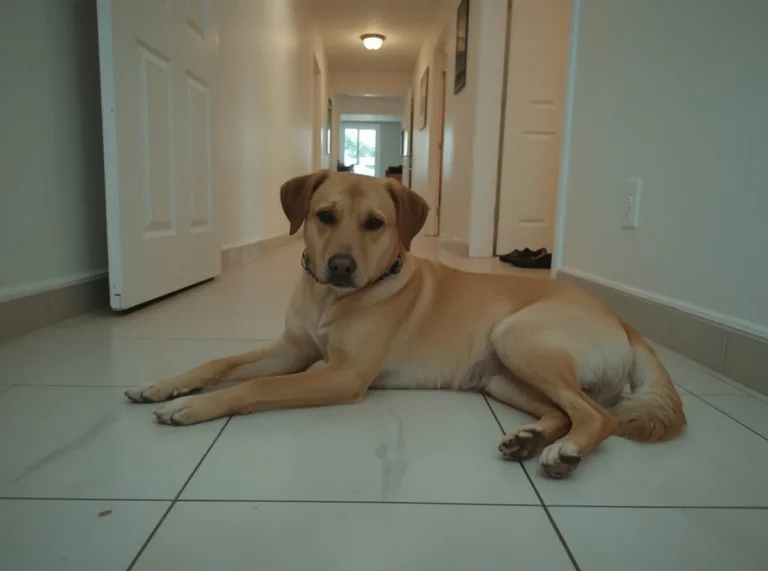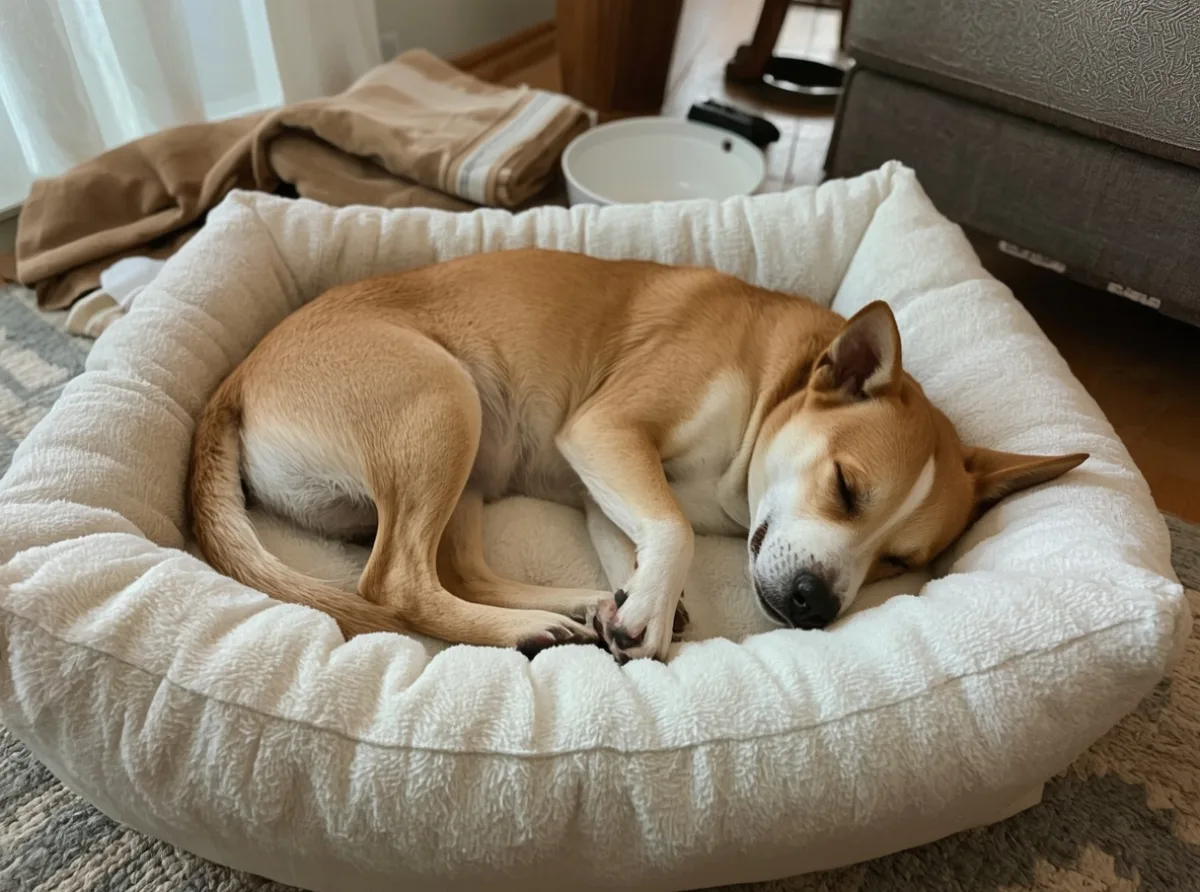
Dogs rarely stay in one position for long when they sleep. A dog may curl up tightly, stretch out flat, roll onto the other side, tuck the nose under a paw, then shift again a few minutes later. To many owners, that movement looks restless. Sometimes it is. Other times it is simply part of normal sleep behavior.
Repeated position changes during sleep can mean many different things. A dog may be trying to get comfortable, regulate body temperature, respond to a dream, or settle into a safer-feeling posture. The reason is not always obvious from one moment. The pattern matters more than a single shift.
What looks like “moving around a lot” can also be completely ordinary in a healthy dog. Sleep is not always still. In fact, dogs often cycle between light sleep, deeper sleep, and brief waking moments, and each stage can bring small movements. Some dogs are naturally more active sleepers than others.
What the behavior looks like in everyday life
Repeated position changes may show up in subtle ways. A dog may start the night stretched beside the couch, then curl into a donut shape after an hour, then switch to lying on the other side after dozing off again. Some dogs paw at the blanket, circle once or twice before settling, or readjust their hips several times before fully relaxing.
These movements are not always signs of a problem. A dog that sleeps in a room with shifting light, sound, or temperature may keep adjusting for comfort. A dog sharing a bed or sleeping near another pet may move simply to claim space. Even a soft bed can feel too warm, too firm, or too small after a while.
Owners often notice the behavior more at night because the room is quiet and every little movement stands out. During daytime naps, the same dog may change position many times without anyone paying attention. That difference in attention can make the pattern seem more dramatic than it really is.
Common visible patterns
- Rolling from one side to the other
- Changing from curled up to stretched out
- Repositioning the head, paws, or hips repeatedly
- Waking briefly, shifting, and falling back asleep
- Circling before lying down again
Some dogs also appear to “test” several spots before committing to sleep. That can happen on a couch, a dog bed, the floor, or even outside in the yard. Dogs do not always choose one sleep posture and stay there for hours the way people often do.
Frequent position changes are not automatically a sign of discomfort. The key question is whether the dog still appears relaxed, settles eventually, and sleeps well overall.
Natural reasons dogs keep changing position
One of the most common reasons is simple comfort. A dog’s body may start to feel stiff, warm, or pressure-sensitive after lying in one position for too long. Shifting the shoulders, hips, or spine can relieve that pressure. This is especially true for larger breeds, older dogs, and dogs that sleep on hard surfaces.
Temperature also plays a major role. Dogs regulate body heat partly through posture. Curling up helps conserve warmth, while spreading out helps release it. A dog may keep changing position because the room changes over the course of the night, or because the dog’s own temperature shifts after a period of sleep.
Light sleep can create more movement than deeper sleep. During lighter stages, dogs may partially wake, respond to sounds, and adjust their posture without becoming fully alert. This can look like restlessness, but it may simply be normal sleep cycling. Many dogs move more than people expect during these transitions.
Physical comfort factors
- Bed size that is too small
- Mattress or blanket that feels too warm
- Joint stiffness or soreness
- Pressure on elbows, hips, or chest
- Noise, drafts, or nearby movement
Some dogs are also instinctively cautious even in sleep. They may settle, shift, and resettle as part of an old behavioral pattern linked to safety. In the wild, canines did not always sleep deeply in one place for long stretches. Small position changes could help them remain alert while still resting. That instinct still shows up in many household dogs today.
Emotional and internal reasons behind the behavior
Sleep position changes are not only physical. Emotional state can influence them too. A dog that feels uncertain, overly alert, or mildly uneasy may not fully relax into one posture. The dog may keep adjusting as if trying to find the safest, quietest, or most controllable position.
This does not always mean severe anxiety. A dog can be only slightly on edge and still move a lot while sleeping. New environments, visitors, unfamiliar sounds, or changes in routine can all make sleep less settled. In those moments, the dog may remain in a light, responsive state instead of dropping into deep sleep right away.
Attachment can also play a role. Dogs that like to monitor their people may sleep near doorways, beds, or hallways and keep changing position to maintain awareness of the room. That behavior can look like concern, but often it is simply a blend of comfort and watchfulness. The dog wants to rest without losing track of what is happening nearby.
A dog that keeps repositioning while sleeping may be more alert than distressed. Emotional arousal, not just fear, can create motion during rest.
Subtle emotional clues to watch for
- Tense body even while lying down
- Frequent waking at small noises
- Ears that stay partly lifted
- Eyes opening often without fully relaxing
- Difficulty settling even in familiar spaces
If a dog changes position repeatedly but the muscles remain loose and the breathing stays steady, the behavior is less likely to be emotional strain. If the body looks tense, the dog startles easily, or sleep seems broken all night, then the behavior may point to unease. The overall pattern tells the story better than the movement alone.
How environment and routine influence sleep movement
Dogs are sensitive to their surroundings. A quiet home, a busy household, a new baby, a different work schedule, or even a change in sleeping location can all alter how a dog rests. Some dogs settle best when the environment is predictable. When that predictability disappears, sleep becomes lighter and position changes increase.
A dog that sleeps in a hallway may wake every time someone passes. A dog near a window may shift when headlights move across the room. A dog in a family bed may change positions more often because of human movement, blankets, and heat. The same dog might sleep more steadily in a crate, on a cooling mat, or in a quiet corner.
Daily activity matters too. Dogs that have had very little exercise or mental engagement sometimes seem fidgety even when tired. Their bodies are ready for rest, but their nervous systems are still carrying unspent energy. On the other hand, a dog that had a long, stimulating day may crash hard and still move around during lighter sleep stages as the body works through recovery.
Environmental triggers that can increase repositioning
- Room temperature rising or dropping
- Too much noise from people, appliances, or traffic
- Changes in bed location or bedding texture
- Household schedule changes
- New pets or frequent visitors
Routine plays a quiet but important role. Dogs often sleep more consistently when mealtimes, walks, and bedtime cues stay familiar. When those patterns shift, even slightly, sleep can become less settled. The dog may not seem overtly stressed, but repeated repositioning can show that the body is not fully letting go.
When it may be linked to discomfort or health issues
Not every restless sleeper is simply sensitive to the environment. Sometimes repeated position changes point to physical discomfort. Dogs with arthritis, hip pain, spine stiffness, digestive upset, or skin irritation may struggle to stay in one place for long. They adjust, then adjust again, because no position feels quite right.
Breathing issues can also affect sleep posture. A dog that is overheating, congested, or struggling to breathe comfortably may keep shifting to find a better angle. Some dogs prefer sleeping with the head elevated or stretched out when breathing feels less easy. The position changes may seem random, but they can follow a physical pattern.
Dogs in pain often show other clues beyond sleep movement. They may hesitate to lie down, stand up stiffly, lick a sore area, or seem less eager to jump onto furniture. They may also sleep more lightly and wake with small sounds. If the repeated repositioning appears alongside these signs, pain becomes more likely.
Signs the behavior may deserve attention
- Whining, panting, or sighing while trying to rest
- Difficulty lying down or getting back up
- Stiff movement after naps
- Restless nights that are new or getting worse
- Repeated turning paired with visible tension
A dog that has always been an active sleeper is different from a dog that suddenly starts moving around all night. Change matters. A new pattern can signal discomfort, especially if the dog is also less playful, less hungry, or less willing to exercise. Sleep behavior often reflects what the dog is feeling during the day.
How age influences sleep position changes
Age changes the way dogs sleep. Puppies often move a lot because their sleep is still developing and their bodies are growing quickly. They may flop, roll, twitch, wake, and resettle many times in a short period. That movement is often normal and connected to immature sleep patterns.
Adult dogs usually settle more efficiently, but they still move if the bed is too warm, the surface is uncomfortable, or a dream interrupts rest. Mature dogs may become a little more particular about where and how they sleep. Their changes in position are often tied to comfort and physical ease rather than pure energy.
Senior dogs deserve special attention. They may change positions frequently because joints ache, muscles are stiff, or it takes effort to find a spot that does not hurt. Some older dogs also struggle to enter deeper sleep and keep shifting in short cycles. The movement can look mild, but the reason may be more practical than behavioral.
Sleep patterns across life stages
| Life stage | Common sleep movement pattern | Possible reason |
|---|---|---|
| Puppy | Frequent flopping, twitching, repositioning | Immature sleep cycles, growth, high recovery needs |
| Adult | Occasional shifting, usually settles well | Comfort, temperature, routine, mild alertness |
| Senior | More frequent readjustment, difficulty staying still | Joint stiffness, discomfort, lighter sleep |
Aging does not automatically make movement a problem. Many older dogs simply need better bedding, easier access to sleep spots, or a quieter place to rest. Still, a change from stable sleep to frequent repositioning can be one of the earliest signs that the body is less comfortable than before.
What owners often misread
Owners sometimes assume a dog that keeps moving during sleep is having a bad dream, is nervous all the time, or is being unusually needy. Those explanations can be true in some cases, but they are not the first thing to assume. Sleep movement alone does not reveal the whole picture.
Another common misunderstanding is to treat all shifting as a sign of poor behavior or lack of training. Sleep is not a training issue. Dogs do not choose their sleep posture the way they choose whether to sit, stay, or come when called. The behavior often reflects comfort, temperature, or internal state far more than obedience.
It is also easy to miss how much the sleeping environment contributes. A dog may appear restless on one bed and calm on another. That difference can tell you a great deal. Sometimes the answer is as simple as better support, less heat, or a quieter location.
Repeated sleep movement becomes meaningful when it changes the dog’s overall rest. If the dog wakes refreshed, eats normally, and moves comfortably during the day, the repositioning may be ordinary.
How to read the behavior in context
The best way to understand repeated position changes is to look at the whole dog. Observe what happens before sleep, during sleep, and after waking. Does the dog settle eventually? Does the dog sleep through most of the night? Does it wake rested and eager to move around? Those details matter more than the number of times the dog shifts.
It helps to compare sleep on different surfaces. Some dogs rest well on a thick bed but fidget on the floor. Others prefer firm ground and constantly reposition on soft bedding. A dog that moves a lot in one setting may become far calmer in another. That pattern points more toward comfort than behavior problems.
Also notice whether the behavior is stable or new. A longtime active sleeper is often just that. A dog that suddenly begins repositioning repeatedly, especially with panting, trembling, limping, or increased waking, may need a closer look. New sleep changes rarely happen without a reason.
Useful questions to ask
- Has the bed, room, or routine changed recently?
- Does the dog seem warm, stiff, or uncomfortable?
- Is the repositioning constant or only occasional?
- Does the dog settle after a short time?
- Are there other changes in appetite, energy, or mobility?
These questions help separate normal sleep movement from patterns that deserve more attention. Dogs rarely explain themselves directly, but their habits usually point toward a cause if you watch long enough. The sleeping pattern is one piece of that larger picture.
Why some dogs are simply more active sleepers
Just as people have different sleep styles, dogs do too. Some dogs are deeply still, while others are natural wrigglers. Breed tendencies, size, age, coat type, and individual temperament can all influence how much a dog moves during sleep. A lean dog with short hair may seek warmth and shift often, while a thick-coated dog may keep rotating to stay cooler.
Personality matters as well. Dogs that are highly observant during the day may remain somewhat responsive at night. Dogs that are especially relaxed may sink into deeper sleep and move less. Neither pattern is automatically better. They are simply different sleep habits.
Some dogs have learned that multiple sleeping spots are available and change positions because the household allows it. They may start on the rug, move to the couch, and end up near the bedroom door before morning. That kind of movement can be part preference, part habit, and part comfort-seeking.
A dog that changes position repeatedly during sleep may not be “bad at sleeping.” It may just have a sleep style shaped by body type, comfort needs, and household environment.
When the pattern deserves closer observation
Repeated repositioning becomes more important when it is paired with clear discomfort or a noticeable change from the dog’s usual habits. If the dog cannot seem to stay comfortable, wakes often, or looks tense while trying to rest, the behavior is telling you something. The same is true if the movement starts suddenly after an injury, illness, or change in routine.
It is worth paying attention when the dog also seems unusually tired during the day, reluctant to exercise, or sensitive to touch. Sleep should help the body recover. If rest is fragmented, the dog may not be getting what it needs from that time. The issue may be a matter of environment, or it may be tied to a physical condition that needs care.
Still, many dogs that move around a lot while sleeping are perfectly fine. They simply have more active sleep habits, greater heat sensitivity, or a stronger need to adjust for comfort. Watching the full pattern over several days usually gives a clearer answer than reacting to one restless night.
The behavior is easiest to understand when seen in context: the bed, the room, the dog’s age, the day’s activity, and the dog’s overall comfort level. Once those pieces are considered together, repeated position changes usually stop looking mysterious and start looking like a meaningful part of ordinary dog life.