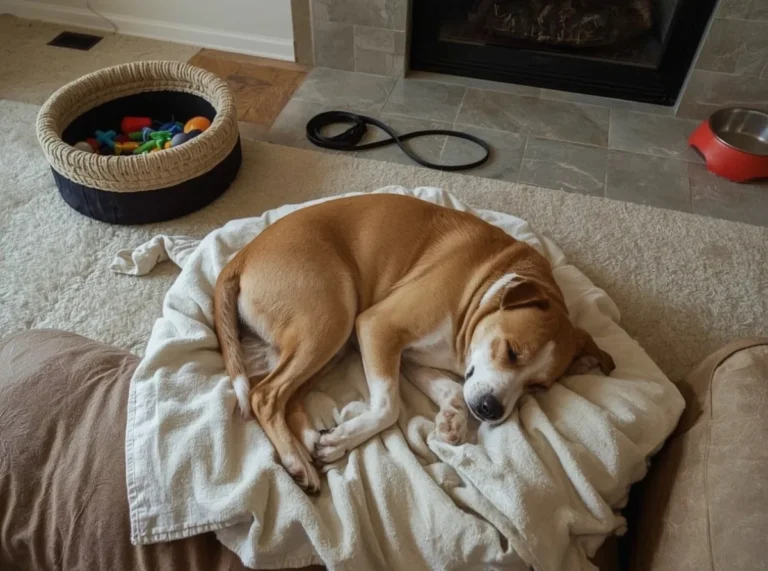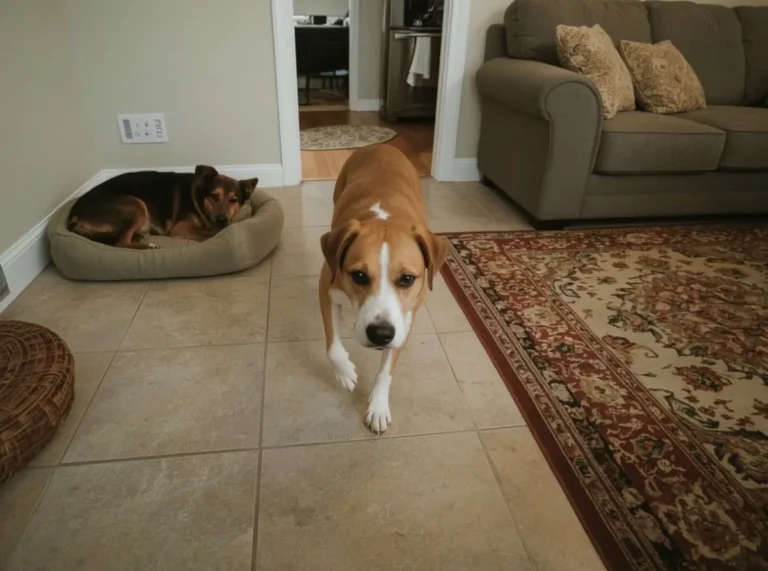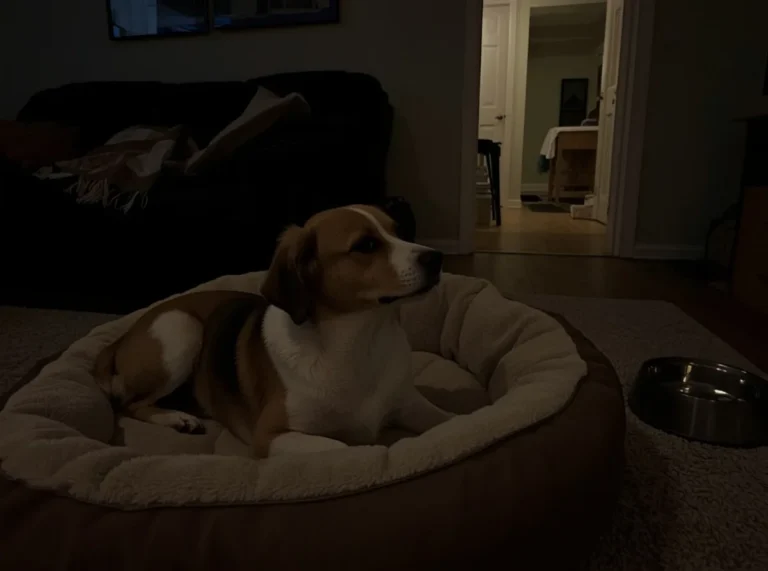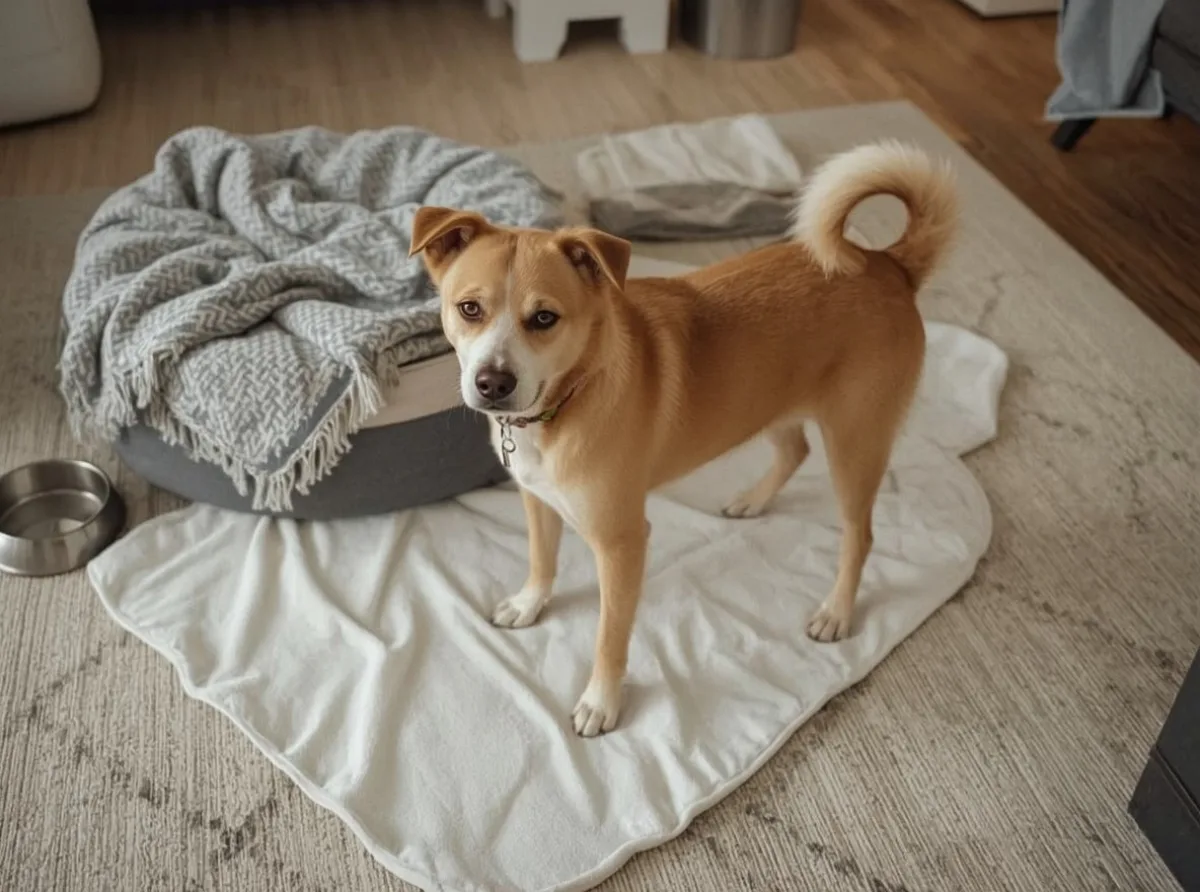
A dog that walks in a small circle before settling down can look almost thoughtful, as if it is checking the room one last time before giving in to sleep. The movement is so familiar that many owners barely notice it until it becomes more deliberate, slower, or repeated several times. Then the question comes up: why do dogs circle before finally lying down?
The answer is usually a mix of instinct, comfort, habit, and momentary alertness. Some dogs do it once and drop right into a nap. Others circle the bed, the couch, the rug, or even the floor as if the perfect spot still needs to be confirmed. In most cases, the behavior is normal. It can still tell you something useful about what your dog is feeling and what kind of environment they are trying to settle into.
What looks like a simple bedtime routine often has deeper roots. Dogs do not always lie down in the same direct way people do. Their bodies, senses, and instincts shape how they prepare for rest. Circumstances matter too. A dog that circles after a long walk may be acting very differently from one that circles repeatedly in a noisy house or before sleeping on a hot afternoon.
What circling before lying down looks like in everyday life
The behavior can appear in many forms. Some dogs take one slow lap and then fold their legs under their body. Others rotate two or three times, sniffing the area as they go. A few will step forward, turn, back up, and then turn again before they finally commit to the spot.
In many homes, this happens at predictable times. A dog may circle before bedtime, after a meal, after play, or whenever the household quiets down. The movement may look automatic, but it often reflects a small transition from activity to rest. The dog is not just dropping to the floor. It is preparing to settle.
Some dogs are especially particular about where they lie down. They may circle a blanket, a dog bed, a patch of carpet, or the cool tile in the kitchen. The repeated turning can help them test the surface, adjust their position, and decide whether the place feels safe enough to relax completely.
Common everyday patterns
- Circling once and lying down quickly
- Circling several times before resting
- Sniffing the area while turning
- Switching spots and circling again
- Circling only at certain times of day
Why dogs may circle before lying down
One of the main reasons is instinct. Dogs have inherited behaviors from ancestors that needed to prepare a resting place in a practical way. Before sleeping in the wild, an animal benefits from checking the ground, adjusting the surface, and creating a sense of control over the space. Even though a living room floor is not a forest floor, the impulse can remain.
Circling can also be a way to get comfortable. A dog’s body does not move into rest as casually as a person might fall onto a sofa. Turning helps shift weight, lower tension in the muscles, and place the legs in a position that feels right. For some dogs, especially older ones, the movement may be part habit and part physical adjustment.
There is also a sensory side to it. Dogs gather information through scent and touch. A few turns around the spot let them notice what is there, what changed, and whether the location feels familiar. If the bed is in a new place, if the room smells different, or if another pet has used the area, the circling may increase.
Circling is usually not a problem by itself. It often reflects a dog checking the space, adjusting the body, or shifting from alertness into rest.
Instinctive reasons behind the movement
- Checking the ground before resting
- Testing the surface for comfort
- Repositioning the body
- Confirming that the area feels familiar
- Transitioning from alert mode to sleep mode
How emotion and internal state can influence circling
Not every circle means the same thing. A relaxed dog may circle briefly and then lie down with a loose body, soft eyes, and an easy breath. A more uncertain dog may circle longer, pause repeatedly, and seem unable to settle. The difference is not just in the motion itself but in the surrounding signals.
An anxious or overstimulated dog may circle because the body is still carrying energy. After visitors leave, after a loud sound, or after an exciting outing, the dog may need time to come down. The circling becomes part of that process. It is less about finding a perfect sleeping position and more about settling the nervous system enough to rest.
Some dogs circle when they are seeking reassurance. They may glance toward a person, move between spaces, and keep turning until the room feels calm again. In these cases, the behavior is often tied to the environment and the dog’s emotional comfort rather than an attempt to be difficult or stubborn.
Signals that help show the difference
- Loose body versus stiff body
- Soft breathing versus fast or shallow breathing
- Easy transitions versus repeated hesitation
- Quiet settling versus frequent repositioning
- Relaxed eyes versus scanning or alert eyes
Why environment and routine matter so much
A dog’s surroundings can shape this behavior more than people realize. In a quiet home, a dog may circle once and lie down without much effort. In a busier household, the same dog might circle longer because sounds, movement, and interruptions keep the brain active. The body wants rest, but the environment keeps asking for attention.
Temperature matters too. Dogs often circle on cool tile, on a blanket that needs adjusting, or on a cushion they want to shape before resting. If the bedding is too warm, too thin, too noisy, or placed in a high-traffic area, the circling may become more noticeable. The dog may be searching for the most tolerable version of comfort.
Routine can also influence how quickly a dog settles. Dogs that know when meals, walks, and bedtime happen are often quicker to relax. Their circles may become brief and predictable. Dogs with less structure may take longer to wind down because each rest period feels a little less certain.
Environmental factors that often increase circling
- Noise from television, people, or other pets
- Changes in sleeping location
- New bedding or unfamiliar smells
- Hot or cold surfaces
- Excitement before rest time
What circling may signal about physical comfort
Sometimes the behavior is about the body more than the mind. Dogs with stiff joints, sore muscles, or general age-related discomfort may circle in a more careful way. They may seem to search for the right angle before lowering themselves. The movement can be slower, more deliberate, and repeated with visible effort.
Dogs recovering from exercise may also circle because they are shifting weight and trying to find a position that does not strain tired muscles. Large breeds, older dogs, and dogs with orthopedic issues may show this more often. The pattern can be subtle at first, especially if the dog still gets into a lying position eventually.
If circling appears alongside trouble standing up, reluctance to jump, stiffness after rest, or difficulty finding a comfortable position, it may be worth paying attention. The behavior itself is not a diagnosis, but it can be one of the small signs that the dog is not resting as easily as before.
When circling becomes slow, repetitive, or paired with stiffness, it may be worth considering comfort, age, or pain rather than assuming it is only habit.
How puppies and adult dogs differ in this behavior
Puppies often circle in a playful, unfocused way. Their movements may be messy and inconsistent, because they are still learning how to manage their bodies and energy. A puppy might spin, flop, change direction, and finally collapse in place. The circling can be part excitement, part clumsiness, and part instinct.
Adult dogs usually show the behavior with more purpose. They know where they want to lie down, and the turns tend to be more consistent. The circling may still happen before every nap, but it often looks more efficient. Mature dogs also tend to have stronger routines, so the pattern becomes easier to recognize.
Older dogs may circle more slowly than younger ones. Some continue the habit without trouble, while others begin to show signs of strain or hesitation. Age can change not only how often the behavior appears but also how long it takes for the dog to settle after it begins.
Behavior across life stages
| Life stage | Typical circling pattern | What it may suggest |
|---|---|---|
| Puppy | Quick, playful, irregular | Energy, learning, body control |
| Adult | Brief, steady, predictable | Routine, habit, comfort |
| Senior | Slower, careful, repeated | Adjustment, stiffness, searching for comfort |
When circling is playful, calm, or stress-related
Not all circling is equal. In a calm dog, the turns are usually smooth and unhurried. The dog may sniff, rotate, lower the hindquarters, and settle almost without thinking. The whole action looks connected, like a normal part of resting.
Playful circling often comes with extra movement. The dog may bounce, spin, or make quick changes in direction. This version often happens before a nap after playtime or in a dog that is still carrying some excitement. It is less about distress and more about leftover energy.
Stress-related circling can look different. The turns may be repeated too many times, or the dog may never seem satisfied with the spot. There may be panting, scanning, whining, or frequent getting up and starting over. In that case, the circling is not the main issue. It is a small piece of a larger pattern of discomfort or unease.
How to tell the tone of the behavior
- Calm: one or two turns, then easy lying down
- Playful: quick spinning, bouncy body, loose movement
- Uncertain: stopping and starting, sniffing, shifting spots
- Stress-related: repeated circles, panting, tension, inability to settle
What owners often misunderstand about this habit
Many people assume circling always means the dog is being fussy. Others think it must point to a serious problem. Most of the time, the truth sits somewhere in the middle. The behavior is often normal, but the way it happens can still reveal useful clues.
Another common misunderstanding is that the dog is trying to create a “nest” in the same dramatic sense that wild animals might. While instinct plays a role, household dogs usually circle for a blend of reasons that include comfort, habit, and sensory checking. The movement is practical, not theatrical.
Owners sometimes miss the context. A dog that circles after a walk in the rain is likely doing something different from a dog that circles in a quiet room after a tense interaction. Timing, setting, and the rest of the dog’s body language matter more than the circle alone.
The same behavior can be normal, useful, or concerning depending on how often it happens and what other signals appear with it.
When the behavior deserves a closer look
Circled once or twice and settled? That is usually just part of being a dog. But if the behavior changes in a clear way, attention is sensible. A dog that suddenly starts circling much more than usual may be dealing with a new physical discomfort, a change in the environment, or increased stress.
It is especially worth noticing if the dog seems unable to lie down comfortably, keeps switching spots, or appears restless even after tiring activity. If the circling becomes paired with pacing, whining, trouble breathing, stiffness, or obvious agitation, the problem may be larger than a bedtime routine.
Changes in frequency matter, but so does the pattern. A dog that circles only in one room might be reacting to the floor, temperature, or household traffic. A dog that circles everywhere may be showing a broader issue with comfort or emotional settling.
What this behavior usually means in daily life
For many dogs, circling before lying down is simply a way to make rest feel right. It is part instinct, part habit, and part body awareness. The dog checks the area, adjusts the position, and lets the nervous system ease down. In a calm setting, that process can be brief and almost invisible.
In a more complicated setting, circling can reveal that a dog is not fully relaxed yet. The house may be busy. The bed may be unfamiliar. The body may be stiff. The dog may be excited, uncertain, or still sorting through sensory input before resting. The motion itself stays the same, but the reason behind it can shift from moment to moment.
Watching how a dog circles can be more informative than trying to stop it. The speed, repetition, body posture, and surroundings all help explain what the dog needs. Sometimes the answer is a softer bed. Sometimes it is a quieter room. Sometimes it is simply time for the dog to finish its small ritual and lie down at last.
That little turning circle often says enough on its own. A dog is deciding the floor, the bed, and the moment are acceptable. Then the body lowers, the breathing slows, and the room goes still.