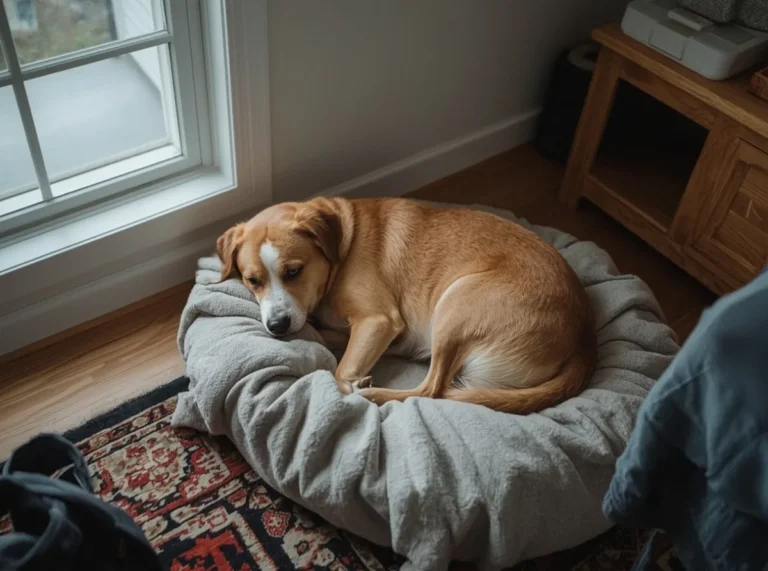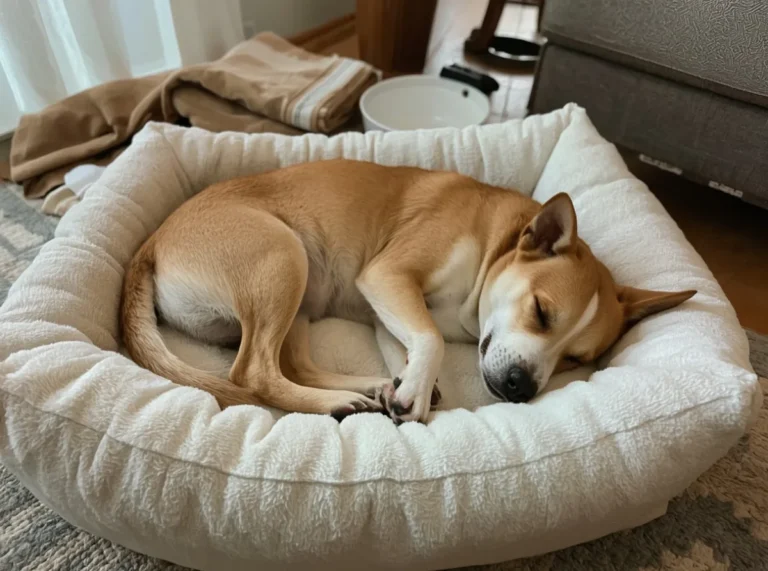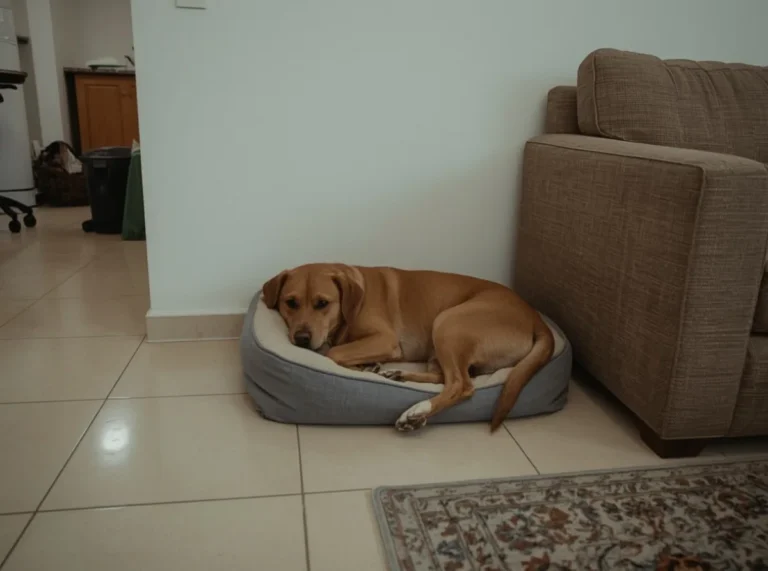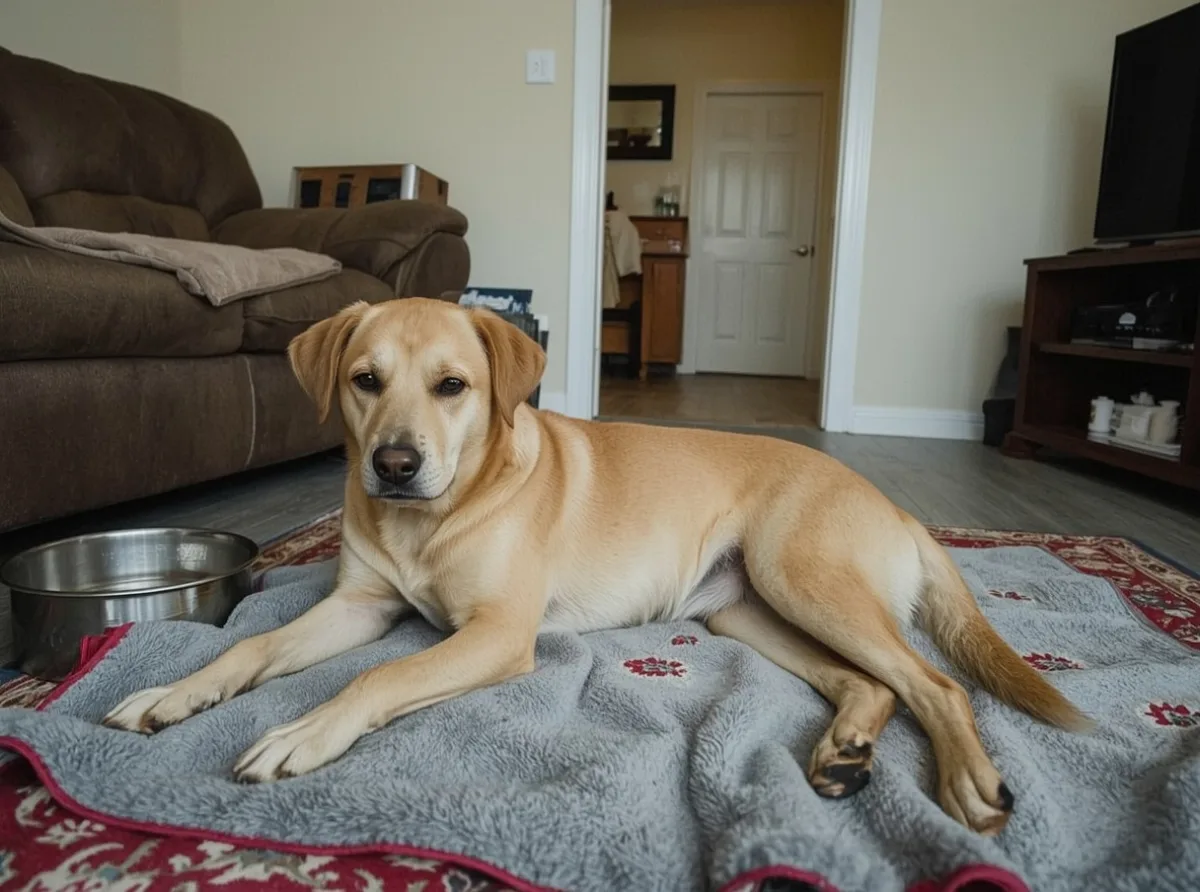
Some dogs seem to choose their resting spots with surprising care. They may settle near the hum of a dishwasher, the sound of a familiar voice, or the place where a favorite person usually sits. It can look ordinary at first glance, but the pattern often tells you something about comfort, routine, and how a dog reads the home around them.
This habit is usually not random. Dogs are constantly noticing sound, movement, and presence, even when they appear relaxed. A dog that rests near familiar sounds or people is often choosing a spot that feels predictable, safe, and easy to monitor.
That choice can come from attachment, habit, curiosity, or a simple preference for company. In many homes, it also reflects how dogs manage their own sense of calm. They do not always want to be in the center of activity, but they often want to be close enough to feel connected to it.
What This Behavior Looks Like in Everyday Life
A dog resting near familiar sounds or people may not be glued to one place all day. The pattern usually shows up in small ways. A dog might nap beside the couch when someone is watching TV, lie near the kitchen while dinner is being prepared, or settle next to a bedroom door when a household member is working in another room.
Some dogs pick a spot where they can hear familiar voices without needing to move much. Others choose places near background noises they know well, like fans, soft music, or the regular rhythm of a home that feels consistent. These dogs often seem settled, not tense.
There is also a difference between resting near activity and truly seeking it out. A dog that quietly curls up close by is often showing comfort. A dog that keeps shifting positions, lifting its head at every sound, or following people from room to room may be doing something slightly different.
- Resting near a person’s chair or feet
- Choosing a room with familiar household sounds
- Settling close to doors, hallways, or open spaces
- Sleeping near a person’s routine spot, such as a desk or couch
- Returning to the same place when the home feels quiet
These patterns can look subtle, but they often repeat. Dogs are creatures of habit, and once a resting spot feels good, they tend to return to it.
Why Familiar Sounds Feel Comforting
Familiar sounds can act like a kind of background reassurance. A dog that hears a known voice, a regular appliance, or the normal rhythm of the household may relax because the environment feels predictable. Predictability matters a lot to dogs. Sudden changes can make a space feel harder to read.
Many dogs are more comfortable with sounds they already understand. A refrigerator running, a phone ringing softly, or a person speaking in the next room may be easier to ignore when those noises are part of everyday life. In contrast, unusual or sharp sounds often pull a dog’s attention and may disrupt rest.
For some dogs, background noise also helps them feel less exposed. Silence can make a room feel too open or too empty. Familiar noise fills in the gaps and gives the dog something steady to orient around.
Dogs often relax where the environment feels readable. Familiar sounds can make a room feel stable enough to nap in without constant alertness.
That does not mean every dog wants noise to be present all the time. Some prefer quiet. But when a dog chooses a location near familiar sound, it often suggests the noise is part of what makes that place feel safe or normal.
Why People Matter So Much
Many dogs rest near people because humans are the center of their daily life. People bring food, movement, routines, attention, and social connection. Even independent dogs usually keep track of where the household members are and what they are doing.
Resting near a person can be a sign of attachment, but it is not always dramatic or needy. Sometimes the dog simply wants to remain nearby while staying relaxed. A dog may lie under a desk while someone works, nap beside the sofa during an evening movie, or stay near the front entry when a favorite person is expected home.
This closeness can also help a dog stay regulated. Many dogs seem to settle more easily when they know where their people are. Being near a trusted person may reduce uncertainty, especially in a busy or changing home.
Some dogs prefer one specific person, while others are drawn to the person who is most predictable. That might be the one who keeps a steady routine, speaks in a calm voice, or spends the most time in the same area of the home. The pull is often less about affection in a dramatic sense and more about dependable presence.
Possible Emotional Reasons Behind the Behavior
Dogs rest near familiar sounds or people for a range of emotional reasons. Comfort is one of the biggest. When a dog feels settled, it does not need to stay on high alert, and it can rest more deeply near what it knows.
Another reason is social orientation. Dogs are naturally tuned in to others. They read body language, tone, and movement. Being near people lets them stay connected to the social environment without having to participate constantly.
There is also the possibility of mild uncertainty. A dog that chooses nearby resting spots may be seeking reassurance without showing obvious stress. This can happen in new homes, during schedule changes, or in households with lots of background activity. The dog may not seem upset, but it is choosing proximity because it feels useful.
Sometimes the behavior is simply about preference. Just as people like certain chairs or corners of a room, dogs develop favorite places based on temperature, traffic, sound, and access to the people they care about. Emotional meaning and practical comfort often overlap.
Common internal motivations can include:
- Feeling safe enough to rest
- Wanting to stay connected without direct interaction
- Using familiar sound as reassurance
- Staying close to a predictable routine
- Keeping an eye on household movement
In real life, these motives are often mixed together. A dog does not choose one reason and one reason only. The behavior usually reflects several small comforts working at once.
How Routine Shapes the Habit
Routine has a strong effect on where dogs choose to rest. If a dog spends each morning near a person who works from home, that spot starts to feel normal. If evenings are usually quiet in the living room, the dog may begin settling there before anyone else does.
Dogs notice repeated patterns. The sound of footsteps at a certain time, a chair moving, or a familiar appliance turning on can all become cues that nothing unusual is happening. Over time, these cues help the dog relax sooner.
A home with a steady rhythm often makes this behavior more noticeable. Dogs in those homes may rest near the same sounds or people almost automatically. They are not necessarily seeking attention. They are following a map made of repetition.
On the other hand, when routine changes often, dogs may become more selective about where they rest. They may stick closer to familiar voices or to spots with the fewest surprises. A dog that once napped anywhere may start choosing the room with the most reliable sounds and the least disruption.
| Household Pattern | Likely Resting Choice | Why It Happens |
|---|---|---|
| Quiet, predictable home | Near a person or familiar appliance | Stable sounds make rest easier |
| Busy family home | Near a doorway, couch, or hallway | Dog can monitor movement while staying calm |
| Frequent schedule changes | Closer to a trusted person | People become the main source of predictability |
| Highly stimulating environment | In a corner near familiar background noise | Dog may look for a quieter, more manageable spot |
How Environment and Stimulation Influence the Choice
The home itself matters as much as the people in it. Dogs are sensitive to noise level, traffic patterns, temperature, and even the layout of a room. A place that seems ordinary to a person can feel perfect to a dog because it offers the right mix of closeness and calm.
In a house with lots of activity, a dog may rest near familiar sounds because they help mask unpredictable ones. The steady sound of a fan or a television can be more soothing than sudden laughter, dropped objects, or footsteps overhead. Background sound can make the environment feel less sharp.
Space also plays a role. Some dogs like open areas where they can see what is happening. Others want a spot that feels tucked in but still connected. Resting near a person often gives them both: a sense of enclosure and a social anchor.
Temperature matters too. A dog may choose the area near a person because that spot is warm, draft-free, and already used often. In many homes, the “favorite” resting place is really a cluster of small benefits in one location.
Subtle Body Language That Often Goes With It
When the behavior is relaxed, the dog’s body usually looks soft. The face may be loose, the ears neutral, and the eyes half-closed or gently following movement. Breathing tends to stay even. The dog may shift position slowly and settle again without much fuss.
If the resting choice is driven by uncertainty, the signals can look different. The dog may stay close but seem more watchful. It may rest with the head up, react to tiny sounds, or move only after checking the room first. That does not always mean serious stress, but it can mean the dog is using proximity as a form of comfort management.
Some dogs hover near familiar sounds or people and then sleep deeply once they feel settled. Others remain lightly alert the whole time. The difference lies in body tension, not just location.
- Relaxed signs: loose limbs, soft eyes, easy breathing, slow position changes
- Watchful signs: lifted head, frequent scanning, quick reactions to noise
- Tense signs: stiff body, tucked tail, inability to settle, repeated pacing
A dog resting near people is not automatically anxious. The body posture usually tells the real story.
How Owners Often Misread the Behavior
People sometimes assume a dog that rests near them is always asking for interaction. That can be true in some moments, but not always. A dog may choose to be close and still want quiet. Proximity does not always mean play, attention, or constant contact.
Another common misunderstanding is thinking the behavior means dependence in a negative sense. In many cases, it is simply a normal social preference. Dogs are built to notice group members and stay near them when it feels useful. That does not automatically signal a problem.
At the same time, it helps to notice when the behavior changes. If a dog suddenly starts following people everywhere, refusing to rest alone, or seeming unable to settle unless someone is nearby, the pattern may have shifted from comfort to uncertainty. The difference is usually not the spot itself, but the dog’s level of ease.
Owners may also overlook how much familiar sound matters. A dog that rests near the television might not care about the screen at all. It may care about the steady noise, the regular rhythm, or the fact that the room has become part of the dog’s internal map of the house.
Different Situations Where the Behavior Becomes More Noticeable
This resting pattern often stands out in a few specific situations. During storms, holidays, or houseguests, dogs may move closer to familiar sounds or people because those anchors help them stay grounded. The same thing can happen during a move, after a schedule change, or when a family member is away.
It is also common in the evening, when the household quiets down. Some dogs seem to track the end of the day and move toward the people or sounds that signal rest. That may be why they settle near the couch after dinner or in the bedroom before bedtime.
Puppies can show this behavior early, often by staying near a sleeping person or tucking themselves close to familiar household noise. Adult dogs may show it more clearly because they already know the rhythms of the home. Older dogs sometimes become even more particular, preferring predictable spots that require little effort to reach.
Situations that often increase the behavior:
- New home or new furniture layout
- Visitors or louder household activity
- Changes in work-from-home routines
- Rain, fireworks, or stormy weather
- Times when a favorite person is expected to return
What the Behavior Can Signal Over Time
Over time, a dog’s resting preferences can reveal how it experiences the home. A stable pattern usually suggests the dog has found a comfortable way to stay connected without feeling overwhelmed. The dog knows where the important sounds are and where the trusted people tend to be.
If the pattern stays consistent, it often means the environment is working well for that dog. The same sounds, routines, and social cues keep offering reassurance. That consistency can be a quiet sign that the dog feels settled in daily life.
If the pattern changes, the reasons may be practical or emotional. A dog may start moving closer to people during a period of fatigue, age-related hearing changes, or household tension. It may also become more drawn to familiar sound if new noise in the environment makes rest harder.
That is why long-term observation matters. Not every dog wants the same level of closeness every day. The real pattern comes from what the dog chooses over time, especially when the house is busy, quiet, or changing.
Repeated resting choices are often more informative than a single moment. Dogs show comfort through patterns, not speeches.
The Quiet Logic Behind the Habit
When a dog rests near familiar sounds or people, it is often choosing the easiest place to relax. The spot may feel safe, social, warm, predictable, or all of those at once. Dogs tend to make these choices with practical instinct rather than conscious planning, but the result can look thoughtful.
In a home full of changing noises and movements, familiar sound and familiar company act like steady reference points. They help the dog rest without needing to remain on guard. That is why the same dog may settle near the same chair, the same room, or the same person again and again.
The pattern usually becomes easiest to understand when you look at the whole picture: body language, routine, household rhythm, and the dog’s comfort with the environment. Once those pieces line up, the resting spot stops looking random. It starts to look like the place where the dog can finally let go.