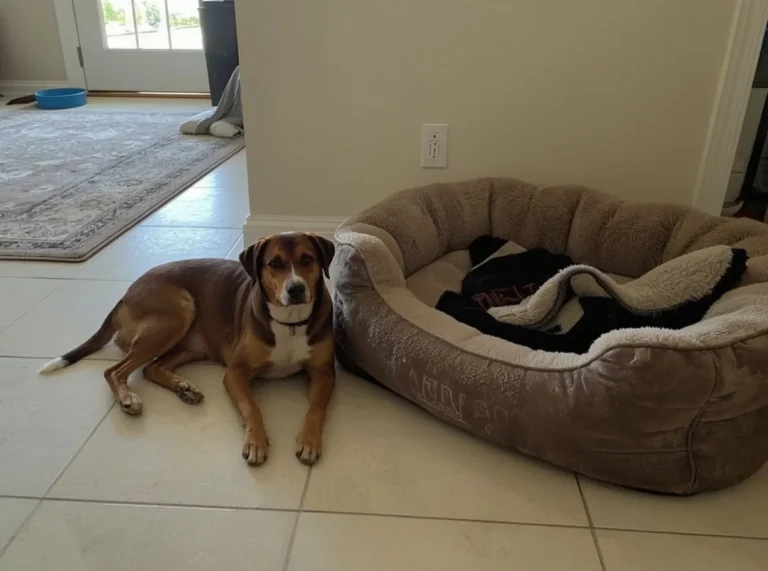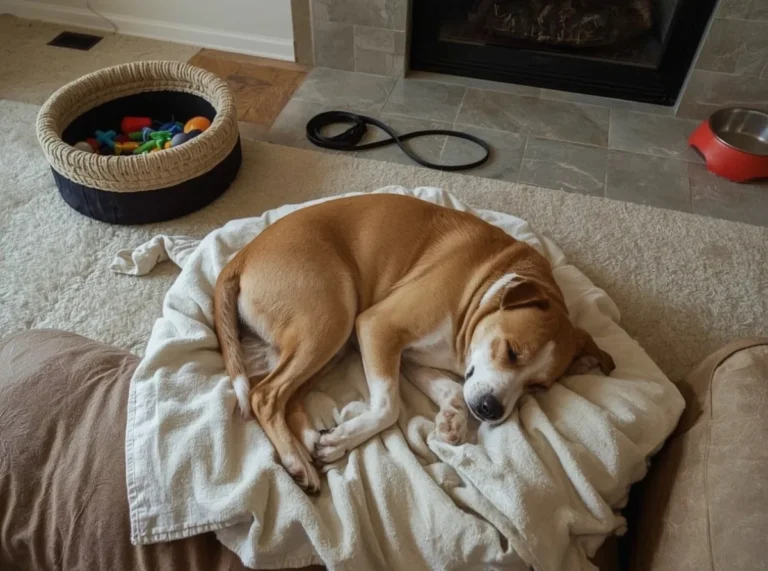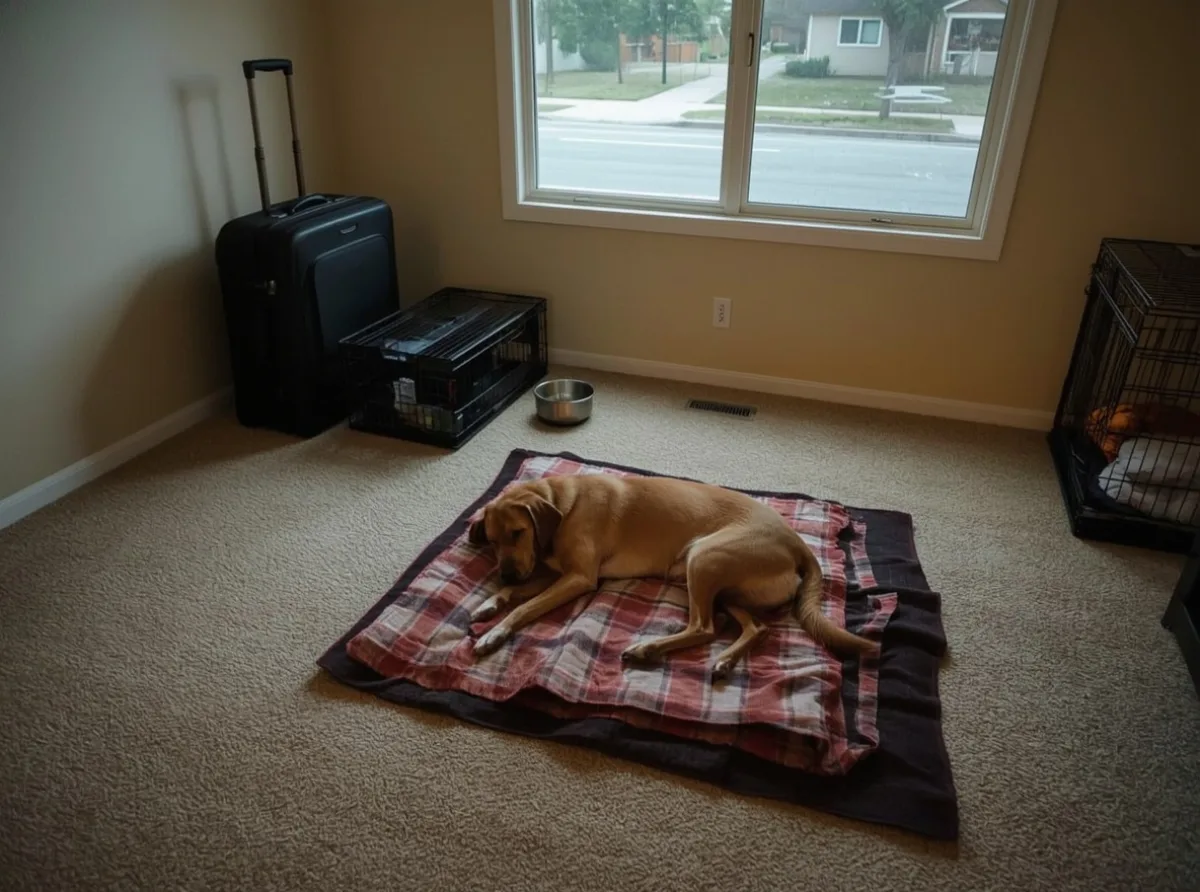
Some dogs settle down quickly in one home and seem uneasy in another. They may circle the room, avoid certain corners, lie down only after a long pause, or keep checking where their person has gone. The bed is the same shape, the floor is the same texture, yet the rest looks different.
That change is not random. Dogs read new environments through scent, sound, movement, and routine, and each of those cues can affect how deeply they relax. A dog that naps easily at home may stay more alert in a new place because the surroundings still feel unfamiliar and worth monitoring.
Rest is not only about being tired. For many dogs, it is tied to safety, predictability, and how much mental work the environment is asking them to do. A quiet hotel room, a friend’s house, a vacation rental, or even a new room after a move can all change the way a dog settles.
What Rest Looks Like in a New Environment
When dogs rest differently in a new environment, the change often shows up before they fully lie down. Some dogs pace a little, sniff every edge of the room, or sit instead of stretching out. Others flop down but keep their head lifted and their eyes open.
A dog may also choose unusual resting spots. Instead of picking the soft bed in the middle of the room, it may rest near the door, under a table, or close to a wall. Those choices can reflect a need to observe what is happening around them.
Common signs include:
- Taking longer to settle
- Resting in shorter bursts
- Changing positions often
- Sleeping lightly and waking at small sounds
- Staying close to a person or familiar item
Some dogs do the opposite. A few become so tired from all the new information that they crash quickly, then wake up often. Both patterns can happen in the same day.
Rest Is Often Partly About Monitoring
In an unfamiliar place, a dog may not be fully refusing rest. It may be splitting attention between resting and watching. That is especially common in social dogs that feel responsible for tracking people, doors, hallways, and nearby movement.
Even during downtime, the dog may keep one ear active, watch reflections or shadows, or react to sounds that would not matter at home. Rest becomes lighter because the environment has not yet been categorized as safe and ordinary.
Why New Places Change a Dog’s Ability to Relax
Dogs rely heavily on patterns. At home, they know the order of the day, the usual sounds, and where things are located. In a new environment, almost everything needs to be learned again.
That learning process takes energy. New smells carry a lot of information, and new sounds can be hard to interpret. A dog may not know whether a hallway noise is normal, whether another animal lives nearby, or whether a door leads to something worth investigating.
These small uncertainties add up. A dog that seems calm may still be processing nonstop. By the time it finally lies down, it may not enter the deeper, more relaxed kind of rest it gets at home.
The more uncertain the environment feels, the more likely a dog is to rest lightly, choose guarded positions, or interrupt sleep frequently.
Familiar Cues Make Deep Rest Easier
Many dogs settle better when they have anchors from home. A familiar crate, blanket, toy, or the owner’s scent can help a new environment feel less exposed. The point is not magic comfort; it is predictability.
When a dog has a recognizable sleeping setup, the brain has fewer new details to manage. That can make a huge difference in how quickly the body shifts into rest.
Emotional Reasons Behind the Difference
Rest in a new environment is closely connected to emotional state. A dog that feels curious may explore first, then rest. A dog that feels uncertain may stay watchful and delay sleep. A dog that feels confident may settle almost normally.
Not all nervousness looks dramatic. Some dogs do not whine, tremble, or hide. They simply fail to relax fully. They may lie down but keep scanning the room, or they may rest only when there is little activity around them.
Attachment also matters. Dogs often rest more easily when their person is nearby. In a new place, the human becomes part of the safety system. If the owner leaves the room, the dog may wake up, follow, or keep listening for movement.
Curiosity Can Delay Sleep Too
A curious dog may not be upset at all. It may just be interested in every new smell and sound. That can look like restlessness, but the emotional tone is different from fear.
Curiosity often creates a stop-and-start pattern. The dog investigates, rests for a few minutes, gets up again, checks the window, then lies down in a different place. This kind of rest is still affected by the environment because the environment keeps inviting attention.
How Routine Changes Affect Rest
Routine is one of the strongest predictors of how easily a dog settles. At home, many dogs rest after predictable events: a walk, breakfast, play, or a quiet evening. In a new environment, those cues may be missing or shifted.
Without the usual sequence, the body may not get the same signal to wind down. A dog that normally naps after a morning walk might stay alert in a vacation house if breakfast comes at a different time, the walk is shorter, or the room feels too active.
Changes in routine can also affect digestion, bathroom habits, and energy levels. If the dog is slightly uncomfortable, overexcited, or overdue for a familiar activity, rest may be harder to find.
| Environmental Change | Possible Effect on Rest |
|---|---|
| New smells | More sniffing, less settling |
| Different sounds | Light sleep, frequent waking |
| Shifted schedule | Delayed wind-down |
| Unfamiliar furniture layout | Guarded resting spots |
| New people or pets nearby | More checking, less deep rest |
What Dogs May Be Telling Us With Their Resting Choices
Where a dog chooses to rest says a lot. Some dogs pick elevated spots, hallways, or places with a clear view of the room. Others tuck themselves into enclosed spaces. These choices are not always about preference alone; they can reflect how much control the dog feels it has over the space.
A dog that rests near the owner’s feet may be seeking connection and reassurance. A dog that rests under a table may be creating a small, manageable zone. A dog that keeps changing locations may still be evaluating the space and looking for the best balance between comfort and awareness.
Different Resting Patterns Can Mean Different Things
- Relaxed but alert: The dog lies down easily but wakes to new sounds.
- Uncertain: The dog rests in short periods and moves often.
- Confident: The dog settles in one place and sleeps deeply.
- Overstimulated: The dog struggles to stop exploring long enough to rest.
- Seeking reassurance: The dog stays close to a familiar person or object.
These patterns can change from one environment to the next. A dog may sleep soundly at a relative’s quiet home but stay tense in a lively city apartment with hallway traffic and sharp noises.
The Role of Sensitivity and Breed Traits
Individual temperament matters a great deal. Some dogs are naturally easygoing and recover quickly from change. Others are more sensitive to sound, motion, or social activity. That sensitivity can show up most clearly in rest.
Breed tendencies can shape the picture, but they do not decide it alone. A watchful or highly social dog may be more likely to stay alert in a new place, while a lower-key dog may settle sooner. Still, each dog has its own pattern based on past experiences, age, and everyday life.
A dog with a history of frequent travel may rest differently from one that rarely leaves home. The more often a dog has been exposed to new settings in a calm way, the easier it may be to recognize what is normal and safe.
How Stress Shows Up During Rest
Stress does not always appear as obvious fear. Sometimes it appears as difficulty resting. A dog might lie down and then get up every few minutes. It may keep shifting weight, licking its lips, yawning, or looking toward doors and windows.
Some dogs also become unusually clingy. They may follow the owner closely, avoid sleeping alone, or wake when a person moves. Others become stiff and reserved, choosing to rest but not fully letting go.
If a dog cannot seem to settle after the usual adjustment period, the rest pattern may be telling you more than the dog’s energy level does.
It helps to look at the entire picture. Resting differently in a new environment can be normal adjustment, but it can also point to discomfort if it is paired with constant scanning, hiding, refusal to eat, or trouble sleeping through the night.
Why Some Dogs Sleep Better After Exploration
For many dogs, rest improves once the place feels mapped out. They need time to sniff corners, hear repeated sounds, and understand where people and other animals are. Once the unknown becomes familiar, the nervous system can calm down.
This is why a dog may seem restless on arrival and much calmer later in the day. The first hour or two often involves a lot of processing. After that, the dog may finally choose a bed and stay there.
That pattern is especially common in highly observant dogs. They prefer to know what is around them before letting down their guard. It is not stubbornness. It is how they build confidence.
What Owners Often Notice at Home Versus Away
At home, many dogs have small habits that support rest without anyone noticing. They wait by the couch after dinner, sleep in the same corner, or calm down when the house becomes quiet. In a new environment, those routines disappear.
Owners may notice that the dog appears “fine” but does not truly relax. The dog may accept petting, lie on a blanket, or curl up near the owner, yet still react to every minor noise. That mixed signal can be confusing because the body says rest while the mind says stay ready.
It is useful to pay attention to consistency rather than one moment. A single nap does not mean the dog has fully adjusted, and one restless hour does not mean the dog will remain anxious. The pattern across the day matters more.
Small Differences That Change Rest a Lot
Sometimes the cause is surprisingly simple. The room may be warmer or cooler than home. The bed may smell unfamiliar. The flooring may feel slippery. The window may face a busy sidewalk. Any of these can change how a dog chooses to rest.
Even the placement of a water bowl or crate can matter. If the dog has to sleep near a draft, a loud appliance, or a high-traffic path, it may keep waking up. A more sheltered corner often encourages deeper rest.
Helpful environmental details often include:
- A familiar blanket or bed
- A quiet corner away from constant movement
- Predictable meal and walk times
- Limited crowding during the first day
- Time to explore before expecting sleep
These details do not force relaxation. They simply reduce the amount of work the dog has to do to feel settled.
How Long Adjustment Can Take
Some dogs adjust within minutes. Others need several hours or even a few days before their rest looks normal again. The timeline depends on temperament, previous experiences, the size of the change, and how much control the dog has over the space.
A move into a new home usually affects rest more than a short visit to a familiar place. A hotel room with traffic noise may create a different challenge than a quiet house with people the dog already knows. There is no single timeline that fits every dog.
What tends to stay consistent is the need for safety cues. The more the dog can predict what happens next, the sooner rest often becomes deeper and less interrupted.
Rest Differences Can Change With Age and Experience
Young dogs often rest in bursts, even in comfortable settings. In a new environment, they may be especially curious and less willing to slow down. Older dogs may be more selective about where they rest and more sensitive to changes in routine or flooring.
Experience can soften some of these differences. A dog that has learned many environments are safe may settle faster over time. Another dog may become more particular with age and prefer familiar setups more strongly.
Neither pattern is unusual. What matters is noticing how the dog behaves in different places and what seems to help it rest without struggle.
Reading the Full Picture
Resting differently in a new environment is often a combination of emotion, instinct, habit, and environment. A dog may be tired, but that does not guarantee deep sleep. It may feel safe enough to lie down, yet still keep part of its attention on the room.
That is why the details matter. A dog that eats, explores, and then sleeps may simply be adjusting. A dog that cannot settle, startles often, or chooses guarded resting spots for a long time may be telling you the environment still feels too uncertain.
When the surroundings become familiar, most dogs show it through their rest first. They stretch out more, sleep longer, and stop treating every sound as important. The body softens. The pauses get longer. The room starts to feel like a place worth letting go in.