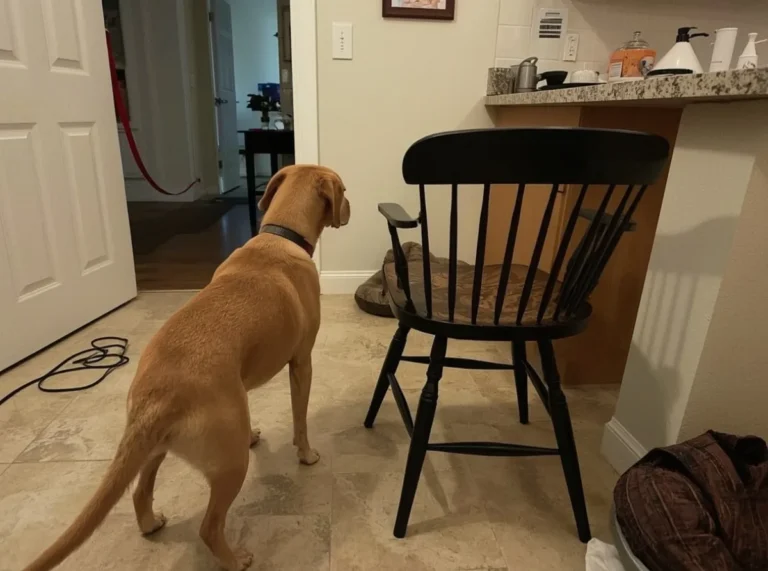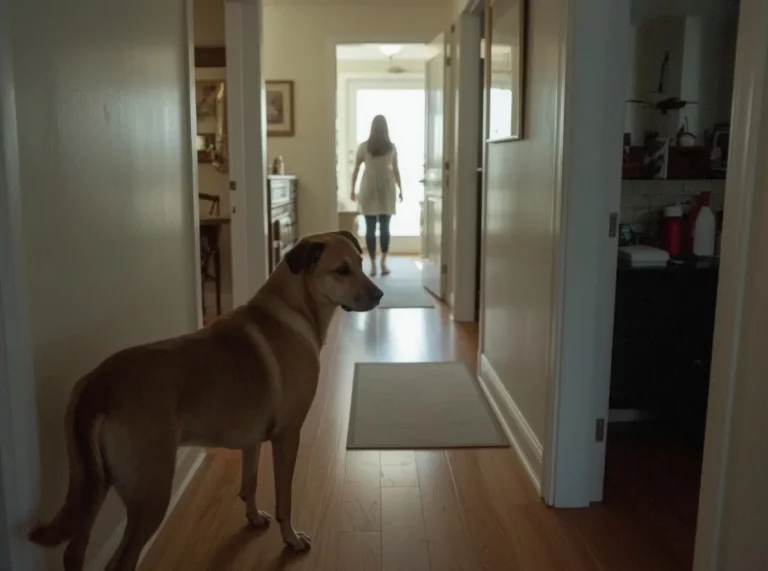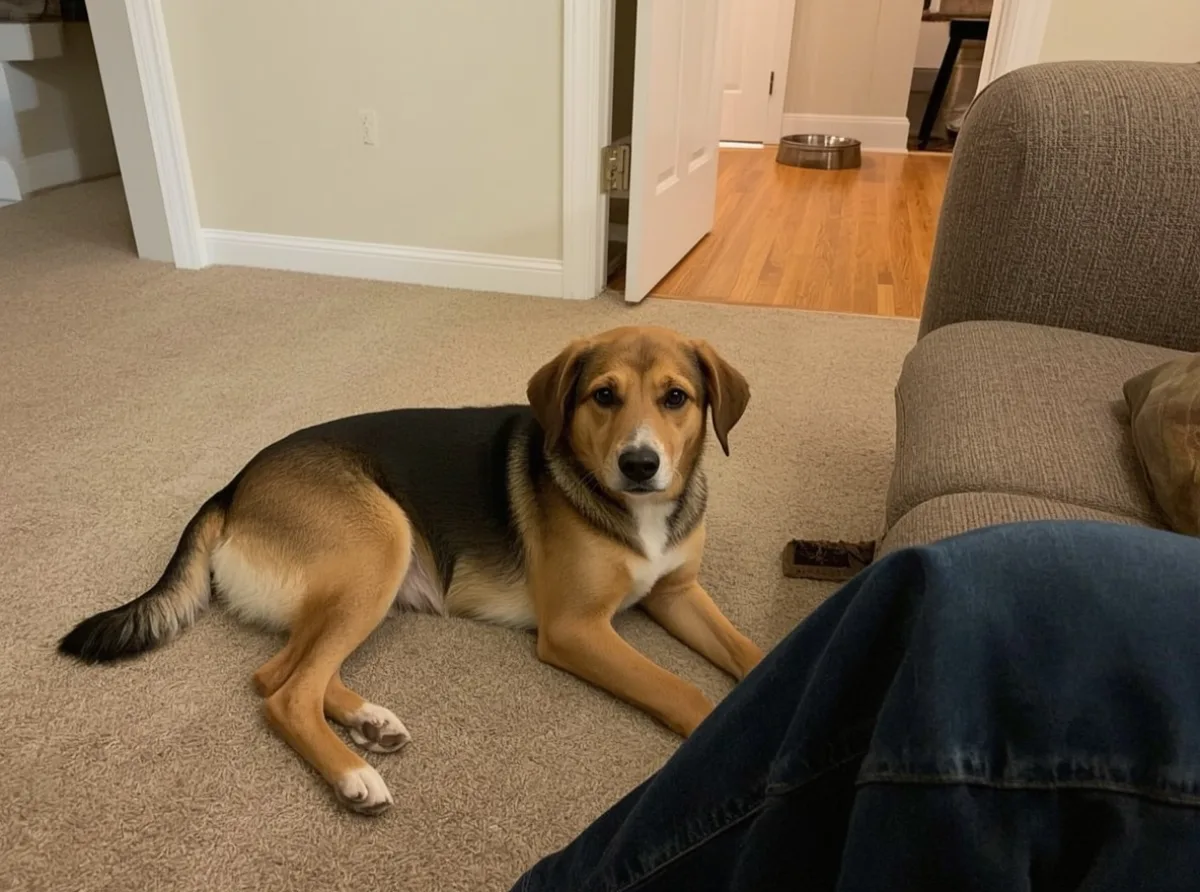
A dog that used to be independent can slowly become the one who follows you from room to room, leans against your legs, or settles a little too close whenever you sit down. That shift often surprises people because it does not always happen after one obvious event. More often, it builds quietly through changes in routine, health, age, and the dog’s sense of security.
Clinginess is not always a problem behavior. Sometimes it is a dog’s way of saying, “I feel safest near you.” Other times it is a sign that something in the dog’s world has changed, even if the change seems small from a human point of view. A new schedule, less exercise, more stress in the home, or subtle discomfort can all shape how attached a dog feels and how closely they want to stay connected.
Over time, these patterns can become easier to notice in everyday moments. The dog waits outside the bathroom, refuses to nap in another room, or becomes uneasy when a person simply reaches for the door. None of these signs mean the same thing in every dog, but they often point to a growing need for reassurance, routine, or support.
What Clingy Behavior Often Looks Like in Daily Life
Clinginess can show up in small, ordinary ways before it becomes obvious. A dog may start shadowing one person more than the rest of the family, or they may begin checking in constantly with soft eye contact and repeated movement from place to place. Some dogs settle only if a hand is on them, while others stay alert whenever their person stands up.
In many homes, the first sign is not dramatic. It is the dog who used to nap across the room but now chooses your feet every time. It is the dog who seems restless when you are in another part of the house, even if they are not crying or barking. Over time, this can become a pattern of near-constant proximity.
Common everyday signs include:
- Following one person from room to room
- Settling only when close physical contact is possible
- Watching a person closely before they move
- Becoming uneasy when left outside a closed door
- Seeking repeated touch, leaning, or pawing
- Staying alert instead of relaxing in another space
Some dogs become clingy only in certain parts of the day. Morning routines, work-from-home hours, evenings on the couch, and bedtime often bring out the strongest attachment behaviors. The dog may seem independent most of the time, then suddenly turn persistent when the household quiets down.
Clingy behavior is not defined by one action. It is the pattern: the dog keeps choosing closeness, especially when the environment becomes uncertain or less predictable.
Why Some Dogs Grow More Attached Over Time
Attachment in dogs is shaped by experience. A puppy may be naturally social, but an adult dog often becomes more dependent based on what they have learned about safety, consistency, and daily life. If closeness has repeatedly led to comfort, attention, or relief from stress, the dog may begin to seek it more often.
Dogs also notice patterns in their people. If a dog learns that one person is the source of meals, walks, play, and calm, that person can become a stronger emotional anchor. This does not mean the dog is spoiled or manipulative. It usually means the dog has built a reliable association between that person and security.
In some dogs, clinginess increases because their tolerance for uncertainty decreases. A dog that handled separation well as a youngster may become more watchful after a few disruptive life changes. New work hours, a move, the arrival of another pet, or more tension in the house can all shift how safe a dog feels when not in close contact.
Emotional reasons that can strengthen clinginess:
- Learning that closeness brings comfort
- Increased attachment to one predictable person
- Reduced confidence after a major routine change
- Heightened sensitivity to household stress
- Growing reliance on a familiar social partner
Some dogs are naturally more people-focused than others. Breeds and individual temperaments play a role, but personality matters just as much. A sensitive, observant dog may deepen their attachment over time simply because they notice more and respond more strongly to subtle changes around them.
How Age Can Change the Way a Dog Seeks Closeness
Age affects clinginess in different ways. Puppies often want to be near people because the world still feels unfamiliar. That dependence can fade as confidence grows. But in adult and senior dogs, the same behavior may return for very different reasons.
An adult dog that becomes more clingy may be responding to a change in routine, a change in health, or a change in emotional comfort. Senior dogs, in particular, often become more attached as their senses, mobility, or certainty about the world begin to shift. A dog that once explored independently may prefer staying close because it feels easier and safer.
Vision and hearing changes can make a dog less willing to separate from a trusted person. Joint discomfort may also play a role. If a dog feels more secure near you, they may choose to stay close simply because it reduces effort and uncertainty.
How clinginess may differ by life stage:
| Life stage | Typical pattern | What it may mean |
|---|---|---|
| Puppy | Follows people frequently | Normal social dependence and learning |
| Adult | Attachment increases after changes | Routine, stress, or comfort-seeking |
| Senior | Stays close more often, resists separation | Reduced confidence, discomfort, or sensory decline |
A dog does not need to be old to become more attached. But when clinginess appears later in life, it is worth paying attention to how the behavior has changed rather than focusing only on the behavior itself. The shift often reveals more than the habit.
Emotional Triggers That Can Make a Dog Follow More Closely
Dogs often become clingier when they feel uncertain, overstimulated, or under-supported. That emotional state may be obvious in some dogs and subtle in others. A dog who appears calm may still be seeking reassurance through proximity, especially if they are resting with one eye open or changing positions often to keep track of their person.
Separation-related anxiety is one possible factor, but it is not the only one. Many dogs become extra attached long before they show obvious distress at being left alone. They may start staying glued to one person, reacting quickly when that person leaves, or resisting sleep unless they are nearby.
Stress can also make a dog more dependent on routine. When the day becomes less predictable, closeness may become the dog’s preferred coping strategy. Even positive changes, such as a busy social household or frequent visitors, can push some dogs toward greater attachment if they become overwhelmed.
If a dog’s need for closeness appears suddenly, or if it is paired with pacing, loss of appetite, whining, or restlessness, the change may be emotional rather than simple affection.
Examples of emotional drivers:
- Fear during storms, noise, or household activity
- Uncertainty after a move or schedule change
- Frustration from not enough activity or mental engagement
- Loss of a companion pet or familiar person
- General insecurity in a changing environment
Some dogs do not become clingy because they are anxious in a dramatic sense. They become clingy because closeness is familiar and effective. If leaning on a person reliably brings calm, the dog may repeat that behavior more often over time.
How Environment and Routine Shape the Behavior
The same dog can seem independent in one home and deeply attached in another. Environment matters because it affects how often the dog needs to seek comfort from people. A busy, noisy, unpredictable home can increase following behavior, while a quiet home with stable routines may reduce it. But the reverse can also happen. A very quiet household may leave a social dog wanting more interaction and physical proximity.
Routine is especially important. Dogs tend to relax when they can predict when meals, walks, attention, and rest will happen. If those patterns shift often, some dogs respond by staying closer so they can monitor what comes next. They are not trying to control the household. They are trying to stay oriented.
Too little stimulation can also intensify clinginess. A dog with no clear job, little exercise, or few satisfying activities may become more focused on people simply because people are the most interesting thing available. In other cases, the dog may be tired or mentally underfed and use your presence as the easiest source of comfort.
Environmental factors that often increase closeness-seeking:
- Frequent changes in schedule
- Long periods of inactivity
- Constant household noise or movement
- Limited exercise or enrichment
- Inconsistent responses from people
A consistent routine often lowers the pressure for constant checking-in. Dogs do not need every moment to be identical, but they usually do better when the major parts of the day feel familiar. That sense of predictability can reduce the need to stay physically attached.
When Clinginess Becomes More Noticeable
Many owners notice clinginess during transitions. A dog may be fine for months, then become noticeably more attached after a vacation, a new job schedule, a family change, or even a minor illness. These moments matter because dogs often respond to shifts faster than people do.
Clinginess also tends to stand out at night. Darkness, reduced activity, and fewer distractions can make a dog more aware of where their person is. A dog that seems relaxed during the day may become much more dependent when the house quiets down.
Another common time is after the dog has experienced discomfort or fear. A vet visit, an injury, a stressful boarding stay, or a sudden scare outdoors may make a dog more likely to seek reassurance afterward. In that sense, clinginess can be a recovery behavior as much as a personality trait.
Noticing when the behavior appears is often more useful than asking whether the dog is simply “more affectionate.” Timing can reveal the trigger.
Patterns worth observing:
- Does the dog cling more during busy household times?
- Does the behavior increase after exercise, or after boredom?
- Is one person the only target of the clinginess?
- Does it happen more at night or during separation?
- Did the change follow a specific event or routine shift?
These details can help separate a temporary response from a broader long-term pattern. A dog that becomes clingy only during thunderstorms is different from one that gradually loses interest in being alone at all. Both deserve attention, but they point to different causes.
What the Behavior May Signal About the Dog’s Internal State
Clinginess can mean affection, but it can also mean uncertainty. The difference is often in the rest of the dog’s body language. A relaxed, attached dog usually has soft muscles, easy breathing, and the ability to settle once near their person. A worried dog may stay tense, hover, or constantly adjust position without fully relaxing.
Eye contact can be another clue. A calm, connected dog may glance at a person and then rest. A more anxious dog may track every movement, as though checking for the next sign that something is changing. The body may remain close while the mind stays alert.
Some dogs become clingy when they feel protective. They may keep a close watch on a person who appears fragile, unwell, or stressed. In those cases, the dog’s closeness can reflect a social bond mixed with alertness. The same behavior can look affectionate on the surface while still carrying a layer of vigilance underneath.
Body language that can help separate comfort from stress:
- Relaxed closeness: loose posture, soft face, normal breathing
- Watchful closeness: stiff body, frequent checking, difficulty settling
- Stress-related closeness: panting, pacing, whining, trembling, refusal to rest alone
It is easy to interpret all following behavior as love. Often, it is partly love. But the intensity and consistency of the behavior usually tell you whether the dog is also trying to manage discomfort, uncertainty, or insecurity.
How Human Behavior Can Reinforce Clinginess Without Meaning To
People often respond to a clingy dog in ways that make the pattern stronger. That does not mean the dog is being trained intentionally. It means the dog learns quickly which actions bring attention, warmth, or reassurance. Sitting on the floor, encouraging constant contact, or repeatedly responding every time the dog nudges for closeness can all make the habit more likely to continue.
This is especially common when a dog becomes more attached after a stressful event. Owners understandably offer more comfort, but if the dog begins to rely on constant contact to calm down, the behavior can become harder to shift later. The dog may begin to expect that closeness is necessary every time they feel uneasy.
That said, ignoring the behavior is not the answer in many cases. The better question is whether the dog is seeking normal connection or using closeness as a coping tool. The response should match the cause. A healthy bond can include affection without creating dependence.
Examples of human responses that may strengthen clinginess:
- Reinforcing every follow with attention
- Offering constant touch whenever the dog seems unsure
- Changing routines dramatically without gradual adjustment
- Letting the dog avoid all alone time
- Responding nervously when the dog becomes uneasy
Small shifts in how people behave can matter. Dogs read tone, movement, timing, and consistency. When humans become less predictable, many dogs respond by moving closer.
Long-Term Patterns Matter More Than Single Moments
A dog who becomes more clingy over time is usually showing a pattern, not a one-off preference. The important thing is whether the behavior is stable, increasing, or tied to specific situations. Some dogs have a naturally close bond with one person, but they still relax alone when needed. Others gradually lose that flexibility.
Flexibility is a useful word here. A dog can be affectionate and still independent enough to rest elsewhere, tolerate separations, and settle when life is normal. When that flexibility shrinks, the behavior often becomes more meaningful. The dog may be relying on closeness for comfort more than before.
Long-term observation can reveal whether the dog is simply warmer toward people or whether something in their emotional world has shifted. The details matter: when the behavior started, what changed around that time, and whether the dog can still rest calmly on their own.
Clinginess that grows slowly and consistently deserves more attention than clinginess that appears only during an obvious temporary stressor.
What Helps Clarify the Cause
Paying attention to context often tells the clearest story. A dog that becomes attached after less exercise may be under-stimulated. A dog that starts shadowing one person after a medical issue may be reacting to fear or discomfort. A dog that clings more after a move may need time to rebuild confidence in the new setting.
It can help to look at the whole day instead of the one behavior. How much activity did the dog get? Did anything unusual happen? Is the clinginess stronger in some rooms, around certain people, or at certain times? These details can make the pattern easier to understand.
If the change is paired with physical signs such as limping, appetite changes, restlessness, or sensitivity to touch, health may be part of the picture. Dogs often become more dependent when something feels off in their bodies. Closeness gives them a sense of safety when they do not feel completely well.
Useful questions to consider:
- Did the clinginess begin after a routine or household change?
- Is the dog also showing signs of worry or discomfort?
- Does the behavior improve after exercise, rest, or quiet time?
- Is one person acting as the main source of reassurance?
- Has the dog become more sensitive in other areas too?
These questions do not create a diagnosis. They just help narrow down whether the behavior is mostly social, emotional, environmental, or physical. In many dogs, it is a mix of all four.
Why the Change Can Happen Gradually
Dogs rarely change overnight without a reason. More often, they adapt in small steps. A little more attention after a stressful week, a little less time alone, a little more concern after a scare, and suddenly closeness becomes the new normal. By the time owners notice, the pattern has already settled in.
This gradual change is part of what makes the behavior confusing. It may not feel like anything major happened. But dogs live inside the routine itself. Small shifts add up. A house that used to feel predictable may slowly become less certain, and the dog responds by staying closer to the person who feels most stable.
That is why clinginess over time is worth noticing even when it seems harmless. The behavior is often a sign of adaptation. The dog is not just being sweet. They are adjusting to the conditions around them, and proximity has become the way they manage that adjustment.
Closing Thoughts on a Growing Need for Closeness
When a dog becomes more clingy over time, the behavior usually reflects a deeper change in comfort, confidence, or routine. Sometimes the reason is simple: a stronger bond, a favorite person, a season of extra togetherness. Other times the behavior points to stress, uncertainty, reduced independence, or the early stages of a physical issue.
What matters most is the pattern behind the closeness. A dog who seeks company but still relaxes easily is different from a dog who cannot seem to settle unless they are right beside someone. That difference often tells you whether the behavior is mainly affection or a response to something the dog is struggling to manage.
Clinginess is one of those behaviors that makes more sense when viewed over time. The dog’s age, routine, health, and home life all shape how strongly they want to stay near. Once those pieces are put together, the behavior usually feels less mysterious and more readable in the way dogs often are: quietly, through small habits that slowly become impossible to miss.