Some dogs follow their owners from room to room as if it is the most natural thing in the world. They wait outside bathroom doors, settle beside the chair in the kitchen, and rise the moment a person stands up. For many households, that closeness feels sweet and familiar. For others, it becomes a daily question: why does this dog refuse to leave me alone?
The answer is rarely just one thing. A dog that stays close may be seeking comfort, reacting to habit, responding to boredom, or trying to keep track of a person who matters a great deal. Sometimes the behavior looks affectionate. Sometimes it reflects uncertainty. And sometimes it is simply a learned pattern that has become part of the dog’s daily rhythm.
Understanding the difference matters because “clingy” behavior can mean very different things depending on the dog, the situation, and how intense the attachment appears. A relaxed dog who shadows an owner with loose body language is not sending the same message as a dog who panics when left alone for a few minutes. The details tell the story.
What this behavior looks like in everyday life
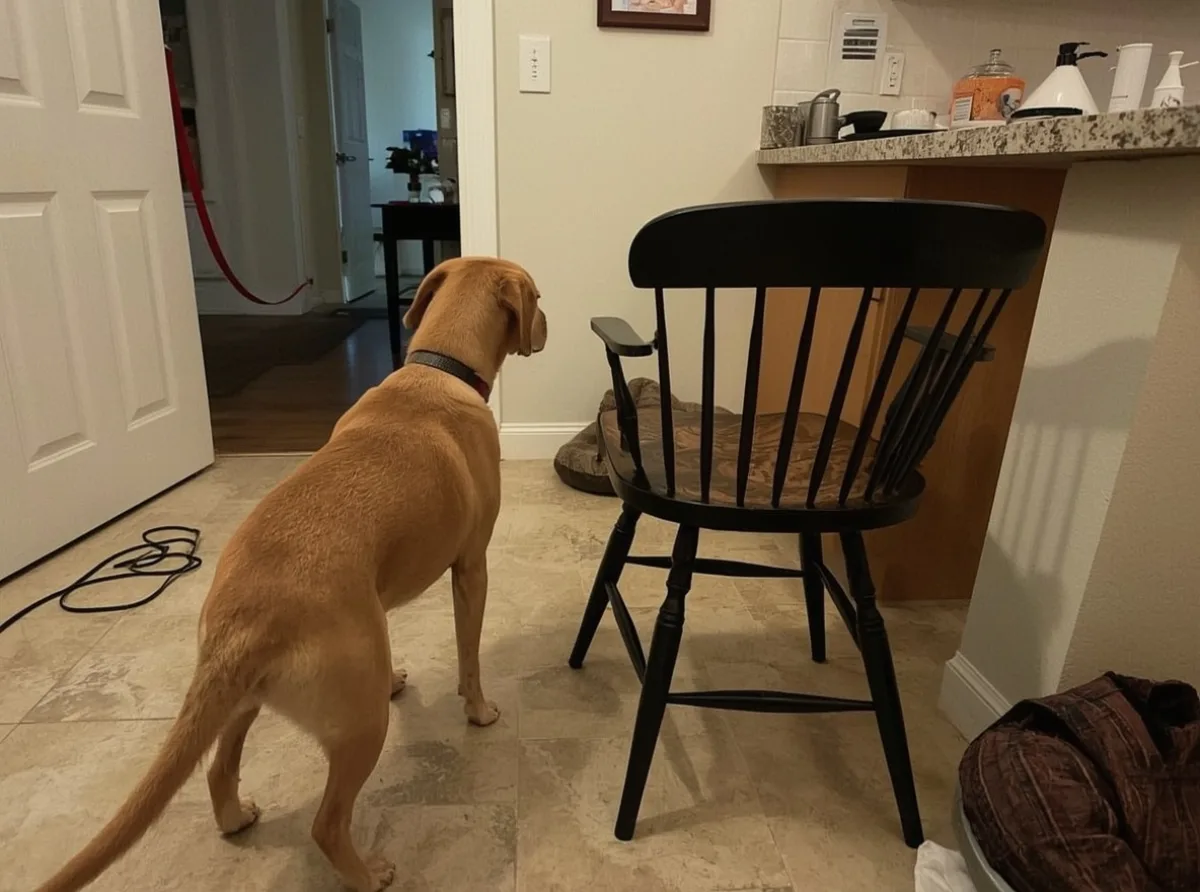
Dogs rarely cling in only one way. Some stay glued to their owner’s heels. Others keep one eye on a person across the room and follow any change in movement. Some insist on sleeping against a leg, resting under a desk, or waiting directly in front of a doorway. The pattern may be subtle at first, then become more obvious when the home gets quiet.
It is easy to notice the behavior most during ordinary routines. A dog may trail behind during laundry, watch closely while dinner is prepared, or stand up the second a person reaches for keys. The same dog may seem calm the rest of the time, which is why the behavior can feel confusing. It appears ordinary until it suddenly does not.
Common everyday signs
- Following from room to room without settling elsewhere
- Waiting at doors or outside the shower or bathroom
- Choosing the owner’s side of the couch every time
- Rising quickly when a person changes position
- Watching the owner closely during routine tasks
Not every close-following dog is anxious. Some dogs are naturally social and enjoy proximity without distress. The difference usually shows up in the dog’s posture, breathing, movement, and ability to relax when the person is still.
Emotional reasons a dog may stay close
Dogs are social animals, and many form strong bonds with one or two people in the home. That bond can turn into a strong preference for staying nearby. In some dogs, the closeness is about safety. In others, it is about comfort, habit, or the expectation that something interesting might happen whenever the owner moves.
A dog that has learned good things happen near a certain person may naturally keep choosing that person. Maybe treats appear in the kitchen. Maybe walks begin when the leash is picked up. Maybe the dog simply feels most secure where that person is. Repeated experiences create strong patterns, and dogs are very good at remembering them.
Closeness is not always a behavior problem. It becomes more important to observe when it looks tense, frantic, or impossible for the dog to interrupt.
Attachment and social bonding
Some dogs develop very deep attachment to one human. This can happen in homes where one person feeds, walks, and spends the most time with the dog, but it can also happen for no obvious reason. Breed tendencies may play a role, though individual personality is often more important than breed labels.
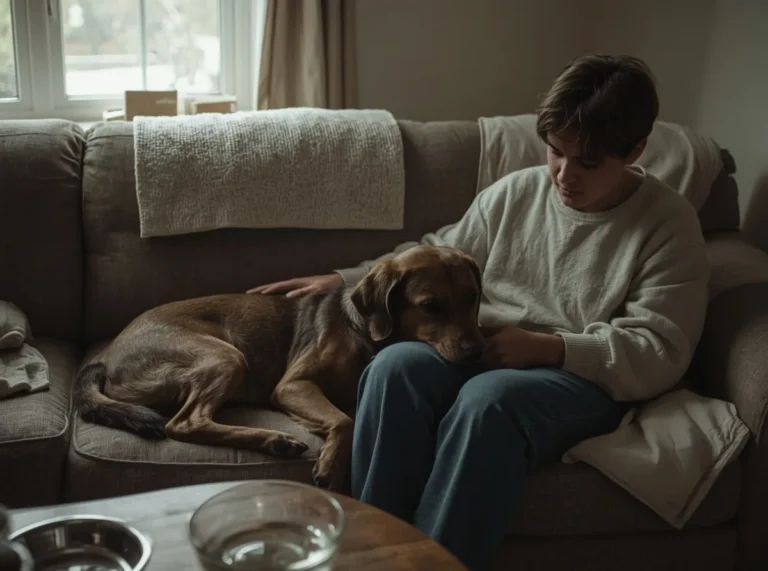
A bonded dog may seek physical proximity as a form of reassurance. The dog might lie beside the owner because that position feels familiar and safe. If the dog still relaxes, eats normally, and can rest alone for stretches, the closeness may simply reflect a strong but healthy connection.
Security-seeking behavior
Dogs often look to their owners for cues about the world. A nervous or uncertain dog may stay close because the owner seems like the safest point in the room. This is common in new environments, after big changes in the home, or around unfamiliar sounds and people.
In these cases, the dog may not want to be alone because being alone feels less secure. The behavior can be mild, like staying nearby during a thunderstorm, or stronger, like following a person constantly after a move or schedule change. When the environment becomes predictable again, the behavior may soften.
Boredom and lack of stimulation
Sometimes the dog is not emotionally “stuck” to the owner so much as under-stimulated. A dog with too little to do may simply follow the nearest source of activity. If the owner is walking, cooking, talking, or opening cabinets, that person becomes the most interesting thing in the house.
This type of following can look affectionate, but it often improves when the dog gets enough exercise, sniffing time, training, or enrichment. A tired, mentally satisfied dog is more likely to lie down and ignore the owner’s movement for a while.
When the behavior appears most often
There are certain moments when a dog’s need to stay close becomes more obvious. These are often tied to routine. Dogs learn the rhythm of a household quickly, and they notice when something important is about to happen.
Many dogs become extra attached at transition points: before meals, before walks, during work-from-home hours, or when the household is preparing to leave. The dog may not understand the details, but it understands that movement matters. That creates a habit of staying near the person who controls the daily flow of events.
Situations that often trigger closeness
- Morning routines and wake-up time
- Meal preparation and feeding
- Getting dressed or grabbing shoes
- Doorway activity, such as arrivals and departures
- Evening quiet time when the home settles down
Some dogs also become more attached during times of change. A new baby, a different work schedule, visitors, travel, or even a shift in weather can affect how a dog behaves. Closeness may increase because the dog feels less sure about what comes next.
What the behavior may signal about the dog’s emotional state
A dog that refuses to leave an owner alone is not sending a single universal message. The behavior can mean contentment, vigilance, worry, or dependence. Reading the full picture is more helpful than assuming one cause.
Body language is the clearest clue. A relaxed dog will usually move easily, hold a loose posture, and settle without constant checking. A tense dog may hover, stare, pant, pace, or struggle to lie down. The difference between affection and stress often shows up in the dog’s ability to disconnect, even briefly.
If a dog cannot relax when the owner is present, or panics when the owner is out of sight, the behavior deserves closer attention.
Relaxed closeness
Relaxed closeness looks simple. The dog follows, then lies down nearby. It may switch positions when the person moves, but it does not appear distressed. It may choose to rest in a doorway or beside a desk, then drift off to sleep.
This pattern is common in secure dogs that like company. The dog may be affectionate and observant, but still independent enough to eat, nap, and explore without constant direction. That is a very different pattern from a dog that seems unable to tolerate separation.
Stress-related closeness
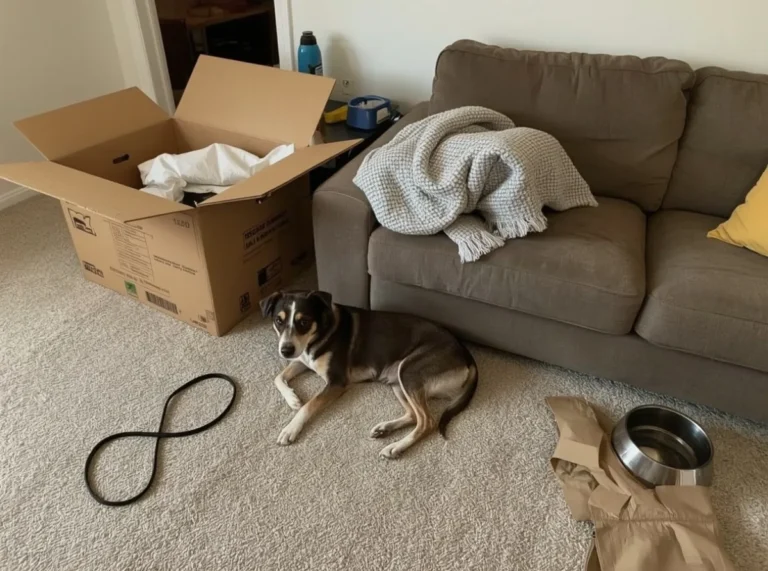
Stress-related closeness can be more intense. The dog may not only follow but also appear watchful, alert, or uneasy. It may react strongly to small changes in the owner’s movement. Some dogs pace when the person stands up, while others glue themselves to the person’s feet and seem unable to settle elsewhere.
When stress is part of the picture, the dog may also show other signs: whining, trembling, lip licking, yawning when not tired, or difficulty eating when left alone. In more serious cases, the behavior may be part of separation anxiety or another anxiety-related pattern.
How routine, environment, and stimulation shape the behavior
Dogs adapt to the structure of a household. A calm, predictable routine can make closeness feel manageable. A noisy, inconsistent, or low-activity environment may make it stronger. The same dog can look independent in one setting and extremely attached in another.
A house with frequent movement, constant noise, or shifting schedules can make some dogs stay close because the owner feels like the only stable point. On the other hand, a dog living in a quiet home with little mental engagement may shadow the owner simply because that is where the action is.
Routine reinforces patterns
Routine teaches dogs what to expect. If the owner always appears at certain times with food, attention, or outdoor time, the dog quickly learns to monitor that person. The dog may start following more closely as the routine becomes more important in its mind.
Even small habits matter. If the owner always rewards the dog for coming over, always speaks when the dog nudges, or always gives attention when the dog shadows too closely, the behavior can become stronger. Dogs repeat what works.
Noise, visitors, and household activity
Some dogs cling more when the home becomes unpredictable. Guests, children, alarms, deliveries, or construction noise can increase the need to stay near the owner. The owner becomes a reference point in a world that feels busier than usual.
In busy homes, the behavior may look mild because there is always something happening. In quiet homes, the same dog may seem extra attached because the owner’s every move stands out. Context changes how the behavior is seen, and sometimes how the dog feels.
Insufficient enrichment
A dog that does not get enough exercise or mental work may seek stimulation from the owner’s activity. Following becomes a way to stay engaged. It is not always a sign of deep emotional dependence. Sometimes it is simply the most interesting option available.
Enrichment does not need to be elaborate. Sniff walks, food puzzles, short training sessions, and safe chew items can reduce constant shadowing in many dogs. The goal is not to push the dog away. It is to make independent relaxation more appealing.
How to tell affection from distress
Affection and distress can look similar from a distance. Both may involve a dog choosing to stay nearby. The difference is in how the dog carries itself and whether it can unwind when nothing is happening.
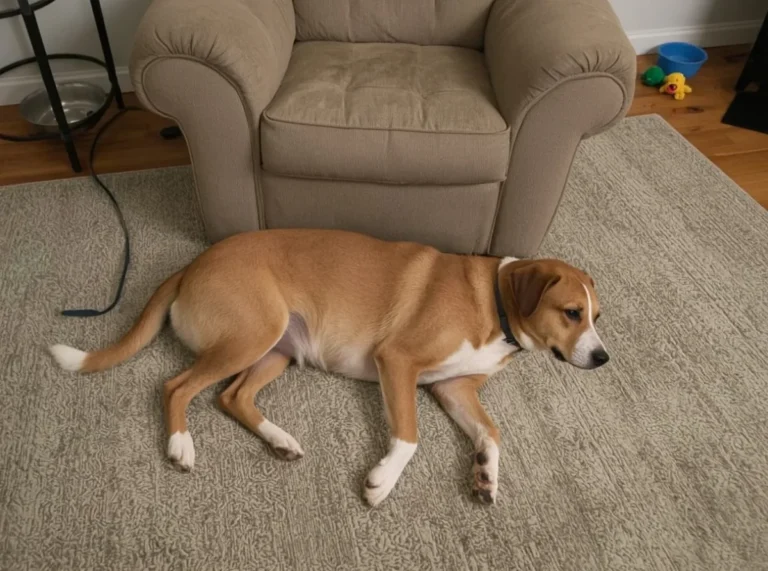
An affectionate dog can usually disengage. It may follow, then choose a bed, a rug, or a cool spot on the floor. It may check in now and then, but it does not seem trapped by proximity. A distressed dog is more likely to remain on alert and struggle when the owner becomes unavailable.
Helpful cues to notice
| Behavior | More likely affection | More likely stress |
|---|---|---|
| Body posture | Loose, easy, comfortable | Tense, stiff, restless |
| Response to owner moving | Interested but calm | Immediate, intense, or frantic |
| Ability to settle | Can lie down and nap | Struggles to relax |
| When left alone briefly | Usually okay | May whine, pace, or panic |
It also helps to watch what happens after the owner returns. A relaxed dog may greet the person, then return to rest. A highly attached dog may become so keyed up that it cannot fully settle again. That rebound tells you a lot about the emotional charge behind the behavior.
How the behavior can change over time
Dogs do not stay the same throughout life. A puppy that shadows everyone may become a more independent adult. A confident adult may become clingier after illness, injury, or a major change in the home. Senior dogs sometimes follow more closely because they feel less secure, hear less well, or simply prefer the reassurance of staying near a familiar person.
Life stage matters, but so does history. A rescue dog with an uncertain past may remain vigilant for months. A dog raised in a very hands-on environment may expect constant human contact. Another dog may become extra attached after a period of separation, loss, or instability.
What is common in puppies
Puppies often follow people because they are learning where safety, food, and comfort come from. They have not yet developed much confidence in being alone. Following is normal during early bonding and social learning.
That said, a puppy should also gradually learn to settle away from the owner. Short periods of independent rest help prevent the habit from becoming a lifelong need. If a puppy never practices calm separation, the shadowing behavior can become deeply ingrained.
What is common in adult dogs
Adult dogs may be more predictable. Many already have a clear pattern: some are social shadows, some are independent observers, and some switch between the two depending on mood or context. Sudden clinginess in an adult dog is worth noticing because it can reflect discomfort, pain, or a recent change in routine.
When an adult dog starts refusing to leave an owner alone after previously being more relaxed, it helps to look at what changed. New schedules, illness, aging, household tension, or reduced exercise can all affect behavior.
What can happen with older dogs
Older dogs may follow more closely because they feel safer near a trusted person. Sensory decline can make the world seem less predictable. A dog that cannot hear well may want to keep visual contact. A dog with aching joints may prefer to lie where the owner is because it feels soothing and familiar.
In senior dogs, increased closeness is not always a problem, but sudden changes still deserve attention. Pain and anxiety can both increase shadowing, especially if the dog also seems less willing to rest or move comfortably.
When closeness becomes harder to ignore
There is a point where normal attachment starts to look less normal. The dog may refuse to eat unless the owner is nearby, bark when a person steps into another room, or become visibly distressed during short separations. At that stage, the behavior is no longer just a cute habit.
Other signs can make the pattern clearer. The dog may startle easily, whine when the owner prepares to leave, or pace from room to room without settling. Some dogs also become more intense about physical contact, leaning hard against the owner or demanding constant touch.
When closeness is paired with panic, loss of appetite, destructive behavior, or an inability to rest, the cause may be more than simple attachment.
Pain can also change the picture. A dog that seems unusually glued to a person may be seeking comfort because something feels wrong physically. If the behavior appears suddenly, especially alongside changes in sleep, movement, appetite, or grooming, it is worth paying attention to the broader pattern.
What owners often misunderstand
People sometimes assume a dog that follows closely is either spoiled or possessive. Those labels usually miss the point. Dogs are not making moral choices about space. They are responding to comfort, habit, and emotional information in the environment.
Another common misunderstanding is thinking all shadowing is a sign of devotion. Sometimes it is. Other times it is a warning that the dog cannot relax on its own. The outside behavior can look the same while the underlying experience is very different.
Owners may also underestimate how much their own habits shape the dog’s pattern. Constant attention, unpredictable departures, and highly reactive responses can all make a dog more likely to stay glued to a person. Even well-meaning routines can reinforce closeness more than expected.
Why the bond matters so much to the dog
For many dogs, the owner is not just a person who provides food. The owner is the center of the dog’s daily map. That person predicts food, safety, walks, touch, and structure. It makes sense that the dog would want to stay close when that person moves.
The strength of that bond explains why some dogs seem almost unwilling to give up contact. They are not just choosing comfort in a general way. They are choosing a very specific source of reassurance. That is why the behavior can feel flattering one moment and exhausting the next.
In many homes, the pattern settles into something workable. The dog stays near, but not in distress. The owner learns when to encourage independent rest and when to simply enjoy the company. The behavior then becomes part of the household rhythm rather than a constant question.
When a dog refuses to leave its owner alone, the reason is usually hidden in the details: the dog’s age, habits, environment, confidence, and the way the bond has developed over time. Watching those details closely makes the behavior easier to understand, and far less mysterious.