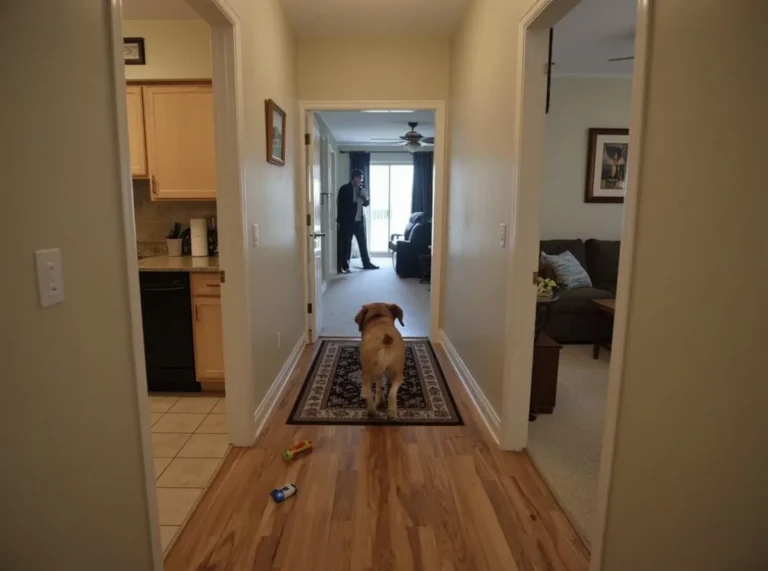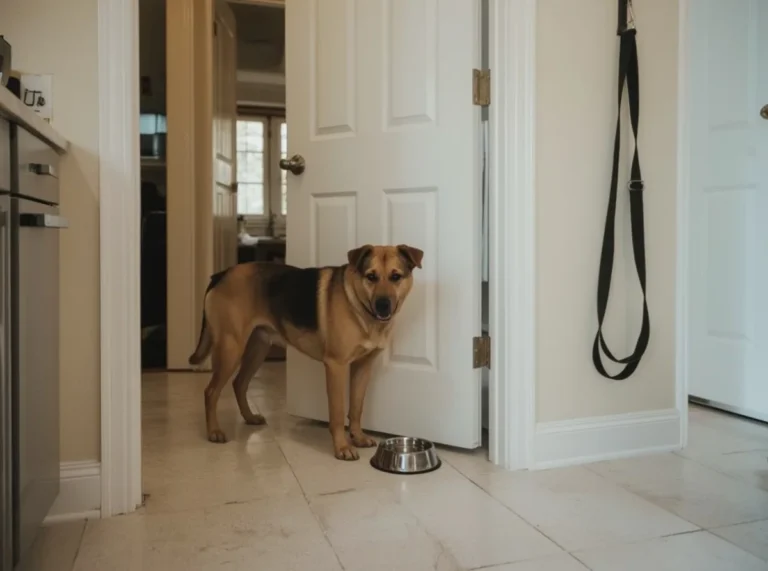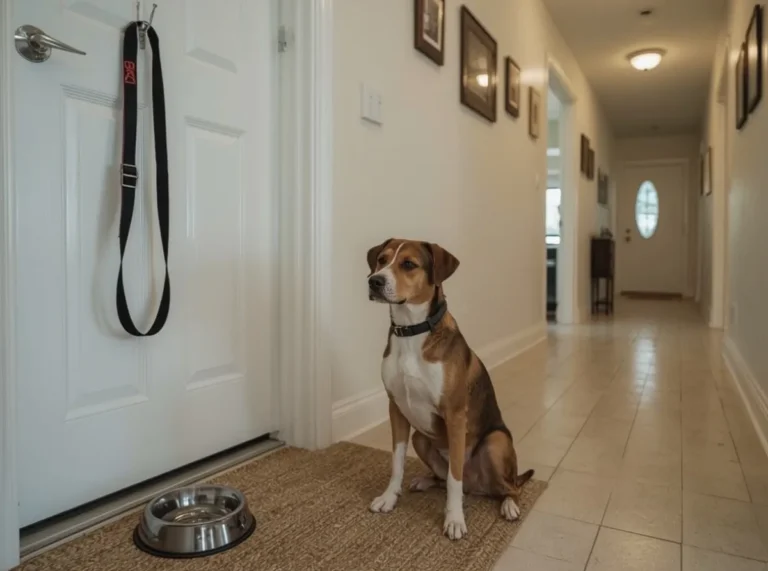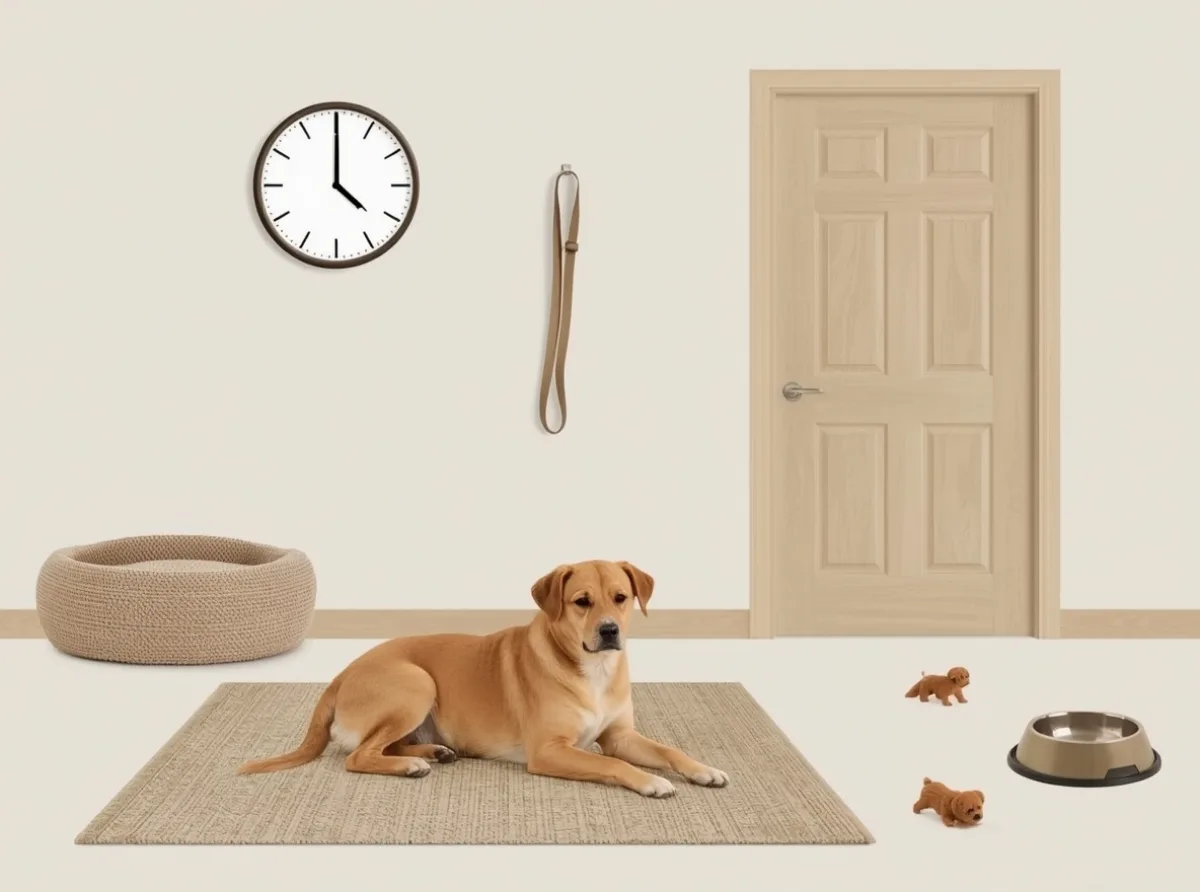
Some dogs seem to relax most when life follows a familiar pattern. They notice the time you wake up, the route you take on walks, and the order in which things happen around the house. When those pieces stay the same, the dog settles in more easily. When they shift, the dog may hover, pace, watch closely, or wait for cues that feel more uncertain.
This attachment to predictable routines is not just about being “stubborn” or “spoiled.” It often reflects how a dog experiences safety, comfort, and control in a world that can feel noisy and changeable. For many dogs, routine reduces guessing. It gives structure to meals, rest, play, and human interaction, which can make daily life easier to manage.
Some dogs adapt to change with little effort. Others hold tightly to patterns because those patterns help them feel grounded. The difference often shows up in small moments: the dog waits by the kitchen at the same hour every morning, circles the same spot before lying down, or becomes unusually attentive when the household schedule drifts. These behaviors can look simple on the surface, but they often carry a deeper emotional logic.
What Predictable Routines Look Like in Everyday Life
A dog attached to routine usually does not appear dramatic. The behavior is often quiet and repetitive. The dog may begin looking toward the door before the usual walk time, sit near the feeder before meals, or settle down only after a familiar sequence has played out. The pattern becomes part of how the dog interprets the day.
At home, this may show up in obvious ways:
- Waiting in the same place at the same time each morning
- Following the same person from room to room during certain parts of the day
- Becoming restless if dinner, walks, or bedtime shift later than usual
- Watching household movements closely for signs that the next event is coming
- Relaxing faster when daily events happen in a familiar order
These dogs are often not trying to control the household. They are trying to predict it. That distinction matters. Prediction lowers uncertainty, and uncertainty can be tiring for a dog that pays close attention to patterns.
In some homes, the routine attachment is strongest around transitions. Morning wake-up, departures, returns, and bedtime often matter more than the middle of the day. Those transition points mark change, and change is exactly what routine-sensitive dogs notice first.
Why Some Dogs Cling to Predictability
Routine can feel reassuring because dogs learn through repetition. When something happens the same way again and again, the dog begins to expect it. Expectations create confidence. If the dog knows that breakfast follows the sound of the kettle, or that a walk comes after shoes are put on, the world feels more understandable.
Several factors can make a dog more attached to predictable routines:
- Temperament: Some dogs are naturally cautious, observant, or sensitive to change.
- Life experience: Dogs with inconsistent past care may lean harder on stable patterns later.
- Breed tendencies: Many dogs were bred to notice human behavior closely, which can make routine especially meaningful.
- Environment: A quiet, structured home can strengthen routine habits, while a chaotic one may make them more obvious.
- Emotional comfort: Familiar timing and repeated sequences can reduce stress and help the dog settle.
Predictability also matters because dogs do not live by calendar logic. They do not think, “It is Tuesday, so I should be patient.” They notice movement, sound, and habit. If the pattern changes without warning, they lose a piece of information they were relying on.
For many dogs, routine is less about being inflexible and more about feeling prepared. When the day makes sense, the dog can relax sooner.
How Attachment to Routine Develops Over Time
Dogs rarely arrive in a home with a full routine already built into their behavior. The attachment grows through repetition. A dog learns that breakfast usually comes after the family starts moving around the kitchen. It learns that the leash appears after certain cues. It learns that the couch blanket means quiet time. Over weeks and months, those small associations become part of the dog’s sense of order.
Some dogs become especially routine-focused after major life changes. A move, a new family member, a change in work schedule, or a period of inconsistent care can make a dog search harder for stable anchors. When the outside world feels less predictable, the familiar pieces matter more.
Puppies often show this in simple form. They look for repeated cues and learn quickly when the same sequence happens every day. Adult dogs usually show it more clearly in habit-driven behavior. They may not panic when routine shifts, but they can become more watchful or slightly unsettled. Older dogs sometimes lean on routine even more because familiarity helps conserve energy and reduces unnecessary arousal.
The degree of attachment can also change with time of day. Many dogs tolerate variation in the afternoon but become noticeably more rigid around morning and evening routines. Those are the times when the household rhythm tends to be most consistent, which makes any disruption stand out.
The Emotional Side of Predictable Habits
Routine attachment is often emotional, even when it looks practical. A dog that waits for the same daily events may be expressing comfort, anticipation, or mild uncertainty. The feelings are not always intense. Often they are subtle, but they still shape behavior.
Here is where the dog’s body language becomes useful. A routine-oriented dog may show:
- Soft, attentive eyes that track a person’s movements
- A relaxed but ready posture near the expected activity
- Small pacing or doorway checks before a known event
- Increased alertness when a familiar cue is missing
- Quick settling once the expected routine returns
These signals do not always mean stress. Sometimes they mean anticipation. A dog can be calm and still be highly aware of routine. It is the difference between “I know what happens next” and “I do not know what happens next, so I am watching closely.”
That watchfulness often reflects attachment as well. Dogs are social animals, and many build their daily expectations around human behavior. If the person is part of the routine, then the dog’s emotional stability becomes linked to that person’s patterns. The dog may follow a family member from room to room not because it is needy in a simple sense, but because that person’s presence helps the day feel organized.
When Routine Becomes a Source of Comfort
There is a difference between enjoying routine and depending on it too tightly. Many dogs simply feel better when the household rhythm is steady. They rest more deeply, transition more easily, and need less time to “check in” before settling. In those dogs, routine acts like a support system.
Predictability can be especially helpful in homes where other parts of life are unpredictable. A dog may live with children, visitors, irregular work hours, or frequent travel. Even if the full household is not consistent, the dog may seek a few stable anchors: meals at a certain time, a morning walk, a bedtime cue, or a specific quiet period after dinner.
Those anchors can lower tension across the day. The dog does not need every hour to be identical. It only needs enough reliable structure to know what comes next.
Stable routines often help dogs recover faster from excitement. A familiar sequence can move a dog from alert to settled with less effort.
How Environment Shapes Routine Attachment
The home environment has a strong influence on how much a dog leans on routines. A calm, steady household often makes routine behavior easier to spot because the dog can quickly identify repeating patterns. In a busier environment, the dog may become even more dependent on predictable moments because they are the only part of the day that feels consistent.
Several environmental factors can increase attachment to routine:
- Irregular meal times
- Frequent guest visits
- Changing walking schedules
- Noisy homes with shifting activity levels
- Inconsistent responses from humans
When the environment changes often, the dog may start to watch more closely. It is trying to catch the pattern before it changes again. A dog in this situation may seem “clingy,” but the behavior often reflects vigilance rather than dependency alone.
On the other hand, a dog in a very structured home may become highly tuned to the routine simply because the pattern is clear and reliable. The dog learns that the day has a shape, and that shape becomes meaningful. Over time, small changes stand out more sharply, not because the dog is fragile, but because the pattern is well established.
Signs That Routine Matters More Than Usual
Some dogs are mildly routine-oriented. Others act as though every repeated event is a landmark. The more strongly a dog depends on predictability, the more obvious the signs tend to be. These may include behavior that appears right before routine changes or when a familiar sequence is delayed.
Common signs include:
- Waiting near the same door, room, or object before daily events
- Looking to the owner at expected times for confirmation
- Becoming restless if the usual order is altered
- Refusing to fully relax until routine is complete
- Checking repeatedly for a person associated with the next activity
Some of these dogs also create their own rituals. They may bring a toy to the same person before bedtime, sit on the same mat before dinner, or circle the yard in the same pattern after a walk. These habits are not always a problem. In many cases, they are the dog’s way of organizing its own sense of the day.
Problems are more likely when the dog cannot cope if the routine changes at all. At that point, the behavior may move from comfort-seeking into distress. The dog might refuse food, vocalize more, pace longer, or struggle to settle even after the event passes.
What Routine Attachment May Signal About the Dog’s Internal State
A strong preference for routine can point to several internal states. Sometimes the dog is simply efficient. It knows what comes next and likes the clarity. Sometimes it is sensitive and needs more time to adjust. Other times it is carrying a low level of unease that fades when the day unfolds predictably.
The key is not the routine itself, but how the dog behaves when the routine is slightly disrupted. A dog that glances toward the door when breakfast runs late but soon lies down and waits is showing mild anticipation. A dog that cannot settle, whines, or follows every movement in the kitchen may be experiencing more tension.
That difference is useful because it shows whether routine is a comfort or a coping tool. Comfort says, “I like this.” Coping says, “I need this to feel okay.” The second is more important to notice because it often reveals a dog that depends on structure to manage its emotional load.
How Owners Often Misread the Behavior
People often assume a routine-focused dog is being demanding. Sometimes that is partly true, but the deeper picture is usually more ordinary. The dog may simply be trying to make sense of the day with the tools it has. It is not plotting. It is predicting.
Another common misunderstanding is thinking the dog is bored every time it waits near a regular event. Boredom can play a role, but not always. Some dogs are active observers and are not bored at all. They are alert, organized, and mentally occupied by the sequence of events around them.
Owners may also mistake routine attachment for separation issues. The overlap can happen, especially if the dog’s routine revolves around one person, but the two are not identical. A dog can love routine without panicking when left alone. It may simply expect certain events and become unsettled when they do not occur as usual.
A dog that values routine is often reading the household like a schedule. When the schedule changes, the dog is not resisting the change so much as trying to update its expectations.
What Helps a Routine-Oriented Dog Feel Steady
The most helpful response is usually not to eliminate routine, but to make it reliable enough that the dog does not have to work so hard to predict every detail. Small consistencies can matter more than strict schedules.
Useful habits include:
- Keeping meal, walk, and bedtime cues reasonably consistent
- Using similar signals before common activities
- Giving the dog a quiet place to settle after stimulating events
- Introducing changes gradually when possible
- Maintaining a few stable anchors even on busy days
When changes are unavoidable, dogs often handle them better if there is still a recognizable pattern somewhere in the day. A later walk may be easier to accept if the morning routine stays the same. A new bedtime may feel less disruptive if the calming sequence before it remains familiar.
Routine-sensitive dogs usually do best when life is predictable enough to be understood, but not so rigid that every small variation becomes a problem. The goal is not perfect repetition. It is a sense of dependable shape.
When the Pattern Is the Point
For some dogs, the pattern itself becomes the reward. The sound of the leash clip, the walk to the bowl, the evening settling period, the familiar bedtime spot—these repeated moments create a framework the dog trusts. That trust can make the dog seem composed, attentive, and deeply tuned in to the household rhythm.
This is why some dogs appear almost clocklike. They are not reading the time. They are reading the sequence. And once the sequence becomes part of daily life, it can matter just as much as the event itself.
That attachment may stay mild for years, or it may become more pronounced during periods of stress, change, or inconsistency. Either way, the dog’s preference for predictability is usually telling you something simple: the day feels easier when it makes sense.
In a home where routine is steady, many of these dogs settle with quiet confidence. In a home where the schedule shifts often, they may keep watching, waiting, and adjusting. The behavior is not random. It is the dog’s way of holding onto familiar ground.