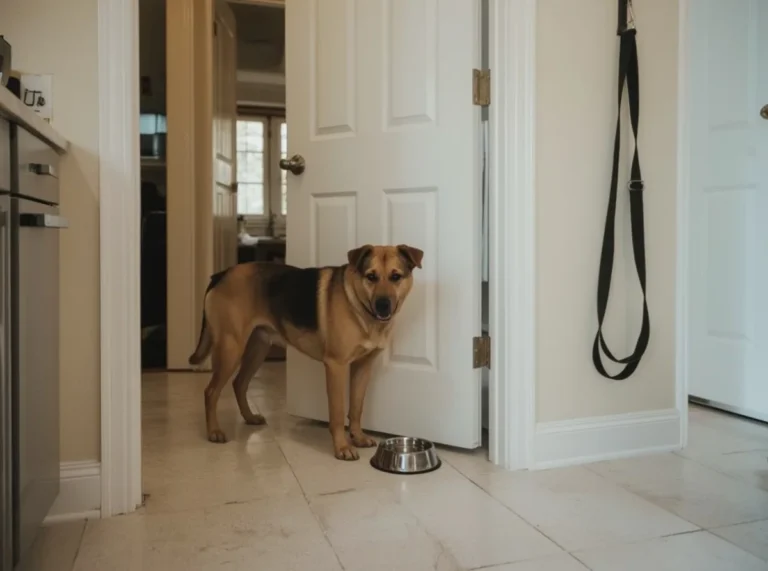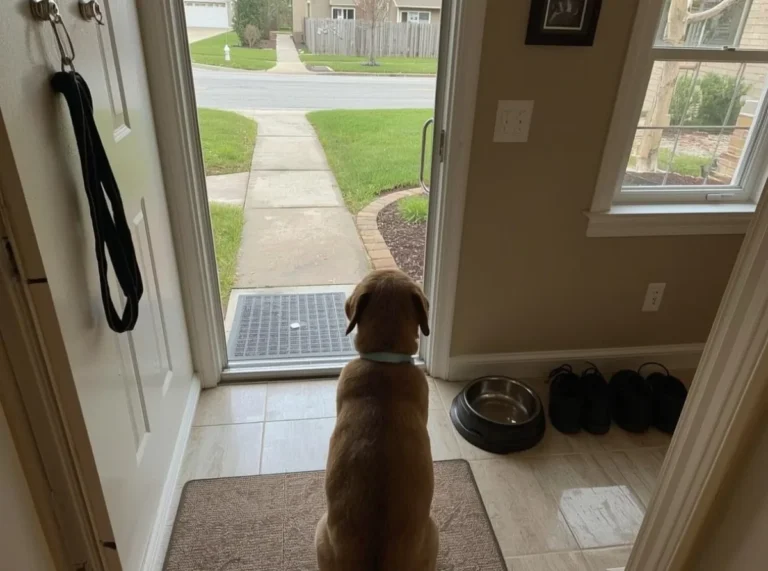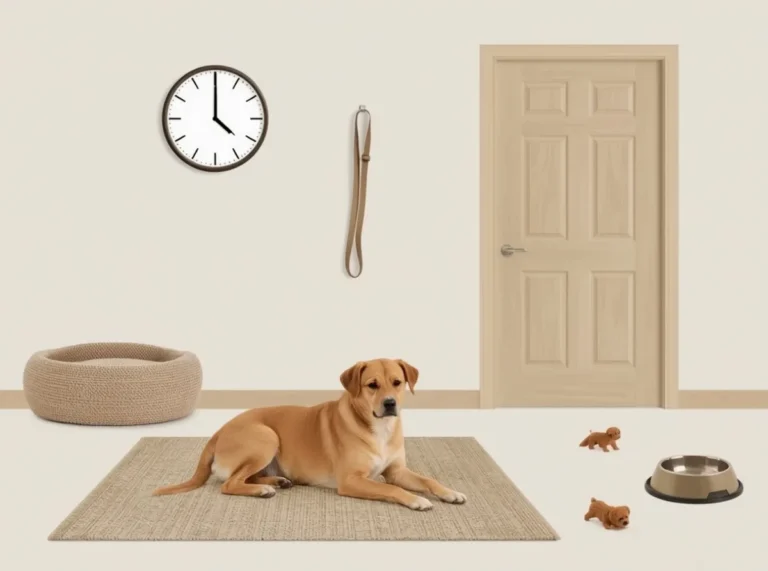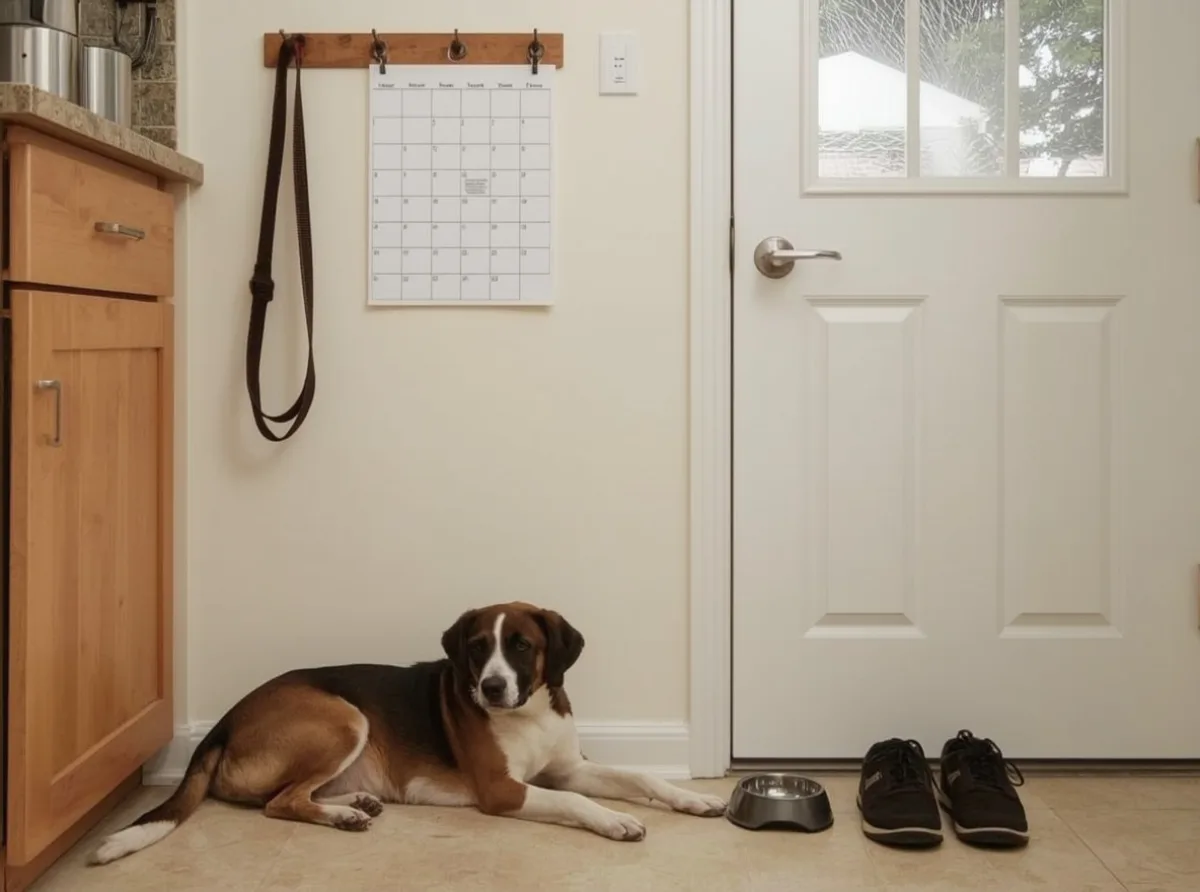
Some dogs settle into daily life with a quiet certainty. They know when the leash usually comes out, where the first walk begins, and which chair by the window belongs to them after dinner. A familiar routine can seem almost invisible to people, but many dogs notice every part of it.
That preference for predictability is not just a habit. For certain dogs, daily structure creates a sense of safety, lowers uncertainty, and makes the world easier to read. When the pattern stays the same, they do not have to guess as much, and that can make a big difference in how relaxed they feel.
Not every dog leans this way. Some are flexible, easygoing, and comfortable with change. Others become noticeably more settled when their day follows a familiar rhythm. The difference often shows up in small ways first: a dog waiting by the door at the usual time, calming down faster after breakfast, or becoming uneasy when the household schedule shifts.
What Familiar Structure Looks Like in Everyday Life
Dogs that prefer familiar daily structure often seem to keep track of patterns more closely than their owners do. They learn the order of events and begin anticipating them. That can make them appear “routine-minded,” but what is really happening is a steady response to repeated experience.
In a home with a clear rhythm, these dogs may seem more comfortable because they can predict what comes next. They may wake around the same time each morning, wait near the kitchen before meals, or relax more deeply after the evening walk because the sequence feels dependable. The routine itself becomes a kind of map.
When the schedule changes, the effect can be immediate. A delayed walk, a missed meal, or a different route can leave some dogs unsettled for hours. They may pace more, follow their owner from room to room, or have trouble fully relaxing until the expected pattern returns.
Common signs that a dog relies on routine
- Waiting by the door at the usual outing time
- Becoming alert when a household pattern changes
- Settling faster when daily events happen in the same order
- Checking in with the owner more often during transitions
- Showing mild restlessness during travel or visitors
These behaviors do not always mean a dog is anxious in a severe sense. Sometimes they simply show a strong preference for predictability. A dog can be calm, affectionate, and well-adjusted while still liking life to run on a familiar schedule.
Why Routine Feels So Important to Certain Dogs
Dogs are creatures of association. They notice patterns because patterns help them understand their environment. Food appears after the bowl comes out. A walk follows the leash. The house gets quiet after the final trip outside. Over time, these repeated links become meaningful.
For some dogs, familiar structure reduces the amount of effort it takes to move through the day. They do not need to monitor as many unknowns. That can be especially comforting for dogs that are naturally sensitive, cautious, or easily overstimulated. Predictability acts like a buffer.
There is also a social side to this. Many dogs are highly attuned to their people, and they build confidence from shared rhythms. When the household runs in a familiar way, the dog can feel more connected and less uncertain. The routine becomes part of the relationship, not just the schedule.
For a dog that prefers routine, structure is not about control. It is about reducing uncertainty in a world that can feel busy, loud, and changing all the time.
That sense of reduced uncertainty is one reason these dogs may seem especially settled in homes where daily life is consistent. The same sound, the same order, and the same timing help them know what to expect. And once they know, they can relax sooner.
Emotional Reasons Behind the Preference
At the emotional level, familiar structure often helps dogs feel anchored. Even dogs with confident personalities can become unsettled when there are too many unknowns in a row. Routine gives shape to the day, and shape can feel reassuring.
Some dogs are simply more responsive to change. They may notice small details that others ignore, like a different walking bag, an unusual car in the driveway, or a late feeding time. That awareness can be useful, but it can also make them slower to settle when the day does not unfold as expected.
Attachment plays a role too. Dogs that are closely bonded to their people often build their expectations around human behavior. If the owner usually wakes, feeds, walks, and rests at predictable times, the dog learns that stability. When that pattern shifts, the dog may not know whether something important has changed.
This is one reason routine can be especially valuable after a major adjustment, such as moving homes, bringing in a new pet, or changing work schedules. In those moments, the familiar parts of the day become easy reference points.
Emotional states that often sit underneath routine preference
- Cautiousness around the unknown
- Higher sensitivity to environmental changes
- Desire for stable social cues
- Need for recovery time after stimulation
- Comfort with repetition and clear expectations
A dog does not have to be fearful to want routine. Many dogs are simply more comfortable when life feels organized. They may appear calm in general, but still show a clear preference for patterns they recognize.
How Environment Shapes the Need for Familiarity
Environment has a strong effect on how much structure a dog wants. A quiet home with regular meals and consistent outdoor breaks often suits a dog that likes predictability. The dog can read the day easily, and fewer surprises mean fewer reasons to stay on edge.
By contrast, a busy household can make the same dog work harder. Children moving in and out, visitors arriving at unpredictable times, televisions going on and off, and different people handling feeding duties can all create a more complicated picture. Even when nothing is wrong, the dog may have to keep adjusting.
Dogs that prefer structure may also respond strongly to changes in stimulation. A long day at the park, a noisy gathering, or a full afternoon of errands can leave them mentally tired. After that, familiar patterns often become even more important because they help the dog recover.
Environmental changes that may make routine preference more obvious
- Moving to a new home
- New work hours for the household
- Unexpected visitors or guests staying overnight
- Seasonal changes in daylight and outdoor time
- Travel, boarding, or daycare schedules
In these situations, some dogs do fine with a little flexibility, while others become noticeably more careful, watchful, or clingy. They may follow the owner more closely, ask for reassurance through eye contact, or wait near familiar spots. The behavior often softens once the routine becomes predictable again.
What the Behavior Can Look Like in Real Life
Routine preference is not always obvious from a single dramatic reaction. More often, it appears in repeated little habits. A dog may get excited at the same time every afternoon, or begin looking toward the door when the usual walk time approaches. These small signals can be easy to miss if you do not know what to watch for.
Some dogs become more active right before expected events. Others become quieter, as if they are saving their energy for what comes next. A dog that likes daily structure might rest more peacefully in the evening after its sequence of meals, play, and walks has finished in the usual way.
In contrast, if the structure is disturbed, the same dog may seem less settled without appearing overtly distressed. It may hover near the owner, pick up and drop toys without really playing, or move from room to room. These are subtle signs that the day no longer feels as predictable.
Small shifts in behavior often matter more than one big reaction. A dog that changes posture, location, or attention when a routine changes is communicating something worth noticing.
These signs are often most visible in dogs who rely on daily anchors. The same food bowl, the same morning walk, the same bedtime sequence, and the same calm period after activity can all matter more than people realize.
When Routine Becomes a Support Rather Than a Crutch
There is an important difference between a dog that likes routine and a dog that cannot cope without it. Most routine-loving dogs are not fragile. They simply do best when their day includes a few reliable touchpoints.
A healthy routine gives the dog structure without making the household rigid. That might mean feeding around the same time each day while still allowing a little flexibility. It might mean keeping the order of morning events steady, even if the exact minute changes. The goal is not perfection. It is consistency that feels understandable to the dog.
Some dogs benefit from familiar signals more than exact timing. They may not need breakfast at 7:00 a.m. on the dot, but they do want the same sequence: wake up, go outside, come back in, eat, then rest. The pattern matters because it provides context.
That distinction helps explain why some dogs adapt well to small variations while others seem thrown off by them. The dog is not measuring the clock. It is tracking the story of the day.
How Age and Life Experience Affect the Preference
Age can change how strongly a dog leans on routine. Puppies often benefit from structure because they are still learning what daily life means. Regular feeding, potty breaks, sleep, and quiet time help them understand the flow of the household. Without that framework, they can become overstimulated or restless very quickly.
Adult dogs often show a more defined routine preference if they have spent years living in one predictable environment. They know what is normal there. A change in the schedule may not unsettle them every day, but it can still stand out. The longer the pattern has existed, the more meaningful it may become.
Older dogs may also appreciate familiar structure for a different reason. As they age, they often tolerate surprises less easily. A steady routine can reduce confusion and help them move through the day with less effort. They may rest more comfortably when they know what happens next.
Ways the preference can shift over time
- Puppies often need structure to learn healthy rhythms
- Adult dogs may become more set in their habits
- Seniors may prefer routine because it feels easier to navigate
- Life changes can temporarily increase the need for predictability
- Some dogs become more flexible with experience, while others stay routine-focused
Past experience matters too. A dog that has lived through frequent schedule changes, noisy environments, or unstable living situations may cling more tightly to a familiar daily pattern once it finally finds one. Predictability can feel especially valuable if the dog has not always had it.
Subtle Signals That Often Accompany Routine Preference
Many routine-loving dogs communicate their need for structure through body language rather than obvious behavior. The signals can be gentle, but they are meaningful. A dog may look toward the door at the same time each day, sit near the kitchen before meals, or lie in a favorite place that becomes part of its daily reset.
Some dogs become more visually attentive. They watch their owner’s movements closely and seem to notice the first hint that something is about to happen. Others rely more on physical proximity, staying near the person who usually initiates walks, meals, or evening quiet time.
When the routine changes, the body language may shift as well. Ears may perk up, posture may become stiff, or the dog may move less freely than usual. In other cases, the dog may appear needy in a mild way, asking for repeated contact or attention until the usual pattern returns.
Signals that a dog may be seeking familiar structure
- Watching the owner during usual transition times
- Waiting in known spots linked to meals or walks
- Following the same sequence of activity each day
- Seeming less settled when a regular event is delayed
- Returning to a favored resting place after stimulation
These behaviors are not always a problem. Often they are simply the dog’s way of organizing the day. The structure helps it know where it stands, and that knowledge can make the whole household feel easier to navigate.
How Owners Often Misread the Behavior
People sometimes assume a dog that loves routine is being stubborn or demanding. In reality, the dog may just feel more secure when life stays predictable. What looks like insistence is often a preference for clarity.
Another common misunderstanding is assuming every reaction to a schedule change means anxiety. Sometimes the dog is only mildly thrown off. It may take a little longer to settle, but it is not necessarily distressed. The difference often comes down to intensity and how quickly the dog returns to normal.
Owners may also overlook how much their own habits teach the dog. If the same person feeds, walks, and rests with the dog in nearly the same order every day, the dog learns that pattern deeply. When the pattern changes, the dog is not being difficult. It is reacting to a familiar system that suddenly looks different.
A dog’s comfort with routine is often built by the household itself. Repetition teaches expectation, and expectation shapes behavior.
That is why it helps to notice the exact details the dog has learned, not just the broad idea of “schedule.” For many dogs, the order of events matters as much as the events themselves.
What Daily Structure Reveals About the Dog’s Temperament
A strong preference for familiar structure often points to a dog that is observant, sensitive, and highly aware of its surroundings. It may also suggest a dog that values calm over novelty. These dogs are not always shy. They are often thoughtful in how they process the world.
Some are naturally more methodical. They like repetition because repetition lowers uncertainty. Others are socially tuned in and use the rhythm of the household to feel connected. In both cases, routine gives them a reliable way to read life around them.
That does not mean novelty has no place. Most routine-loving dogs can enjoy new experiences if they are introduced in a manageable way. The difference is that they often want the familiar parts of the day to remain intact while new experiences are layered in around them.
That balance is where their comfort usually lives. Not in constant sameness, and not in constant change, but in a daily pattern they recognize well enough to trust.
Natural End to the Pattern
When a dog prefers familiar daily structure, the pattern usually shows up in the quiet places of home life: the timing of a walk, the order of bedtime, the way the dog relaxes after a known routine has finished. These are small details, but they add up.
The dog is reading the day through repeated cues. Meals, movement, rest, and contact all become part of a dependable system. Once that system makes sense, the dog often seems more settled, more confident, and more able to let the day unfold without tension.
In that sense, routine is not just background. For certain dogs, it is part of how the world stays understandable.