Dogs often seem to wake up at the same time every day, almost as if they are checking an invisible clock. Many owners notice this before the alarm goes off, before the coffee is ready, or right when the house shifts from quiet to active. It can feel a little mysterious at first, especially when the dog appears alert even on weekends or after a late night.
The pattern usually has less to do with a single cause and more to do with several small influences working together. A dog’s internal rhythms, the household routine, light changes, sound patterns, hunger, and learned expectations can all push the same behavior in the same direction. Once those pieces line up, waking at a similar time becomes a habit.
That habit may look simple from the outside, but it can reflect a dog’s comfort with routine, sensitivity to the environment, and strong memory for daily events. Some dogs wake because they are ready to eat. Others wake because they hear a familiar sound in the home or sense that morning activity is starting. In many homes, the timing is not random at all.
What the Pattern Looks Like in Everyday Life
Most dogs do not wake up at exactly the same minute every day, but the range is often surprisingly narrow. A dog may stir at 6:15 most mornings, then wake at 6:30 on weekends, or sit up as soon as the first household sounds begin. The time can remain consistent even when the weather changes or the bed location changes slightly.
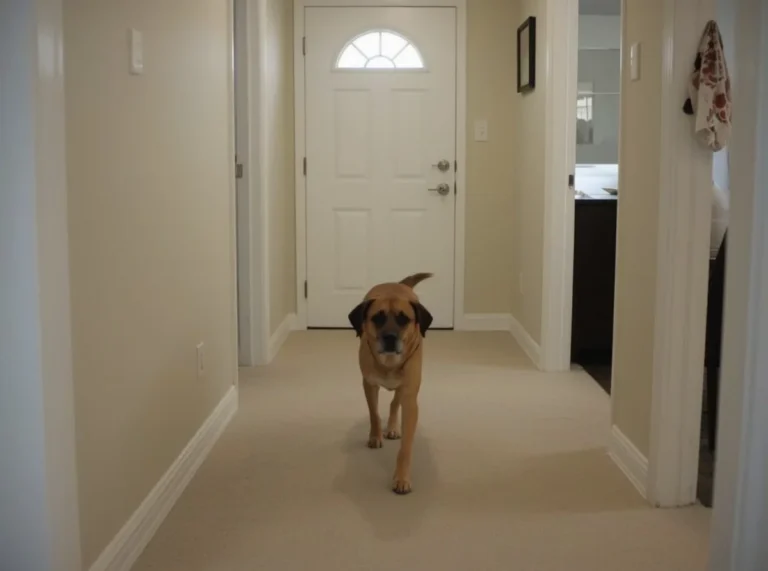
Owners often notice a chain of familiar behaviors. The dog lifts its head, opens its eyes, changes position, and then checks the room. Some dogs stay quiet and simply wait. Others stretch, yawn, or walk to the bedroom door as if they already know what comes next.
This pattern may be more obvious in certain homes than in others. A quiet house with a steady schedule can make the timing easier to predict. A busy household may create a similar effect through movement, voices, kitchen sounds, or lights turning on at roughly the same hour each day.
Small Clues That Usually Appear Before Full Wake-Up
- Ear movement toward familiar sounds
- Head lifting before the rest of the body
- Watching the hallway or bedroom door
- Restless shifting or repositioning
- Soft whining, sighing, or a slow walk toward the person
These details matter because they show that waking is often a gradual process. The dog may not be reacting to one dramatic signal. Instead, it is responding to a cluster of predictable cues that have become part of the morning routine.
Why Dogs Become So Time-Aware
Dogs do not read clocks, but they are very good at recognizing patterns. They notice when breakfast usually appears, when a person gets out of bed, and when the home becomes active. Over time, those repeated events create a reliable mental schedule.
The body also plays a role. Dogs have daily biological rhythms that influence sleep and alertness. These rhythms help explain why some dogs become more awake at similar times, even if the exact household conditions are not identical every day. A dog can be half-asleep one moment and suddenly fully alert because the internal system has already started shifting.
A dog’s consistent wake-up time is often the result of learned routine, body rhythm, and environmental cues working together. It is rarely one single reason.
This is why some dogs seem to wake before the owner moves at all. The behavior may look uncanny, but the dog has usually learned the pattern so well that even small changes in the environment are enough to trigger it. A slight sound from the kitchen, a change in light under the door, or movement in the hallway may be all it takes.
Feeding Time Often Shapes the Clock
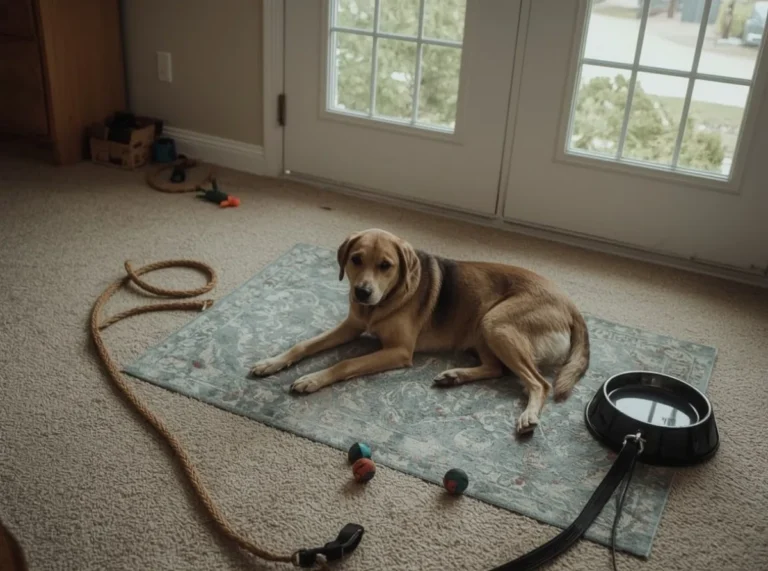
Food is one of the strongest forces behind regular wake-up behavior. If breakfast has arrived at the same time for weeks or months, the dog begins to expect it. Expectation is powerful. A dog that knows food is coming may wake early simply to be ready for the next step.
This does not always mean the dog is hungry in a physical sense. Sometimes it is more about anticipation than hunger. The dog remembers the sequence: wake up, people move, food appears, day begins. Once that pattern is established, the dog may wake at the same hour even if the meal is delayed once in a while.
Dogs are especially likely to notice food-related timing when the household is very consistent. If the bowl comes out at 7:00 every morning, the dog may start waking a little before 7:00. Even subtle changes in human behavior, such as walking toward the kitchen earlier than usual, can trigger the dog’s internal expectation.
Common Feeding-Related Wake-Up Triggers
- The sound of a food container opening
- A person entering the kitchen at a usual hour
- The smell of breakfast or coffee
- The movement pattern that usually leads to feeding
- The dog’s own growing anticipation of a regular meal
When food is part of the trigger, the timing often becomes more exact over time. The dog learns that being awake early helps it avoid missing the routine, so it starts adjusting before the household even begins the next step.
Light, Sound, and the Home Environment
Many dogs wake at the same time because the environment itself becomes predictable. Morning light can seep into a room at about the same hour every day. Street noise may begin as traffic picks up. Neighbors leave for work. Doors close. Water runs in the pipes. A dog hears all of it.
Dogs are sensitive to sounds that humans ignore. A floorboard creak, the click of a heater, or a faraway truck may become a signal that the house is moving toward morning. Even if the person in bed does not notice, the dog may already be tracking those changes.
Light can matter too. Dogs often wake when the room gradually brightens. If curtains are open, the same dawn pattern can make the dog’s body shift into a lighter sleep state around the same time each day. Seasonal changes may alter the timing a little, but the pattern often remains recognizable.
Environmental cues can act like a silent alarm clock. A dog may wake not because it is bored or demanding, but because the room, the noise level, and the light all tell its body that morning has arrived.
In homes with irregular schedules, the environment can still create a pattern. The dog may wake when a child starts getting ready for school, when a partner returns from an early shift, or when the first routine sound in the house appears. The exact cue may differ, but the result is the same: consistent waking tied to predictable household events.
The Role of Attachment and Social Awareness
Dogs are social animals, and many wake times reflect that social connection. A dog may rise when its favorite person does, or shortly before that person wakes, because the dog has learned to follow the household’s social rhythm. In some homes, waking at the same time is part habit and part relationship.
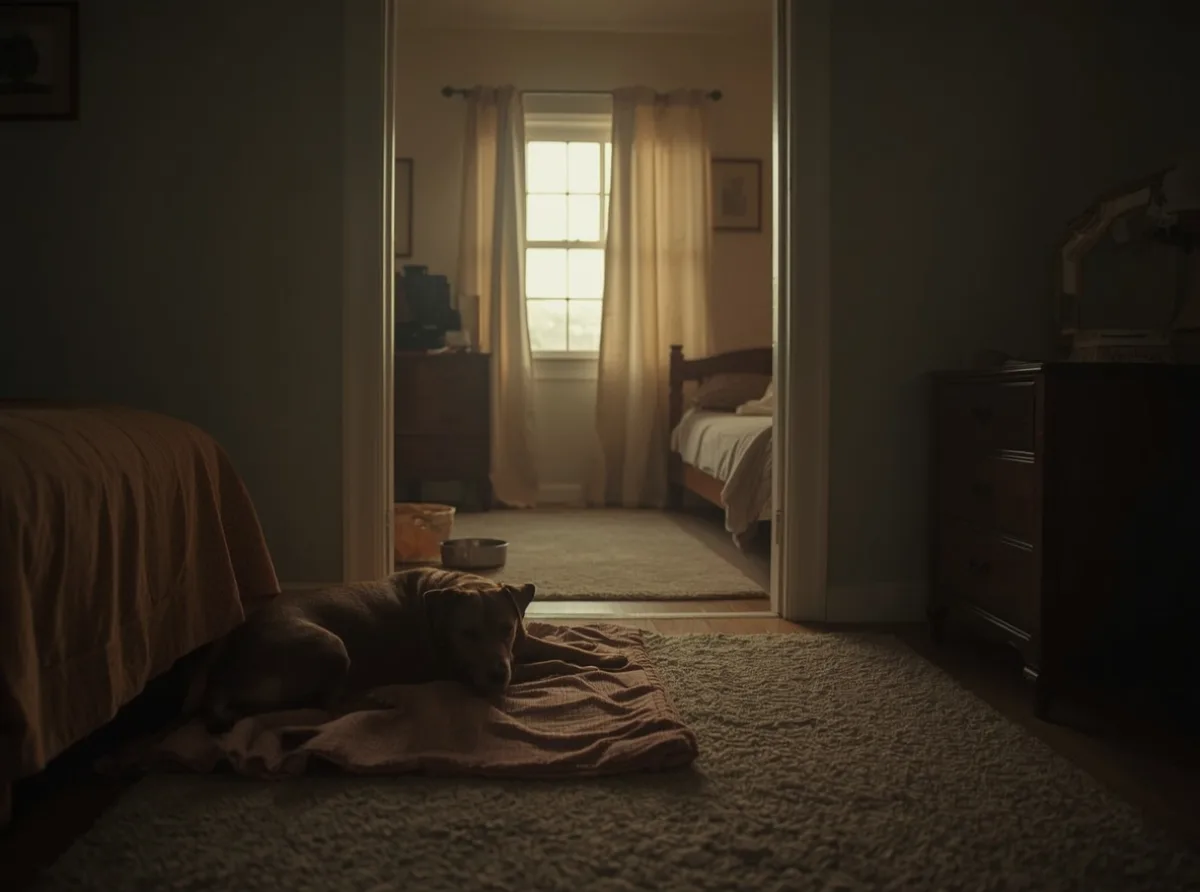
This is especially common with dogs that like to stay close to their people. They pay attention to breathing changes, bed movement, and shifts in posture. A dog resting near the bed may notice the smallest sign that the person is about to wake and respond immediately. What looks like perfect timing is often careful observation.
Attachment does not always mean anxiety. A dog can be deeply bonded without being stressed. It may simply prefer to start the day when the household does. The behavior can feel comforting because it shows the dog is tuned in, but it is still worth watching the overall body language. Relaxed dogs usually look soft and settled, not tense or frantic.
More Relaxed Signs
- Loose body posture
- Gentle stretching before rising
- Quiet waiting near the bed
- Soft eyes and calm breathing
- Easy settling again if nothing happens right away
When the wake-up pattern is rooted in social connection, the timing often stays stable even without food nearby. The dog is responding to the person’s rhythm, not just to breakfast or outside noise.
When Wake-Up Timing Reflects Energy and Activity Needs
Some dogs wake at the same time because their daily energy level naturally builds by morning. They may sleep soundly for hours, then become more alert once enough rest has passed. Active breeds, younger dogs, and dogs with less daytime stimulation can fall into this pattern easily.
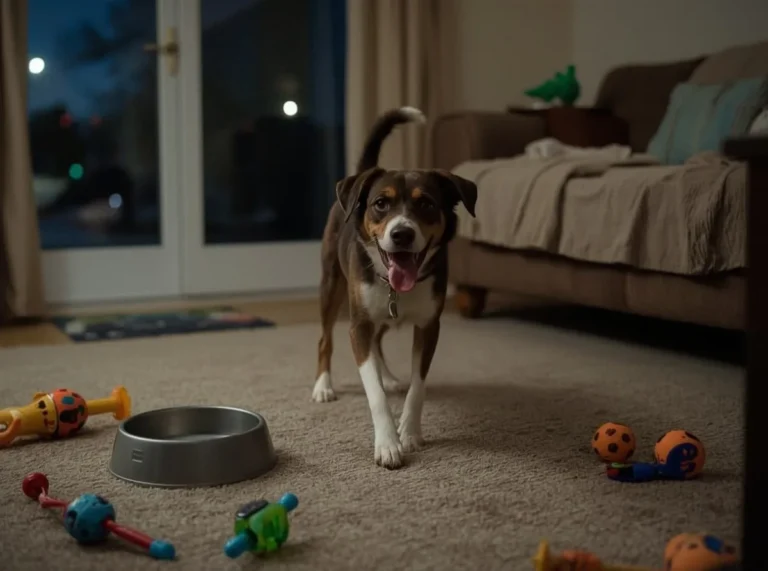
This kind of waking is not necessarily a problem. It may simply mean the dog is ready to start its day. Once awake, it might want to move, go outside, or check what is happening in the house. A dog with unused energy may also wake consistently because the morning is the first chance to engage with the world.
Exercise and mental activity can affect this pattern over time. A dog that gets enough activity during the day may stay asleep longer and wake more calmly. A dog that is under-stimulated may wake at the same time but with more restlessness, pacing, or attention-seeking.
Regular wake-up time does not automatically mean the dog is too energetic. The important question is what the dog does after waking: settle, rest, wait, or escalate into restless behavior.
That difference matters because two dogs can wake at the same hour for very different reasons. One may be relaxed and ready. Another may be frustrated by lack of activity, or eager to start a predictable chain of events that finally brings attention.
What the Behavior May Say About Emotional State
Waking at a similar time can feel ordinary, but the emotional tone behind it can vary. A calm dog may wake with a loose body, look around, and stay settled until the routine starts. A more stressed dog may wake early, monitor the room constantly, and seem unable to relax again.
Body language helps separate these possibilities. A dog that is comfortable usually looks open and unhurried. A dog that is tense may keep scanning, lick its lips repeatedly, or change positions often. The wake-up itself is not the main clue. The way the dog behaves around it is more revealing.
Some dogs wake at the same time because they feel secure in the pattern. Predictability can be reassuring. The house feels familiar, the sounds are expected, and the morning sequence is clear. That can create a sense of ease rather than concern.
Signals That Deserve Closer Attention
- Restless pacing instead of quiet waking
- Repeated whining or barking at the same time each morning
- Hard staring at doors, people, or windows
- Difficulty settling after waking
- Sudden changes in sleep timing without an obvious reason
These signs do not prove a problem on their own. They simply suggest that the dog may be responding to more than routine. Pain, hunger, noise sensitivity, or tension in the home can all influence morning behavior.
Why the Pattern Can Stay Stable for Years
Once a dog learns a wake-up routine, it can stay in place for a long time. Dogs are good at remembering repeated daily events. If the household has followed the same structure for months or years, the dog’s body and mind may continue honoring it even when little details change.
Stability is one reason the behavior can seem so precise. The dog remembers not just the time, but the sequence that follows the time. It may know that a person usually gets up, a door opens, a light switches on, and the day begins. That chain becomes deeply familiar.
Even when the routine shifts, the dog may hold onto the old timing for a while. A late night may not immediately change the wake-up habit. A new work schedule may take weeks to reset. Some dogs adjust easily, while others continue waking at the old hour because that is the pattern they trust most.
A regular wake-up time is often a sign of strong memory, not stubbornness. The dog has learned what usually happens next and is waiting for it.
When the Same-Time Wake-Up Is Less About Time and More About Context
In many homes, the dog is not truly waking because the clock says a certain hour. It is waking because the same conditions happen at roughly that hour. The difference matters. Dogs respond to patterns of context, not numbers on a screen.
For example, the dog may wake when the first bedroom door opens, when the heater clicks off, or when a family member shifts in bed. If those events usually happen together, the behavior looks like timekeeping. In reality, it is a layered response to environmental signals that repeat each day.
That is why changing one part of the routine can shift the wake-up time. Closing blackout curtains, changing feeding time, reducing early morning noise, or adjusting how people enter and leave the room can all affect when the dog stirs. Small adjustments often have more influence than people expect.
Situations That Commonly Reinforce the Pattern
- Breakfast always following the same wake-up window
- The dog receiving attention immediately after waking
- Morning walks happening at the same hour
- The house becoming louder at a predictable time
- Owners responding quickly every time the dog gets up
When those elements repeat, the pattern strengthens. The dog learns that waking at that time is useful, comfortable, or rewarding, so the behavior becomes even more consistent.
Different Dogs, Different Timing Patterns
Not every dog wakes on the same schedule for the same reason. Older dogs may wake because their sleep becomes lighter. Puppies may wake early because they need more frequent bathroom breaks and more guidance through the day. Adult dogs often follow household routine most closely, especially when they have spent a long time in the same environment.
Breed tendencies can shape the picture too, though they do not determine it completely. Dogs that are highly alert, deeply social, or very routine-oriented may lock onto timing more quickly. More independent dogs may still wake at the same hour, but they may show less obvious excitement about it.
Health also matters. A dog that suddenly begins waking much earlier, or starts waking at a new consistent time, may be experiencing something physical or emotional that changes sleep quality. Pain, digestive discomfort, noise sensitivity, and age-related changes can all influence morning timing.
A new wake-up pattern deserves attention when it appears suddenly, becomes more intense, or comes with other changes in appetite, movement, or mood.
Consistency over time is usually what makes the behavior feel normal. A stable pattern with relaxed body language often reflects routine and comfort. A shifting pattern with stress signals asks for a closer look.
The Quiet Logic Behind the Habit
Dogs wake at the same time because their lives are built around repetition. Meals, movement, sounds, and social contact all create a dependable shape to the day. Once a dog learns that shape, it begins to wake in anticipation of it.
That is why the behavior often feels so precise without actually being a mystery. The dog is responding to a familiar world. It knows the household rhythm better than many people realize, and it uses that knowledge to prepare for morning long before the alarm rings.
In a calm home, the pattern can look almost elegant. The dog stirs, checks the room, and waits. In a busier home, the same habit may be louder and more visible, but the logic is similar. The dog has learned when the day begins, and its body follows that lesson.
For many dogs, waking around the same time is simply part of how they live alongside people. It reflects memory, awareness, and adaptation. The routine may start in the environment, but over time it becomes something the dog carries inside its own daily rhythm.