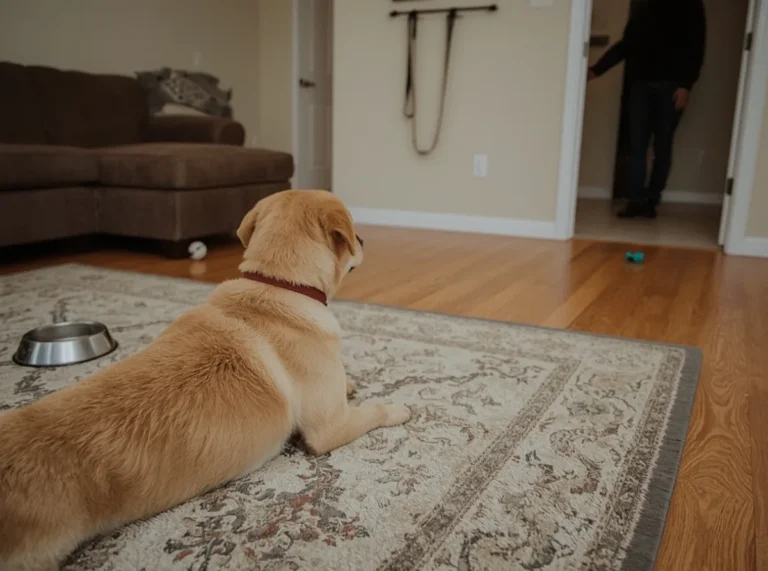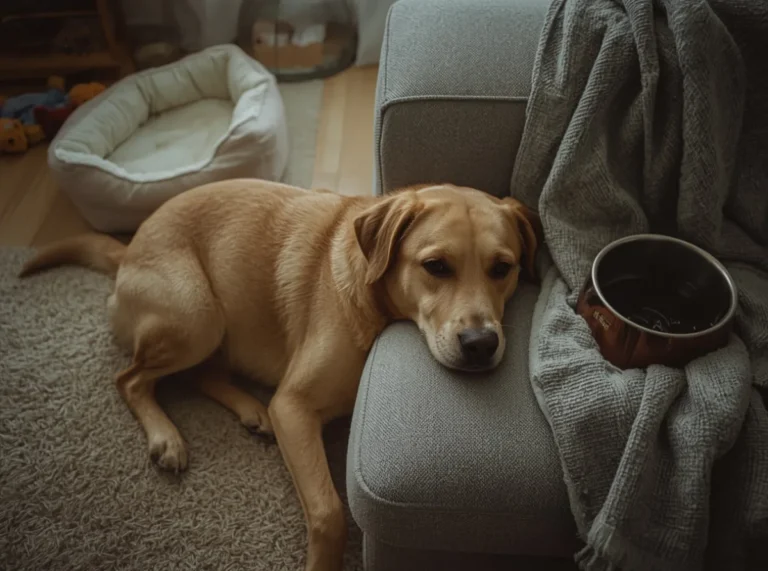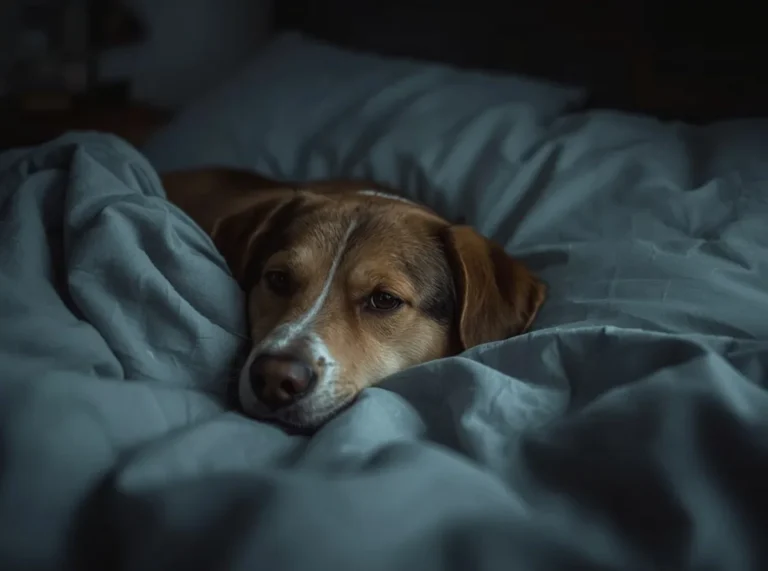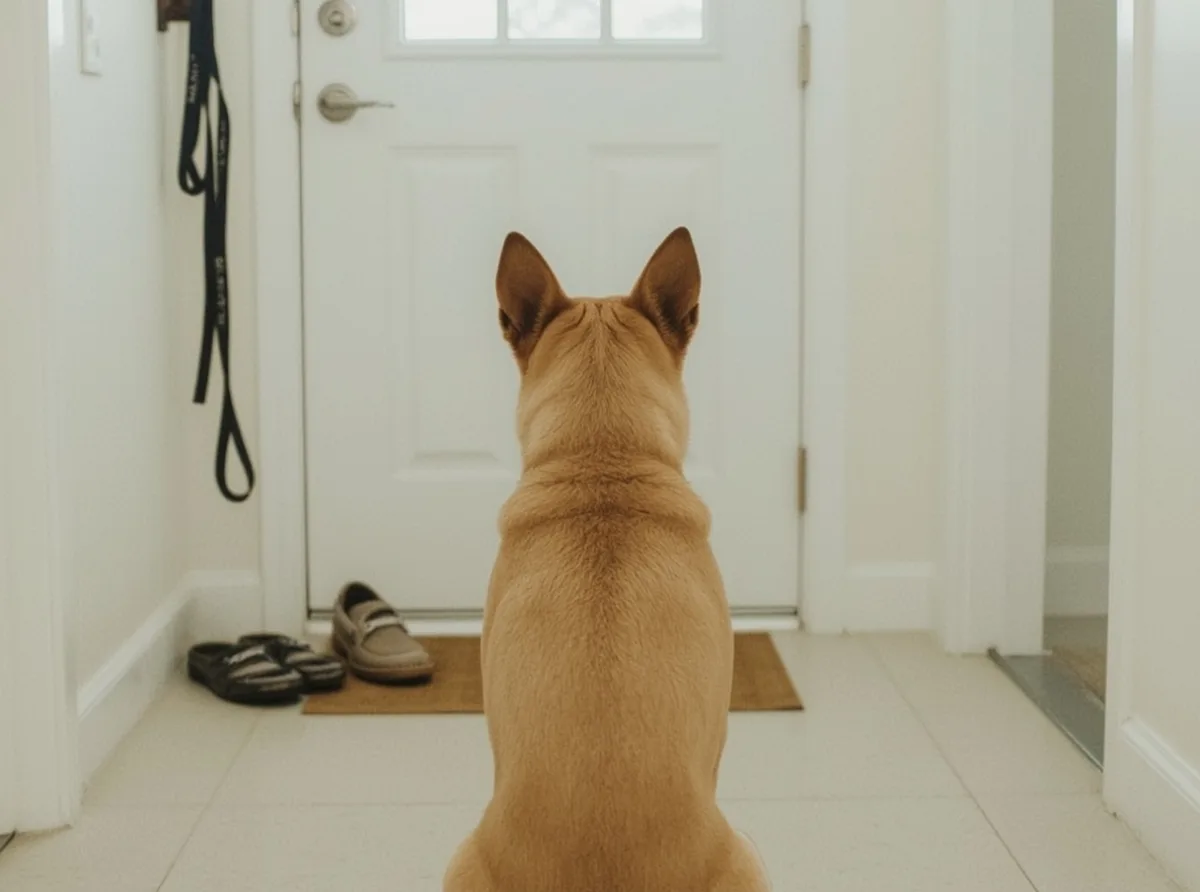
A dog waiting near the door can look simple at first glance. The body may stay still, the ears may turn toward every sound outside, and the eyes may keep checking the same spot again and again. For many dogs, the door is more than a piece of the house. It is a place where action starts, where routine changes, and where important people usually appear.
Some dogs wait there quietly for minutes. Others pace back and forth, shift their weight, or sit with unusual intensity. The behavior can seem sweet, stubborn, anxious, or even a little mysterious depending on the dog and the moment. In daily life, it often means the dog has learned that the door is connected to someone, something, or a predictable event.
That connection matters. Dogs do not wait near the door for no reason. They respond to memory, habit, sensory information, emotional attachment, and the simple fact that doors often lead to interesting things. A dog may be expecting the owner’s return, hoping for a walk, listening for footsteps, or reacting to a household pattern that has become part of everyday life.
What the Behavior Looks Like in Everyday Life
Waiting by the door does not always look the same. One dog may lie down with a relaxed face and occasional ear twitches. Another may stand with a stiff posture, eyes fixed on the handle, as if ready to spring up the second it moves. Some dogs choose the front door, while others stay near a side entrance, a garage door, or the room where the family usually comes and goes.
The behavior often becomes noticeable during certain times of day. A dog may start waiting when the owner’s return hour gets close, when keys jingle, or when familiar shoes appear. Some dogs even recognize tiny routines, like the sound of a lunch break or the moment the house begins to quiet down before evening.
In many homes, the waiting is mixed with other signals. The dog may glance between the door and the window, move only when a sound is heard, or settle near the entrance after pacing for a while. The pattern can be calm or intense, depending on the dog’s temperament and the environment around them.
A dog waiting at the door is often reading a pattern, not simply “being stubborn.” The behavior usually reflects expectation, memory, and attachment at the same time.
Why Dogs Commonly Wait Near the Door
One of the most common reasons is association. Dogs learn quickly that the door is where the owner leaves and returns. If the owner often comes through the same entry, the dog begins to treat that spot as meaningful. The brain connects the door with reunion, movement, and whatever usually happens next.
Another reason is anticipation. Dogs are very good at noticing routines, and many households follow patterns that seem invisible to people. A dog may know that the door opens around the time the family gets home, and waiting there becomes a practical response to that expectation. The dog is not guessing randomly. It is using repeated experience.
There is also a social reason. Dogs are group-oriented animals. They pay close attention to the movement of their people and often want to stay close to the center of household activity. The door can become a kind of checkpoint, a place where the dog feels connected to the comings and goings of the home.
Common triggers that bring the dog to the door
- Footsteps approaching outside
- Keys, handbags, or work shoes
- The sound of a car pulling in
- A daily time tied to walks or meals
- Changes in household energy, such as people getting ready to leave or return
Some dogs are especially tuned to sound. They may hear a familiar engine long before a person arrives, then move to the door immediately. Others rely more on household routines than on outside cues. Both are normal. The behavior is often a mix of learned timing and emotional expectation.
Emotional Reasons Behind the Habit
Attachment plays a large role. Many dogs feel safest when they know where their owner is or when that person is expected back. Waiting near the door can reflect a strong bond, especially in dogs that follow their owner from room to room and become unsettled when left alone for long stretches. The door becomes the place where connection is most likely to resume.
For some dogs, the behavior is driven by mild separation discomfort. They may not be in distress, but they can still feel uneasy when the owner is out of sight. Sitting by the door may help them cope with that uncertainty. Being close to the point of return can feel like staying prepared.
Excitement is another emotional layer. If the dog knows that the owner’s arrival usually leads to attention, play, food, or a walk, the waiting can be full of positive expectation. The dog may not be worried at all. It may simply be thrilled by what is likely to happen next.
Waiting at the door can mean affection, anticipation, or unease. The body language around the behavior helps tell the difference.
Subtle Signals That Often Come With the Behavior
The posture of the dog usually gives more context than the waiting alone. A relaxed dog may rest on one hip, blink slowly, and lift its head only when a sound appears. A more alert dog may stand tall, keep muscles tight, and stare at the doorway without much movement. These details matter because they shape the meaning of the behavior.
Eye contact also offers clues. Some dogs briefly check the owner’s usual entry point and then relax again. Others keep a hard, fixed gaze, as if they are tracking every tiny change. A soft expression usually points to calm expectation, while a tense stare can suggest vigilance or uncertainty.
Movement patterns tell part of the story too. A dog that lies down and waits may be settled. A dog that circles, scratches lightly at the floor, or changes position constantly may be more aroused or restless. None of these signs should be read in isolation. The full picture comes from the dog’s overall body language.
Relaxed waiting often includes
- Loose body and soft facial muscles
- Easy breathing
- Occasional resting or shifting position
- Brief attention to sounds, then calm again
More intense waiting often includes
- Stiff posture
- Frequent pacing
- Whining or alert barking
- Constant focus on the entryway
A dog can move between these states depending on the time of day or what is happening in the household. A calm dog at noon may become much more alert around the usual arrival hour. Context changes everything.
How Routine Shapes the Behavior
Dogs are strongly influenced by repetition. If the owner leaves at the same time each morning and returns at the same time each evening, the dog learns the pattern quickly. The door becomes the landmark that marks the beginning and end of predictable events. Over time, the waiting behavior can become almost automatic.
Homes with more change often create different waiting patterns. In a busy household, a dog may learn that people come and go all day, so the door becomes a frequent watch point. In a quieter home, the dog may wait more intensely because arrivals are rarer and therefore more meaningful. The same behavior can look different depending on the rhythm of the house.
Stimulation also plays a role. A dog that has had enough exercise, social interaction, and mental engagement may still wait near the door, but with less tension. A dog that is bored or under-stimulated may watch the doorway for longer periods and may have more trouble settling elsewhere. In that case, the door is not only about reunion. It may also be the most interesting place in an otherwise dull environment.
| Household pattern | Likely waiting style | What it may reflect |
|---|---|---|
| Predictable daily schedule | Calm, routine-based waiting | Learned timing and expectation |
| Busy comings and goings | Frequent checking, alert posture | High awareness of household activity |
| Quiet home with long absences | Longer waiting, more door focus | Strong attachment or limited stimulation |
What the Behavior May Signal About the Dog’s Emotional State
Not every dog waiting at the door is feeling the same thing. A relaxed dog may be content to pause there and remain watchful without strain. This kind of waiting often looks peaceful, almost like a favorite lookout spot. The dog is interested, but not troubled.
Some dogs show a more needy pattern. They may wait near the door because they want reassurance that the owner will come back. These dogs may be more sensitive to time alone, sudden schedule changes, or long gaps without interaction. Their waiting can increase after major household changes, such as a move, a new work schedule, or the loss of another pet.
Then there are dogs that seem on edge. They may wait at the door with urgency, vocalize more, or struggle to settle even after the owner has returned. In these cases, the behavior may point to a deeper emotional state such as anxiety, frustration, or over-arousal. The door is not just a meeting point; it is the location where tension builds.
If a dog’s waiting becomes more intense over time, or it is paired with pacing, distress sounds, or trouble calming down, the behavior deserves closer attention.
Why Owners Sometimes Misread It
People often assume a dog waiting by the door is simply being loyal. That can be true, but it is not the whole picture. A dog may also be waiting because it has learned a reward sequence, because it feels uncertain when the owner is absent, or because it is anticipating a routine event such as a walk. The same posture can have several meanings.
Another common misunderstanding is to label all door-watching as separation anxiety. Some dogs do experience anxiety, but many are only following a routine or listening for familiar sounds. The difference lies in the intensity and in what happens when the owner does not return right away. A calm watcher is not the same as a distressed dog.
Owners may also miss how much the environment shapes the habit. A dog near a window with a clear view of the street may wait more because it has visual cues. A dog in a house with thin walls may react to outside footsteps earlier than expected. The door behavior is often part instinct, part learning, and part environment.
Differences Between Calm, Playful, and Stress-Related Waiting
Calm waiting is usually easy to recognize once you know what to look for. The dog may lie down, breathe normally, and keep a loose body. It watches the door but can also disengage and rest. This form of waiting often appears in dogs that feel secure and know the routine well.
Playful waiting is more active. The dog may wag when it hears movement, pick up a toy near the door, or bounce lightly when the owner is close to arriving. This energy often appears when the dog expects a walk, a game, or an exciting greeting. The emotion is positive, but the arousal level can be high.
Stress-related waiting tends to look more rigid. The dog may remain fixed in place for long periods, pant without heat, whine repeatedly, or seem unable to settle anywhere else. It may also shadow the door after the owner leaves and show trouble relaxing even after the household goes back to normal. These patterns suggest the dog is not simply waiting. It may be struggling to manage uncertainty.
How the Behavior Can Change Over Time
Young dogs often wait near the door because they are still learning the household rhythm. They notice departures and arrivals, but they have not yet fully understood them. A puppy may sit by the door out of curiosity, then lose interest and chase something else. The behavior is often brief and inconsistent.
As dogs mature, waiting can become more organized. Adults usually settle into patterns based on routine. They know when the owner is likely to return and may position themselves accordingly. For many dogs, this becomes one of the most stable habits in the home.
Older dogs may wait near the door for different reasons again. Some become more attached with age and prefer to keep closer track of their people. Others may move more slowly, so waiting becomes less active and more passive. A senior dog might choose the entryway because it offers a clear place to rest while staying aware of what is happening.
Life stage differences often look like this
- Puppies: short, curious, inconsistent waiting
- Adults: stronger routine-based waiting
- Older dogs: slower, calmer, sometimes more attached waiting
When the Behavior Becomes More Noticeable
There are moments when door-waiting stands out more than usual. Changes in work schedule can make the behavior increase because the dog loses predictable timing. Visitors, deliveries, and household noise can also raise alertness. The dog may begin checking the door more often simply because the environment feels active.
Waiting may also intensify after the owner has been away longer than normal. A dog that usually waits briefly may become much more focused if the return is delayed. Some dogs handle this easily. Others show signs that the uncertainty is harder than the waiting itself.
The behavior can become more obvious after exercise patterns change too. A dog that is under-exercised may spend more time watching the door because it has extra energy and little else to do. A well-balanced dog often still notices the door, but it is less likely to remain locked onto it for long periods.
What Consistent Patterns Reveal
Consistency is often more informative than a single moment of waiting. A dog that always goes to the door at the same time each day is usually responding to a learned schedule. A dog that waits only when the owner is unusually late may be more sensitive to timing changes. A dog that waits near the door even when no arrival is expected may be reacting to environment, habit, or emotion in a broader sense.
Over time, owners can notice whether the behavior stays stable, grows stronger, or fades as routines change. That pattern says a lot. Stable waiting often means the dog has found a comfortable rhythm. Increasing waiting, especially if it becomes frantic, may mean the dog is becoming less comfortable with separation or uncertainty. Decreasing waiting can happen when the household routine changes or the dog finds another source of calm nearby.
Dogs are practical learners. They place themselves where they believe something important may happen. The door is important because it predicts movement, access, reunion, and change. Waiting there is often the most direct way a dog can say, “I am expecting something.”
The real meaning of door-waiting is usually found in the details: posture, timing, repetition, and the dog’s ability to relax when nothing happens.
Final Thoughts in Daily Life
When a dog waits near the door, it is usually doing something very ordinary in dog terms. It is tracking a pattern, watching a transition, and staying close to the place where the next event might begin. Sometimes that event is the owner’s return. Sometimes it is a walk, a meal, or a favorite routine.
The behavior is often rooted in attachment, but it is rarely only about affection. It also involves memory, habit, sensory awareness, and the dog’s comfort with uncertainty. A calm dog, a playful dog, and a stressed dog can all end up near the same doorway for very different reasons.
Watching how the dog waits tells the fuller story. The answer is often hidden in how still the body becomes, how often the dog checks the entrance, and whether the dog can settle when the moment passes. Near the door, a dog is not just waiting for a person. It is responding to the shape of daily life.