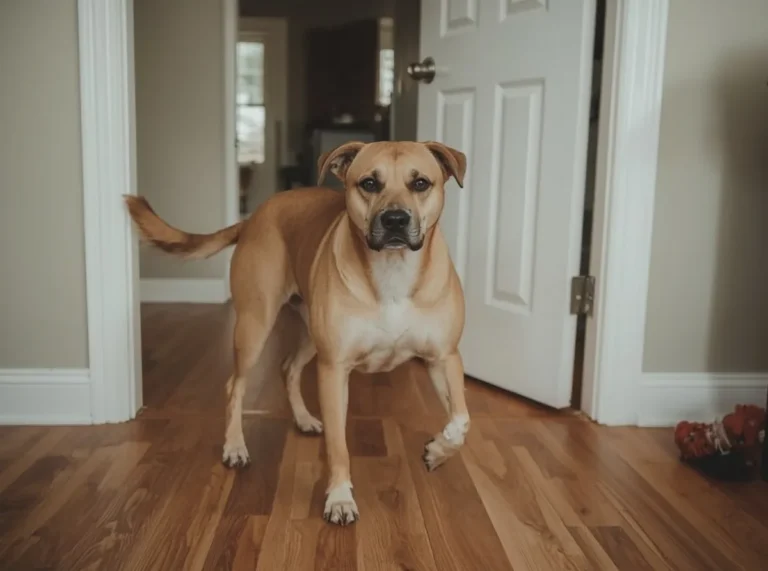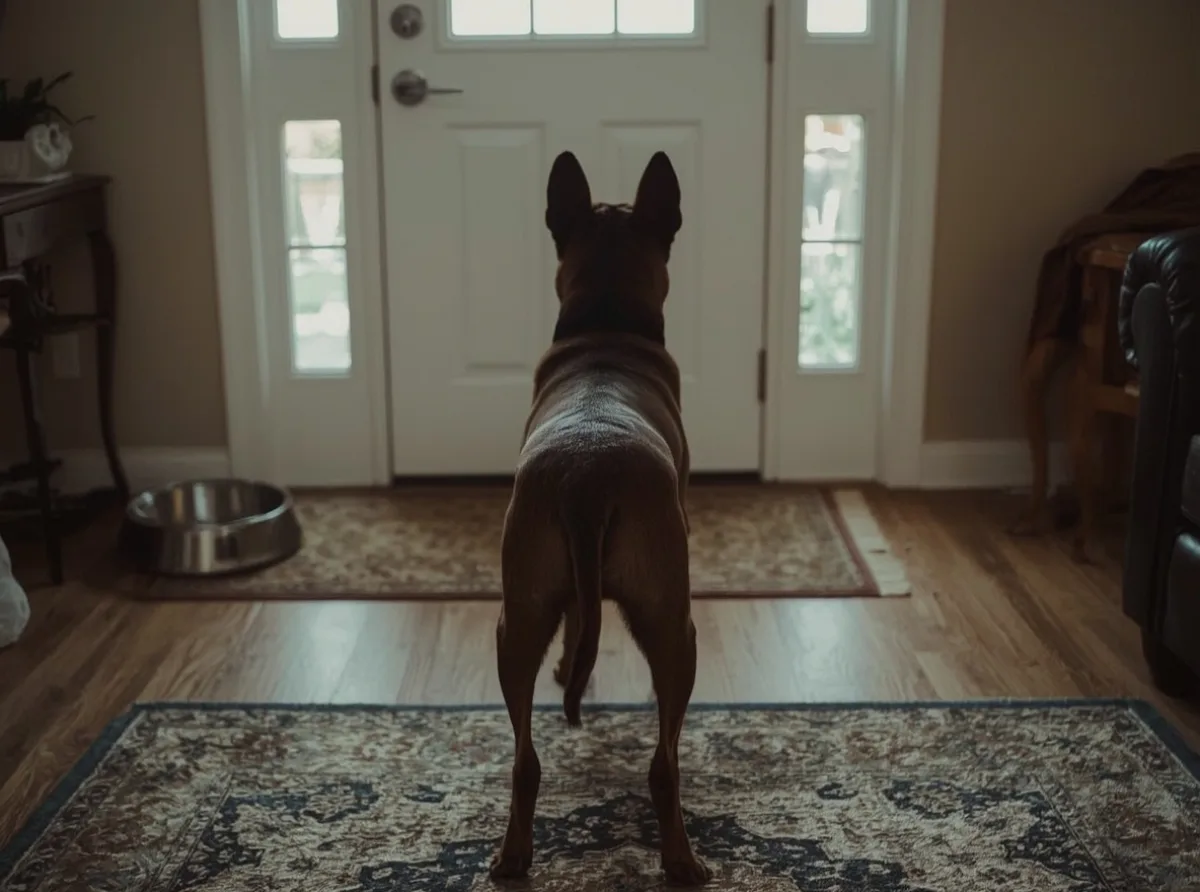
One minute a dog is lying on the floor, dozing, chewing a toy, or staring out the window with half-closed eyes. The next minute, everything changes. The body goes still. The ears lift. The eyes lock onto something you cannot immediately identify. No barking follows, but the dog is clearly not relaxed anymore.
This kind of sudden alertness can feel odd because barking is what many people expect from an excited or concerned dog. But silence does not mean the dog is calm. In many cases, quiet alertness is actually more revealing than noise. It can show focus, curiosity, concern, or a quick shift into watchful mode.
Dogs use their whole bodies to communicate. A dog that becomes very alert without barking is often telling you that something in the environment has changed, even if the change is subtle to you. The reason may be harmless, like a distant sound or a scent drifting through an open window. It may also reflect a deeper internal reaction, such as uncertainty or tension.
Understanding that silent alertness starts with noticing the full picture. The question is not only what the dog is looking at, but how the dog is holding the body, how fast the change happened, and whether the behavior passes quickly or lingers. Those details matter more than the absence of sound.
What sudden alertness often looks like
Silent alertness usually has a very recognizable shape. The dog pauses mid-movement, lifts the head, and stares toward a sound, smell, or sight. The body may become tall and still. Breathing often slows. The tail may stop wagging or hold in a fixed position.
Sometimes the change is almost theatrical in how fast it happens. A relaxed dog can shift into full attention in a second. No barking, no pacing, no visible fuss. Just a complete reorientation toward something that matters to the dog.
In everyday life, this might happen when a delivery truck stops outside, when another dog walks past the house, or when an unfamiliar scent enters through a cracked door. It can happen during a quiet evening, during meal prep, or while the dog is resting and notices a small movement in another room.
Common body language that goes with it
- Ears pointed forward or turned sharply toward a sound
- Eyes fixed with little or no blinking
- Head raised above the normal resting position
- Body held still, sometimes with weight shifted forward
- Closed mouth and tight facial muscles
- Tail held high, level, low, or completely motionless depending on the dog
A dog can be alert without showing obvious distress. In those moments, the behavior may simply mean concentration. But the same stillness can also show a dog trying to assess whether something is safe. The difference is often in the rest of the posture: loose and curious versus tight and guarded.
Why dogs become alert without making a sound
Dogs are naturally observant animals. They notice movement, sound, smell, and routine changes quickly. A dog that suddenly becomes alert without barking is often reacting first and deciding later. The silent pause gives the dog time to gather information before choosing whether to stay still, move closer, leave the area, or vocalize.
That reaction makes sense from a canine point of view. Barking is only one possible response, and it is not always the first one. Many dogs rely on quiet observation when something is new or unclear. They may be curious, cautious, or both at the same time.
In some cases, silence is linked to a dog’s personality. Some dogs are naturally reserved and tend to watch before they react. Others are highly tuned in to their surroundings and switch into alert mode whenever something changes. Neither pattern is unusual.
Sudden alertness without barking often means the dog is processing information first. The dog may not be ready to react outwardly yet, but the mind is already engaged.
Possible internal reasons behind the behavior
Not every alert reaction is about the environment alone. Sometimes the trigger is inside the dog. A dog that is tired, overstimulated, anxious, or uncertain may become highly watchful without making a sound. The silence can actually reflect restraint rather than calm.
Dogs often hold back vocalization when they are unsure. Some freeze. Some stare. Some shift into a tense, controlled stillness. This can happen when a dog senses something unfamiliar but has not decided how to respond. The behavior may also appear when a dog is trying to stay quiet in a situation that feels important, such as hearing someone at the door or noticing a strange noise at night.
Emotional state matters too. A dog that is worried may become intensely alert without barking because the nervous system has switched into a scanning mode. The dog is monitoring the environment closely, almost as if waiting for more evidence before reacting.
Internal states that can show up this way
- Curiosity about a new sound or smell
- Uncertainty about what is happening
- Quiet worry or mild anxiety
- Overstimulation after too much activity
- Anticipation, such as expecting food, a walk, or a visitor
- Heightened attachment to a person’s movement or routine
Sometimes a dog also becomes suddenly alert because of past experience. A familiar sound that once led to a visitor, a squirrel, or a noise outside may create an immediate watchful response. The dog is remembering a pattern and preparing for what might come next.
How environment shapes quiet alertness
The setting around the dog plays a major role. A calm, predictable home can still produce sudden alertness when a small change breaks the routine. Dogs notice patterns in daily life more than many owners realize. They know when a person usually comes home, when the house gets louder, and when the neighborhood becomes active.
In a quiet home, even a minor sound can stand out. The floorboard upstairs, a car door outside, or a distant dog barking down the street may be enough to trigger a silent, focused response. In a busier home, the dog may already be exposed to more sound and movement, so alertness may show up when something unusual cuts through the normal background activity.
Routine matters as well. Dogs often respond strongly when a normal sequence changes. If dinner is later than usual, if the usual walk time passes, or if a family member arrives at a different hour, the dog may become alert and watchful. The dog is not necessarily anxious, but the pattern has shifted.
Environmental triggers that commonly cause sudden alertness
- Footsteps in the hallway or upstairs
- Knocks, doorbells, or keys at the door
- Wildlife, cats, or other dogs outside
- Unfamiliar smells drifting in from outside
- Shifts in household noise, like a vacuum or appliance
- Changes in lighting, weather, or outdoor movement
Dogs also notice details in the yard or on walks that humans miss. A frozen posture near a fence, a sudden look into the bushes, or a quick turn toward a parked car can all happen without a single bark. The dog may be tracking motion or scent with impressive focus.
What the behavior may signal about the dog’s emotional state
Silent alertness is not one feeling. It can sit at the intersection of several states at once. A dog may be interested, slightly uneasy, and ready to act if needed. That mix can be hard to read unless you pay attention to the rest of the body.
When the alertness is relaxed, the dog often looks engaged but not tense. The body stays balanced, the mouth may remain soft, and the dog can switch attention away without difficulty. This is common when a dog hears a sound that is new but not threatening.
When the alertness is defensive or stressed, the body often stiffens. The dog may lean forward, hold the breath, stare intensely, or refuse to look away. The posture can look controlled, but the tension underneath is higher. Some dogs go still before they bark, while others remain silent for the entire episode.
A quiet, fixed stare can be a sign of interest, but it can also be a sign that the dog feels responsible for monitoring the situation. The difference shows up in the muscles, not just in the silence.
It helps to think of alertness as information rather than a diagnosis. The behavior tells you the dog has noticed something meaningful. It does not automatically mean fear, aggression, or a training problem. Context decides more than the sound level does.
How owners often misread the silence
Many people assume a barking dog is the one reacting and a quiet dog is the one staying calm. In reality, silence can hide a lot of activity. Some dogs become most intense when they are quiet because they are gathering information or trying to stay composed.
Owners may also overlook silent alertness because it does not interrupt the room. A dog that stares at the front door for thirty seconds may seem harmless. Yet if the same behavior appears every time someone passes outside, the dog is clearly tracking a pattern. If the dog’s posture grows tighter each time, the emotional load may be increasing.
Another common misunderstanding is assuming the dog is being stubborn or ignoring commands. A dog in a highly alert state may not process requests normally. The brain is focused elsewhere. That does not mean the dog is disobedient. It means attention has narrowed.
Signs that the alertness is more than simple curiosity
- The dog does not relax even after the trigger passes
- The posture becomes rigid instead of loose
- The dog ignores familiar cues or names
- There is repeated scanning of the same area
- The mouth is tight, closed, or lip licking appears
- The dog avoids moving or seems reluctant to shift position
Curiosity usually comes and goes. Stress often lingers. That difference is one of the most useful clues when you are trying to understand a silent reaction.
Subtle signals that often appear alongside alertness
The most useful information is often in the small details. A dog that becomes suddenly alert without barking may also show tiny changes in expression and movement. These signs can be brief, but they are meaningful.
Some dogs pull one ear forward and leave the other relaxed. Some turn the head slightly rather than fully. Some angle the body toward the source while keeping the feet planted. Others lift a paw, freeze, or give a very soft exhale through the nose.
These signals help distinguish watchful interest from emotional strain. A loose but attentive dog may still respond to a person’s voice, accept touch, or return to resting once the novelty passes. A more tense dog may stay locked on the trigger and resist shifting gears.
When the head turns but the rest of the body stays easy, the dog is often checking something out. When the whole body stiffens at once, the emotional meaning is usually stronger.
How household habits can shape the pattern over time
Dogs learn from repetition. If sudden alertness is followed every time by a person rushing over, opening the window, or speaking in a tense voice, the dog may become even more reactive to the same kinds of events later. The pattern does not have to involve barking to become reinforced.
On the other hand, if the dog notices a sound, gets a calm response, and sees that nothing important happens, the alert episode may fade quickly. Many dogs settle more easily when the environment feels predictable and the human reaction stays steady.
Daily stimulation also matters. A dog that has been under-exercised or under-engaged may react more strongly to minor changes because the surrounding world has become the main source of mental activity. A dog with enough physical movement, mental enrichment, and sleep often shows the same alertness less intensely.
Patterns that can make silent alertness more noticeable
- Long periods of boredom or low activity
- Irregular schedules
- Frequent household noise shifts
- Exposure to a lot of outdoor movement through windows or fences
- Changes in visitors, work schedules, or family routines
- Too much excitement without enough rest
Some dogs also become especially alert in the evening or at night. Reduced background noise can make small sounds stand out more, and a tired dog may be slower to shift out of watchfulness. In those moments, the behavior is often less about the sound itself and more about the dog’s readiness level.
When silent alertness appears most often
The behavior tends to show up in predictable places. Near doors and windows, for example, dogs often respond to sounds and movement outside. In the car, they may abruptly focus on passing animals or strange activity on the roadside. In a yard, a dog may lock onto something beyond the fence and become motionless without vocalizing.
It also appears in rooms where the dog feels responsible for monitoring the household. Some dogs naturally position themselves near entry points or central spaces. They notice the first change and respond before anyone else does.
In multi-dog homes, one dog’s alertness can trigger another’s. The first dog may stay quiet, but the second may pick up on the shift and join the watch. That chain reaction can happen even when there is no obvious threat.
Long-term meaning depends on consistency
A single silent alert episode usually means very little on its own. What matters is whether the behavior repeats in similar settings and whether the dog appears tense, relaxed, or quickly recoverable each time. Consistency paints the real picture.
If the dog becomes alert once in a while and then settles easily, the behavior may simply be part of normal environmental scanning. If it happens every day in the same places, or if the dog becomes increasingly stiff over time, the pattern deserves closer attention.
Age, breed tendencies, and personal history all shape the pattern too. Some dogs are naturally more watchful. Herding breeds, guardians, and many sensitive companions often notice changes faster than less vigilant dogs. That does not make the behavior a problem by itself. It just means their internal threshold for attention may be lower.
The same silent alertness can be normal in one dog and concerning in another. The deciding factor is the dog’s usual temperament and the way the body behaves before, during, and after the moment.
What to observe without overreading it
It helps to watch for the full sequence. What happened right before the alert? How long did it last? Did the dog soften afterward, or stay fixed in place? These questions often explain more than the alert moment alone.
Notice whether the dog can break eye contact and return to normal activity. Notice whether the mouth loosens, the tail resumes movement, or the dog chooses a different spot. These are signs that the nervous system has moved on.
If the dog repeatedly becomes very alert in the same situations and cannot settle, that pattern is worth taking seriously. Silent does not mean mild. Some dogs communicate intensity by becoming still instead of loud.
Calm closing perspective
A dog that suddenly becomes very alert without barking is usually responding to information that matters to that dog, even if the source seems minor from a human point of view. The behavior can come from curiosity, instinct, uncertainty, routine awareness, or a mild stress response. Often it is a mixture rather than a single cause.
The most useful clues are not dramatic. They are small: the ears, the mouth, the stance, the speed of recovery, and the pattern over time. A quiet alert dog is not necessarily unhappy or overreactive. It is simply paying close attention, and that attention is telling you something about the world as the dog experiences it.