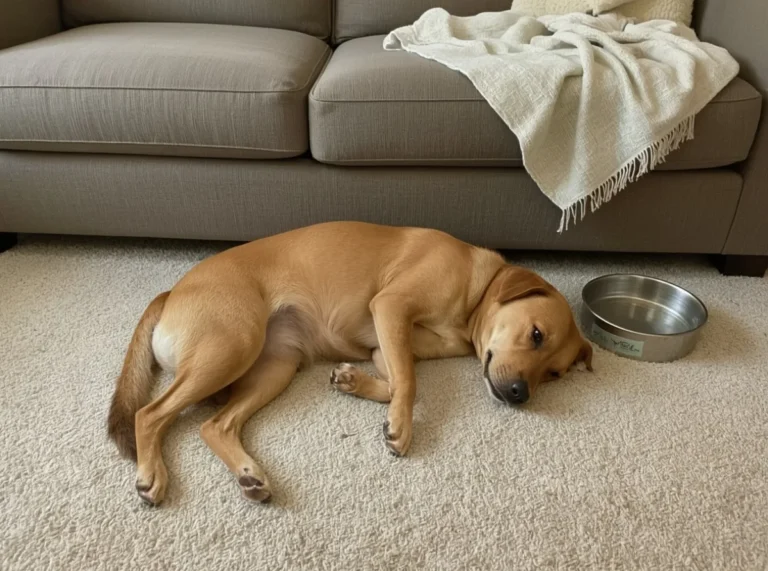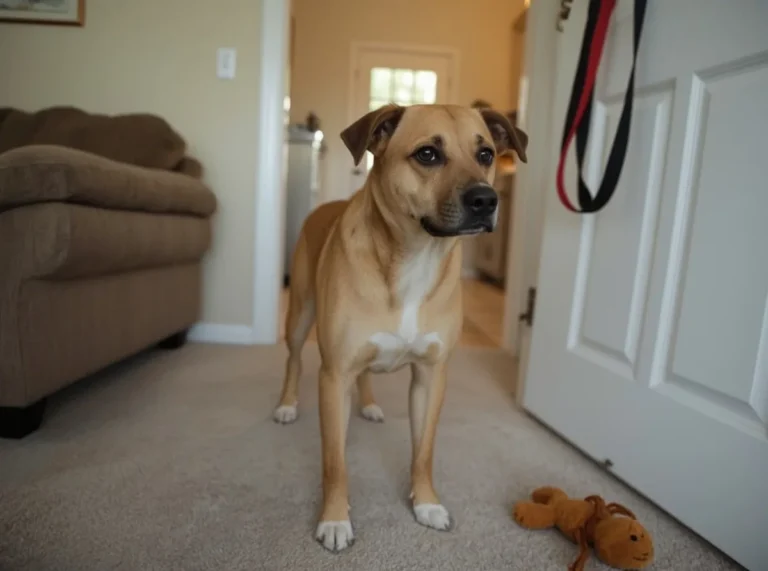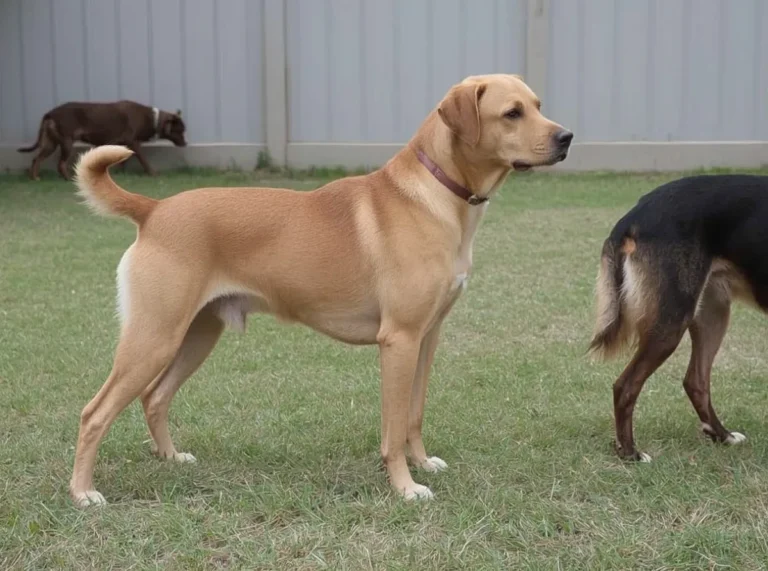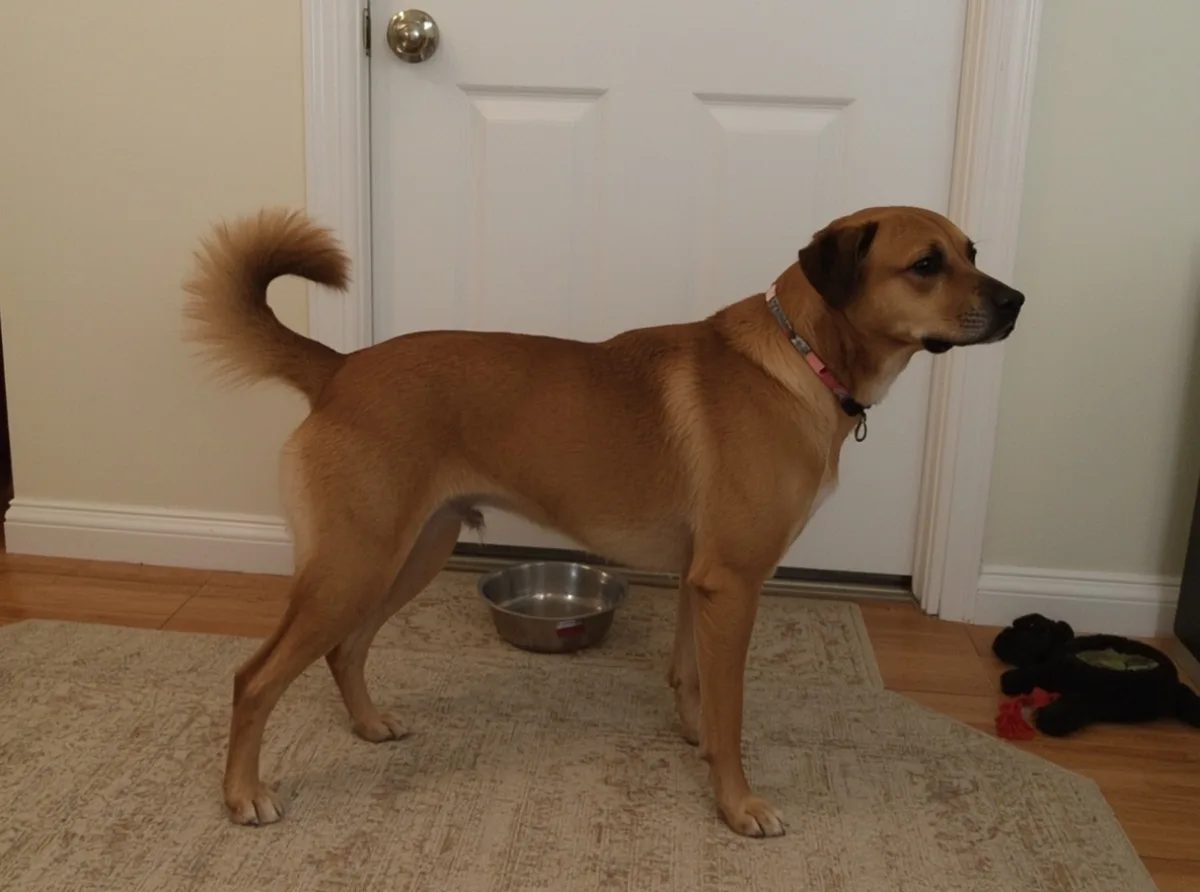
A dog’s tail is one of the easiest parts of the body to notice, and one of the easiest to misunderstand. A quick wag can look friendly, but the same movement can show excitement, uncertainty, or tension depending on how the rest of the body looks. Tail position matters just as much as tail motion, because it often gives the first clue about how a dog feels before anything else changes.
Many people watch for wagging and stop there. But a tail held high, low, tucked, or somewhere in the middle can tell a much more specific story. It can reflect confidence, caution, relaxed interest, or a need for space. To read it well, the tail has to be seen as part of a bigger picture that includes posture, ears, eyes, and movement.
Dogs also use their tails in ways that are tied to instinct and social communication. In the same household, one dog may carry a tail like a flag when greeting familiar people, while another may keep it low in new situations but loosen up once comfortable. The position often shifts with context, and those shifts are often more revealing than any single wag.
What tail position can mean in everyday life
In daily life, a dog’s tail position often changes before the rest of the body does. A dog walking through the house with a neutral tail may be relaxed and simply moving from room to room. If the tail rises a little when the leash appears, that change can show anticipation. If it drops when a stranger comes to the door, the dog may be unsure or trying to assess the situation.
Tail position is especially useful because it is visible from a distance. You may notice it during walks, at the vet, at the dog park, or in your own living room. A tail held high and rigid is not the same as a tail held high and loose. One may suggest alertness or confidence, while the other may simply reflect excitement.
The low tail also deserves attention. In some dogs, a low tail is just the resting position. In others, especially when paired with a lowered body, avoided eye contact, or slow movement, it can point to stress or submission. That is why the tail alone should never be read as a complete message.
Common tail positions and what they often suggest
| Tail position | Possible meaning |
|---|---|
| High and loose | Confidence, alert interest, active engagement |
| High and stiff | Tension, arousal, possible challenge or concern |
| Neutral | Relaxation, calmness, or an ordinary resting state |
| Low but not tucked | Uncertainty, caution, mild stress, or simply breed-specific posture |
| Tucked under the body | Fear, strong discomfort, or a wish to avoid attention |
These meanings are not fixed rules. They are starting points. A tail position only becomes clearer when you compare it with the rest of the dog’s behavior.
Why dogs hold their tails the way they do
Tail position comes from a mix of emotion, body mechanics, and social signaling. Dogs are very good at reading each other’s posture, and tail carriage is part of that system. In a pack or group setting, a dog can signal confidence or uncertainty without making a sound. That quiet communication still matters in modern homes, where dogs are always reading people, other pets, and the environment around them.
One reason tail position is so telling is that it often shifts with arousal level. A dog may hold the tail higher when excited, alert, or active. That arousal is not automatically good or bad. It can happen during play, when greeting a favorite person, or when spotting something unfamiliar. The same lift in the tail may appear in very different emotional states.
Breed and body type also affect what is normal. Huskies, spitz breeds, and many terrier types often carry their tails higher than dogs with naturally low or tucked tail carriage. Sighthounds, for example, may have a naturally low tail at rest. This means “normal” has to be judged against the individual dog, not a single ideal posture.
Tail position tells you more about a dog’s current state than about its personality. A relaxed dog can look very different from one minute to the next, depending on the setting.
Tail position in different emotional states
A calm dog usually carries the tail in a neutral, loose way. The tail may hang naturally, sway softly, or rest in a comfortable position. The body underneath tends to look equally loose, with easy movement and soft facial muscles. This is often the simplest posture to spot because nothing feels forced.
When a dog becomes excited, the tail may rise. The movement can become faster and less controlled. Some dogs hold the tail like a flag when they are eager to greet a person or investigate a sound. That does not automatically mean the dog is happy in a broad sense. It may just mean the dog is highly activated and focused.
A dog that feels uncertain may lower the tail. The body often becomes smaller at the same time. Steps may slow down. The dog might glance around, freeze briefly, or move closer to a person for support. In these moments, the tail is part of a larger picture of hesitation.
Fear can push the tail into a tucked position. When that happens, the dog may also avoid direct eye contact, lower the ears, flatten the body, or try to leave the area. In more subtle cases, the tail may not tuck completely but still stay much lower than usual. That slight change can be important if it happens in a new or stressful setting.
How the tail often looks alongside body language
- A high tail with loose hips and soft eyes often points to alert interest or confident excitement.
- A high tail with a stiff body can indicate tension, overarousal, or a dog that feels on guard.
- A low tail with a crouched body may show insecurity or discomfort.
- A tucked tail with backward movement usually suggests fear or a need to create distance.
- A neutral tail with relaxed posture often reflects comfort and ease.
This combination approach matters because dogs rarely communicate with one part of the body alone. A tail can say one thing while the face says another, and the full message is in the blend.
How the tail changes in common situations
At home, tail position can change throughout the day in small but meaningful ways. A dog waking up from a nap may keep the tail low and loose. When the food bowl appears, the tail might lift. When a family member returns home, it may swing faster and higher. Each change reflects the context, not just the dog’s mood in general.
On walks, the tail often becomes more expressive. A dog approaching a familiar sniffing spot may carry the tail in a neutral or moderately raised position. If another dog appears in the distance, that same tail may go very high or tighten noticeably. Some dogs become more upright and still when watching movement across the street. Others lower the tail and lean away. Both responses can happen in the same walk.
At the vet, tail position often reveals discomfort before a dog becomes vocal. The tail may stay lower than usual, tuck, or become unusually still. Even a dog that normally greets people with a wag may look very different on the exam table. This is one reason why tail reading is useful in routine care; it helps owners notice stress early.
In social play, the tail can be easy to misread. A wagging tail does not always mean relaxed play. A tail that is high, fast, and stiff can appear during rough, intense interactions. By contrast, a tail that swings loosely at a medium height, with bouncy movement and a loose mouth, usually fits safer play more closely.
What owners often misunderstand
One of the biggest myths is that a wagging tail always means a happy dog. That idea is too simple. Many dogs wag when they are excited, tense, conflicted, or highly focused. The motion itself is not enough to identify the emotion behind it.
Another common misunderstanding is that a low tail always means fear. Some dogs naturally carry their tails low, and some lower them briefly during sleep, rest, or calm exploration. The key is whether the tail position is unusual for that dog and whether the rest of the body suggests stress.
People also sometimes assume that a higher tail is always better. In reality, a tail held very high can mean confidence, but it can also suggest arousal or a dog preparing to act. If the tail is rigid and the dog is staring, the body may be much less relaxed than it first appears.
A dog’s tail position should never be judged in isolation. The same tail can mean very different things depending on posture, movement, and context.
Owners who live with one dog for a long time often learn its personal tail habits. That familiarity helps. Still, even a familiar dog can change when the environment changes. A dog that feels relaxed at home may hold the tail differently at a crowded park, around children, or when hearing loud noises.
Breed, anatomy, and individual differences
Not every tail looks or moves the same way. Some dogs have long, expressive tails that are easy to read. Others have short tails, curled tails, docked tails, or tightly feathered tails that hide subtle changes. In those cases, the angle of the tail base, stiffness in the rear body, and movement at the hips become even more important.
Breed tendencies matter too. Northern breeds often carry the tail over the back or in a pronounced curve. Many retrievers and hounds have a more neutral carriage. Small companion dogs may have tail positions that vary widely depending on energy and mood. A dog’s build, age, and muscle tone all affect how the tail looks in motion and at rest.
Individual personality also shapes communication. Some dogs are naturally bold and hold their tails higher in new places. Others are cautious by nature and spend more time with the tail low or mid-level. Neither style is automatically a problem. The important point is consistency. A sudden shift from one pattern to another deserves attention.
Tail position as part of attachment and social behavior
Dogs often change their tail posture depending on who is nearby. A dog may carry the tail loosely around trusted people, then lift it more sharply around strangers. Some dogs show a deeper, softer tail motion when greeting a favorite human because the social bond lowers tension. Others become more upright and intense during reunion moments because excitement overwhelms the body.
This is one reason the tail can reveal attachment without words. A dog that feels safe may not need to brace or tuck. A dog that is unsure may show distance through the tail even if it does not move away physically. In homes with multiple people, the same dog may have one tail style for each person depending on familiarity and past experience.
Dogs also use tail position when navigating conflict with other dogs. A tail held very high can signal assertiveness or confidence. A lowered or tucked tail can help reduce tension, especially when a dog wants to avoid confrontation. These signals are part of normal canine social behavior and are not simply “good” or “bad.” They are adjustments to the situation.
When to pay closer attention
Some tail changes are momentary and ordinary. Others stand out because they repeat or appear in situations that used to feel easy. A dog that usually greets the family with a loose, open tail but suddenly keeps it low may be telling you something has changed. That shift could relate to discomfort, pain, fear, or a stressful environment.
Repeated stiff tail posture deserves attention as well. A stiff tail, especially when paired with a rigid body, hard stare, or reduced movement, can mean the dog is becoming overloaded. This matters during introductions, busy gatherings, or encounters with unfamiliar dogs. The earlier you notice the change, the easier it is to reduce pressure.
There is also value in watching for asymmetry. If a tail always carries differently on one side, or if the dog avoids moving the back end normally, the issue may be physical rather than emotional. Pain in the tail, back, hips, or abdomen can change carriage in subtle ways. In that case, behavior and comfort are tied together.
Situations that often change tail position quickly
- Meeting unfamiliar dogs or people
- Arriving at the vet
- Heard noises like thunder or fireworks
- Seeing food, toys, or a leash
- Being approached too quickly
- Playing with high energy or rough body contact
Reading the tail with the rest of the dog
The safest way to interpret tail position is to treat it as one clue among several. A relaxed mouth, soft eyes, loose shoulders, and an easy gait often match a relaxed tail. A rigid neck, forward lean, closed mouth, and fixed stare change the meaning completely. The dog is speaking in a full-body language, not a single gesture.
Paying attention over time is more useful than making snap judgments. You may notice that your dog keeps the tail a little lower in the morning, higher during walks, and tucked only during thunderstorms. Those patterns help you understand what is normal for your dog and what is not. The more familiar the pattern, the easier it is to spot a meaningful change.
Tail position can even help guide your decisions in the moment. If a dog’s tail rises stiffly during a new introduction, it may be better to slow the interaction. If it drops suddenly during a noisy event, the dog may need distance or a quieter space. Those small choices can make a big difference in how safe the dog feels.
Reading the tail well is less about decoding one fixed signal and more about noticing movement, context, and change over time.
A dog’s tail is not a simple mood meter. It is a dynamic part of how dogs balance emotion, instinct, and communication. When the tail is seen in context, it becomes one of the clearest ways to understand what a dog is dealing with in that exact moment.