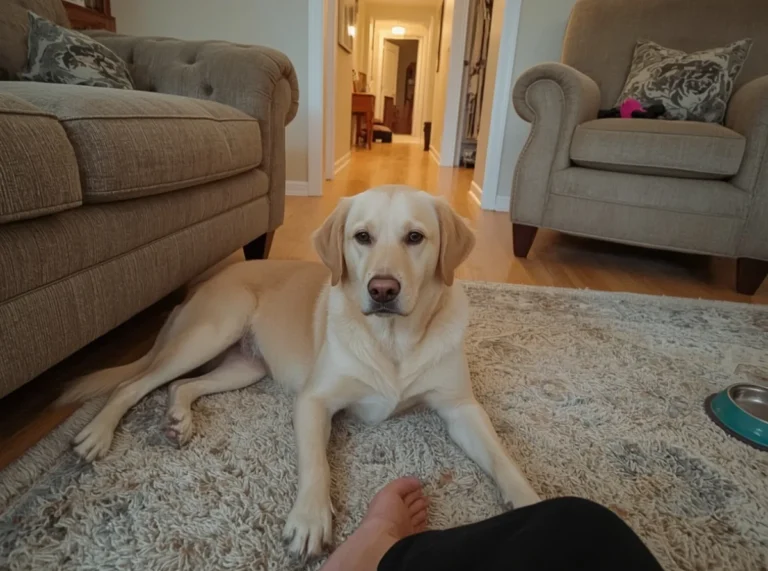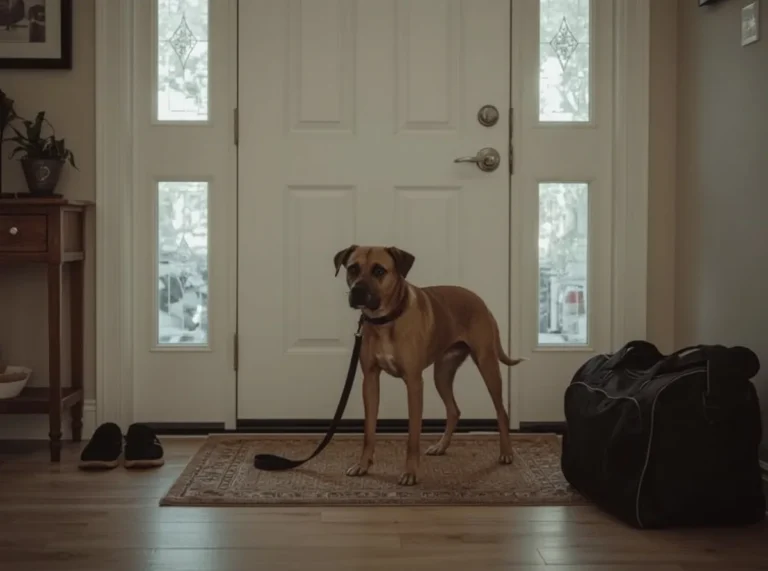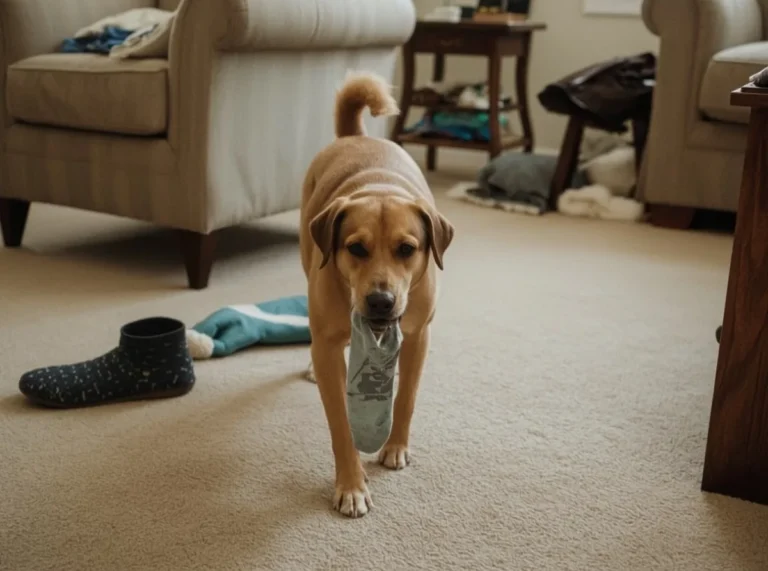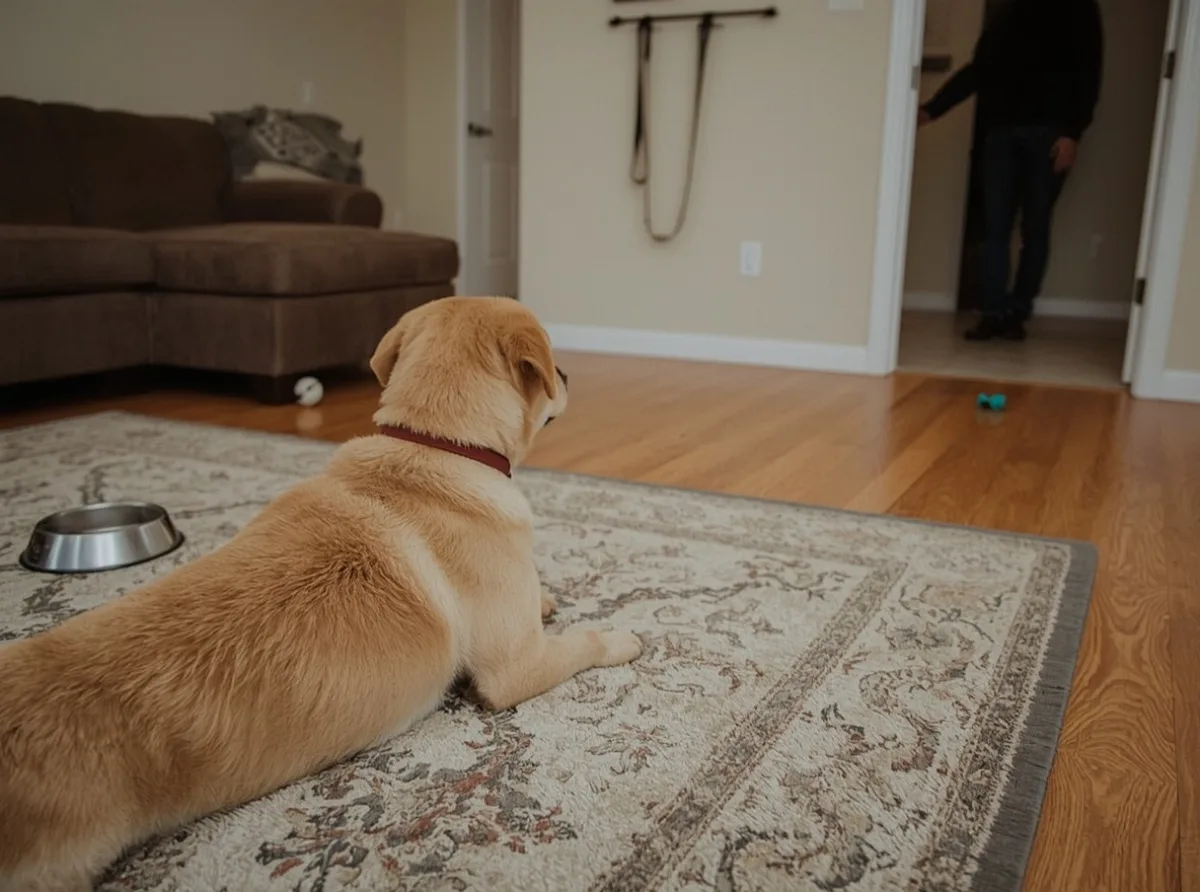
A dog that keeps watching its owner can seem almost uncanny. You turn toward the kitchen, and there they are. You sit on the couch, and the same pair of eyes follows you. Sometimes it feels sweet. Sometimes it feels intense.
This kind of constant watching is usually not random. Dogs read movement, routine, tone, and tiny changes in behavior very closely. A dog may stare because it expects something, feels attached, is trying to understand what comes next, or simply finds the owner deeply important in its daily world.
That attention can look identical from across the room, but the reason behind it is not always the same. A relaxed dog quietly observing the household is different from a dog that seems tense, restless, or unable to disengage. The details matter.
What Constant Watching Often Looks Like in Daily Life
In many homes, the behavior appears in ordinary moments. A dog follows an owner from room to room, rests with its head pointed in their direction, or watches closely whenever the owner stands up. Some dogs track every movement from the floor, while others keep their eyes locked on the owner even when they are settled nearby.
It can show up during small routines more than anything else. Opening a drawer, picking up keys, reaching for shoes, going into the kitchen, or changing posture on the sofa may all trigger that fixed attention. Dogs learn quickly that certain actions usually lead to food, walks, play, or separation.
Not every watchful dog is asking for something right away. Sometimes the behavior is quiet and steady, almost like background awareness. The dog is not pushing, whining, or pacing. It is simply keeping the owner in view.
Common everyday patterns
- Following the owner between rooms
- Watching from a doorway while the owner works or cooks
- Raising the head whenever the owner moves
- Waiting by the couch, bed, or kitchen entrance
- Staring intently during routines tied to food or walks
Attachment Is One of the Most Common Reasons
Many dogs watch their owners closely because they are socially attached. Dogs are built to notice the people they live with, and in a home setting that bond often becomes very visible. The owner is not just part of the environment. They are often the center of it.
A dog may feel safest when it can monitor the person who provides food, structure, and reassurance. This is especially common in dogs that rely heavily on one person. Those dogs often appear more focused, more vigilant, and more interested in an owner’s movement than in anything else happening nearby.
That attachment does not automatically mean dependence in a harmful sense. In many cases, it reflects comfort, familiarity, and trust. A dog that wants to keep tabs on its owner may simply be saying, in dog language, that the person matters.
When a dog watches calmly, with loose body language and an easy expression, the behavior often points to closeness rather than concern.
Expectation Can Make the Watching Even Stronger
Dogs are excellent pattern learners. If an owner tends to feed them at a certain time, grab the leash before a walk, or reach for treats after a certain sound, the dog starts watching for those cues. Over time, the dog no longer waits passively. It begins to predict.
This is why many dogs seem especially alert around meal prep, morning routines, or the moments before leaving the house. They are not only following the person. They are reading the sequence. A glance, a sound, or a small motion can become meaningful because the dog has learned what usually follows it.
Some dogs become almost ceremonial about these moments. They position themselves in the right place, hold still, and stare with unusual concentration. That behavior may look emotional, but it is often a mix of anticipation and memory.
Routine cues dogs often notice
- Sound of a food bowl or treat jar
- Keys, shoes, jacket, or leash being picked up
- Owner heading toward a usual exit door
- Bedroom or bathroom door opening at a familiar time
- Morning coffee, dinner prep, or familiar household sounds
Some Dogs Watch Because They Are Naturally Alert
Not every watchful dog is emotionally needy. Some are simply highly observant. Certain breeds and individual personalities lean toward awareness of movement, sound, and small environmental changes. These dogs may keep an eye on their owner the way another dog might keep an eye on the whole room.
That alertness can be useful in everyday life. The dog notices when someone enters, when a routine shifts, or when the household mood changes. In a calm dog, this can look like quiet attentiveness. In a more reactive dog, it may appear as constant scanning or difficulty relaxing fully.
There is a difference between noticing and fixating. A dog that checks in frequently but then settles back down is usually processing the environment normally. A dog that never seems able to let go may be reacting to stress, uncertainty, or a strong need for control over what happens next.
Stress, Uncertainty, and Wanting Control Can Play a Role
Sometimes constant watching is tied to tension. A dog that feels unsure about the day’s routine, the owner’s mood, or upcoming changes may keep checking in more than usual. The watching becomes a way of gathering information and reducing uncertainty.
This is often seen in dogs that have experienced inconsistent care, recent changes in the home, or a disrupted schedule. They may watch because they do not fully trust what comes next. If the owner’s movements often lead to departure, grooming, medication, or another stressful event, the dog may pay extra attention in an attempt to prepare.
The body language usually makes the difference here. A stressed dog may have a tighter mouth, stiffer posture, a fixed stare, or restless shifting. The eyes may look locked on the owner, but the overall body does not look relaxed.
If the watching comes with pacing, whining, trembling, or inability to settle, it may be less about affection and more about unease.
How the Home Environment Shapes the Behavior
The way a dog watches its owner often depends on the household itself. A quiet home with stable routines may produce calm, steady attention. A busy home with frequent movement, visitors, noise, or changing schedules can produce more alert, reactive watching.
Dogs in low-stimulation environments may focus on their owners simply because the owner is the most interesting part of the day. Dogs in high-stimulation homes may watch because they are trying to keep track of multiple things at once. Both situations can create the same visual impression, but the internal state may be very different.
Daily activity level matters too. A dog with enough exercise, mental engagement, and predictable structure is more likely to watch in a relaxed way. A dog that is bored or under-stimulated may watch the owner as a way to stay engaged, especially if nothing else is happening.
Environment factors that often increase watching
- Irregular feeding or walk times
- Frequent coming and going
- Low daily stimulation
- Recent household changes
- Noise, visitors, or unpredictable activity
Subtle Signals That Help Explain the Meaning
The same act of watching can mean very different things depending on the details. A soft gaze, loose body, and occasional blink suggest one kind of state. A hard stare, tense muscles, and constant movement suggest another.
Owners often focus on the eyes alone, but the rest of the body tells the fuller story. Tail position, ear set, posture, breathing, and whether the dog can disengage all matter. A watchful dog that chooses to lie down and rest afterward is different from one that never seems to settle.
Context matters as much as body language. A dog watching while the owner prepares dinner may simply be hopeful. A dog watching every time the owner stands up and then following with visible tension may be more worried about separation or change.
| Behavior | Possible meaning |
|---|---|
| Soft gaze, relaxed body | Attachment, comfort, casual attention |
| Watching during meal prep | Expectation, learned routine, anticipation |
| Fixed stare with stiff posture | Stress, alertness, uncertainty |
| Following from room to room | Bonding, supervision, lack of confidence |
| Watching but settling afterward | Normal checking in, not necessarily concern |
Different Life Stages Can Change the Way It Appears
Puppies often watch their owners because everything is new. They are still learning where to go, what happens next, and which sounds matter. In that stage, watching is part curiosity and part safety-seeking. The owner is a moving reference point in an unfamiliar world.
Adult dogs usually watch with more purpose. By then they have learned routines, expectations, and household patterns. Their attention may be more selective, especially around food, walks, departures, or training history.
Older dogs may watch more because they are less confident moving around the home, more attached to familiar people, or more sensitive to changes in routine. Some senior dogs become visually focused on their owners as their environment feels harder to interpret. The watching can become quieter and more persistent.
How age can shape the behavior
- Puppies: curiosity, learning, reassurance
- Adults: routine recognition, attachment, expectation
- Seniors: increased dependence, reduced confidence, need for reassurance
How Owners Often Misread Constant Watching
It is easy to assume that a dog watching constantly is either spoiled or anxious. The truth is usually more layered. A dog may be affectionate, alert, uncertain, and routine-driven all at once. What looks like one simple behavior can have several motives underneath it.
Some owners worry that the dog is being manipulative. Others assume the dog is bored. Sometimes those ideas are partly true, but they rarely tell the whole story. Dogs do not typically watch because they are being strategic in a human sense. They are responding to patterns, emotions, and environmental cues.
Another common mistake is assuming all intense eye contact means trust. In many cases it does, but a stiff, unblinking stare is not the same as a soft and comfortable gaze. The difference can be subtle, which is why the dog’s overall posture should be part of the reading.
A dog that can look away, relax, eat, sleep, and return to its own activity is usually showing healthy interest rather than fixation.
When the Watching Becomes Most Noticeable
The behavior often becomes stronger at predictable moments. Transition times are a big one. Dogs notice when the house is about to change from quiet to active, from active to leaving, or from one routine block to another. These shifts can trigger close attention because the dog is trying to stay oriented.
It is also common when the owner is emotionally different than usual. Dogs notice tension, sadness, excitement, and hurry. A watchful dog may be tracking subtle changes in tone or movement. In some households, the dog seems more focused when someone is ill, stressed, or working under pressure.
Changes in the dog’s own comfort can sharpen the behavior too. Pain, mild illness, or reduced confidence may cause a dog to keep the owner in sight more often. This is especially noticeable if the behavior appears suddenly or is paired with other changes in appetite, sleep, or mobility.
Long-Term Patterns Matter More Than One Moment
A single day of constant watching does not tell much by itself. Dogs have off days, just as people do. The stronger clue is whether the behavior is stable, growing, or changing with the dog’s routine and comfort level.
If the dog watches calmly but can still relax, play, and rest alone, the behavior may simply be part of its personality and relationship with the owner. If the dog seems unable to stop monitoring, struggles to settle, or becomes distressed when the owner leaves the room, the watching may be tied to separation-related tension or insecurity.
Pay attention to consistency. A dog that watches more after a move, a schedule change, or an illness may be reacting to something specific. A dog that has always been observant may simply be living in close synchrony with the household.
What the Behavior Often Means in Real Life
Constant watching is usually a form of communication, even if it is quiet. It can mean, “I notice you,” “I expect something,” “I feel safer when I can see you,” or “I need to understand what happens next.” The exact message depends on the dog, the setting, and the emotional tone behind the gaze.
In many homes, the behavior reflects a normal and healthy bond. In others, it hints at uncertainty, boredom, or stress that deserves a closer look. The surrounding details tell the story better than the stare alone.
A calm dog that watches its owner and then settles back into daily life is showing a familiar kind of closeness. A dog that watches because it cannot relax may be asking for more structure, more predictability, or more support. The difference is often visible in the way the body softens or holds itself tight while the eyes stay fixed on one person.
That is why the behavior deserves attention, not quick assumptions. A dog’s gaze can be gentle, practical, anxious, or simply habitual. Sometimes all of those things blend together in the same quiet room.