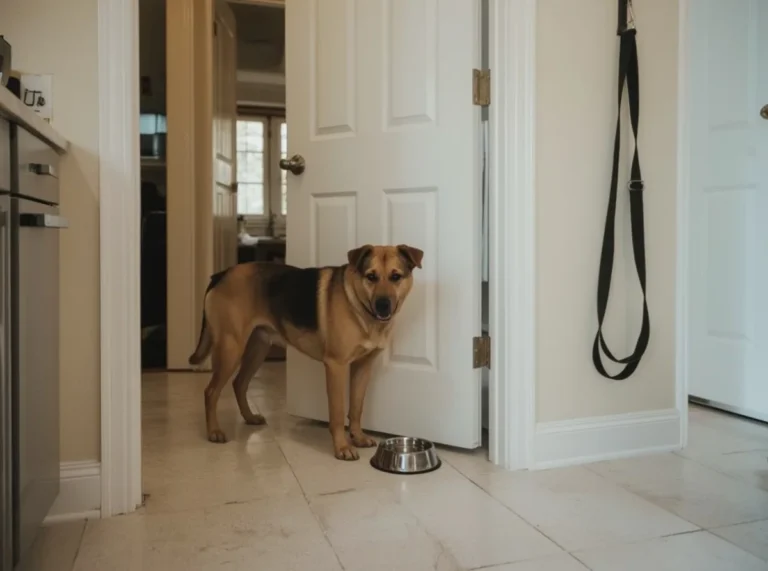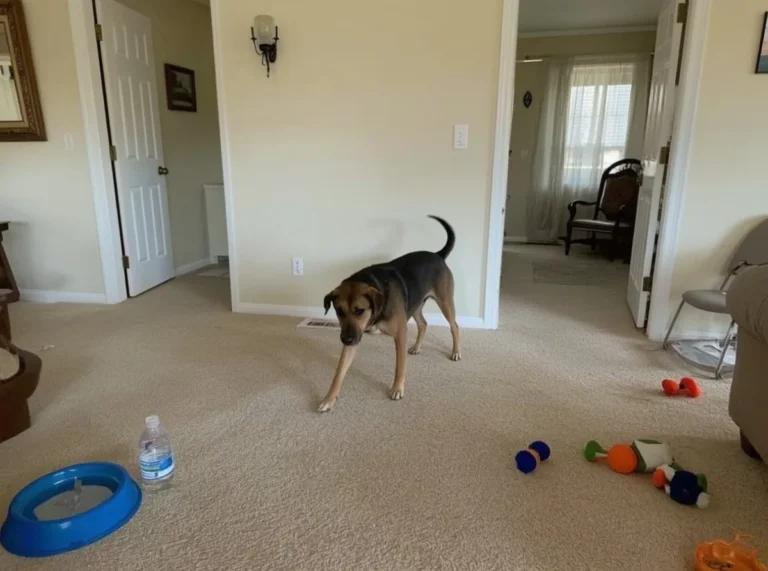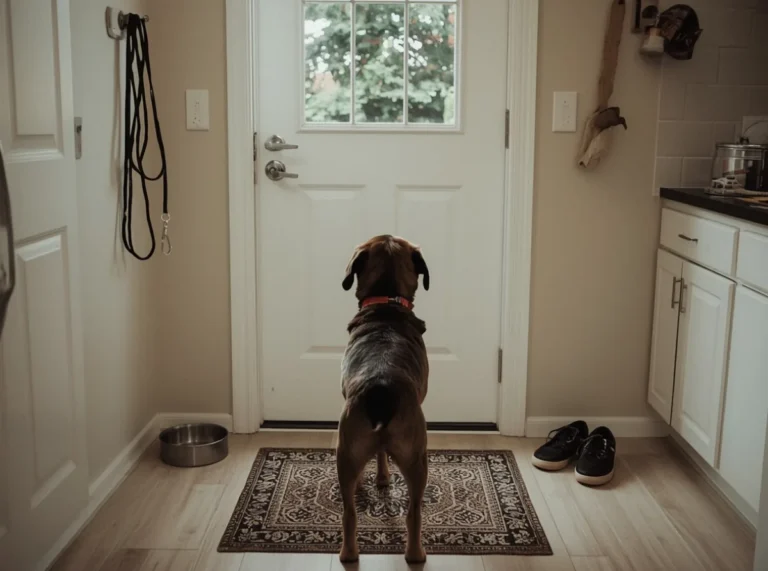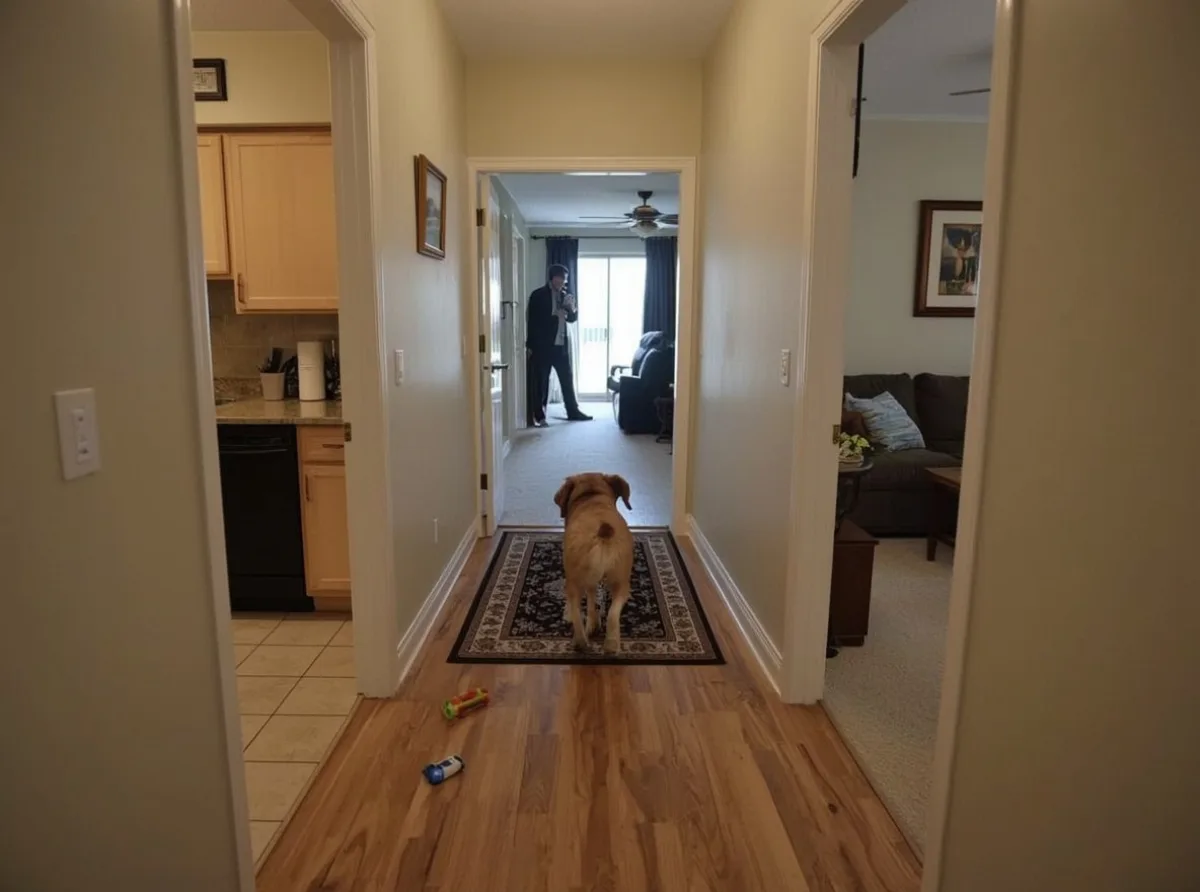
It can look odd the first time you notice it. A dog walks out of the kitchen, loops through the hallway, slips into the living room, and then comes back through the same spaces again. A few minutes later, the pattern repeats. Sometimes it happens quietly. Sometimes it seems almost purposeful, as if the dog is checking every room for a reason only it understands.
Repeated room-to-room walking is not always a problem. In many homes, it is just part of a dog’s normal movement pattern. Dogs notice changes in space, smell, sound, and routine far more than people usually do. A room can feel interesting, unfinished, or simply worth revisiting. What looks random to us may be tied to comfort, alertness, habit, or a small internal need that has not yet been met.
Still, when a dog keeps moving through the same rooms over and over, it is worth paying attention. The pattern can reveal something about the dog’s emotional state, energy level, or environment. Sometimes the behavior is harmless and temporary. Other times it is connected to boredom, uncertainty, restlessness, or a need to monitor the home. The context matters more than the movement itself.
What the behavior looks like in everyday life
Dogs do not usually walk through the same rooms repeatedly for no reason at all. More often, the behavior has a pattern. A dog might pace between the bedroom and hallway in the morning, circle from the living room to the dining area after dinner, or make several slow passes through the house when the household gets quiet.
In some homes, the dog is clearly checking on people. A dog may leave one room, visit another, and return a few minutes later because family members are spread out and the dog wants to stay aware of everyone. In other homes, the pattern seems more focused on the space itself. The dog may pause in doorways, sniff corners, or keep crossing the same route without settling anywhere for long.
There is also a difference between casual wandering and repeated, tight-pattern movement. A relaxed dog may stroll through familiar rooms, lie down briefly, then get up and move again. A more unsettled dog may appear unable to stop, as if the movement is serving as a release. The pace, body language, and timing give the behavior its meaning.
Why dogs may keep revisiting the same spaces
One simple reason is curiosity. Dogs experience the world through scent and sound, and rooms can change all day long. Someone opens a window, a package arrives, food is cooked, a light turns on, or a family member moves from one place to another. A dog may repeatedly walk through the same areas because those spaces hold fresh information.
Another common reason is anticipation. Dogs are very good at connecting places with events. The hallway may lead to the leash hook. The kitchen may predict food. The front room may be where guests appear. When a dog keeps crossing the same rooms, it may be waiting for something to happen in one of them.
Some dogs also repeat room routes because they are checking the environment. This is especially true in homes with active foot traffic, noisy appliances, or unfamiliar visitors. A dog may want to confirm that the space still feels safe and predictable. That kind of checking behavior is often subtle, but it can become more noticeable when the dog is tired, stressed, or on edge.
Repeated room walking is often less about “wandering” and more about monitoring, anticipating, or self-soothing.
Emotional reasons behind the pattern
Emotion plays a big part in this behavior. A dog that feels calm and secure may move through rooms in a loose, unhurried way. A dog that feels uncertain may repeat the same path with more urgency. The difference is often visible in the body. Loose muscles, soft eyes, and an easy tail point to one kind of experience. Tight posture, fixed attention, or quick changes in direction point to another.
Restlessness is one common emotional driver. A dog that has not had enough exercise, enrichment, or interaction may keep moving because it has energy and nowhere specific to put it. The body asks for activity, but the brain has not landed on a satisfying job. Walking through the same rooms becomes a low-effort outlet.
Anxiety can also show up this way. Some dogs become more active when they are unsure where to rest. They may move from room to room because staying in one place feels difficult. This is especially noticeable during changes in routine, noisy weather, or household disruptions. The dog may not be panicked, but it may be mildly uneasy and unable to fully settle.
Attachment is another factor. Dogs that are strongly bonded to their people often track movement around the home. They may keep moving through rooms to stay close, even if they do not demand attention directly. In that sense, the repeated walking is a form of social monitoring. The dog is not just moving. It is keeping the group within reach.
How routine and environment shape the behavior
The home environment can either reduce or increase repeated room walking. A quiet, predictable house often gives a dog more opportunities to relax in one place. A busy, changing home can make the same behavior more likely because there is always something new to check. Dogs notice footsteps, voices, appliances, and even subtle shifts in scent left behind by different activities.
Layout matters too. In some homes, rooms connect in a way that makes looping easy. A dog may naturally pass through the same doorway again and again because it is the main route between the family room, kitchen, and entry area. What seems like a behavioral pattern may partly be a simple consequence of the floor plan.
Routine has a strong effect as well. Dogs often move in predictable ways around predictable events. They may revisit the same rooms before mealtime, before walks, or before family members return home. If the expected event is delayed, the movement can continue. The dog is essentially waiting in motion.
Stimulation changes the picture too. A dog that has a job to do, puzzle toys to solve, or time outdoors to explore is less likely to spend long periods cycling through the house. On the other hand, a dog with very little to do may turn household movement into its own activity. The house becomes the main source of interest.
What the body language may tell you
Repeated walking becomes easier to interpret when you look at body language, not just the path the dog is taking. A relaxed dog may move slowly, sniff casually, and stop to lie down after a few passes. The behavior may look repetitive, but it does not feel tense. The dog can leave the pattern when something else captures its attention.
A more anxious or reactive dog often shows different signs. The head may stay low or very high, the mouth may remain closed, and the ears may shift constantly. The dog may appear unable to fully relax even while moving through familiar areas. It might pause at doors, stare toward sound sources, or return to the same room after only a few seconds.
There are also mixed signals. A dog may look calm but still keep repeating the same route. This can happen when the behavior is mildly self-soothing. The dog is not visibly distressed, but it is using movement to stay regulated. In other cases, the dog seems lively and curious rather than uneasy. The same repeated route can mean different things depending on how the dog carries itself.
Body language gives the clearest clue: relaxed looping is not the same as tense pacing.
Common situations where it appears most often
Many owners notice this behavior during transitions. A dog may walk through the same rooms before everyone wakes up, before a meal, or after the family settles for the evening. These moments often combine expectation, reduced activity, and a need to reassess the environment. The dog is awake, but the household rhythm is in flux.
It also shows up when something changes. A new piece of furniture, a visitor, a recent move, a storm, construction noise, or a changed schedule can all make a dog more likely to revisit the same indoor spaces. Even small changes may matter. Dogs can react to a rearranged room more strongly than people expect, especially if the room is one they rely on for rest.
Some dogs repeat room walking after being alone for a while. When people return, the dog may patrol the house in a quick circuit before settling. That can be a normal reset after a period of waiting. It can also be a sign that the dog is processing the change from quiet solitude to active company.
When it is simple habit
Not every repeated walk means something deeper. Dogs are creatures of habit. If a path has been rewarding in the past, they often keep using it. A dog that has learned the kitchen is where snacks happen, the office is where a person sits, and the back hallway is where a favorite toy is kept may naturally circle those spaces on a regular basis.
Habitual movement is usually consistent and low-intensity. The dog follows the same route without looking distressed. It may stop if something better comes up, such as play, food, or a chance to nap on the couch. The behavior is more like a routine than a compulsion.
This is why it helps to think in patterns, not in isolated moments. A dog that occasionally crosses the same rooms is doing something very normal. A dog that seems unable to stop, especially when there is no obvious reason to move, deserves closer observation. Frequency, duration, and body language all matter.
When it may point to boredom or under-stimulation
Boredom can be surprisingly active. A dog without enough mental or physical outlet may invent its own circulation pattern around the house. Room-to-room walking is a common way for that extra energy to show up. It fills time, burns a little energy, and keeps the dog engaged with the environment.
This is especially true in dogs that are naturally alert, intelligent, or highly observant. They notice everything. If nothing is offered, they may create a repetitive routine from the household itself. The behavior is not necessarily disobedient or problematic. It may simply be the dog’s way of staying occupied.
You may see other signs alongside the repeated movement:
- restless shifting from one resting spot to another
- frequent sighing or settling without staying settled
- interest in minor sounds or household activity
- nose-led exploring without a clear goal
- increased attention-seeking at certain times of day
When boredom is the main factor, the dog often improves after a walk, sniffing time, play, or a calm activity that uses the brain. The room-walking may fade once the dog has something more meaningful to do.
When it may signal stress or uncertainty
Stress-related room walking usually feels different from casual movement. The dog may move more quickly, more sharply, or with less ease. It may revisit the same area because that area feels important, not because it is interesting. Some dogs do this when they are unsure about a sound outside, a change in the house, or a social situation they do not know how to handle.
Uncertainty often makes dogs more vigilant. They may keep checking the same spaces because they are looking for safety cues. This can happen during thunderstorms, holiday gatherings, home repairs, or when the household routine changes. The repeated walking becomes part checking behavior, part coping strategy.
If the dog cannot relax even after the environment becomes quiet again, the stress may be lingering. In that case, the repeated walking is less about the rooms themselves and more about the dog’s internal state. The home is the stage, but the feeling comes from inside the dog.
How dog age can influence the pattern
Puppies often walk through rooms repeatedly because they are still learning the house. Everything is new. They may move from space to space simply because each area offers a different smell, texture, person, or sound. Their attention shifts quickly, and repeated movement is part exploration, part play.
Adult dogs may be more patterned. They know the home, so repetition is more likely to be tied to routine, anticipation, or emotional state. A mature dog that keeps crossing the same rooms is usually following a learned pattern of behavior rather than just exploring for the first time.
Older dogs may revisit rooms for different reasons again. Some become more settled in their habits. Others pace because of discomfort, decreased sleep quality, or changes in awareness. Age alone does not explain the behavior, but it can change what the behavior means. A senior dog that used to be still and is now more restless may need a closer look at comfort, vision, hearing, or pain.
What owners often misread
It is easy to assume that a dog walking through the same rooms repeatedly is being dramatic, stubborn, or random. Usually, the behavior is more ordinary than that. Dogs rarely move in circles just to be difficult. They are responding to something, even if the reason is subtle.
Another common misunderstanding is to treat all repeated movement as anxiety. That is not accurate either. Some dogs do it because they are waiting, some because they are curious, and some because they have learned that certain rooms are associated with important events. The same motion can have several different causes.
What matters is the full picture. A dog that repeats room routes with a loose body, normal appetite, and easy rest periods is different from a dog that seems unable to settle, startles easily, or shows other tension signs. The behavior alone does not tell the whole story.
How to read the pattern in context
The best way to interpret repeated room walking is to watch for patterns across time. Does it happen at certain hours? After certain noises? When the house is quiet? After a nap? Before a walk? Those details often matter more than the movement itself.
It also helps to notice what happens afterward. Some dogs walk repeatedly and then calmly settle once they have checked the environment. Others keep moving until someone interacts with them. Some become calmer after food, exercise, or a little reassurance. The behavior may be a clue that the dog needs something specific, not a sign of a larger issue.
Think about the rooms themselves too. Certain spaces carry meaning. The kitchen may signal food, the hallway may lead to doors and departures, and the living room may be where the family gathers. Repeated walking through those spaces may reflect the dog’s awareness of daily life more than any single emotion.
What the behavior usually means in a calm home
In a calm, predictable home, repeated room-to-room walking often comes down to simple reasons: checking, waiting, or burning off a bit of energy. The dog is aware, responsive, and moving through a familiar environment that still offers small changes worth noticing. In that setting, the behavior can be part of normal household life.
Dogs are not static animals. Even a settled dog will get up, look around, and revisit places that matter to it. A short loop through the same rooms may be how a dog keeps track of the household and decides whether it is time to rest, eat, play, or watch.
When the pattern is frequent, tense, or paired with other changes in behavior, it becomes more meaningful. But in many cases, the dog is simply doing what dogs do: moving, checking, and staying connected to the environment it shares with the people in it.
The repeated route through familiar rooms is often a small window into how a dog organizes its day. Sometimes it is curiosity. Sometimes it is anticipation. Sometimes it is a quiet way of coping with too much energy or too little certainty. The rooms may be the same, but the reason for visiting them again is not always the same.