Some dogs seem to run on a clock you cannot see. They wake up at the same time, wait by the door before a walk, and start looking for dinner long before the bowl is ready. For those dogs, daily patterns are not just a convenience. They help shape how safe, settled, and steady life feels.
That is not true for every dog. Some are loose and adaptable, happy to roll with changes in schedule. Others become more focused, restless, or emotional when the day does not follow a familiar shape. In those dogs, routine is more than habit. It can affect appetite, sleep, behavior, and even how they respond to people and everyday noises.
When owners notice that a dog seems calmer with structure, it is often easy to think the dog is simply picky or spoiled. Usually, the reason is more practical than that. Predictable patterns reduce uncertainty, and uncertainty is often what makes certain dogs uneasy in the first place.
Why Some Dogs Depend on Daily Patterns
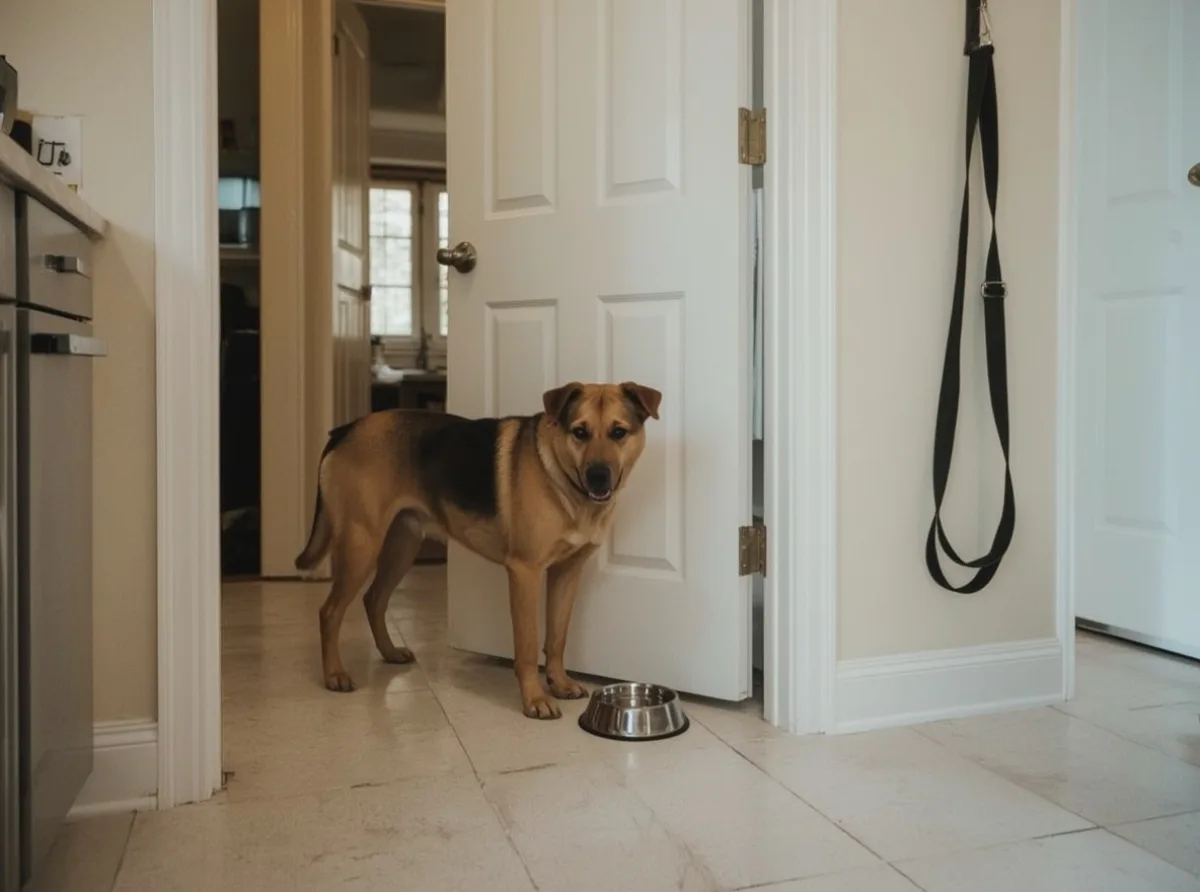
Dogs are creatures of association. After enough repetition, they connect one event to the next. Morning light may mean potty time. A leash near the door may mean a walk. A person putting on shoes may signal the house is about to get busy. These links become part of how a dog understands the day.
For some dogs, that predictability is reassuring. It gives their brain fewer unknowns to sort through. Instead of scanning constantly for what happens next, the dog can relax because the day makes sense.
Dogs that depend heavily on routine are often the ones that are sensitive to change, quick to notice household patterns, or strongly attached to certain activities. That does not automatically mean they are anxious. It often means they are observant and reactive to structure.
Daily patterns matter most when a dog uses predictability as a cue for safety, rest, food, exercise, and social contact.
What This Looks Like in Everyday Life
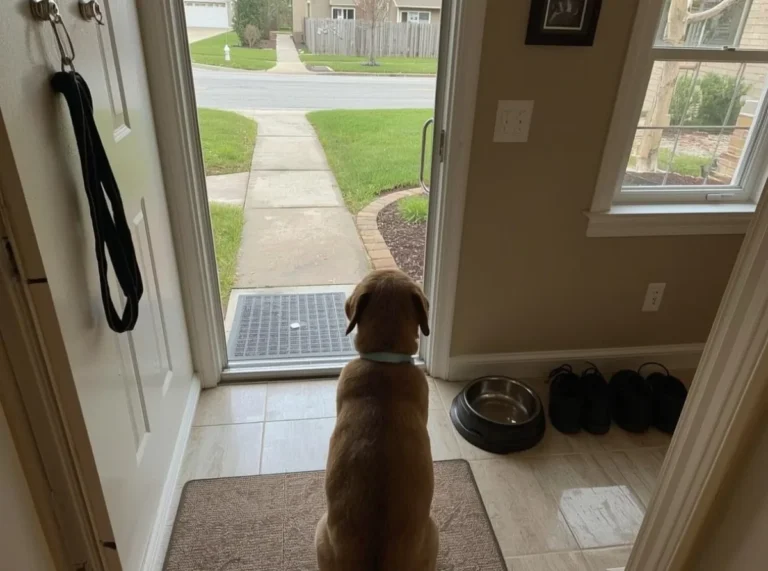
In a real home, pattern-dependent behavior can show up in small but repeated ways. A dog may start pacing when breakfast is delayed by even twenty minutes. Another may sit by the front door at the same time every evening because that is when the family usually goes out. Some dogs become restless if a walk is skipped, even if they had exercise earlier in the day.
There are also dogs that watch the household clock without anyone realizing it. They appear to “know” when it is time for a walk, a meal, or bedtime, but what they are really reading are the signs around them: footsteps, sounds in the kitchen, lighting changes, and the behavior of family members.
Common signs that a dog relies on daily patterns include:
- waiting in the same place at the same time each day
- pacing or following people more closely when the routine changes
- whining, barking, or nudging when expected events are late
- refusing to settle until familiar tasks happen
- appearing more alert or watchful during transition points in the day
These behaviors are often most visible at the edges of the day, not in the middle. A dog may be fine once the walk starts, but tense during the ten minutes before it begins. That transition period is where routine matters most.
The Emotional Side of Routine
Routine can influence a dog’s emotional state in a quiet but powerful way. A familiar sequence lowers the need to guess. That matters to dogs that are naturally cautious, highly bonded to people, or easily thrown off by unpredictability. When they know what comes next, they often show more relaxed body language and less checking behavior.
Some dogs become upset when the routine changes because the change itself feels like a problem they have to solve. A delayed meal, a missed walk, or a different person arriving home can feel larger to them than it does to us. The dog may not be reacting to the event alone. It may be reacting to the loss of the usual pattern.
This is especially noticeable in dogs that are more dependent on external cues than independent problem-solving. They do best when the world around them is consistent. Without that consistency, they may lean harder on their owner’s presence, watch movements more closely, or struggle to settle.
A dog that appears “needy” at certain times of day may actually be looking for the next familiar step in the routine.
How Routine Affects Different Parts of the Day
Daily patterns do not only influence behavior during active times. They also affect rest, digestion, and energy balance. A dog that eats and walks on a predictable schedule often develops a more regular rhythm for bathroom habits and sleep. That rhythm can reduce stress because the body is not constantly adjusting.
When the routine is stable, many dogs rest more deeply between events. They do not have to keep checking whether something important is about to happen. They can sleep through the quiet hours because those hours have meaning in the schedule.
On the other hand, a household with irregular timing can make some dogs feel on edge. If breakfast happens early one day and very late the next, the dog may begin looking for food more often, acting restless in the morning, or showing excitement before the person even enters the kitchen. The body learns to anticipate, and anticipation can turn into tension.
Meals
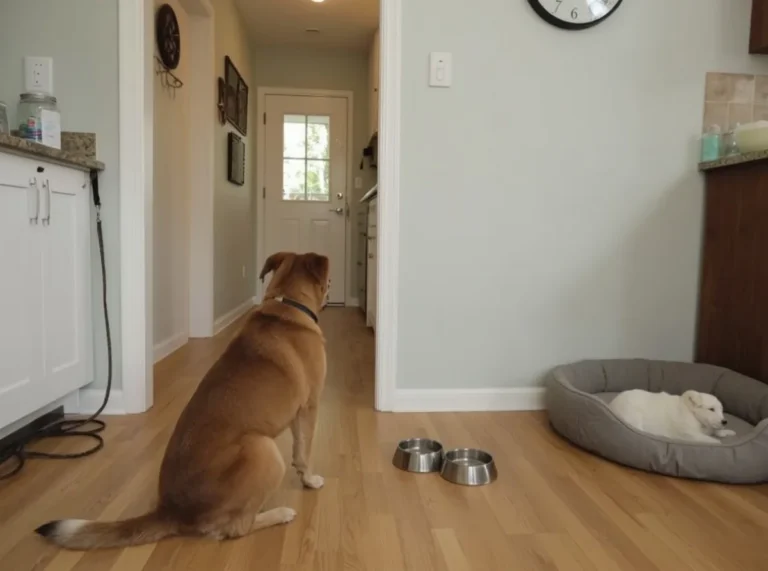
Meal timing is one of the strongest routine anchors for many dogs. Food is a major event, so it becomes easy to predict and easy to worry about when delayed. Dogs with a strong food rhythm may start circling the kitchen, licking lips, or sitting in the same spot long before mealtime.
Walks and outdoor breaks
Walks are not only exercise. For many dogs, they are the main way to reset the day. If walks usually happen at specific hours, the dog may treat those hours as non-negotiable. A skipped walk can lead to pent-up energy, more attention-seeking, or difficulty settling later.
Evening wind-down
Some dogs rely on bedtime routines as much as morning routines. If the household has a calm evening pattern, the dog may naturally begin settling as soon as the predictable sequence starts. Remove that sequence, and the dog may stay alert longer than usual.
Why Some Dogs Notice Daily Patterns More Than Others
Not every dog responds to routine in the same way. Breed tendencies, personality, age, and life experience all play a part. Some dogs are naturally more vigilant and notice small changes in the environment. Others are more relaxed and tolerate variation with little visible reaction.
Dogs that are closely bonded to one person sometimes track that person’s habits with unusual accuracy. They notice when the person gets up, changes rooms, opens a cabinet, or puts on work clothes. These behaviors can become part of the dog’s daily map. If the map changes, the dog often reacts before the owner does.
Past experience matters too. A dog that came from an unpredictable background may become especially attached to routine once life becomes stable. Predictability may feel like a relief, so the dog clings to it. In those dogs, structure is not just preference. It may be part of how they recover emotional balance.
| Pattern type | Common sign | What it may reflect |
|---|---|---|
| Meal-based routine | Waiting, pacing, focused attention | Strong food expectation |
| Walk-based routine | Alertness near usual departure time | Need for activity and environmental reset |
| Social routine | Watching a person’s movements closely | Attachment and anticipation |
| Rest routine | Difficulty settling when evening cues change | Dependence on familiar wind-down signals |
When Daily Patterns Become More Noticeable
Routine-dependent behavior often stands out when something changes. A vacation schedule, a guest staying in the house, a new work shift, or even daylight saving time can make the dog’s usual expectations harder to satisfy. That is when the behavior becomes obvious.
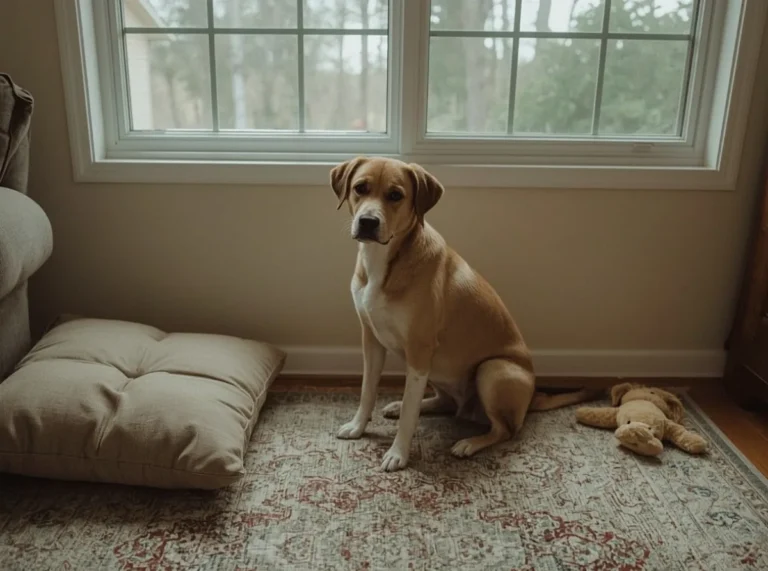
The dog may seem more persistent, noisier, or less patient. Some dogs repeatedly return to the same place, such as the kitchen, entryway, or couch by the window. Others shadow family members from room to room because the usual sequence of the day no longer feels clear.
Stress can also make routine needs more visible. A dog who normally handles variation with ease may begin depending on structure more heavily during times of change, illness, or household tension. That shift does not necessarily mean a lasting problem. It may simply mean the dog is leaning on routine as a stabilizer.
When a dog’s behavior changes during schedule disruptions, the reaction often says more about uncertainty than stubbornness.
The Difference Between Healthy Routine and Rigidity
Some routine is healthy. It gives the dog a dependable rhythm and helps the household run smoothly. But when a dog becomes unable to cope with even small changes, the line between preference and rigidity starts to matter.
A healthy routine-supporting dog may wait a little longer for breakfast or adjust to a later walk with some obvious interest but no major distress. A more rigid dog may continue pacing, vocalizing, or refusing to rest until the expected event happens. The difference is usually not about obedience. It is about how much emotional weight the dog places on the pattern.
Signs that routine may be doing too much emotional work include:
- strong distress when the schedule changes slightly
- difficulty calming down after a missed activity
- repeated checking behavior throughout the day
- intense focus on time-related cues
- increased need for reassurance from people
In these cases, the dog is not simply “used to” the routine. The routine has become a major organizing tool for the dog’s state of mind.
How Household Environment Shapes the Need for Patterns
A quiet home can reinforce daily patterns because the same sounds and movements happen in the same order. A busy home can do the same, but in a different way. In both cases, the dog learns the cadence of the household. The more predictable the environment, the easier it is for the dog to settle into the flow of the day.
Dogs living with children, shift workers, or frequent visitors often have a harder time finding a fixed rhythm. Yet some adapt well because the household still has repeated touchpoints. Even in a busy home, dogs often pay close attention to the familiar sequence of people leaving, returning, eating, or relaxing.
Physical environment matters too. A dog that can see the kitchen, hear the front door, or watch for the car in the driveway may become more sensitive to daily timing. Those cues become part of the pattern. Change the cue, and the dog may feel that something important has shifted, even if the actual event has not happened yet.
How Owners Often Misread the Behavior
It is common to interpret pattern-based behavior as manipulation or demandingness. A dog that starts pestering at the usual dinner time is often seen as pushy. A dog that waits by the door every afternoon may be dismissed as spoiled. But many of these behaviors are simply learned expectations paired with strong anticipation.
That anticipation can be calm or intense. A relaxed dog may sit quietly and wait for the next step. A more sensitive dog may vocalize, pace, or follow the owner closely. The external behavior looks different, but the underlying reason may be similar: the dog is tracking the day and trying to stay aligned with it.
Owners sometimes also mistake predictability for dominance or defiance. A dog that resists interruption to a favorite routine is often not being difficult. It may be having trouble adjusting to the gap between what usually happens and what is happening now.
What Helps Dogs That Rely on Daily Patterns
Dogs that depend on routine usually do best with consistency, but consistency does not have to mean being strict every minute of the day. Small, steady anchors often help more than rigid timing. A dog can learn that breakfast comes after the same morning cues, not at an exact minute on the clock.
Helpful supports often include:
- keeping wake-up, feeding, and walk windows reasonably steady
- using the same cues before repeated events
- building in quiet time after active parts of the day
- making schedule changes gradually when possible
- giving the dog a predictable place to rest
It can also help to notice the dog’s own timing preferences. Some dogs are most unsettled before meals. Others struggle more when evening routines shift. Once the pressure points are clear, the household can protect those parts of the day more carefully.
For dogs that become upset during change, a familiar mini-routine can be useful even when the larger schedule is different. A short walk, the same mat at bedtime, or a few minutes of calm attention after dinner can help restore the shape of the day.
Long-Term Pattern Awareness
Over time, daily patterns can reveal a dog’s temperament very clearly. A dog that tracks routines closely for months is usually showing a stable style, not a random phase. That pattern can help owners understand what the dog leans on when life gets busy or unpredictable.
It is worth watching whether the dog’s response stays mild or becomes more intense. Mild pattern-seeking often reflects a dog that likes order. Strong distress around routine changes may point to broader sensitivity, especially if it appears alongside restlessness, clinginess, or trouble settling.
The goal is not to remove all predictability. For many dogs, that would make life harder. The goal is to notice how the dog uses daily structure and to understand why certain moments in the day carry more weight than others.
For some dogs, routine is not background. It is the framework that makes the rest of the day feel manageable.
When a Dog’s Pattern Is a Clue, Not Just a Habit
A dog that expects the same events at the same times may be showing more than routine memory. The behavior can also reflect emotional dependence on structure, sensitivity to household change, or a strong need for reassurance during transitions. A dog that seems especially unsettled when the day does not unfold normally is giving useful information.
That information is often subtle. It may be found in the way the dog waits at the door, checks the kitchen, or becomes quiet when the house falls behind schedule. These are not dramatic signals. They are part of a dog’s language of expectation.
When daily patterns matter a lot, the dog’s behavior often makes sense once the rhythm of the home is clear. What looks like fussiness may be a steady attempt to keep the day organized. What looks like impatience may be the dog trying to reconnect with the order it trusts.
In that sense, routine is not only about timing. It is about helping certain dogs move through the day with less uncertainty and more ease.