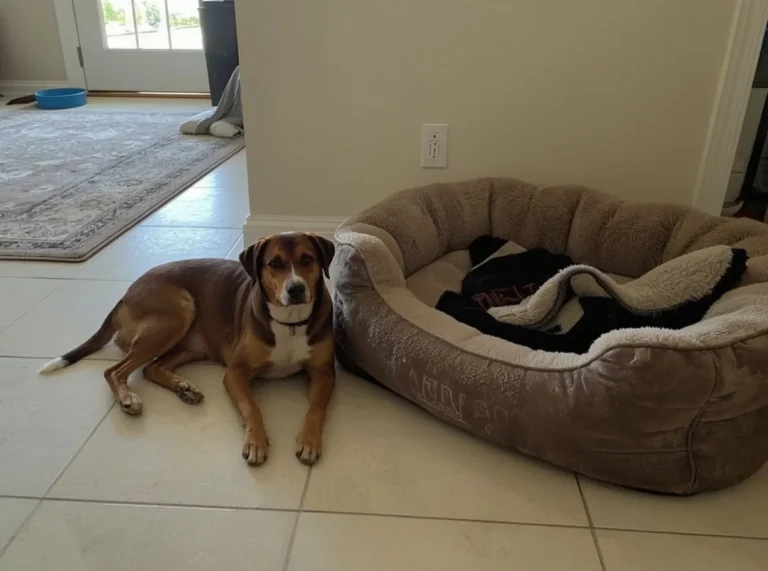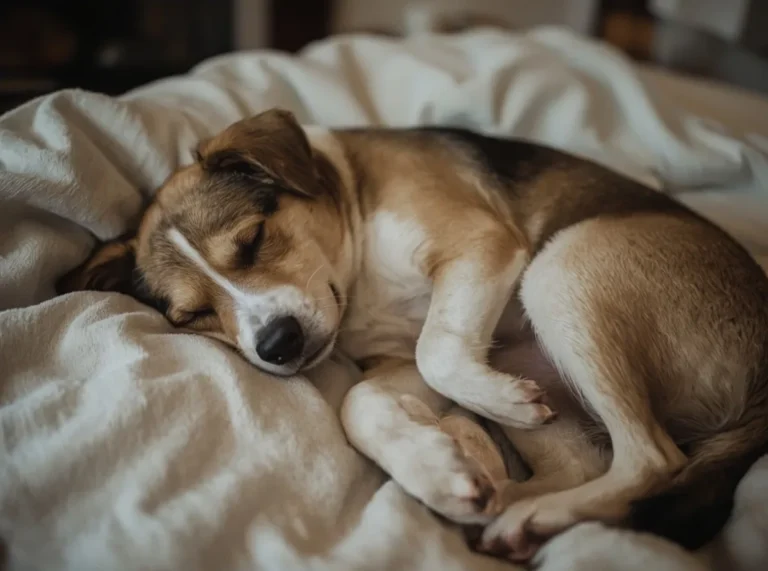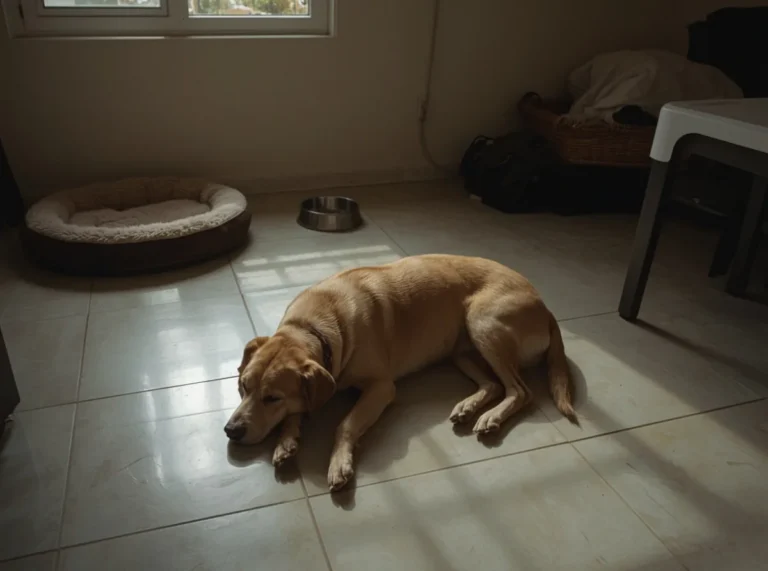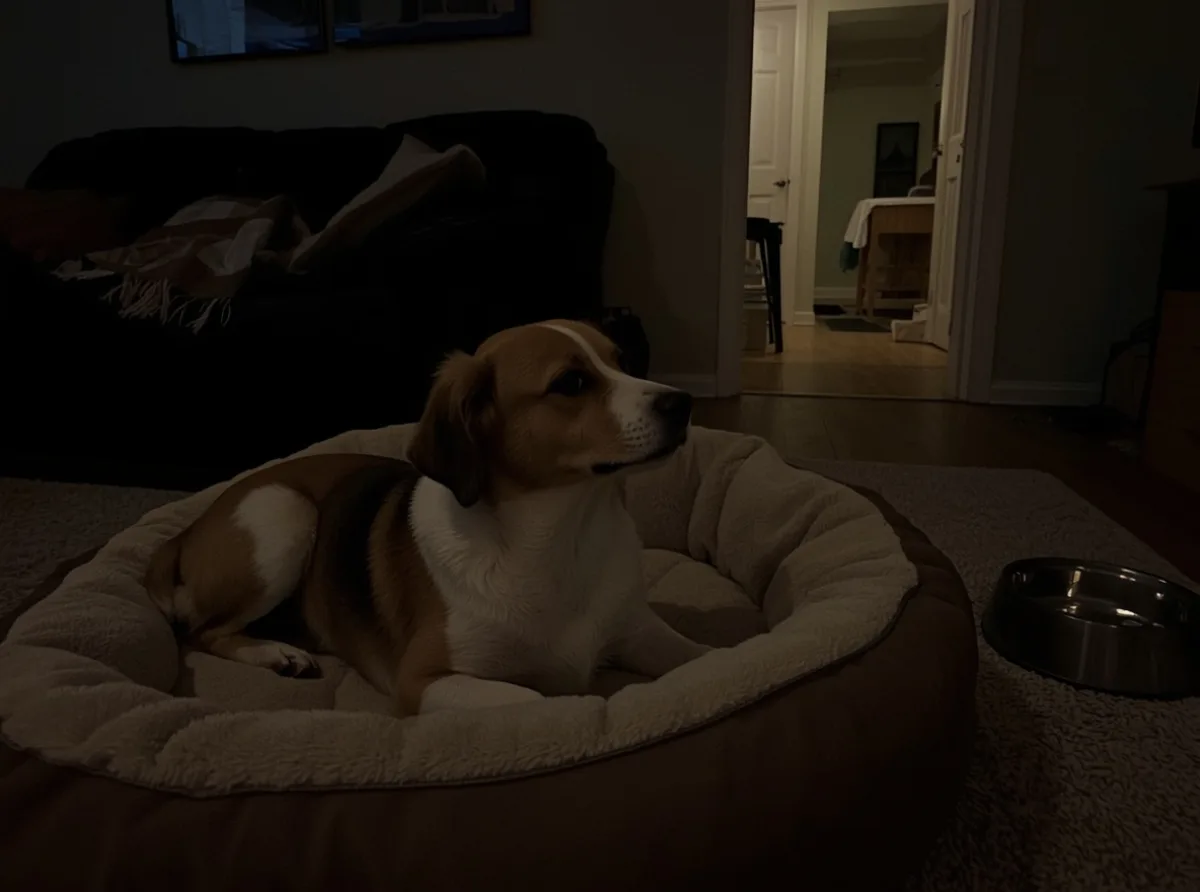
A dog that wakes up in the middle of the night and starts moving around can seem restless, but the reason is not always serious. Some dogs change positions, walk to another room, or circle a bed before settling again. Others seem fully awake for a few minutes, listening, sniffing, or checking the house.
These moments can look random from the outside. In reality, night movement often reflects a mix of instinct, comfort, habit, age, and what happened earlier in the day. A dog that sleeps lightly may react to a sound you barely notice. Another may simply be too warm, too alert, or not tired enough to stay still.
Understanding the pattern matters more than reacting to a single night. A dog that briefly shifts and goes back to sleep is different from one that paces, whines, pants, or seems unable to settle. The small details often tell the story.
What Night Movement Looks Like in Everyday Life
Nighttime movement can appear in many forms. Some dogs lift their head, reposition their paws, and fall back asleep within seconds. Others get off the couch or bed, walk to the hallway, drink water, and return. A few dogs do repeated laps around the room or move from one sleeping spot to another until they find a place that feels right.
These behaviors are not always a sign that something is wrong. Dogs are not built to sleep exactly like people. They often sleep in lighter, shorter stretches and respond quickly to changes around them. A floor creak, a passing car, or a shift in household noise can be enough to wake them.
Some dogs also move because they are uncomfortable in a practical sense. The blanket may be too warm. The bed may not support their joints well. Their stomach may feel unsettled after a late meal or treat. Small physical issues often show up first at night because the rest of the home is quiet.
Why Dogs Wake Up and Move at Night
One common reason is simple alertness. Dogs are naturally tuned to notice movement, sound, and change. Even when they are relaxed, part of their attention remains on the environment. That instinct can make them wake up, check a noise, and move to a new spot before settling again.
Another reason is sleep style. Dogs do not usually sleep in one long, uninterrupted block the way humans hope they will. They cycle through lighter and deeper periods of rest. During lighter sleep, they may shift position more often and briefly wake between cycles.
Physical comfort also plays a role. Dogs may get up if they are too hot, too cold, stiff, itchy, or thirsty. Older dogs, in particular, often change positions more often because joints feel stiff after lying still too long. Puppies may move at night simply because they are still learning how to settle.
Emotional state can influence it too. A dog that is a little anxious, overexcited, or uncertain may not sink into deep rest as easily. This does not always look dramatic. Sometimes it is only a pattern of light sleep, small movements, and repeated checking of the surroundings.
Night movement is often less about “misbehavior” and more about a dog trying to regulate comfort, alertness, and safety.
Situations Where It Happens Most Often
Many dogs become more active at night after changes in the daily routine. A late walk, a missed nap, unfamiliar guests, fireworks, or a move to a new home can all make sleep less settled. Dogs often need time to adjust when their surroundings or schedule changes.
It also tends to appear more often in homes with uneven activity levels. A dog that has been quiet all evening may finally become restless once the household settles down. Once the people stop moving, the dog may feel free to shift around or seek attention.
Temperature matters more than many owners expect. A dog that moved around normally during the day may become restless if the sleeping area gets warmer or if the bedding holds too much heat. On the other hand, a chilly room can cause repeated waking and repositioning.
After meals, treats, or late snacks, some dogs seem less settled. A full stomach can be uncomfortable, especially if the dog lies down immediately after eating. This is not unusual, but it becomes more noticeable when the behavior repeats night after night.
Emotional Reasons Behind the Behavior
Dogs that are highly attached to their people often wake more easily when the household changes around them. They may get up to follow a person, check where someone went, or reorient themselves if the usual sleeping spot feels less secure. This is common in many companion dogs and does not always indicate separation anxiety.
Some dogs are simply sensitive. They notice household sounds, movement in another room, or even a change in scent. That sensitivity can make them more active at night than a more indifferent dog. A dog that is on guard during the day may carry a small amount of that alertness into sleep.
Stress can also show up quietly. A dog under mild stress might not bark or shake. Instead, the dog may sleep lightly, wake often, and move from place to place without seeming fully comfortable anywhere. Owners sometimes think the dog is just “being weird,” when the real issue is that the dog has not fully relaxed.
Some dogs move because they want reassurance. They may come closer to a person’s bed, lie at the foot of the couch, or reposition themselves where they can still sense the family. This is often a small social behavior rather than a problem.
How Environment and Routine Affect Night Movement
Routine shapes sleep more than many people realize. A dog that gets walks, play, feeding, and rest at roughly the same times each day usually settles more predictably at night. When the rhythm changes, sleep can become choppier.
Too little activity during the day can also lead to more waking. A dog with extra energy may not be able to stay calm for long stretches once the lights go out. The result is not always obvious hyperactivity. Sometimes it looks like repeated standing, walking, or changing sleeping spots.
Noise level matters as well. A quiet home can help one dog sleep deeply, but it can also make another dog more aware of small sounds. A dog that is used to a busy household may wake more when the home suddenly becomes silent, because every little sound stands out more.
Sleep location is another piece of the picture. A bed placed near a draft, a hallway, or a heating vent may encourage movement. Some dogs move because they are searching for a better surface, a better temperature, or a place where they can rest without being disturbed.
Common environmental triggers
- Changes in room temperature
- Late evening activity or visitors
- New sleeping surfaces or bedding
- Nearby sounds from traffic or appliances
- Inconsistent feeding or walking times
What the Behavior May Signal About the Dog’s State
A dog that wakes briefly and resettles is often just responding normally to the environment. The movement may be a simple adjustment, not a sign of distress. Dogs commonly shift positions many times during a long rest period.
When the movement becomes more repeated or purposeful, the meaning may change. Pacing, constant repositioning, or difficulty lying down can suggest discomfort, nervousness, or a need to check the surroundings. The context matters. A single night after a thunderstorm means something different than a pattern that lasts for weeks.
Body language gives useful clues. A relaxed dog usually moves calmly and returns to rest without much effort. A dog that keeps scanning, licking lips, holding the tail low, or hesitating before lying down may be showing more than simple wakefulness. These signals can be subtle, but they often travel together.
If a dog repeatedly cannot settle, the movement deserves attention as a possible sign of discomfort, anxiety, or age-related change.
Different Ages, Different Night Patterns
Puppies often move at night because they are still learning sleep habits. They may wake to eliminate, feel lonely, or lose track of where they are. Their sleep is lighter and less organized, and that usually improves with time and consistency.
Adult dogs often wake for practical reasons. They may need a quick potty break, want water, react to noise, or adjust after an active day. If an adult dog starts waking more often than usual, it is worth looking at changes in routine, exercise, diet, or the sleeping environment.
Older dogs tend to show more movement at night for physical reasons. Stiff joints, weaker bladder control, changes in hearing, and general discomfort can all interrupt sleep. An older dog may stand up, circle, and lie back down several times before finding a position that feels tolerable.
Age-related changes are not always dramatic. Sometimes the first sign is just a dog that no longer sleeps through the night the way it used to. That small shift can matter if it becomes a regular pattern.
How Owners Often Misread the Behavior
One common misunderstanding is assuming every night movement is a sign of anxiety. That is not always true. Many dogs move simply because they are adjusting their body or responding to a sound. Jumping to the worst explanation can make normal behavior feel more alarming than it is.
Another mistake is dismissing repeated movement as a harmless quirk. A pattern that appears every night may point to something practical, like poor bedding, hunger, thirst, joint stiffness, or too much stimulation before bed. Repetition is usually the part that deserves the closest look.
Owners also sometimes confuse alertness with disobedience. A dog that gets up to check a noise is not being stubborn. The dog is often following instinct. That instinct can be inconvenient, but it makes more sense when seen through the dog’s own way of experiencing the room.
It helps to notice whether the dog is calm while moving or visibly unsettled. The difference between a brief adjustment and true restlessness is often easy to miss unless you look at the whole picture.
Signals That Often Appear Alongside Night Movement
Night movement rarely happens in isolation when it is tied to a bigger issue. Dogs may yawn, lick their lips, shift weight, sigh repeatedly, or keep changing position. Some dogs stare toward doors or windows. Others follow a person from room to room and then struggle to settle again.
Physical signs can matter just as much as behavior. Panting in a cool room, repeated scratching, stiffness when standing, or reluctance to lie down may point to discomfort. If the dog is old, these signs can be easier to overlook because they appear slowly.
Emotional signs can be subtle too. A dog may seem clingier than usual, check in more often, or hover near people instead of going to a favorite sleeping place. These details can help separate a simple wake-up from a deeper pattern of unease.
Useful clues to watch for
- Repeated pacing or circling
- Difficulty settling after waking
- Whining, panting, or lip licking
- Stiff movement when standing up
- Restlessness after meals or late evening activity
How to Read the Pattern Over Time
A single restless night is often not meaningful on its own. Patterns become more useful. If the behavior happens after busy evenings, during hot weather, or when the dog sleeps in a certain room, the reason may be environmental. If it appears after exercise changes, diet changes, or new household routines, those factors deserve attention.
Consistency can also reveal age-related change. A dog that used to sleep deeply but now wakes several times every night may be dealing with physical discomfort or a shifting sleep pattern. That kind of gradual change is easier to notice when you compare weeks instead of one or two nights.
Keeping the dog’s routine steady often helps make the pattern clearer. The more predictable the schedule, the easier it becomes to tell whether the movement is normal adjustment or a response to something specific.
Some dogs settle best when they have one reliable sleep space and a calm evening routine. Others do fine with a little more flexibility. The key is noticing what the dog does, not assuming every dog should sleep in the same way.
When Night Movement Is Harmless and When It Needs Attention
Brief waking, shifting, and resettling are usually part of normal dog behavior. Many dogs do this several times a night with no real issue. If the dog returns to sleep easily and seems normal during the day, the behavior may simply reflect ordinary sleep patterns.
It deserves closer attention when the movement becomes frequent, intense, or tied to obvious discomfort. A dog that cannot lie down comfortably, pants without a clear reason, seems confused at night, or suddenly changes sleep behavior may need a veterinary check. Sudden change is especially important, even if the dog looks mostly fine in daylight.
Behavior that starts after a clear change in the home often points to the environment first. Behavior that appears without a clear trigger, or grows worse over time, is worth taking seriously. Dogs often show discomfort quietly before they show it in more obvious ways.
When nighttime movement is new, repeated, or paired with pain or distress, the pattern matters more than the individual wake-up.
Ending the Night with a Better Read on the Behavior
Dogs wake and move at night for ordinary reasons, and those reasons are often mixed together. A little instinct, a little discomfort, a little alertness, and a little habit can all shape the same scene. One dog is checking the hallway. Another is too warm. Another wants to lie closer to the family. The movement may look similar even when the causes differ.
The most useful approach is to watch for patterns that repeat. Time of night, room temperature, household noise, feeding schedule, age, and body language all help explain what the dog is doing. A dog does not need to sleep exactly like a person to be resting well. What matters is whether the behavior looks settled, consistent, and easy for the dog to leave behind once it has made the needed adjustment.