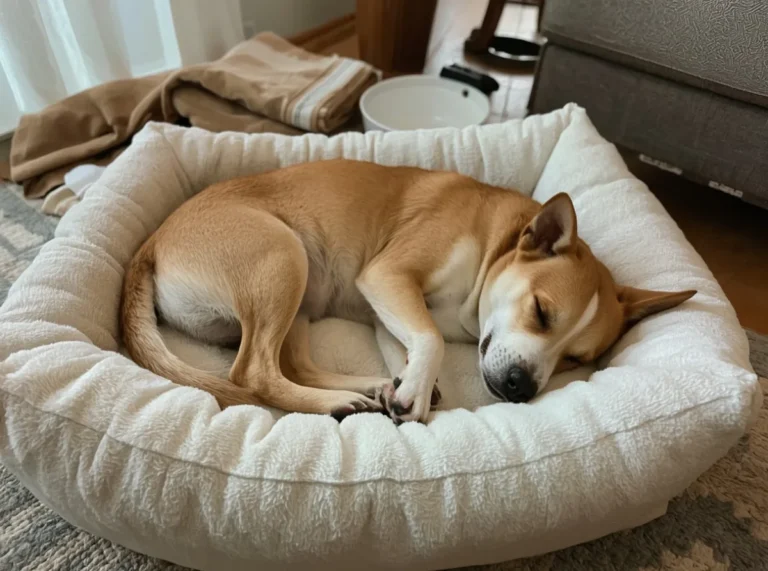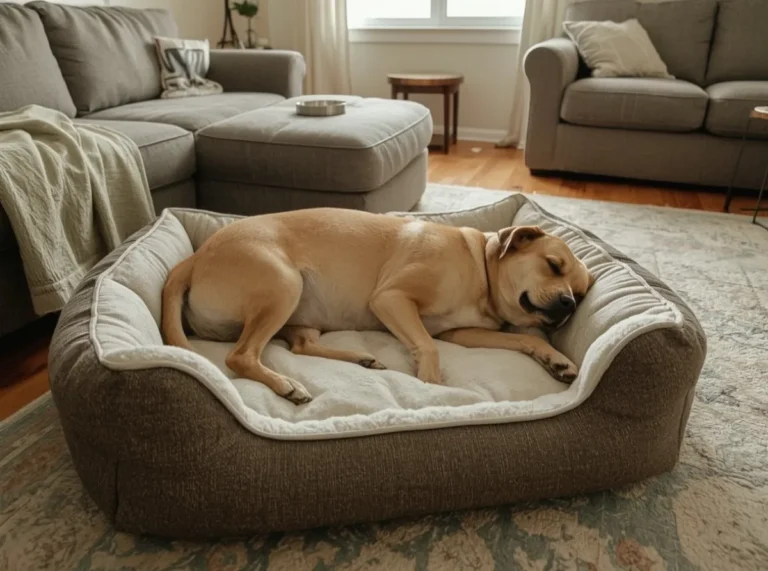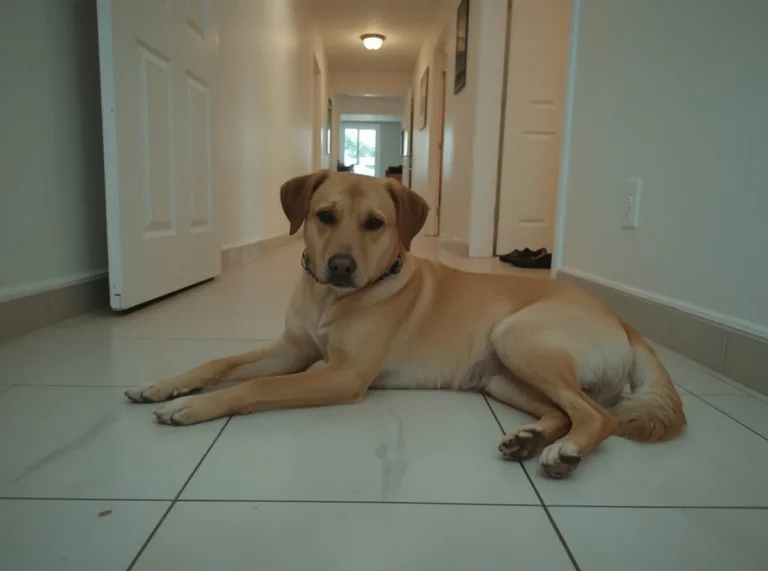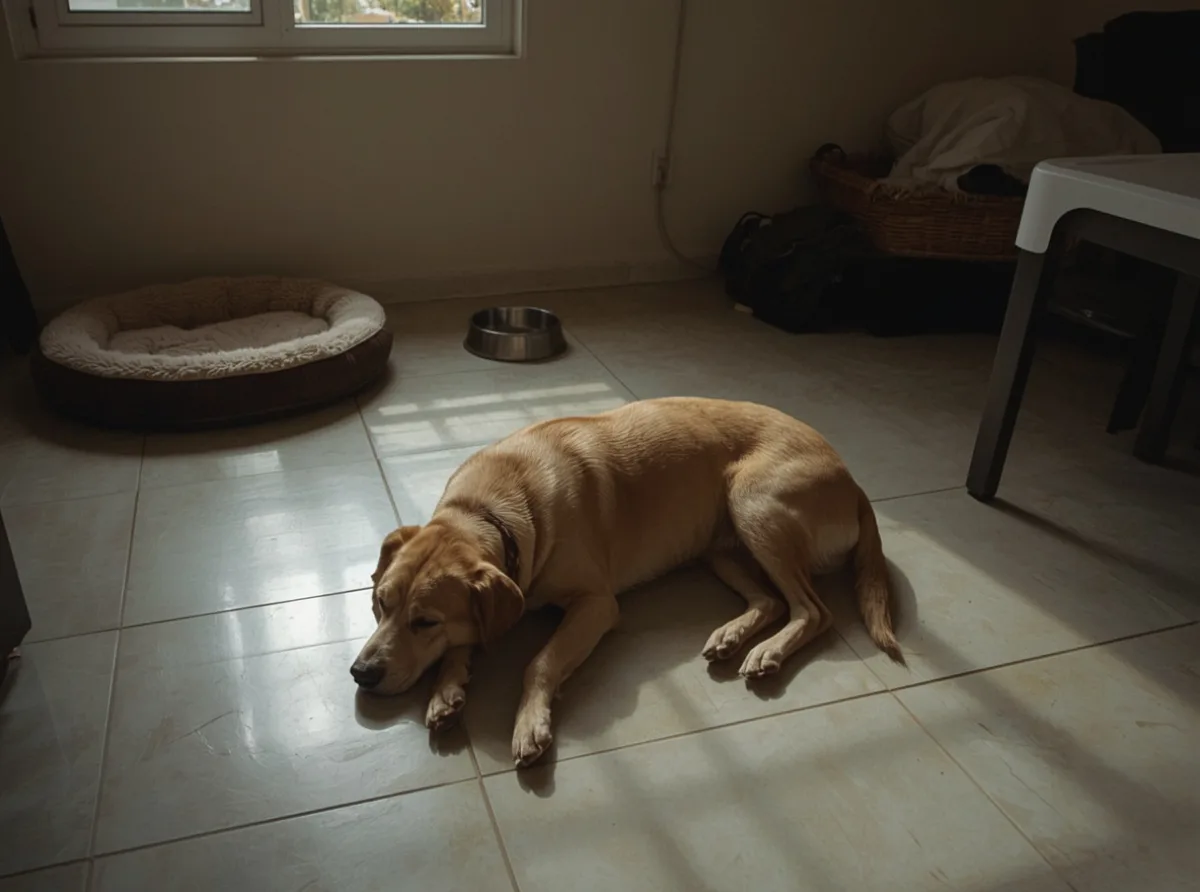
Dogs do not always choose the softest bed in the house. Sometimes they head straight for the tile floor, the spot by the vent, the cool corner under the table, or a patch of bare wood that seems much less comfortable to a human eye. That choice can look simple from the outside, but it often reflects a dog’s physical needs, temperature preferences, and the way the home environment feels at that moment.
In many homes, a dog’s search for a cooler sleeping area is steady and predictable. It may happen after play, after a walk, during warm afternoons, or even on mild days if the dog naturally runs hot. Other times the pattern appears only when something in the environment changes, such as thicker bedding, a warmer room, more activity in the house, or a dog’s own body feeling less comfortable than usual.
Cooler sleeping spots are not automatically a problem. In fact, for many dogs they are the most practical place to rest. The real question is what is driving the choice. Sometimes the answer is simple temperature regulation. Sometimes it is about comfort, habit, age, coat type, health, or a dog’s sense of safety and control over its surroundings.
Why Dogs Gravitate Toward Cooler Places to Sleep
Dogs are constantly balancing comfort with body temperature. Unlike people, they do not regulate heat in the same way, and they often rely on their surroundings to help them stay comfortable. When a room feels even slightly warm, a dog may move to a cooler surface because it allows heat to leave the body more easily.
This tendency is especially noticeable in dogs with thick coats, short muzzles, more body mass, or a naturally warm body temperature. A large dog lying on carpet may feel trapped by retained heat, while the same dog may settle quickly on tile or stone. Some dogs are simply more sensitive to warmth and seek out cool surfaces long before the room feels hot to a person.
When a dog keeps choosing cooler sleeping areas, it is often a practical response to body heat, coat type, or room temperature rather than a sign of avoidance.
The behavior also makes sense from an instinctive point of view. Dogs often look for the spot that helps them recover efficiently. After activity, a cooler surface can feel soothing. After a long nap, it may help a dog stay from becoming overly warm under blankets or on dense bedding.
What This Looks Like in Everyday Life
In a home setting, this behavior can show up in small but familiar ways. A dog may start the night on a cushioned bed and later move to the floor beside it. Another dog may ignore the couch and spread out on the kitchen tile. Some dogs rotate through several locations, settling for a while in one place and then shifting as the room changes.
Owners often notice patterns tied to time of day. A dog may be happy on a soft bed in the morning but avoid it by late afternoon when the house is warmer. After exercise, a dog may leave the bed entirely and choose a cooler surface near a doorway, an air vent, or a shaded part of the room. These choices can look random, but they usually follow the dog’s need to manage comfort.
Sometimes the behavior is even more specific. The dog may like a bed with a cooling mat, a spot near a draft, or the bathroom floor on summer evenings. If the house has several resting options, a dog may quietly develop a preference for the coolest one available and return to it repeatedly.
Common places dogs choose when they want to stay cooler
- Tile or stone floors
- Shaded corners away from windows
- Rooms with better airflow
- Areas near vents or fans
- Cool laundry room or bathroom floors
- Low-pile rugs instead of thick bedding
Physical Reasons Behind the Preference
Temperature is the most obvious reason, but it is not the only one. A dog’s age, coat, size, and overall health can all affect where it feels best to sleep. Older dogs sometimes choose cooler spots because warm, cushioned surfaces feel less comfortable on joints and muscles. They may also change positions more often, and a cooler floor can make that easier.
Body shape matters too. Large dogs tend to hold and generate more heat simply because they have more body mass. Short-nosed breeds can be more heat-sensitive and may need cooler resting spots sooner than owners expect. Dogs with thick double coats may also be less comfortable on insulated bedding during warmer parts of the day.
Hydration, recent activity, and the dog’s overall condition also play a role. A dog that has been running, playing, or spending time outside may want a cooler place to rest as its body settles down. If the dog has been lying in the sun, near a heating source, or in a crowded area, the cooler spot may feel more restful and less stimulating.
If a dog suddenly starts seeking cooler places more often than usual, it is worth noticing whether the house has become warmer, the dog has become more active, or the dog may be feeling physically less comfortable.
Emotional and Internal Reasons Dogs May Seek Cooler Spots
Not every move to a cool surface is about temperature alone. Dogs sometimes choose different sleeping areas because they want space, calm, or a lower level of stimulation. A cooler spot can feel quieter and less crowded, especially if the main bed is in the center of household traffic. The dog may be looking for relief from noise, movement, or too much contact.
Some dogs use location as a way to regulate their own emotional state. After visitors come and go, a dog may retreat to a cool floor in a quiet room. After an active household day, the dog may choose a place that feels open and undisturbed. The cooler surface is part of the picture, but the real appeal may be the sense of separation and control it offers.
There is also a subtle connection between cooling down physically and settling down mentally. Dogs that are overstimulated sometimes seem to “drop” into quieter spaces to decompress. The floor near a doorway or in a low-traffic room may not look emotionally significant, yet to the dog it can represent a break from pressure and activity.
How Routine and Environment Shape the Habit
A dog’s preference for cooler sleeping areas often becomes clearer when viewed against the background of daily routine. A predictable, calm home may lead to a consistent resting pattern. A busy household may cause the dog to shift around more often, searching for the most comfortable place at each stage of the day.
Room temperature changes can have a strong effect. Sunlight through windows, cooking activity, multiple appliances running, closed curtains, and limited airflow all change how a room feels over time. Dogs notice these changes well before humans think to adjust them. A spot that felt perfect in the morning may feel too warm by evening.
Bed materials matter too. Thick plush beds hold heat longer. Memory foam can trap warmth in some homes. By contrast, a cooler mat, thin blanket, or bare floor gives a dog more control over body temperature. Even the location of the bed can affect the decision. A bed tucked into a warm corner may be ignored, while a similar bed placed in a breezier part of the house may become a favorite.
Environmental factors that often influence the choice
- Seasonal heat and humidity
- Sunlight exposure in a sleeping area
- Airflow from fans, vents, or open doors
- Type of bedding and how much heat it holds
- Noise and traffic in different rooms
- Whether the dog can move freely between options
What the Behavior May Signal About the Dog’s Mood
The way a dog chooses a cooler place can tell you something about its emotional state, but the details matter. A relaxed dog may walk to a cool floor, circle once, and lie down fully with loose muscles and steady breathing. That looks very different from a dog that seems restless, keeps shifting locations, or lies down only briefly before moving again.
A calm preference usually comes with a settled body. The dog’s face looks soft, the tail is neutral, and the transition into sleep is easy. The cooler surface is simply part of a comfortable routine. In that case, the behavior is best understood as normal self-selection.
By contrast, a dog that searches repeatedly for a cooler place may be trying to fix something that feels off. Maybe the room is too warm. Maybe the bedding is uncomfortable. Maybe the dog is tired but unable to settle because of noise, tension, or physical discomfort. The cooler area becomes the first thing that helps, but it may not be the only issue.
Pay attention to the dog’s overall body language, not just the sleeping spot. The same behavior can mean contentment, heat management, or unease depending on how the dog carries itself.
Subtle Signals That Often Travel With the Behavior
Dogs rarely announce their reason in plain terms, but they do leave clues. A dog choosing a cooler sleeping area because of warmth often looks relaxed yet deliberate. The movement is practical, not frantic. The dog may stretch out fully, expose the belly, or place the body in a way that allows more surface contact.
When the choice is linked to discomfort or stress, the signals tend to be different. The dog may keep getting up, repositioning, or glancing around. The body may remain tense even after lying down. Ears may stay alert. Breathing may be faster than expected. In those moments, the cooler spot is part of a broader effort to feel settled.
Some dogs also show small changes in touch tolerance. A dog that wants to cool down may avoid thick bedding and choose a firm surface without showing any emotional strain. A dog that is physically uncomfortable may seem less willing to be touched, may sleep lightly, or may appear as if it cannot quite get comfortable anywhere. Those distinctions can guide how owners interpret the behavior.
When Owners Misread the Meaning
It is easy to assume a dog is being picky or rejecting a bed simply because it prefers the floor. In many cases, the dog is making a very logical choice. A bed that seems luxurious to a person can actually be too warm, too soft, or too enclosed for the dog’s needs.
Another common misunderstanding is thinking the dog only wants to avoid family members or be alone. That may be true in some situations, but not always. A dog can seek a cool spot and still feel social, comfortable, and attached to the household. The floor by the bed may be chosen for temperature, not distance.
Owners may also overlook how often the home environment changes. A dog that never used to ignore its bed may start doing so during warmer months, after a room rearrangement, or when a new blanket is added. The behavior may seem sudden, but the trigger is often environmental rather than behavioral.
How Health Can Affect the Pattern
Sometimes the dog’s preference for cooler sleeping areas becomes more pronounced because of health changes. Dogs in pain may look for cooler, firmer surfaces that feel easier on the body. A dog with joint discomfort may avoid thick bedding that requires more effort to climb into or shift around on.
Heat sensitivity can also become more obvious with age or weight gain. A dog that once loved a plush bed may later prefer a firmer, cooler spot simply because the old sleeping setup no longer feels as good. Changes in thirst, breathing, restlessness, or sleep quality can all alter where a dog wants to lie down.
If the dog suddenly begins seeking the coolest place in the house and also shows other changes, the pattern deserves attention. That can include reduced activity, heavy panting in mild weather, reluctance to lie down in familiar beds, or unusual pacing before sleep. The cooler spot may be helping the dog cope with something that needs a closer look.
Signs that the preference may be more than simple comfort
- Sudden or dramatic change in sleeping location
- Restlessness at night
- Heavy panting without obvious heat
- Stiff movement or difficulty settling
- Withdrawal from usual resting spots
- Repeated shifting from one place to another
How Different Household Setups Change the Behavior
In a quiet home with a few resting options, the pattern is usually easy to spot. The dog may select one cool surface and return to it regularly. In a busier home, the same dog may move around more because activity levels and room temperature change throughout the day. Children running through the house, guests arriving, or multiple pets sharing space can all influence where a dog feels most comfortable.
Open-plan homes sometimes create different resting behavior than smaller rooms do. Airflow may be better in one area, but noise and movement may be harder to escape. A dog may settle on a cool floor near the kitchen for the temperature, then move to a hallway corner later for peace. The resting choice is rarely about one factor alone.
The same is true in homes with limited climate control. If one room stays cooler than others, the dog will naturally favor it. That preference can become very strong during warm weather. In some homes, it is not unusual for a dog to spend much of the day moving toward the coolest available surface and leaving it only when the environment changes again.
How the Behavior Tends to Become Noticeable Over Time
Many owners notice the pattern slowly. At first the dog might only seek cooler spots on especially warm days. Then the behavior appears more often after exercise. Later it may become a regular part of the dog’s routine, especially in certain rooms or at certain hours. The change can be gradual enough that it seems normal by the time it becomes established.
That gradual shift often reflects learning. The dog discovers which places feel best and begins returning to them. If one cooler area reliably helps the dog settle faster, it becomes the preferred location. The pattern can be reinforced by comfort alone. A dog does not need any special training to develop a consistent sleeping preference.
Still, consistency matters. If the dog always chooses cooler areas no matter the season, the bedding, or the time of day, that may simply be a strong preference. If the pattern changes sharply, or if the dog seems unable to get comfortable anywhere else, the behavior may deserve more attention.
Stable preference usually looks calm and repetitive. A new, intense search for cooler spots can point to a change in the dog’s body, routine, or comfort level.
Practical Ways Owners Can Respond
Owners do not need to force a dog to use a warmer bed if the dog clearly prefers a cooler one. A better approach is to make several sleeping options available and let the dog choose. A thin mat, a breathable bed, a cool floor space, and access to a quieter room can give the dog enough freedom to settle naturally.
It also helps to notice the pattern around the house. If the dog always moves to the same area, that spot may be cooler, calmer, or simply more comfortable. If the room is warm, adjusting airflow or moving the bed may make a bigger difference than replacing the bed itself. Sometimes a simple change in location is enough to keep the dog from avoiding its sleeping place.
If the dog seems uncomfortable in every resting area, or if the preference appears suddenly alongside other signs, paying attention to the broader picture is wise. Cooling behavior on its own is often ordinary. Cooling behavior paired with restlessness, pain, or major appetite changes tells a different story.
A Natural Way Dogs Manage Comfort
Seeking cooler sleeping areas is one of the quieter ways dogs care for themselves. It can mean the room is too warm, the bed holds too much heat, the dog needs relief after activity, or the dog simply wants a calmer place to rest. The behavior is often practical, and often very normal.
When the choice changes with weather, routine, or the dog’s physical state, that flexibility usually makes sense. Dogs adjust their resting places in response to what feels good in the moment. A cool floor, a breezy hallway, or a shaded corner may be the most comfortable option available, and many dogs know exactly when to use it.
What matters most is not whether the dog chooses the “best” bed, but whether the choice fits the dog’s needs. A dog that sleeps where it feels coolest is often doing something simple and sensible: finding the place that helps the body settle and the day wind down.