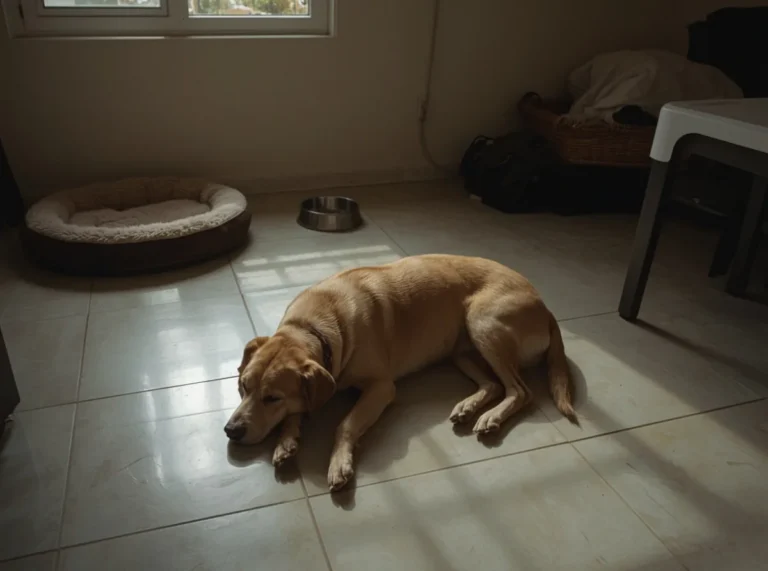
Some dogs walk past a soft bed, sniff it once, and choose the floor instead. Others climb in for a minute, then move away and settle on a rug, a couch corner, or a cool patch of tile. The choice can look puzzling, especially when the bed seems comfortable to a person.
What looks like simple preference often comes from a mix of body comfort, habit, temperature, and emotional state. A dog may avoid a soft bed because it feels unstable, too warm, too enclosed, or simply unfamiliar. In some cases, the bed itself is not the real issue at all.
When this behavior shows up, it helps to look at the whole picture. The dog’s age, energy level, health, and daily routine all shape where it wants to rest. A soft bed can be inviting one day and unappealing the next.
What Avoiding a Soft Bed Can Look Like in Daily Life
The behavior is not always dramatic. Many dogs do not act afraid of the bed. They just keep choosing something else.
You may notice a dog that circles the bed, paws at it once, then lies beside it. Another dog may jump in for a few seconds, shift around, and leave. Some dogs treat a soft bed like a place for toys rather than sleep. Others use it only when they are tired beyond reason and avoid it at all other times.
These patterns can happen in homes with plenty of beds. A dog may have a plush orthopedic cushion in the bedroom, a donut bed in the living room, and a blanket-lined crate, yet still curl up on the hardwood floor. The choice often reflects comfort in the moment, not a permanent dislike of the bed.
Common ways the behavior appears
- Sleeping next to the bed instead of on it
- Digging or scratching the bed briefly, then walking away
- Lying on the edge of the bed but not sinking into it
- Choosing cooler, firmer surfaces nearby
- Using the bed only after exercise or at certain times of day
In a multi-dog home, one dog may love the soft bed while another avoids it completely. That difference is normal. Dogs often have very individual resting preferences, just like people do.
Why Some Dogs Dislike the Feel of Soft Beds
A soft bed changes the way a dog’s body is supported. For some dogs, that is pleasant. For others, it feels unstable or even irritating. Dogs that like firm ground often want to feel secure under their feet, and a thick cushion can make that harder.
Age and body shape matter here. A young, athletic dog may want a firmer surface because it is easier to get up quickly. A larger dog may sink too deeply into a plush bed and have to work harder to shift positions. For dogs with short legs, long backs, stiff joints, or limited mobility, a very soft bed can be awkward rather than restful.
When a dog avoids a soft bed, the problem is often comfort, not stubbornness.
Some dogs also prefer beds that do not “give” too much when they settle. The sensation of sinking in can make them feel less in control of their space. That can be especially true for dogs that are naturally alert, cautious, or sensitive to movement around them.
Body-related reasons that can matter
- Joint stiffness or arthritis
- Difficulty standing up from a deep cushion
- Back discomfort or muscle soreness
- Feeling overheated in a plush bed
- Preference for firm, predictable support
Sometimes the issue is not that the bed is soft. It is that the bed is too small, too fluffy, or has sides that press against the body in an uncomfortable way. A dog may want support, but not confinement.
Temperature and Surface Choice
Temperature can strongly shape where a dog wants to rest. Soft beds tend to hold warmth. That is good for some dogs, especially small breeds or dogs with thin coats. For others, it becomes too much very quickly.
A dog that is warm from activity, sunlight, or a heated room may avoid anything plush because it traps heat. Floor tile, laminate, or a thin mat can feel better because they help the body cool down. This is one reason a dog may love the soft bed in winter and ignore it in summer.
Dogs also respond to what is happening in the room. Near a vent, fireplace, or sunny window, a soft bed may become the hottest spot in the house. The same bed can feel pleasant in the evening and overly warm in the afternoon.
Signs temperature may be part of the reason
- Choosing cool floors over cushions
- Stretching out instead of curling up
- Moving off the bed after a few minutes
- Seeking shaded spots or breezy areas
- Resting near, but not inside, the bed
Some dogs are simply more heat-sensitive than others. Short-nosed breeds, thick-coated breeds, and senior dogs may all show different preferences. A soft bed is not automatically a better bed just because it looks cozy to a human eye.
Routine, Familiarity, and Control
Dogs are creatures of habit. If a dog has spent months or years sleeping on a certain surface, a new soft bed may not feel necessary. Familiarity carries weight. The older the routine, the more the dog may stick with it.
Some dogs avoid soft beds because they like to know exactly what will happen when they lie down. A firm floor, a flat mat, or a thin blanket does not shift much. That predictability can be soothing. Deep cushions, by contrast, can move under the dog’s weight and change shape every time the dog turns.
This need for control becomes more visible in dogs that are cautious or easily startled. A bed that squeaks, collapses slightly, or smells strongly of detergent can seem like too much to think about. In that case, the bed itself may not feel like a rest spot at all.
A dog that avoids a soft bed may be choosing predictability over plushness.
Routine also plays a role in when the behavior appears. A dog may skip the bed during busy family hours, then use it late at night when the house is quiet. Or the reverse may happen. The environment can change the meaning of the same bed from one moment to the next.
Emotional Reasons Behind the Preference
Not every dog that avoids a soft bed is reacting to comfort alone. Emotional state can influence resting choices. A dog that feels uncertain, overstimulated, or on alert may want a resting place that feels quick to exit and easy to monitor.
Soft beds, especially deep or bolstered ones, sometimes encourage a curled-up position that limits scanning. That is ideal for some dogs. For others, it feels too exposed. A dog may prefer to lie on the floor with a clear view of the room, where it can rest without fully letting down its guard.
Attachment style can matter too. A dog that wants to stay near family but not fully nest in a bed may choose the space beside it. That lets the dog remain connected without feeling enclosed. In homes where activity is constant, some dogs also stay “half-resting” and avoid anything that feels too cozy to be practical.
Emotional cues that often go with bed avoidance
- Frequent position changes
- Watching the room while lying down
- Settling near exits or open spaces
- Relaxing only after the house gets quiet
- Preferring a narrow, defined resting spot rather than a deep cushion
In these cases, the dog is not being difficult. It is selecting the place that feels easiest to manage. That choice can shift as the dog becomes more relaxed, more confident, or more familiar with the environment.
How Household Activity Changes the Pattern
A soft bed may be fine in a calm room and ignored in a busy one. That is because dogs read movement, noise, and social traffic all day long. A bed placed in a hallway, near a front door, or beside a loud appliance may not feel restful enough to invite deep sleep.
Some dogs want softness, but only in a space where they do not have to stay alert. If children pass by often, other pets climb over the area, or visitors arrive frequently, the bed can become part of the action instead of a quiet retreat. A dog may look uninterested in the bed when it is actually avoiding interruption.
Daily pattern matters as much as the bed itself. A dog may sleep on a plush bed in the early morning when the home is still, then avoid it during the afternoon rush. That can make the behavior seem inconsistent when it is really just context-based.
Environmental factors that can reduce bed use
- High foot traffic near the bed
- Noise from appliances or outside activity
- Frequent changes in room temperature
- Other pets competing for the same spot
- Placement in a draft, doorway, or tight corner
Even the room arrangement can matter. A dog may want a bed in a quieter part of the home, not in the center of the action. The same cushion that seems perfect in one corner may be ignored in another.
How to Read the Difference Between Preference and Discomfort
Some dogs simply like firmer surfaces. Others are sending a message that something about the bed does not feel right. The difference is often visible in the details.
A preference usually looks relaxed. The dog may choose the floor but still appear loose, calm, and settled. Discomfort looks more hesitant. The dog may circle repeatedly, scratch, hover, or leave the bed after a brief attempt to rest. That difference matters.
If a dog seems to avoid the bed and also shows stiffness, limping, restlessness, or trouble getting comfortable, the bed may be exposing an existing issue. A very soft surface can make some pain more noticeable because the body has to work harder to stabilize itself.
If the dog avoids soft beds and also seems physically uneasy, the resting surface may be revealing pain rather than causing it.
That does not mean every floor sleeper has a medical problem. It means the rest pattern deserves a closer look when it comes with other changes. Appetite shifts, reduced activity, whining when lying down, or difficulty rising are all clues that matter.
What Owners Often Misread
It is easy to assume that a dog is being picky, spoiled, or disobedient when it refuses a bed that looks expensive and comfortable. But dogs do not choose rest spots based on human expectations. They choose based on how their bodies feel in the moment.
Another common misunderstanding is thinking that a dog must be “trained” to use a bed. In many homes, the issue is not a behavior problem. It is a mismatch between the bed and the dog’s actual needs. A softer bed is not automatically a better resting place.
People also sometimes interpret floor sleeping as a sign of rejection. In reality, many dogs pick the floor because it is cooler, firmer, quieter, or easier to leave. The choice says more about comfort than about attachment.
What the behavior may mean instead of what it looks like
- The bed is too warm
- The surface is too soft to feel stable
- The dog wants a faster escape route
- The dog prefers a quieter resting area
- The dog is protecting sore joints or muscles from sinking too deeply
When the same dog uses different sleeping spots at different times, that is usually a clue that the choice is practical, not emotional. Dogs adjust their resting habits often. The goal is comfort, not consistency for its own sake.
How Bed Design Changes the Outcome
Not all soft beds are the same. Some are deeply cushioned, some have high bolsters, and others have a padded surface that still feels fairly firm. The shape and fill material can change how a dog responds.
A dog that avoids one plush bed may love another with a lower profile. A bed with memory foam can help some dogs and bother others. Bolstered beds can offer a sense of security, but they can also feel restrictive if the sides are too high or the center is too sunken.
Size matters too. If a bed is too large, a dog may feel unanchored. If it is too small, the dog may not be able to stretch or turn comfortably. The fabric matters as well, since slippery covers can make a soft bed feel less stable than intended.
Bed features that can influence use
- Depth of padding
- Amount of support under body weight
- Height of bolsters or sides
- Breathability of the cover
- Ability to hold shape over time
A good resting setup often comes from matching the dog’s habits, not from buying the plushest option available. Some dogs want cushioned support with a firm base underneath. Others just want a thin mat in a quiet corner.
When the Pattern Stays the Same Over Time
For many dogs, the preference is stable. They will always favor cooler, firmer surfaces over soft beds. That consistency can be part of their personality, body type, and everyday comfort style.
Still, patterns can change as dogs age. A young dog that once avoided plush beds may later appreciate more padding. An older dog may grow less tolerant of hard surfaces and begin seeking softer support, especially if joints become sensitive. Changes in body condition often shift resting preferences before owners notice anything else.
That is why long-term observation matters. A dog’s resting habits can quietly reflect what is going on physically and emotionally. The behavior itself is simple, but the reasons behind it can evolve.
Consistent bed avoidance is often a preference. A new or changing pattern deserves more attention.
Watching where the dog rests across the day, not just at bedtime, can reveal a useful pattern. Quiet morning floor naps, evening bed use, or seasonal changes often point to practical comfort needs rather than a fixed problem.
What Usually Helps Without Forcing the Issue
Most dogs do better when the resting setup gives them options. A soft bed can stay in the home without needing to become the only choice. Many dogs like having several surfaces available, especially if their needs change with temperature or activity.
Sometimes a smaller adjustment is enough. Moving the bed to a quieter spot, choosing a firmer insert, removing extra fluff, or placing the bed partly near a wall can make it more appealing. A familiar blanket on top may also help, since scent and texture matter to many dogs.
The goal is not to convince the dog that a soft bed is the correct answer. It is to make the resting area easier to use. When the dog does choose the bed, it should feel like a natural decision.
- Try a firmer mattress inside the bed frame
- Place the bed in a calmer location
- Offer both a soft bed and a cooler surface nearby
- Use familiar bedding with the dog’s own scent
- Watch whether bed use changes with weather or activity
Some dogs will never love a deep, plush cushion. That is fine. Their comfort may come from a different kind of support, and the most useful choice is the one they actually use.
When a dog avoids a soft bed, the answer is often sitting in the details: the temperature of the room, the feel under the body, the level of activity around it, and the dog’s own need for control. A resting place works best when it matches how the dog lives, not how it looks from the outside.