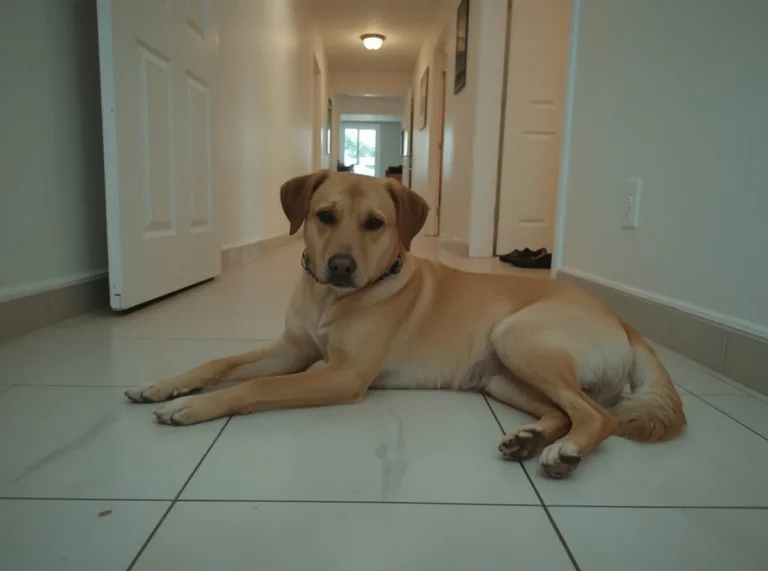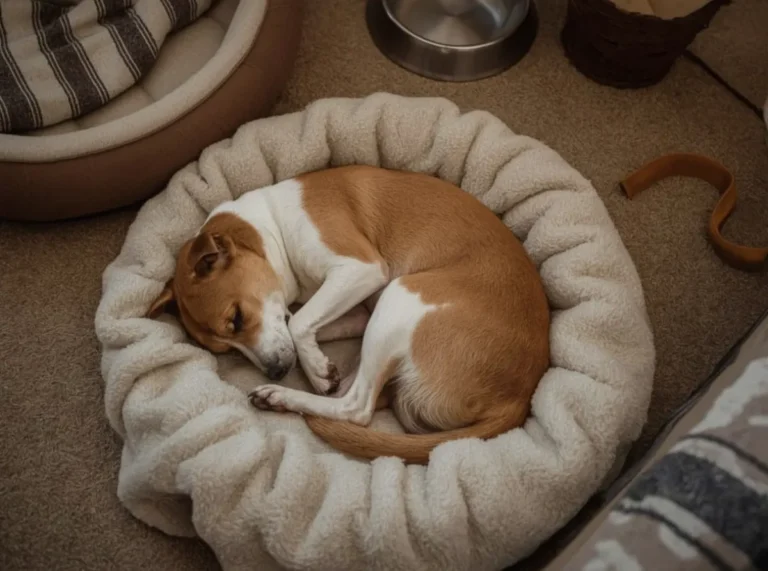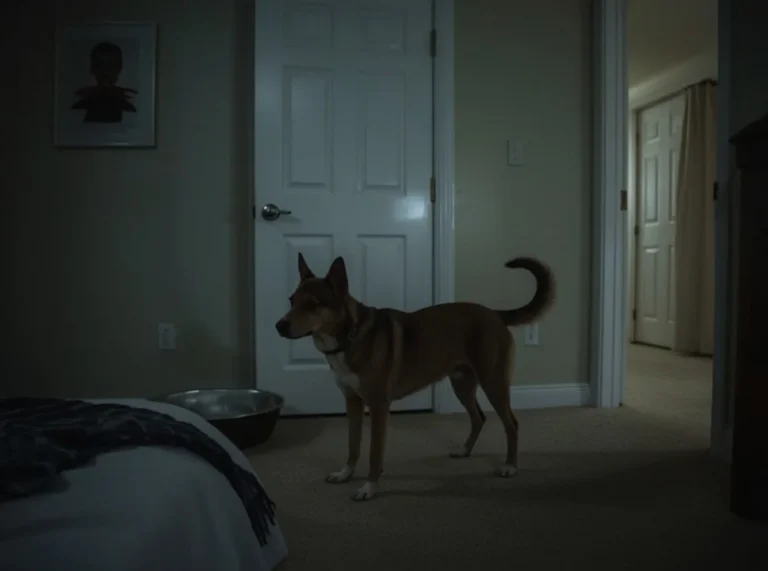
Some dogs never seem fully switched off, even when they are resting at your feet, on the couch, or curled up in a favorite bed. Their eyes may open the moment a door creaks. Their ears may twitch at a sound most people barely notice. They are not fully tense, but they are not completely asleep either.
This lightly alert state is often easy to miss because it looks so ordinary. A dog may appear relaxed, yet still track movement, listen for familiar voices, or shift position when the environment changes. For many dogs, that quiet alertness is simply part of how they rest.
It can be easy to assume a resting dog should be totally zoned out, but that is not always how dogs work. A little awareness while resting is common, and in many cases it reflects a mix of instinct, habit, emotional attachment, and sensitivity to the surroundings.
What Light Alertness Looks Like in Everyday Life
A lightly alert dog usually seems calm on the surface, but certain details give the game away. The body may be loose, yet the head lifts quickly when something changes. The dog might rest with one ear aimed toward the room, eyes half open, or paws tucked in a way that allows a quick rise if needed.
This can show up in many ordinary moments:
- A dog lies near the front door and wakes when someone approaches.
- A dog naps in the living room but checks the room every few minutes.
- A dog settles on the floor, then opens its eyes when the owner moves to another room.
- A dog rests after a walk but still follows household sounds closely.
These dogs are not always anxious. In many homes, this is simply the dog’s default way of staying connected to what is happening around them. Rest does not always mean deep sleep.
Why Some Dogs Do Not Fully “Turn Off”
Dogs are naturally observant animals. Even when they are safe and comfortable, many still keep part of their attention on the environment. That habit comes from a combination of survival instinct and social awareness. In the wild, staying aware while resting could matter. In a home, the same trait may remain even when there is no real threat.
Breed tendencies can play a role, too. Dogs developed for guarding, herding, hunting, or close human work may be more inclined to stay mentally connected to their surroundings. That does not mean they are unhappy. It simply means their resting style may include a lighter level of watchfulness.
Individual temperament matters just as much. Some dogs are naturally deep sleepers. Others seem to notice everything. Two dogs in the same house can have very different resting patterns, even if they are equally content.
Emotional Reasons Behind the Behavior
Light alertness can reflect a dog’s emotional attachment to the people around them. Many dogs keep track of their owners even while resting because being near familiar people feels important. They may not want to miss a cue, a movement toward the kitchen, or the sound of the leash being picked up.
That social connection often looks subtle. A dog may not follow you from room to room, but it still listens for your presence. It may rest more deeply once you sit down nearby, then become more responsive when you stand up again. This kind of behavior often shows a dog that is tuned in, not stressed.
A dog that stays lightly alert while resting is often balancing comfort with awareness. The behavior can be a sign of trust, habit, or mild vigilance, not automatically a problem.
At the same time, emotional unease can create a similar pattern. A dog that does not feel completely settled may hover in a light-alert state because it expects something to happen. The difference is often in the body language. A comfortable dog usually looks loose, soft, and easy to approach. A worried dog may appear stiff, slow to relax, or quick to react.
The Role of Environment in Resting Behavior
The home environment has a strong effect on whether a dog stays lightly alert. In a busy household, there are more sounds, movements, and interruptions. A dog may learn to keep one eye open because something always seems to be happening. Children running through the house, frequent visitors, package deliveries, and household noises all encourage a dog to stay aware.
Even quiet homes can create this pattern. Some dogs become highly attuned to small changes because the routine is predictable. When dinner time, walks, and bedtime happen at almost the same times every day, a dog may learn to monitor the clock in its own way. It notices the shift in household rhythm long before anyone speaks.
Location matters as well. A dog resting near a hallway, window, crate, or front entrance may stay more alert than one resting in a tucked-away room. Dogs choose spots based on comfort, but also based on how much they want to keep track of the environment.
Common environmental triggers
- Doorbells, knocking, or hallway sounds
- Footsteps in the home
- Children or other pets moving suddenly
- Outdoor sounds through windows
- Changes in routine such as guests, mealtimes, or walks
In homes with lots of activity, a dog may never fully shut off. That does not always indicate a problem. Sometimes it just means the dog has adjusted to a lively household.
How Daily Routine Shapes Alert Resting
Routine can make dogs both calmer and more watchful. A predictable schedule helps many dogs feel secure, but it also teaches them what to expect. If a dog has learned that someone arrives home at 5 p.m. or that the leash comes out after a certain sound, it may remain mildly alert around those times.
Dogs are excellent at linking small cues to bigger events. A person putting on shoes, the sound of keys, or the opening of a drawer may be enough to wake a resting dog. The dog is not necessarily nervous. It is simply paying attention to patterns that matter to it.
Some dogs become especially aware during transitions. They may relax fully in the morning but stay more alert in the late afternoon when the household becomes active again. Others are more watchful before meals or after long stretches without interaction. The pattern often reflects what the dog has learned from daily life.
Subtle Signs That Go Along With Light Alertness
Light alertness is not just about whether a dog’s eyes are open. It often shows up in small physical details. The body may remain loose, but there is a readiness in the posture. The dog can rest and respond quickly at the same time.
Common body language signals
- Half-open eyes that close and reopen with movement nearby
- Ears turning toward sounds
- A head that lifts quickly, then settles again
- A relaxed body with only slight muscle tension
- Slow tail movement or no tail movement at all
- Position changes that keep the dog oriented toward the room
Some dogs rest in a “don’t disturb me, but I’m still listening” kind of way. Their breathing may be even, and their muscles soft, yet they respond instantly when something changes. This is often a normal balance between rest and awareness.
If the dog’s alertness is paired with a stiff back, narrowed eyes, a fixed stare, or repeated scanning of the room, the meaning may be different. Those signs can point to tension rather than simple awareness.
When Light Alertness Is Normal and When It May Mean More
Many dogs stay lightly alert because they are comfortable, connected, and responsive. In those cases, the behavior comes and goes based on the setting. The dog may sleep deeply at night in a quiet room, then stay more watchful during the day when the household is active.
More persistent alertness can sometimes signal that a dog is not fully settling. That does not automatically mean a serious issue, but it is worth noticing when the pattern is frequent and hard to interrupt. A dog that rarely reaches deep rest, startles easily, or struggles to relax may be carrying more tension than it appears.
What matters most is the overall picture: posture, breathing, recovery after sounds, and how easily the dog returns to rest. A dog that stays alert but quickly settles again is very different from a dog that seems unable to relax at all.
Context is important. A dog resting lightly after a walk, during the day, or in a room with activity is expected. A dog that behaves this way all the time, especially in a calm environment, may need closer observation.
The Difference Between Watchful and Wound Up
Light alertness can look similar to stress if you only notice the open eyes or quick reactions. The difference is often in how the dog carries its body and how easily it shifts back into rest.
A watchful but comfortable dog usually has soft muscles, a loose mouth, and the ability to settle again after checking the room. It may open its eyes, note what is happening, and then drift off once things feel steady.
A dog that is wound up may not seem able to downshift. It may keep changing positions, react to very small sounds, or stay in a crouched or stiff posture. The dog may look as if it is resting, but the body tells another story.
Simple comparison
| Lightly alert but comfortable | Possibly tense or stressed |
|---|---|
| Loose body, easy breathing | Stiff body, shallow breathing |
| Responds, then settles again | Remains on guard for longer periods |
| Eyes open and close normally | Fixed stare or frequent scanning |
| Rest is interrupted but resumed easily | Rest seems difficult to maintain |
That difference matters because not every alert dog is an anxious dog. Some are simply awake in a gentle, manageable way.
How Attachment to People Can Keep a Dog Partly Awake
Dogs are social animals, and many of them rest with one ear pointed toward the people they care about. They may be asleep enough to recharge, but not so deeply that they lose track of their family. This is especially common in dogs that are strongly bonded to one person or that have learned to anticipate interaction.
A dog might lift its head when its owner stands up, even if nothing else changes. It may follow subtle cues, such as a shift in tone of voice or the sound of a chair moving. That kind of attention often comes from familiarity and trust.
In some homes, the dog simply wants to stay in the loop. It may not be needy or nervous. It may just prefer to remain mentally present while resting near the people it lives with.
Age, Experience, and Learned Habits
Puppies and younger dogs often appear lightly alert because they are still learning the rhythm of the home. New sounds, new routines, and new people can keep them from fully settling. Over time, many dogs become more confident and rest more deeply, though some maintain a naturally watchful style into adulthood.
Adult dogs often develop consistent resting habits based on experience. A dog that has spent years in a busy home may learn to stay tuned in, while another dog in a quiet, stable environment may become a deeper sleeper. Life history shapes how comfortable a dog feels with letting go.
Older dogs can also show lighter alertness for different reasons. Some remain habitually aware because that has always been their pattern. Others become easier to wake as their sleep changes with age. That does not always mean there is a behavioral issue. Sometimes it is just part of how the dog now rests.
What Owners Often Misread
People sometimes mistake alert resting for disinterest, stubbornness, or anxiety. A dog that keeps its eyes open may seem like it is refusing to relax, when in fact it may be resting in the way that feels most natural to it. Not every dog sinks into deep sleep on command.
Another common misunderstanding is assuming a resting dog should ignore all household activity. Many dogs are not built that way. If they notice footsteps, voices, or movement nearby, that does not mean they are overreacting. Often, they are simply doing what dogs do.
It is also easy to overlook how context shapes behavior. The same dog may sleep deeply in a quiet room, stay partially awake in the living room, and become fully watchful near the front door. That variation is normal. The environment is part of the story.
A resting dog’s level of alertness is often a response to place, routine, and relationship. Looking only at the eyes can lead to the wrong conclusion.
When the Pattern Becomes More Noticeable
Some dogs stay lightly alert most of the time, but the behavior becomes more obvious during specific parts of the day. Evening activity, meal preparation, guests arriving, or the return of a family member can all raise a dog’s awareness. The dog may not move much, yet it seems to track everything from one spot.
This also happens after life changes. Moving to a new home, adding another pet, changing work schedules, or experiencing more household noise can make a dog less willing to fully relax. The dog may need time to adapt before it resumes a deeper rest pattern.
In those moments, the alertness is often tied to adjustment rather than a fixed personality trait. Once the environment feels predictable again, the dog may soften and sleep more soundly.
How to Read the Behavior in Real Life
The most useful way to think about lightly alert resting is to look at the whole dog, not one sign at a time. A loose body, normal appetite, smooth transitions into and out of sleep, and easy recovery after sounds usually point to a dog that is comfortable and attentive in a healthy way.
If the dog still eats well, engages normally, and rests in different places without difficulty, the alertness is often just part of its resting style. Some dogs are meant to be a little watchful. That can be perfectly ordinary.
If the alertness is paired with pacing, constant startle responses, difficulty sleeping, or clear tension, the pattern deserves more attention. The behavior itself is not the whole message. The rest of the dog’s daily life helps explain it.
A Quiet Balance Between Rest and Awareness
Many dogs rest with one foot, so to speak, still in the room. They sleep, but they listen. They relax, but they notice. That balance can make a dog seem endlessly attentive even while it is clearly at ease.
In a calm home, lightly alert resting often blends into the background. The dog opens its eyes when it wants to, shifts position when it needs to, and settles again once nothing important is happening. It is a small, ordinary expression of how dogs stay connected to their world.
That way of resting may never look dramatic. It does not need to. For many dogs, a little alertness is simply part of feeling safe enough to rest at all.