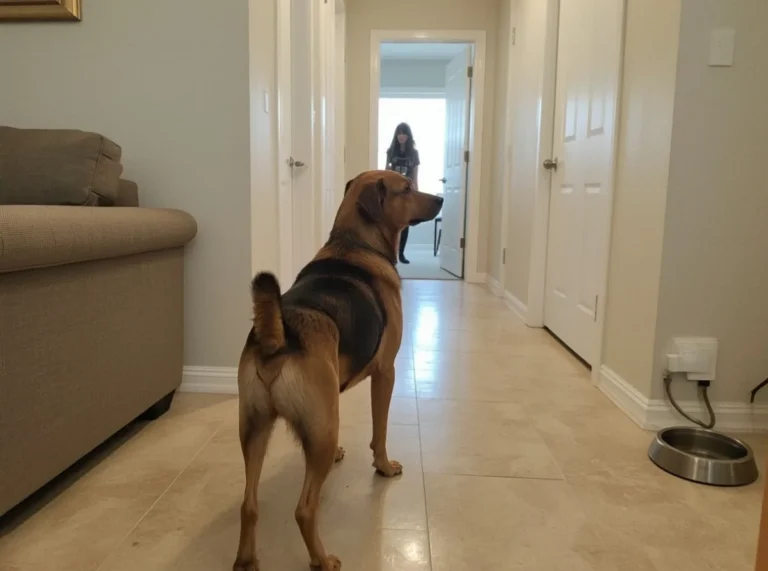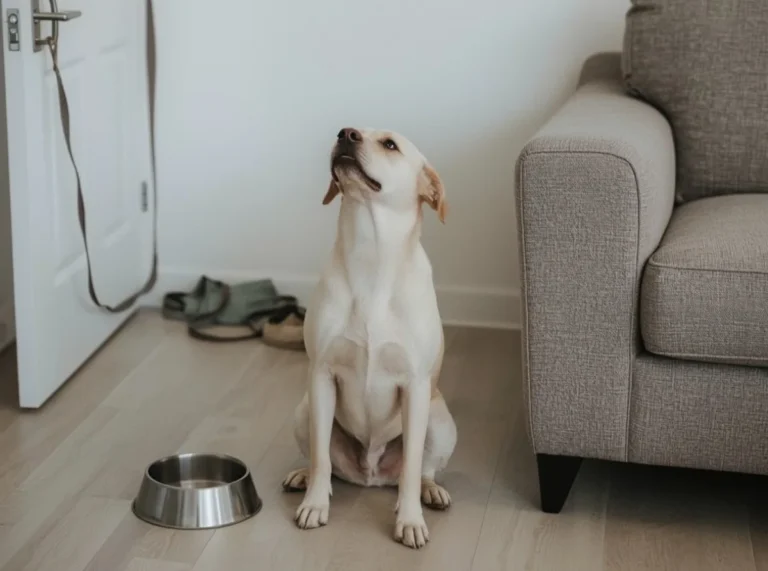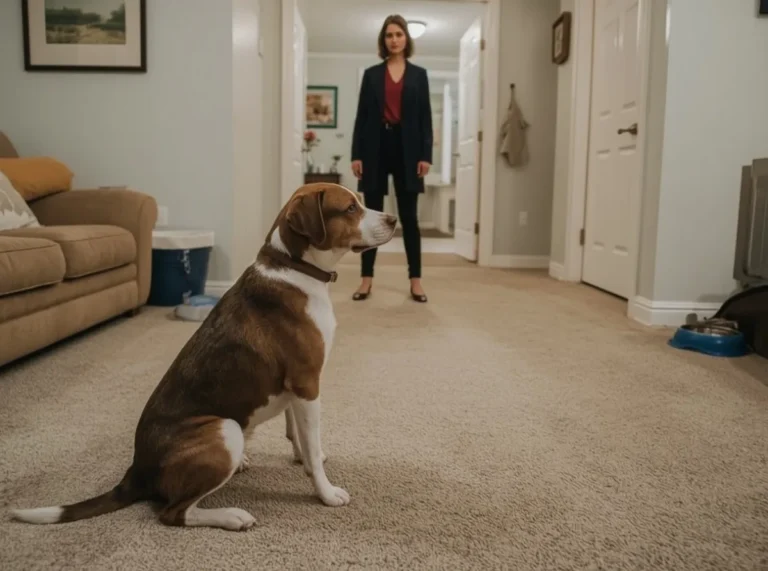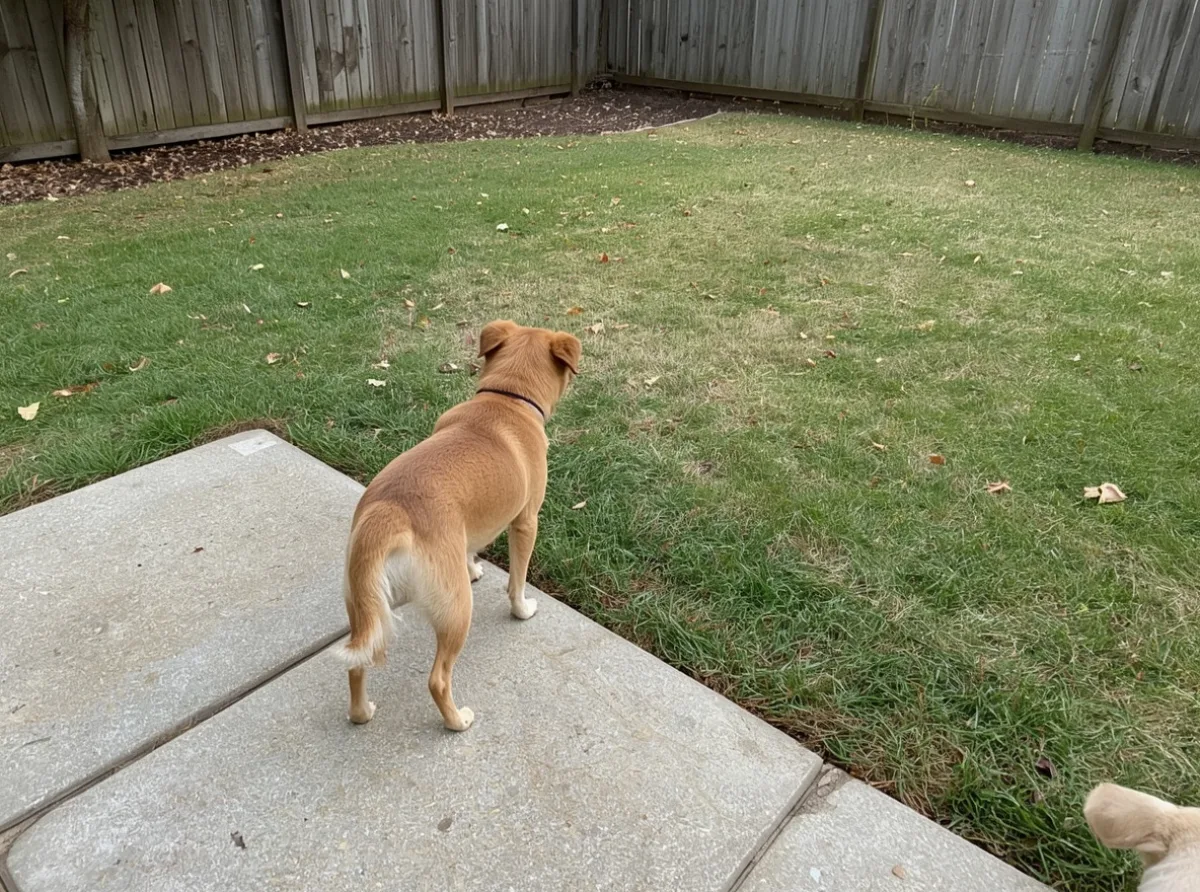
Dogs do not always move straight toward what interests them. Sometimes they stop first, hold still, and take in the scene before deciding whether to get closer. That pause can look small, almost casual, but it usually means the dog is gathering information.
In everyday life, this moment happens in all kinds of situations. A dog may stand at the edge of a park path before greeting another dog, slow down at the front door when a guest arrives, or hesitate near a new object in the yard. The pause is not random. It is often part of how dogs judge safety, comfort, and social timing.
What looks like simple hesitation can reflect curiosity, caution, uncertainty, excitement, or even a habit built from past experiences. A dog that pauses before approaching is often doing exactly what dogs do well: reading the environment before committing to action.
What the Pause Looks Like in Real Life
The behavior can be subtle. A dog may slow its steps, angle its head, sniff the air, or stand with weight slightly shifted backward. Sometimes the dog looks between the target and its handler. Sometimes it watches from a distance, then approaches in a curve rather than a straight line.
In social settings, this often shows up as a dog who sees another dog and does not rush over. Instead, it lingers, observes body language, and chooses whether the interaction feels worth entering. With strangers, the same dog may wait near the threshold, then move in after a few moments of quiet watching.
This pause is especially easy to miss because it can happen in less than a minute. Still, that small interval often tells you a lot about how the dog is processing the moment.
Curiosity Is Often the First Reason
Many dogs pause because they are interested. They are not avoiding the situation; they are studying it. A dog that pauses and observes may simply want a better look or a safer angle before approaching.
Curiosity is usually calm. The body tends to look loose, the face soft, and the movement controlled. The dog may sniff, blink slowly, or shift forward a little at a time. Instead of sprinting into contact, it takes a measured approach.
This is common around new dogs, unfamiliar objects, unusual sounds, or smells that need more inspection. A dog may see a bicycle, hear a bag rustle, or notice another animal at a distance and stop to collect details before deciding what to do next.
Signs the Pause Is Curious Rather Than Cautious
- Loose body and easy tail movement
- Soft gaze instead of a fixed stare
- Sniffing the air or ground
- Forward weight shifting after a brief pause
- Steady, non-jerky movement once the dog decides to approach
Curious dogs often look like they are asking a question with their whole body. They are not in a rush, but they are also not frozen.
Caution Helps Dogs Manage Uncertainty
Dogs are often more careful than people expect. Before they approach something unfamiliar, they may pause to assess whether it feels safe. That caution is practical. It helps them avoid unnecessary conflict or discomfort.
A cautious pause is common when the dog does not know what is ahead, does not trust the setting yet, or has had a surprising experience in a similar situation before. The dog may be unsure about another dog’s energy, a person’s movement, or the sound coming from a corner of the house. In those moments, observation comes before action.
When dogs pause before approaching, they are often buying time to make a better decision. The pause itself is not the problem; it is part of the decision-making process.
This is especially noticeable in dogs that are naturally thoughtful or slow to warm up. They may need a few extra seconds, or even several visits, before they feel comfortable moving closer.
Past Experiences Shape How Fast a Dog Approaches
Dogs remember patterns. If something has startled them before, they may become slower the next time a similar situation appears. A dog that was once rushed by another dog may pause before approaching strangers at the park. A dog that was startled by visitors in the entryway may watch from a distance when the door opens again.
That does not mean the dog is forever fearful. It means the dog has learned that some situations deserve extra checking. The pause can be a small sign of learning, not just uncertainty.
Even positive experiences matter. Dogs that have been rewarded for calm, thoughtful behavior often learn that waiting and watching pays off. They become comfortable with approaching in stages rather than all at once.
How Experience Can Change the Pattern
- A dog with positive social experiences may pause briefly, then move in confidently
- A dog with mixed experiences may pause longer and approach in small steps
- A dog with stressful memories may watch from farther away before deciding
- A dog that has been crowded often may prefer to wait until space opens up
These differences are not about obedience. They reflect what the dog has learned from real moments in daily life.
The Role of Body Language During the Pause
The pause matters, but the body language around it matters just as much. A dog can stop before approaching for very different reasons, and the details often reveal which one is most likely.
A relaxed dog usually looks balanced, loose, and responsive. Its ears may be neutral, its mouth soft, and its tail moving at an easy pace. A more uncertain dog may hold still with a tighter body, a closed mouth, and reduced blinking. Some dogs lean back slightly before inching forward again.
Eye contact can be helpful here. Soft, intermittent glances often suggest interest. A hard stare, on the other hand, can point to tension, fixation, or overarousal. The same pause can mean very different things depending on whether the dog appears elastic and responsive or rigid and locked in.
It is usually the whole picture, not the pause alone, that explains what the dog is feeling.
How Environment Changes the Meaning
Where the pause happens matters. A dog in a quiet, familiar home may pause out of polite caution before walking toward a guest. The same dog in a noisy park may pause because the environment is crowded, noisy, and full of competing stimuli.
Busy spaces make dogs more likely to stop and observe. Too many smells, too much movement, and too many social signals can slow them down. Even a confident dog may prefer to stand back and watch before entering a new area or meeting a group of dogs.
Routine also plays a role. Dogs often move more freely in places they know well. In new settings, they may become more deliberate. That shift is not unusual. It is part of how they manage uncertainty and choose when to engage.
Why Some Dogs Are More Careful Than Others
Dogs vary in temperament. Some are naturally bold and eager to greet, while others are observant and measured. Neither pattern is automatically better. They are simply different ways of handling the world.
Breed tendencies can influence this a little, but individual personality matters more. One dog may be quick to approach everything, while another may always prefer a short watch period first. Age, social history, and daily environment can all shape that style.
Dogs that live in calmer homes or have fewer daily surprises may also be slower to jump into new situations. They are used to predictable routines and may need more time to switch gears. Dogs that are regularly exposed to varied settings may become more practiced at assessing quickly, though they may still pause before entering something new.
Common Traits Seen in More Observant Dogs
- They watch from the edge of a situation before joining in
- They may circle instead of walking straight in
- They often sniff first and move second
- They can appear quiet rather than pushy in social settings
- They usually prefer information before contact
These dogs are not necessarily shy. Many are simply careful and methodical.
Social Timing Matters in Dog Interactions
When dogs meet other dogs, the pause can be a form of social manners. Approaching too quickly can feel rude or overwhelming. By stopping and observing first, a dog gives the other dog a chance to communicate back.
This is one reason curved approaches are so common. A dog may not want to rush directly into another dog’s space. Instead, it may pause, scan the body language ahead, and close the distance gradually. That slower rhythm can reduce tension and help both dogs adjust.
In well-matched interactions, the pause often leads to a smoother greeting. In poorly matched ones, the pause may prevent a bad choice. The dog may decide not to approach at all, which can be a useful decision rather than a failed one.
Excitement Can Look Similar to Caution
Not every pause means hesitation in a worried sense. Some dogs stop because they are very excited and need a second to organize themselves before moving closer. This is common when the dog sees a favorite person, a playmate, or a highly interesting smell.
Excited observation often looks different from cautious observation. The body may be bouncy, the tail active, and the movement slightly restless. The dog may freeze for a moment and then surge forward, or it may pace and stare before approaching.
That mix of stillness and intensity can be easy to misread. A dog may appear calm on the surface while actually being highly aroused. In that case, the pause is less about careful assessment and more about self-control.
| Type of Pause | Common Look | Likely Meaning |
|---|---|---|
| Curious | Loose body, soft face, easy sniffing | Gathering information |
| Cautious | Still body, measured steps, longer watch | Assessing possible risk |
| Excited | Restless posture, quick shifts, forward energy | Trying to manage arousal before approaching |
| Defensive | Tense body, fixed stare, reduced movement | Creating distance and avoiding pressure |
When the Pause Becomes Defensive
Sometimes a dog pauses because it does not want to approach at all. This is different from curiosity. A defensive pause usually comes with clear tension. The dog may hold its body stiffly, avoid a direct line, or keep the target in a fixed stare while remaining ready to move away.
This can happen when the dog feels crowded, pressured, or unsure how to respond safely. The dog may watch from a distance because moving closer would feel uncomfortable. In this case, the pause is a boundary.
Owners sometimes misread this and assume the dog is being stubborn or indecisive. More often, the dog is communicating that it wants more space or more time.
A dog that pauses and does not approach may be choosing distance, not hesitating without reason.
Daily Routine Can Strengthen the Behavior
Dogs learn patterns from everyday life. If a dog is often allowed to pause, observe, and then approach at its own pace, that behavior may become a stable habit. The dog learns that checking first is acceptable and useful.
In households with predictable routines, dogs may use the pause more often because they are accustomed to waiting for cues or changes in the environment. In busier homes, a dog may pause because it is trying to sort through more activity before joining in. In both cases, the pause helps the dog transition.
Routine also affects confidence. A dog that knows what usually happens at the door, in the yard, or on a neighborhood walk may pause briefly and then move forward more smoothly. The observation period gets shorter when the situation is familiar.
How Owners Often Misread the Behavior
People often assume a dog is being aloof, nervous, or disobedient when it stops before approaching. In reality, the dog may just be taking a normal assessment step. The mistake is usually in expecting instant movement from an animal that processes situations through smell, posture, and distance.
Some dogs also pause because they are waiting for social permission. They may glance at their owner, then at the other dog or object, and then back again. That back-and-forth can mean the dog wants confirmation before acting.
Misreading the pause can create pressure. When a dog feels rushed, the hesitation often gets stronger. Giving the dog room to watch first usually produces a more natural response.
What the Behavior Often Signals Emotionally
The emotional meaning of the pause depends on the dog and the situation. It can signal curiosity, caution, uncertainty, excitement, or a need for space. What stays consistent is that the dog is processing before acting.
That processing is often healthiest when it stays flexible. A dog can pause, evaluate, and still move forward comfortably. It only becomes concerning when the pause is paired with repeated freezing, obvious stress, or avoidance that does not ease over time.
Even then, the behavior is informative. It tells you the dog is not yet ready to approach in a direct way. The response itself is useful information, not just a quirk.
Small Details That Help Decode the Moment
If a dog pauses before approaching, the surrounding details usually tell the story. Look at speed, posture, distance, and what happens right after the pause. Does the dog relax and move in smoothly, or does it stay rigid and retreat?
Notice whether the dog chooses a path that gives more space. Notice whether it sniffs the ground, checks in with you, or seems to focus tightly on one point. Those tiny movements matter more than the pause alone.
The more familiar you become with your dog’s usual rhythm, the easier these moments are to read. A pause that is normal for one dog may mean something very different in another.
When the Pause Is Simply Part of Being a Dog
Many dogs pause before approaching because that is the sensible thing to do. They do not have to rush toward every person, animal, or object that appears. They can watch, decide, and move only when they are ready.
That habit often makes dogs look thoughtful. Sometimes it makes them look reserved. In reality, it is one of the most ordinary ways dogs stay balanced in a complex world.
Watching first is not a flaw in the behavior. For many dogs, it is the behavior that keeps everything else steady.