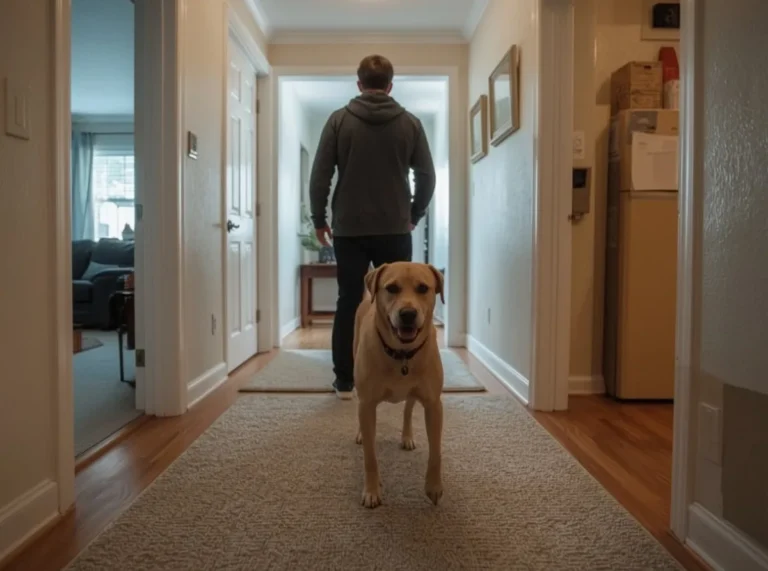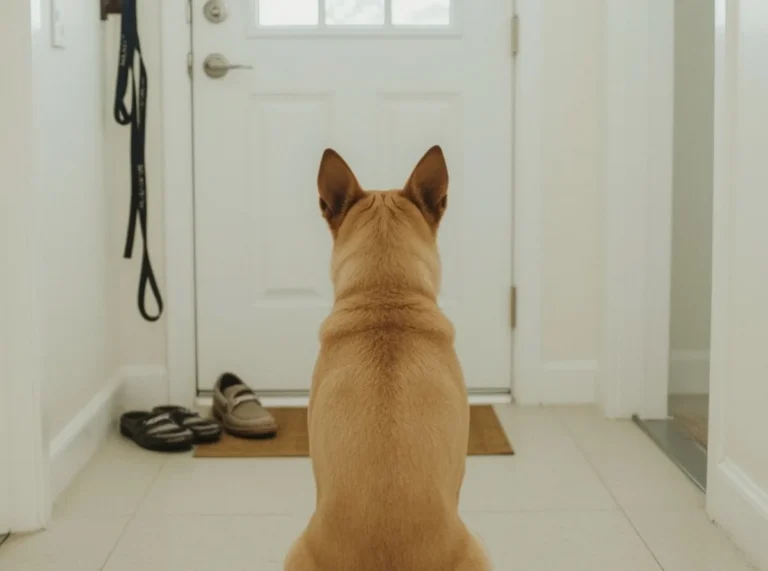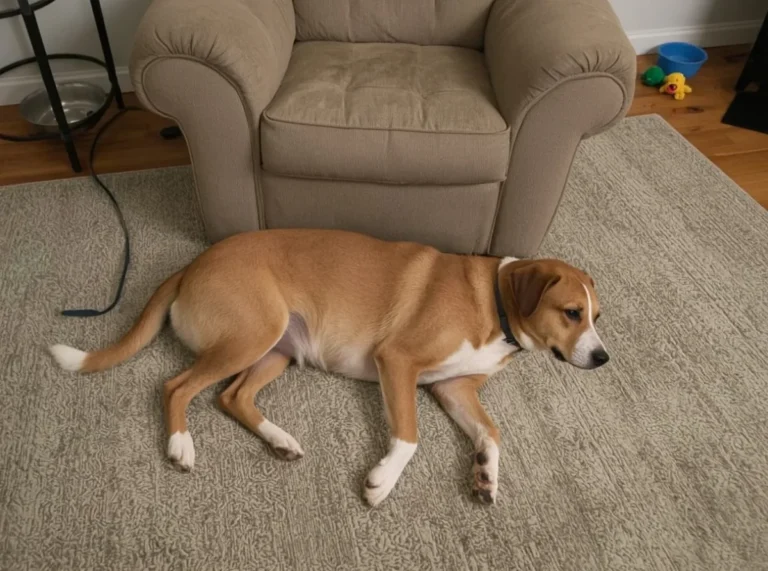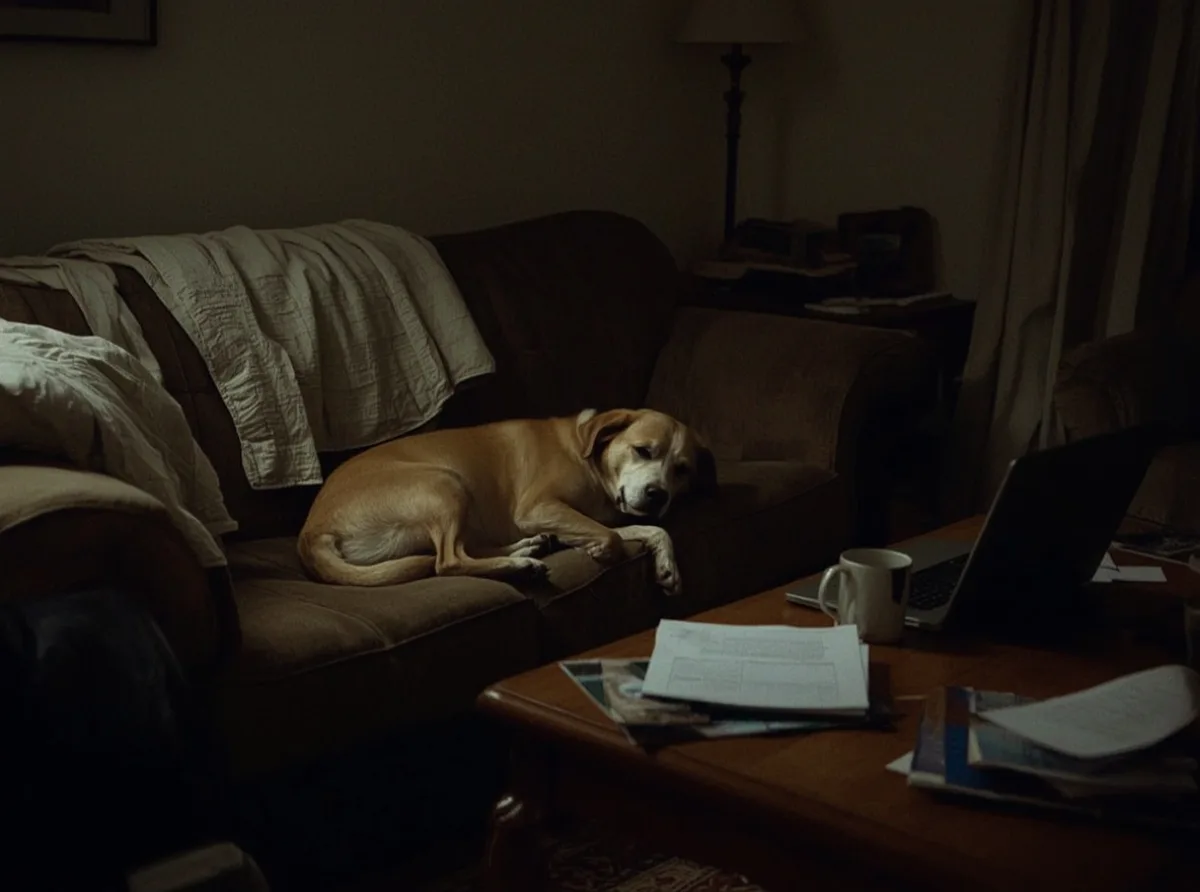
Some dogs seem to notice human stress before anyone says a word. They may follow their owner from room to room, sit unusually close, pace near the door, or become quieter than usual. In other homes, the reaction looks different. A dog might bark more, ask for attention, refuse food, or suddenly seem restless for no obvious reason.
These moments can feel surprisingly personal. A dog does not understand a mortgage payment, a work deadline, or a difficult phone call. But dogs do read changes in breathing, posture, voice, routine, and scent. When a person is under stress, the dog often feels the shift in the home long before the cause is clear.
That reaction is not always dramatic. Sometimes it is subtle enough to miss unless you know the dog well. A small change in how they hold their body, where they choose to rest, or how quickly they settle at night can be the first clue that they are responding emotionally to the atmosphere around them.
Dogs live very closely with people, so human stress becomes part of their daily environment. For many dogs, the issue is not just awareness. It is the combination of attachment, habit, and sensitivity to patterns. When those patterns change, the dog often changes too.
What this behavior can look like in everyday life
The most obvious signs are not always the most informative. A dog that jumps on a stressed owner may not be “acting out” in the simple sense. They may be seeking contact because something feels different and they want reassurance. Another dog may move away and lie in a corner, not because they are indifferent, but because the emotional tone in the room feels unsettled.
In daily life, stress-related reactions often appear as small shifts in normal behavior:
- sticking closer to one person than usual
- becoming more vocal when household tension rises
- pacing, yawning, licking lips, or scanning the room
- sleeping less deeply or changing resting spots frequently
- showing less interest in food, play, or regular routines
- seeming more startled by ordinary sounds
Some dogs become clingy. Others become more independent, which can be mistaken for confidence when it is actually avoidance. The direction of the reaction depends on the dog’s temperament, past experiences, and the way stress shows up in the household.
There is also a difference between temporary response and repeated pattern. If a dog reacts only during one tense afternoon, the cause may be situational. If the same behavior appears whenever the owner is overwhelmed, the dog may be tracking emotional shifts with surprising consistency.
Dogs do not need to understand the reason for human stress to feel its effects. They often react to the cues that stress creates: changes in tone, movement, smell, and routine.
Why dogs may respond so strongly
Dogs are social animals with a strong interest in their group. In a home, their social group is usually the people they live with. That closeness matters. A dog watches the people around them because those people predict safety, access to food, play, rest, and daily structure. When a person seems different, the dog notices.
One reason stress can affect dogs is attachment. Many dogs form a clear emotional bond with their owners and use them as a source of stability. When the owner becomes tense, less predictable, or less responsive, the dog may feel the change as a loss of security. That does not mean the dog thinks in human terms. It means their familiar anchor no longer behaves quite the same way.
Scent may play a role as well. Human stress can change body chemistry, which may affect odor in ways dogs can detect. A dog does not need a scientific explanation to react. The body itself gives off information, and dogs are built to notice it.
Dogs also read movement and sound with unusual sensitivity. A sharper voice, quicker footsteps, a tighter grip on the leash, or more abrupt gestures can all signal emotional tension. Even if the words stay the same, the message may change.
Common internal reasons behind the reaction
There is often more going on than simple concern. A dog may react emotionally to human stress for several overlapping reasons:
- Attachment: The dog depends on the person for stability and feels the change directly.
- Social monitoring: Dogs constantly watch for cues in the group and adjust their behavior accordingly.
- Learned association: Stressful human behavior may have been followed by changes in routine in the past.
- Uncertainty: When the home feels less predictable, the dog may become more vigilant.
- Emotional contagion: Dogs can mirror aspects of human emotional state, especially arousal and tension.
Not every dog shows the same degree of sensitivity. Some are naturally more watchful. Others are calmer by nature and show only mild changes. Breed tendencies, life experience, and early socialization can all influence the way a dog processes tense environments.
How routine and environment shape the reaction
Stress becomes more noticeable to dogs when it changes the rhythm of home life. Dogs rely heavily on routine because routine makes the world understandable. Feeding time, walks, quiet time, and sleep create a structure that helps them feel settled. When a household becomes irregular, the dog has to work harder to predict what happens next.
A quiet home may make stress easier to detect. In a peaceful space, even a small change in human behavior stands out. In a busy home, the reaction may be more complex. Some dogs become overwhelmed by the extra noise and activity, while others may hide the effect until the stress becomes intense enough to alter their behavior more clearly.
Environmental stimulation matters too. A dog that already has too little exercise, too much noise, or a lack of clear boundaries may be less able to regulate itself when the household mood changes. In that case, human stress is not the only factor. It mixes with boredom, uncertainty, and excess energy.
Sometimes the dog reacts less to the person’s feelings and more to what those feelings change in the environment. Walks happen later, dinner is delayed, the doorbell sounds more tense, or the owner spends more time on the couch than usual. Dogs notice these shifts quickly. They learn to connect them with the overall emotional climate of the home.
| Household pattern | Possible dog response |
|---|---|
| Predictable routine with mild stress | Small changes, brief clinginess, mild restlessness |
| Frequent tension and irregular schedule | Pacing, vocalizing, attention-seeking, disrupted sleep |
| Calm home but one highly stressful event | Short-term vigilance, shadowing, reduced appetite |
| Busy household with noise and conflict | Mixed signals, withdrawal, increased reactivity |
Subtle signals that often accompany the reaction
Dogs rarely announce stress response in a clean, obvious way. The body usually tells the story first. A dog that is emotionally affected may appear “fine” at a glance, but the details reveal more.
Look for posture changes. A dog may hold the body lower, stay slightly curled, or stand with weight shifted backward. Some dogs keep their ears more alert than usual. Others avoid direct eye contact, not because they are disobedient, but because they are trying to de-escalate the moment.
Movement can change in important ways too. A dog may move less freely, follow the owner from room to room, or hesitate before doing things they normally enjoy. Sudden bursts of activity can also happen. What looks like random zooming or barking may be a release of built-up tension.
Facial and mouth signals are easy to miss. Lip licking, frequent yawning, a tense mouth, or a fixed stare can all show arousal. These behaviors do not always mean fear, but they often suggest the dog is processing a stressor in the environment.
A stressed dog may not look obviously upset. Sometimes the clearest signs are small changes in body language that appear before louder behavior does.
Behaviors owners often misread
Owners sometimes interpret emotional reactions in ways that miss the underlying cause. Clinginess may be called neediness. Silence may be called calm. Barking may be labeled stubbornness. Yet the behavior may be a response to tension, not a deliberate choice to be difficult.
A dog that suddenly asks for attention during a stressful phone call is not always being demanding. They may be responding to the owner’s altered tone and pace. A dog that refuses to settle after conflict in the home may not be overexcited in general. They may still be keyed up by the emotional atmosphere.
Even “good behavior” can hide a reaction. A dog that goes quiet during stress may actually be shutting down, watching carefully, and reducing their own movement to avoid adding pressure. That kind of silence deserves attention too.
Different emotional tones in similar situations
Two dogs can react to the same person very differently. One may climb into the owner’s lap during a stressful evening. Another may leave the room and stay under the table. Both responses can come from emotional sensitivity. The difference lies in how each dog manages uncertainty.
Some dogs are outwardly responsive. They seek closeness and seem to want to “fix” the atmosphere by staying near their person. Others are inwardly responsive. They reduce interaction and choose stillness. Neither reaction is automatically healthier than the other. Each one reflects a particular coping style.
There are also dogs that mix the two. They may come close, then walk away, then return again. That back-and-forth can signal ambivalence. The dog wants contact, but the level of tension makes contact feel complicated. This is common in dogs that are highly attached but also sensitive to mood changes.
In some cases, the reaction becomes more defensive. A stressed dog may guard space, bark at movement, or act more reactive on leash. If the owner is already tense, the dog may become less tolerant of normal triggers. The emotional tone at home can lower the dog’s threshold for frustration.
When the reaction is mild versus intense
Mild reactions often include small changes in attention and body language. The dog checks in more often, sleeps a little lighter, or follows the owner with their eyes. These signs can come and go with the day.
More intense reactions may include persistent pacing, whining, refusal to eat, clinginess that disrupts rest, or heightened sensitivity to ordinary household sounds. If these behaviors keep repeating, the dog may be carrying stress rather than simply noticing it.
Intensity does not always reflect the depth of the bond. A very bonded dog may stay quiet and stable, while another dog with a looser attachment reacts strongly. The difference often comes from temperament, early life experience, and how safe the dog feels in uncertainty.
How puppies and adult dogs can differ in this response
Young dogs often show the reaction in a more direct, less controlled way. Puppies depend heavily on routine and familiar cues, so household stress can show up as clinginess, biting, whining, or trouble settling. They have fewer coping skills and less experience reading the room without becoming overwhelmed.
Adult dogs may display more restraint. They have learned household patterns and often understand more about what usually happens next. That can make their reactions look subtle. A mature dog might not whine as much, but they may become watchful, less playful, or unusually glued to the owner during periods of tension.
Older dogs can become more sensitive again if their world has narrowed. If they rely on a quiet routine and a familiar person, stress in the household may feel more disruptive than it once did. The reaction may not be dramatic, but it can show in sleep, appetite, and willingness to move around the home.
Across all ages, the key difference is not whether the dog reacts. It is how they show it, how quickly they recover, and whether the pattern repeats. A puppy may grow through some of these responses with guidance and stability. An adult dog may keep the same tendencies for years if the environment stays unpredictable.
What the reaction may signal about the dog’s emotional state
A dog’s response to human stress does not point to one single feeling. It may indicate concern, uncertainty, anticipation, or mild frustration. Sometimes it reflects a desire for closeness. Other times it reflects an effort to create distance and reduce stimulation.
What matters most is the overall pattern. A dog that becomes more attentive, sleeps lighter, and checks the owner repeatedly may be trying to stay connected and monitor the situation. A dog that withdraws, avoids contact, and seems reluctant to engage may be trying to protect itself from an environment that feels emotionally crowded.
In a stable dog, the reaction usually stays flexible. The dog can notice stress without becoming trapped in it. In a more sensitive dog, the response may linger even after the stressful moment has passed. That lingering effect suggests the dog is still processing the change rather than simply reacting to a single event.
When a dog seems emotionally affected by human stress, the important question is not “What is wrong with the dog?” It is “What part of the environment has become harder to read?”
Longer-term patterns and what they reveal
One stressful day does not define a dog’s emotional world. Repeated patterns matter much more. If a dog reacts the same way during every period of household tension, the behavior is probably tied to the rhythm of the home rather than to a random mood swing.
Long-term consistency can show up in practical ways. A dog may become more restless during work-heavy weeks, more watchful during arguments, or quieter when a family member is unwell. Over time, these patterns create a map of what the dog notices and how they respond.
That map can be useful. It shows which parts of the household routine are stabilizing and which are emotionally noisy. It can also reveal how much the dog depends on certain cues, like regular walks, meal timing, bedtime rituals, or a calm voice.
Some dogs recover quickly once stress passes. Others need a longer return to baseline. If the dog’s response seems to deepen instead of fade, the environment may be carrying more tension than it appears to from the outside. Dogs often pick up on what people try to hide.
Why the home setting matters more than people expect
Dogs do not live in abstract emotion. They live in rooms, routines, voices, and habits. A stressed household changes those things in small but meaningful ways. The dog may not understand the story behind the tension, but they experience the result.
That is why a dog may react emotionally to human stress even in homes that look calm from a distance. The dog senses what the room feels like. They notice how long people stay distracted, how fast they move, whether voices stay soft or become clipped, and whether the day still has a recognizable shape.
Sometimes the dog’s reaction is a prompt to look more closely at the home environment itself. Not because the dog is trying to send a message in a human sense, but because their behavior reflects a change in the conditions they live in. Their response is part of the environment, not separate from it.
When that connection becomes clearer, the behavior starts to make more sense. A dog that seems unusually close, watchful, or unsettled may be responding to a pattern of stress that runs through the whole household. Their reaction is emotional, but it is also practical. It is a way of adapting to a human world that suddenly feels less predictable.