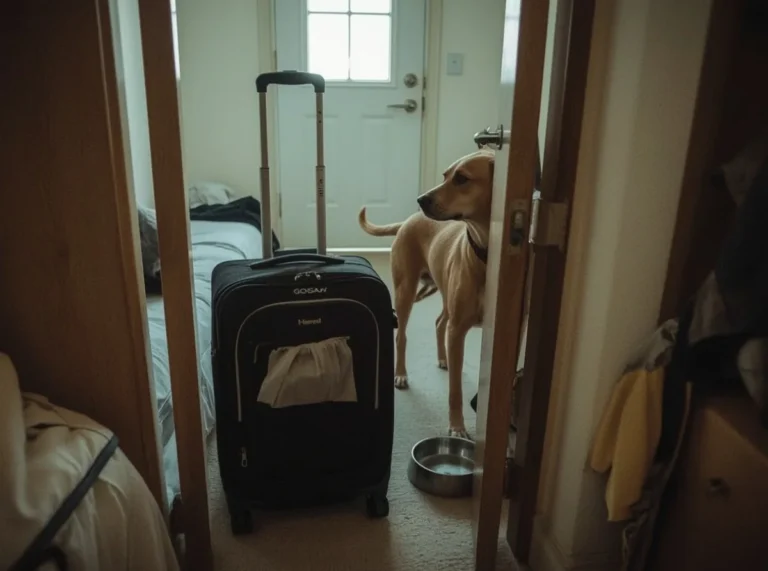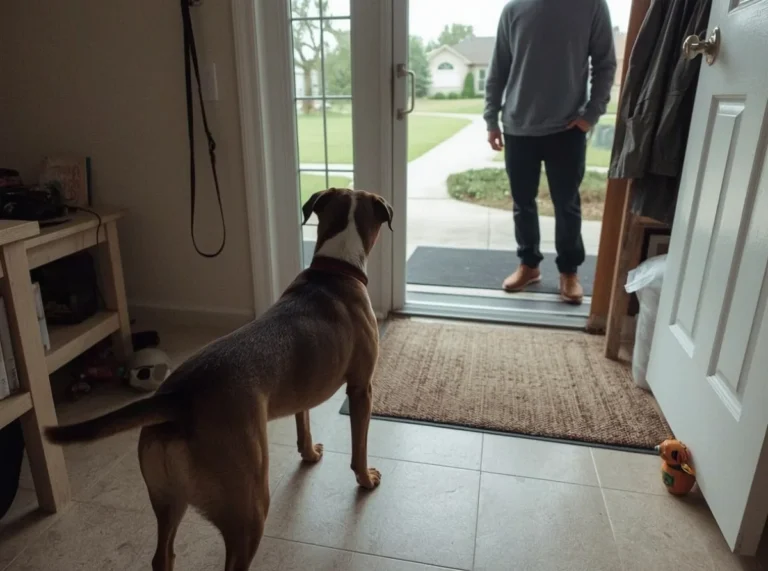
Some dogs settle at the foot of the bed. Others curl tightly against a leg, press into a back, or keep shifting until they find the warmest spot beside their owner. This habit can feel comforting, especially when a dog chooses closeness night after night. It can also raise questions. Is the dog being affectionate, anxious, protective, or simply practical?
The answer is often a mix of all four. Sleeping near an owner is one of the clearest ways dogs show how they experience safety, routine, and attachment in a home. For many dogs, nighttime removes the distractions of the day and leaves only one thing that feels important: staying close to the person they trust most.
That behavior may look simple on the surface, but it can point to several different needs. Some dogs are drawn by warmth. Others want reassurance. A few are deeply bonded and prefer to rest where they can sense movement, breathing, and scent. Understanding the pattern matters more than guessing from a single night.
Why Sleeping Near You Becomes a Habit
Dogs do not choose sleeping positions randomly. They use instinct, comfort, and memory. If being near an owner has consistently led to safety and calm, the dog is likely to repeat it. Over time, that preference can become a fixed bedtime routine.
For many dogs, the owner’s presence lowers uncertainty. A house may be quiet at night, and quiet can feel unfamiliar to a sensitive dog. Staying close offers a familiar anchor. The dog hears breathing, feels movement, and stays in the social circle that matters most to it.
There is also a physical side to it. Dogs are drawn to warmth, soft surfaces, and places where their bodies can relax fully. Human beds and nearby floor spaces often provide exactly that. In this sense, closeness is not always a deep emotional signal. Sometimes it is the easiest and most comfortable place available.
When a dog consistently sleeps near one person, the behavior usually reflects a combination of attachment, habit, and comfort rather than a single cause.
What the Behavior Looks Like in Daily Life
The habit can appear in a few different ways. Some dogs choose to lie directly against their owner and stay there through most of the night. Others begin the night elsewhere, then quietly move closer after the house settles. A few remain near the bedroom door or on a nearby rug, close enough to notice movement but not physically touching.
These details matter. A dog that settles calmly and sleeps soundly near an owner is expressing something different from a dog that paces, sighs repeatedly, or refuses to rest unless it can maintain contact. The first often suggests comfort and preference. The second may point to restlessness or insecurity.
Owners sometimes notice that the behavior changes depending on the day. On quiet evenings, the dog may sleep in its own space. After a busy day, a stressful outing, or a change in routine, it may want more contact than usual. That shift can reveal how sensitive the dog is to the structure of the household.
Attachment and Social Bonding
Dogs are social animals, and many naturally seek closeness with their group. In a home, that group is usually the family. Sleeping near an owner can be a straightforward expression of social attachment. The dog is not necessarily demanding attention. It may simply be resting where it feels part of the pack-like structure it recognizes.
This is especially common in dogs that follow their owners from room to room during the day. A dog that likes to remain nearby while you cook, work, or relax is often the same dog that prefers proximity at night. The pattern is consistent because the dog sees closeness as normal, not exceptional.
Breed tendencies can play a role, but they do not tell the whole story. Some breeds are known for people-oriented behavior, yet individual personality matters just as much. A mixed-breed rescue with a calm, observant nature may be far more attached at bedtime than a breed typically described as independent. The home environment and the dog’s life history shape the habit in a big way.
Signs the bond is the main reason
- The dog rests calmly and falls asleep easily near you.
- It chooses proximity without constant movement or anxiety.
- It still behaves normally during the day when apart from you.
- It can sleep elsewhere if the environment changes.
Comfort, Warmth, and Simple Physical Preference
Sometimes the explanation is more basic than owners expect. Dogs like warmth. They like familiar smells. They like surfaces that feel secure under their body. A bed, couch, or nearby mat may simply be the most appealing place in the room.
Smaller dogs often show this preference strongly because they lose body heat more quickly. Older dogs may also seek warmth because stiff joints feel better in a cozy spot. Even healthy dogs with no visible emotional need may choose to stay close because the owner’s presence makes the space feel better physically.
That does not make the behavior less meaningful. It just means affection is not the only factor. A dog can want the warmest spot and still feel deeply bonded. In daily life, those motivations often overlap.
A dog may sleep near you because you are comforting, warm, predictable, and familiar all at once.
Anxiety, Insecurity, and the Need for Reassurance
Not every dog that sleeps near an owner is simply affectionate. Some are seeking reassurance. Nighttime can be harder for dogs that are sensitive to separation, new sounds, or changes in the household. The behavior may look sweet, but the emotional driver can be worry rather than preference.
An anxious dog often shows extra signs. It may struggle to settle unless it can touch the owner. It may lift its head at every sound. It may follow the owner from room to room long before bedtime, then cling even more closely once the lights go out. The closeness helps the dog regulate itself.
In these cases, sleeping near the owner is less about a pleasant habit and more about coping. The dog may be using the owner as a source of stability during the most vulnerable part of the day. A little contact can help, but the broader context should not be ignored.
Common signs that point toward anxiety
- Restlessness before settling
- Frequent repositioning throughout the night
- Whining, panting, or alertness after minor noises
- Difficulty sleeping alone in any room
- Overdependence on physical contact to relax
Protective Instincts and Alert Behavior
Some dogs stay near their owner while sleeping because they are naturally watchful. They may not be frightened, but they are highly aware of their surroundings. In homes with unfamiliar visitors, outdoor noise, or multiple people coming and going, a dog may choose a sleeping position that lets it monitor the room and remain close to the person it considers important.
This can look like a guard-like habit, though it is not always about guarding in a serious sense. Often the dog is simply staying on alert. It may lie near the bedroom entrance, face the hallway, or keep one ear tuned to sound while resting beside the bed.
These dogs may startle easily and wake up quickly. They are not always tense, but they are seldom fully switched off. Their closeness is part comfort and part watchfulness. Owners sometimes mistake this for dominance or stubbornness when it is really a temperament style shaped by sensitivity and awareness.
How Routine Reinforces the Pattern
Dogs thrive on routine. If sleeping near you has happened repeatedly at the same time in the same place, the behavior becomes part of the dog’s internal schedule. The cue is not just bedtime. It is the entire sequence: lights dim, house quiets, owner moves toward the bedroom, and the dog follows.
This kind of conditioning is powerful. The dog does not need a major emotional reason every night. The habit itself creates a sense of rightness. Even a dog that is independent during the day may become strongly attached to bedtime patterns because they are predictable and low-pressure.
Changes in routine can reveal how established the behavior is. If you sleep somewhere else, travel, or shift the dog’s sleeping space, a strongly routine-driven dog may have a hard time adjusting at first. That response does not always mean distress. It can simply mean the dog has learned where life feels settled.
Household Environment and Daily Stimulation
The dog’s daytime experience shapes nighttime behavior more than many owners realize. A dog that has had a crowded, noisy, or highly stimulating day may seek extra closeness at night as a way to decompress. On the other hand, a dog that has been under-stimulated may act restless and clingy because it has energy left over.
Quiet homes can make sleeping near an owner more noticeable, too. In a calm household, small movements stand out. The dog may be more aware of your presence and choose to stay close simply because the environment feels unified and still. In a busier home, the same dog might sleep a few feet away but still remain emotionally engaged.
Environment also includes sleeping setup. Dogs often choose proximity when their own bed is placed far from the owner, when the room feels too cold, or when household sounds create uncertainty. A small shift in placement can sometimes change the pattern without changing the bond.
| Situation | Possible effect on sleeping closeness |
|---|---|
| Quiet, predictable home | Dog may settle near owner out of routine and comfort |
| Noisy or changing household | Dog may seek more physical reassurance |
| Cold room or drafty space | Dog may move closer for warmth |
| Busy daytime schedule | Dog may sleep more deeply near familiar scent and presence |
How Puppies, Adults, and Older Dogs Differ
Puppies often stay near people because they have not yet learned how to relax alone. Their world is still small, and separation from the litter, then from new humans, can make closeness especially important. A puppy that sleeps by an owner is usually seeking safety, warmth, and a reduced sense of uncertainty.
Adult dogs may keep the habit for different reasons. By that stage, the behavior is often more stable. The dog knows the household and has chosen a preferred sleeping arrangement. It may still want reassurance, but the need is usually woven into an established routine rather than a raw developmental stage.
Older dogs may return to sleeping close for practical reasons. Joint pain, reduced hearing, or changes in vision can make nearby rest feel easier and more secure. Senior dogs may also become more dependent on familiar patterns, especially if their senses are changing. What looks like extra clinginess may actually be a search for ease.
Age-related patterns that owners often notice
- Puppies: closeness often reflects adjustment and security-seeking
- Adults: closeness often reflects stable preference, attachment, or habit
- Seniors: closeness may reflect comfort needs, body changes, or increased dependence on routine
When Closeness Is Relaxed vs When It Is Tense
The same sleeping position can mean different things depending on body language. A relaxed dog sinks into the mattress, stretches out, breathes steadily, and shifts only occasionally. A tense dog may keep changing spots, hold its body stiff, or stay alert long after the lights are out.
Eyes and ears tell part of the story. Soft eyes, loose ears, and a slow exhale suggest ease. A dog that keeps checking the room, lifting its head often, or pressing too hard into an owner may be asking for more than company. It may be seeking regulation.
Owners sometimes focus on whether the dog is touching them and miss the quality of the contact. A gentle lean is different from a clingy press. A calm presence is different from a nervous shadow. Those distinctions help explain whether the behavior is mainly social, emotional, or physical.
Distance, posture, and relaxation level matter more than the fact of closeness alone.
How Owners Often Misread the Behavior
It is easy to assume a dog sleeping near its owner is being “extra loving.” That may be true, but it is not the only possibility. People sometimes overlook the influence of temperature, noise, learned routine, and subtle stress. A dog can appear affectionate while actually trying to stay calm.
Some owners also assume that a dog who wants to sleep close is being needy or spoiled. In reality, the behavior is usually informative. It can show that the dog trusts the owner, has developed a stable bedtime ritual, or feels safer with human proximity. Those are not problems by themselves.
The clearest interpretation comes from observing patterns across several nights. If the dog sleeps near you but also rests comfortably alone when needed, the closeness is probably preference. If it becomes distressed whenever access to you is limited, the behavior may deserve more attention.
What to Notice Over Time
The most useful questions are simple. Does the dog settle quickly? Does it breathe normally once asleep? Can it relax when you move slightly? Does it choose closeness even in a warm, quiet room with other options available?
These details help separate habit from need. A healthy pattern often looks calm, consistent, and flexible. A more concerning pattern may look urgent, dependent, or visibly tense. The difference matters because two dogs can appear equally attached while experiencing the situation very differently.
Long-term observation also reveals whether the behavior changes with life events. A move, a new pet, schedule changes, illness, age, or seasonal shifts can all affect bedtime closeness. When the pattern changes, the cause is often in the environment or the dog’s body, not in the bond itself.
What Sleeping Near You Usually Means in the Bigger Picture
For most dogs, staying near an owner while sleeping is a layered behavior. It can reflect attachment, comfort, routine, warmth, sensitivity, or a mix of all those things. The same dog may choose closeness one week and a little distance the next, depending on temperature, noise, stress, and how the day unfolded.
The behavior becomes easier to understand when you look at it as part of the dog’s whole life instead of a single nighttime habit. A relaxed dog that chooses proximity is sharing trust. A sensitive dog that refuses to sleep alone may be asking for stability. A senior dog curling near a leg may simply be looking for warmth and ease.
That variety is normal. Dogs do not sleep close to their owners for one universal reason. They do it because the relationship, the room, the routine, and the dog’s own temperament all come together in that quiet part of the day.
Once you start noticing the small details—how easily the dog settles, how often it moves, whether it sleeps deeply or lightly, and how it behaves in different settings—the pattern becomes much clearer. And often, the answer is already there in the way the dog chooses its place beside you night after night.