At night, many dogs make a clear choice: they move closer to a human bed, settle beside the couch, or press against the person they trust most. The behavior can look simple on the surface, but it often reflects a mix of instinct, comfort, habit, and social attachment.
Some dogs want warmth. Others want reassurance. A few are responding to the quietest sounds in the house, staying near the person they believe can keep things safe. In many homes, sleeping close is not random at all. It is part of how a dog organizes the night.
That closeness can change from one dog to another. One dog may curl tightly against a leg every evening. Another may start the night at the foot of the bed and inch closer by morning. A different dog may prefer the doorway but still keep a careful distance that lets them monitor the room and the people in it.
Why Dogs Commonly Sleep Close to Humans
Dogs are social animals, and that social nature does not switch off when the lights go out. In a household, a human often becomes the dog’s main point of stability. Sleeping nearby can be a natural extension of that bond.
For many dogs, closeness is simply the most comfortable place to be. The person they live with smells familiar, moves in predictable ways, and usually provides safety, food, and routine. At night, when the household gets quieter, that familiar presence can matter even more.
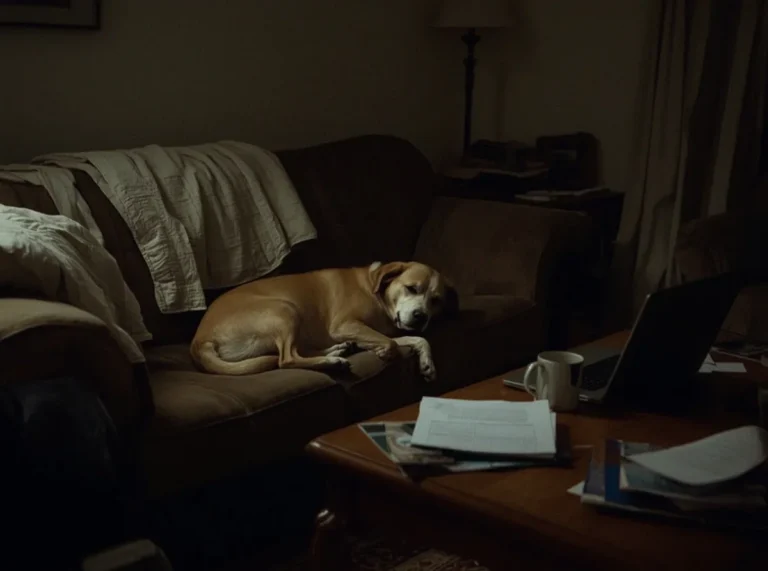
There is also a practical side. Dogs notice where the most settled body is in the room. A human bed or a favorite chair often offers softness, warmth, and a steady rhythm of breathing. Those details are meaningful to a dog, even if they are not consciously “choosing” them in the human sense.
For many dogs, sleeping close is less about clinginess and more about comfort, security, and habit working together.
Pack-style social behavior still matters
Even though pet dogs do not live like wild wolves, they still retain social patterns that favor group rest. Sleeping near trusted companions can reduce uncertainty. It also gives the dog a better sense of what is happening around them.
That does not mean every dog wants constant contact. Some prefer a nearby spot rather than full physical contact. Others like to switch positions through the night. The common thread is proximity to a trusted social anchor.
Warmth and physical comfort play a role
A dog’s body temperature is part of the story too. Many dogs seek out warm places, especially in cooler months or in homes with hard floors and open spaces. Human bodies hold heat, and that can make a bed or blanket much more appealing.
This is especially noticeable in smaller breeds, short-coated dogs, senior dogs, and puppies. They often have a stronger reason to seek out a warm sleeping spot, and humans happen to provide one.
What This Looks Like in Everyday Life
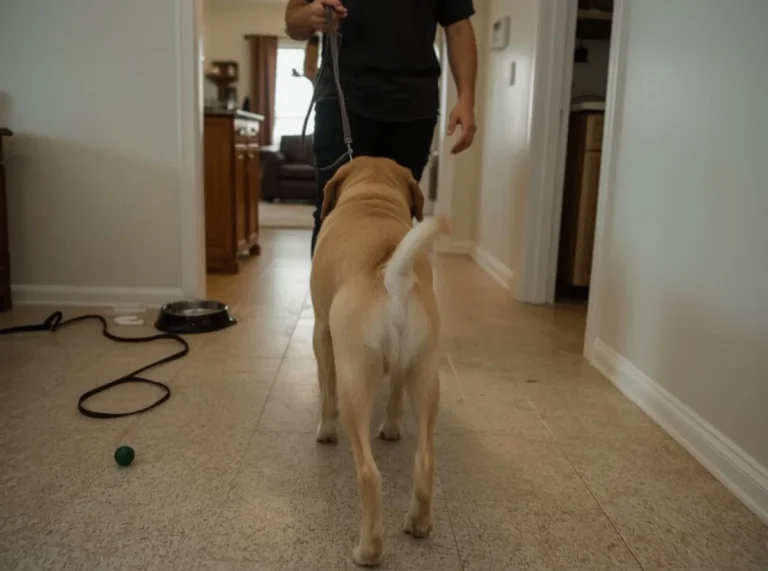
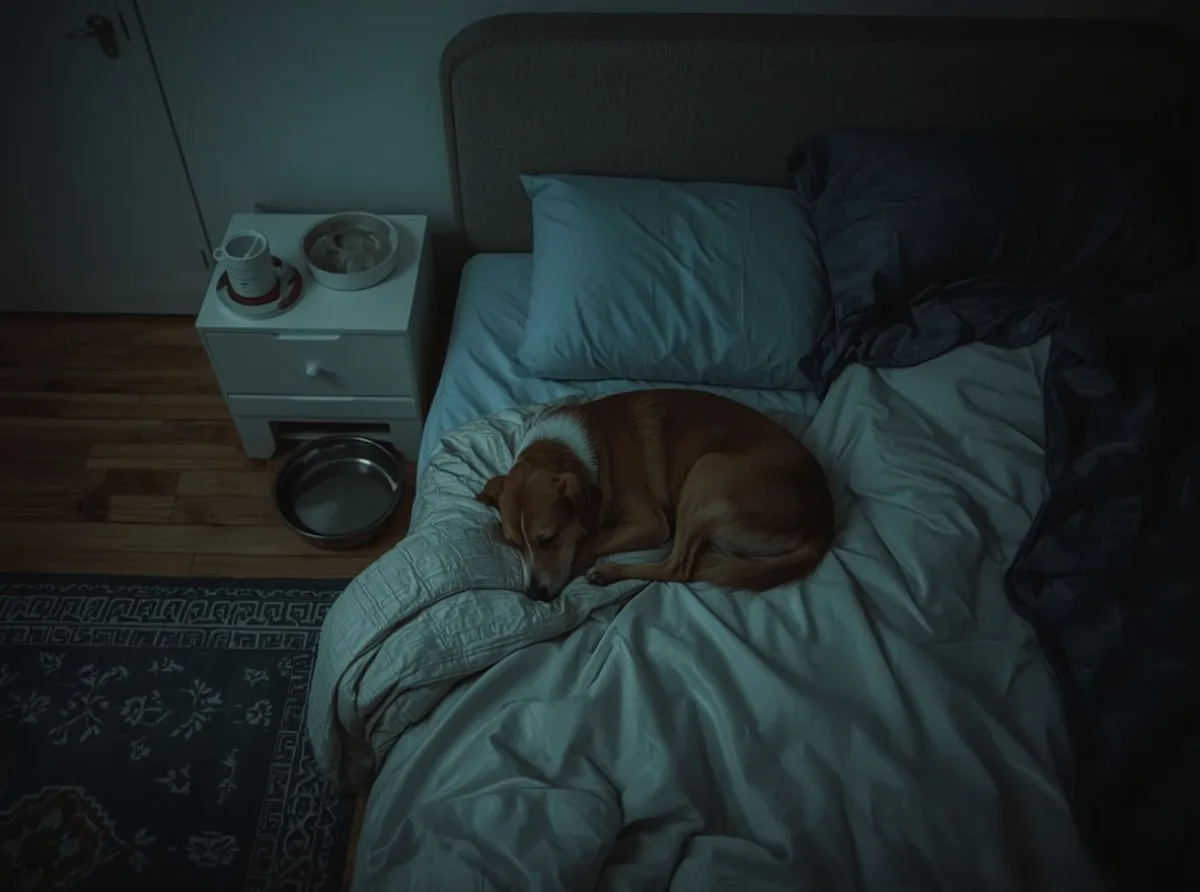
The behavior can show up in small, ordinary ways. A dog may wait until the owner lies down before settling. They may follow the person from room to room in the evening and then choose a spot near the bed. Some dogs rest their head on a foot, a calf, or a pillow edge. Others simply choose the floor beside the bed and stay there all night.
At times, the closeness is subtle. A dog might sleep in the same room but always orient their body toward the person. They may keep one ear up, respond quickly to movement, or adjust position whenever the owner shifts. Those details suggest awareness, not necessarily anxiety.
In multi-pet homes, the pattern may be different. A dog may sleep nearest the person when the home is noisy, but choose a more distant place when another animal is already occupying the prime resting spot. In that case, proximity is still important, but it competes with household dynamics.
Common nighttime patterns
- Sleeping directly next to the owner’s body
- Starting the night nearby and moving closer later
- Choosing the bedroom floor over another room
- Resting at the doorway to keep the person in sight
- Following the owner to bed and settling only after they do
Emotional Reasons Behind the Behavior
Closeness at night often reflects a dog’s emotional relationship with the household. A dog that feels secure around a person is more likely to relax nearby. When trust is strong, the dog does not need to stay on high alert from across the room.
For some dogs, the behavior is connected to attachment. They have learned that the human is part of their safe circle. Being close can help them feel settled, especially in the transition from daytime activity to nighttime stillness.
That attachment can be healthy and ordinary. It becomes more noticeable after a move, a change in routine, travel, visitors, or a period of illness. In those moments, a dog may seek extra closeness because the world feels less predictable.
Dogs often sleep closer when they are looking for reassurance, familiar routine, or a stronger sense of safety in a quiet house.
Some dogs are naturally more people-focused
Breed tendencies, early experiences, and individual personality all shape nighttime behavior. A dog that has spent a lot of time with people from puppyhood may be especially inclined to stay near them. So may dogs bred for companionship or close work with humans.
That said, personality matters as much as breed. Some independent dogs still choose the human bed because they simply enjoy the routine. Others that seem very social during the day may prefer space at night. There is no single pattern that fits every dog.
Security is often the bigger issue than affection
Owners sometimes assume a dog sleeping close is always making a declaration of love. Affection may be part of it, but security often matters more. Dogs look for places where they can relax without needing to stay tense or vigilant.
If a dog feels unsure, they may move closer in search of stability. If they feel confident, they may still choose proximity because it makes rest easier. Either way, the behavior can be practical as much as emotional.
How Environment and Routine Influence the Choice
The home itself shapes where a dog wants to sleep. A quiet, predictable environment usually makes it easier for a dog to settle near people. In a busy household, closeness can become more important because the dog uses the human as a stable reference point.
Routine also matters. Dogs learn when bedtime happens, where their person goes, and what usually comes next. If a dog has slept beside a human for months, that place becomes part of the nightly sequence. The behavior can become so familiar that the dog begins moving into position before anyone else does.
Changes in stimulation can affect it too. A dog with enough daytime activity may settle more easily at night and choose a closer, calmer spot. A dog with pent-up energy may shift repeatedly, pace, or try to stay near the owner while still unable to fully relax.
Household noise changes the pattern
Loud streets, other pets, children, or late evening activity can make a dog prefer closer contact. The human body acts like a steady landmark in a room full of shifting sounds. Even if the dog is not visibly nervous, proximity may help them ignore background noise and rest more deeply.
By contrast, in a quiet home, a dog may feel less need to stay glued to the person and may drift to a nearby bed or rug. The behavior is flexible. It often reflects what the room feels like at that moment.
Season, temperature, and surface choice matter
In cold weather, closeness often increases. A dog may move from a separate bed to the edge of the human bed or press against the owner’s legs. During warmer months, the same dog might still sleep nearby but keep a little more distance.
Surface comfort also matters. A dog that dislikes slippery floors, thin mats, or overly firm beds may choose the human’s sleeping area because it feels better on joints and paws. This can be especially relevant for older dogs or dogs with mild stiffness.
What the Behavior May Signal About the Dog’s State of Mind
Sleeping close can signal calmness, but it can also signal monitoring. The difference is often in body language. A loose body, slow breathing, and fully relaxed limbs point toward comfort. A dog that keeps one eye open, startles easily, or changes position often may be seeking reassurance rather than deep rest.
Owners sometimes miss the fine line between affectionate closeness and quiet tension. A dog that wants to stay near a person while constantly checking the room may be saying, “I feel better here, but I am not fully settled.” That is different from a dog who sprawls out, snores, and barely notices anything happening around them.
There is also a difference between preference and dependence. A dog may simply like sleeping beside a human because it is comfortable. But if the dog becomes distressed whenever that option is unavailable, the behavior may be tied to stronger emotional reliance.
Body language that often comes with healthy closeness
- Loose muscles and soft facial expression
- Slow, steady breathing
- Easy position changes without urgency
- Ability to settle even if the person shifts
- Resting in nearby spots without agitation
Signals that suggest the dog is less settled
- Frequent repositioning with little rest
- Whining, pacing, or hovering before bedtime
- Tight posture or a tucked tail
- Startling at small noises
- Following the person everywhere and struggling to disengage
These signs do not always mean a serious problem. Sometimes they simply show that the dog is having an off night. But repeated patterns can be informative. A dog that cannot relax unless pressed against a human may need more support, more structure, or a calmer sleep setup.
How Owners Often Misread the Behavior
It is easy to assume a dog is being “needy” when they insist on sleeping close. In many cases, that label misses the point. The dog may be acting on habit, temperature, comfort, or a learned sense of safety. The behavior is often more practical than dramatic.
On the other hand, some owners dismiss the behavior as purely cute and overlook stress signals. A dog that constantly seeks contact at night may be communicating unease if the rest of the day includes obvious tension, sudden noises, or inconsistent routines. Context changes the meaning.
That is why the same behavior can point in different directions. A relaxed dog and a worried dog may both sleep near the same person. The body tells the fuller story.
Closeness alone does not reveal the reason. The dog’s posture, flexibility, and ability to relax are just as important as the location.
Different Situations Where It Appears Most Often
The behavior tends to show up more strongly during transitions. Puppies may sleep near humans because they are still learning the household and have not yet built confidence in separate spaces. Newly adopted dogs often do the same while they map out their new environment.
Adult dogs may become more clingy at night after disruptions like moving, boarding, a family schedule change, or the arrival of another pet. Some dogs also become more interested in closeness when they are aging. As hearing, vision, or mobility changes, being near a person can feel safer and more manageable.
Illness or discomfort can intensify the pattern as well. A dog that suddenly wants to stay close every night may be trying to stay near the person they trust while they feel vulnerable. In those cases, the change matters more than the behavior itself.
When the behavior becomes more noticeable
- After storms, fireworks, or loud neighborhood activity
- During travel or temporary housing changes
- When a dog is recovering from illness or injury
- After a new pet or baby changes the household rhythm
- When the dog is under-stimulated during the day
How the Pattern Can Change Over Time
Some dogs sleep close to humans for years without much change. Others shift gradually as they grow more confident or as the home environment becomes less stressful. A puppy that sleeps pressed against a person may later prefer the foot of the bed. A younger dog that liked distance may grow more people-oriented with age.
The pattern is not fixed. It can move with life stage, training history, health, and daily routine. That is why long-term observation matters. A dog’s sleeping preference often says more about current needs than permanent personality.
What stays consistent is the relationship between comfort and trust. If the dog feels safe, they usually sleep more calmly. If they feel uncertain, proximity becomes more valuable.
Short table of common patterns
| Pattern | What it may suggest |
|---|---|
| Sleeping pressed against the owner every night | Strong comfort-seeking, routine, or attachment |
| Sleeping nearby but not touching | Preference for closeness with some independence |
| Moving closer after falling asleep | Need for warmth, reassurance, or a better sense of safety |
| Clinging only during stressful periods | Reaction to change, noise, or uncertainty |
What the Behavior Means in a Modern Household
In today’s homes, dogs are often surrounded by human schedules, indoor comfort, and fewer natural boundaries than they would have outdoors. That setting encourages closeness. The bedroom becomes part of the dog’s social territory, not just a place to sleep.
Modern life also creates predictable cycles that dogs learn quickly. Work hours, dinner times, and bedtime routines all teach the dog when to expect contact. Once the pattern is established, sleeping close can become one of the most reliable parts of the day.
For many dogs, this is why the behavior feels so persistent. They are not only choosing a place. They are choosing the place where the day ends in the most familiar way.
Natural Instincts Behind the Choice
The instinct to stay near a trusted group has deep roots in canine behavior. Dogs are wired to notice companionship, shared rest, and environmental safety. In a home, that instinct often gets directed toward one person in particular.
This is why a dog may follow one family member at night but not another. The preferred person may be the one who feeds them, walks them, or provides the most consistent routine. Familiarity builds preference, and preference guides sleeping behavior.
Even independent dogs are still guided by this basic social logic. Nighttime is a vulnerable period. Staying near the social center of the household can make that period easier to navigate.
Sleeping close often reflects a dog’s effort to balance comfort, safety, and social connection in a predictable environment.
Conclusion
Dogs often sleep closer to humans at night because the behavior serves more than one purpose at once. It can offer warmth, routine, security, and easy access to a trusted companion. It can also reflect a dog’s response to the quiet and uncertainty of the night.
The most useful way to read the behavior is to look beyond distance alone. A dog sleeping close may be deeply relaxed, gently watchful, or simply following a long-established habit. The body language around the choice tells the real story.
Over time, the pattern usually makes sense in the context of the dog’s daily life. A calm home, steady routine, and familiar human presence often encourage that nighttime closeness. And for many dogs, that is exactly where they feel they belong when the house goes still.