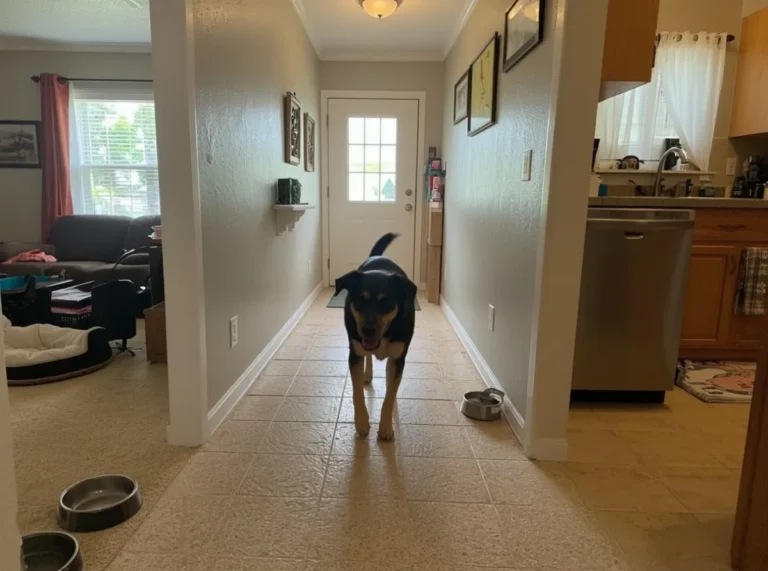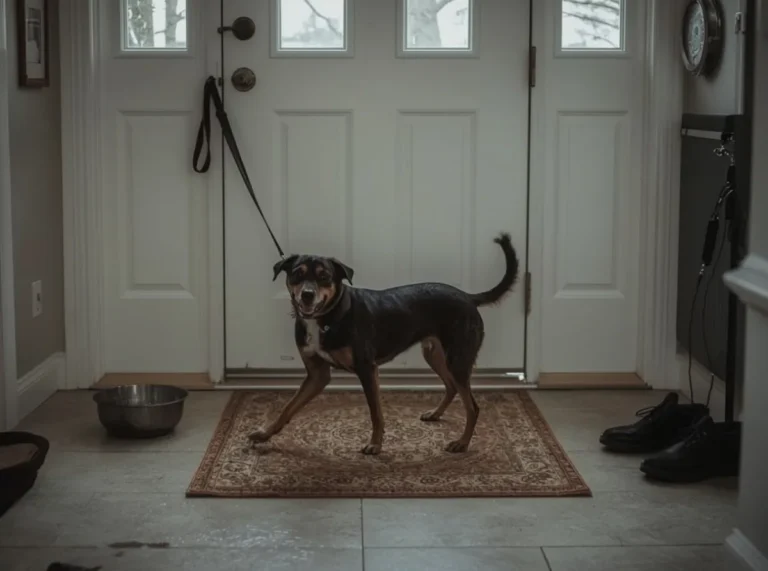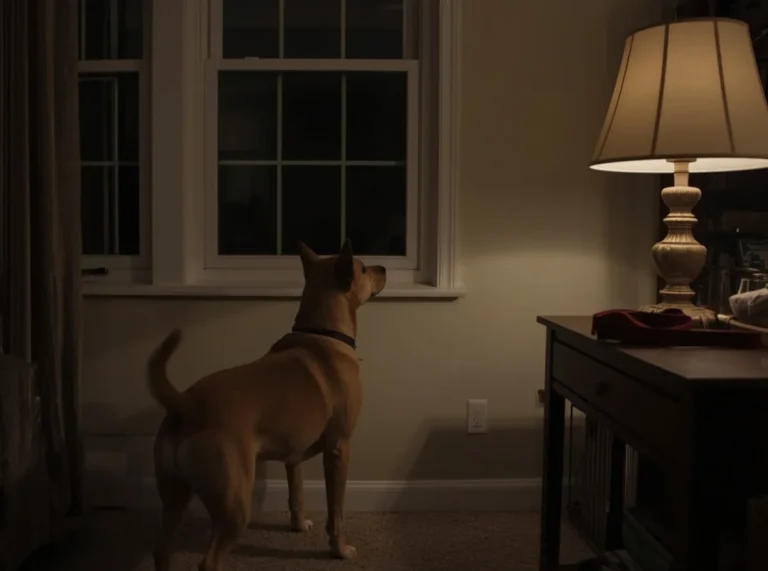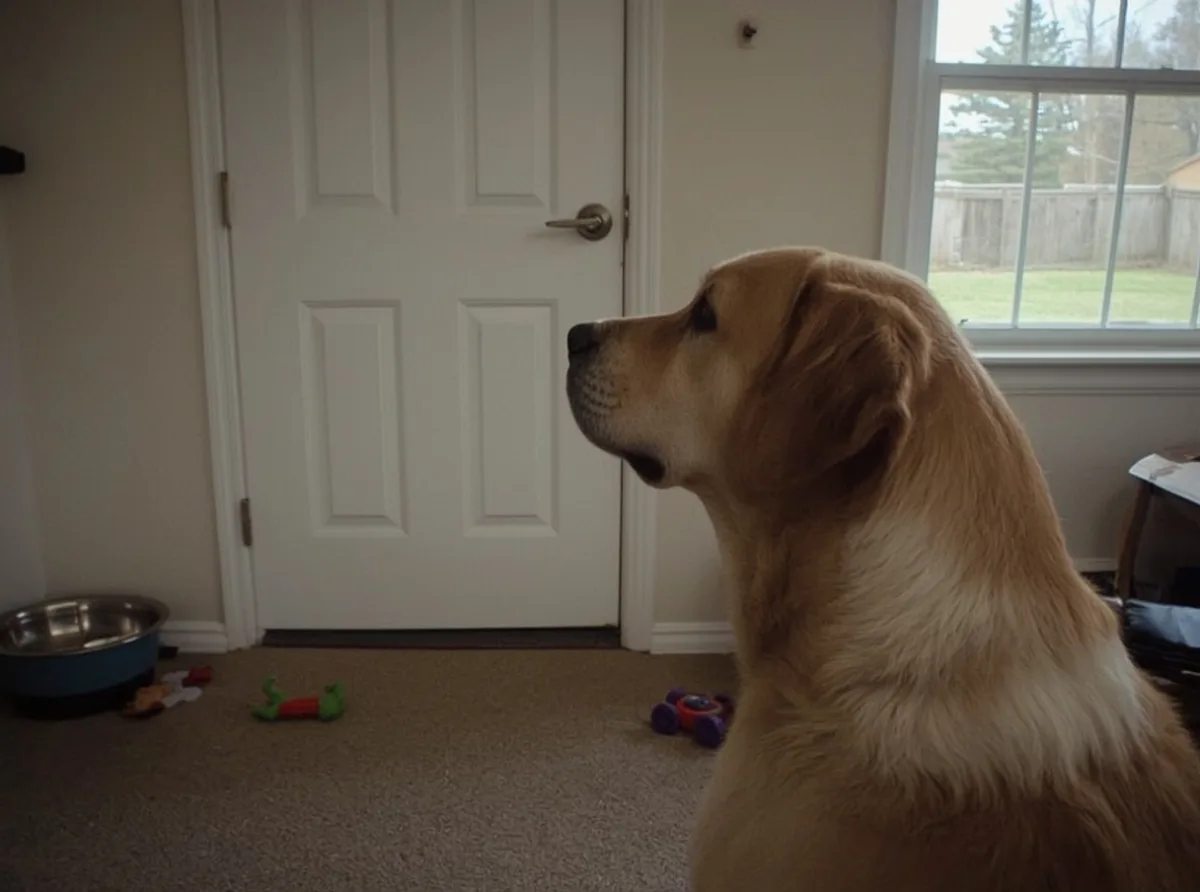
A dog that flinches at a dropped spoon or snaps its head up when a phone buzzes is not always being “dramatic.” In many cases, the reaction comes from a mix of alertness, sensitivity, learned habits, and the way that dog experiences the world. Small sounds can feel much bigger to a dog than they do to a person.
Some dogs barely notice household noise. Others seem to track every click, rattle, or beep. The difference can be striking, especially in the same home. One dog may stay asleep while the blender runs; another may tense up at the sound of a cabinet door closing two rooms away.
That strong reaction often tells a story. It can point to a dog’s temperament, past experiences, daily environment, or level of stress. Sometimes it is normal vigilance. Sometimes it is a sign that the dog is carrying more tension than it can easily show in other ways.
What a Strong Reaction to Small Sounds Looks Like
Dogs do not all react in the same way. One dog may simply lift its head and listen. Another may bark, pace, freeze, or rush to the source of the noise. The difference matters because the intensity of the reaction often gives clues about how the dog is feeling.
In everyday life, these reactions can look like this:
- Startling at a quiet metallic sound, like keys touching a counter
- Waking up instantly from light sleep at a distant noise
- Running to the window when a dog bark is heard outside
- Leaving a room after a vacuum starts, even before it gets close
- Tensing the body and holding still after a sudden beep or click
- Whining, barking, or scanning the room after a barely noticeable sound
Not every response means fear. Some dogs are simply highly aware of their surroundings. But when the response is out of proportion to the sound itself, it usually reflects a deeper sensitivity. The sound may be small, yet the dog’s internal reaction is not.
Why Some Dogs Seem More Sensitive Than Others
Part of the answer begins with how dogs are built. Dogs have much sharper hearing than humans, and they notice details in sound that people do not. A faint rattle or shift in pitch can stand out clearly to them. What sounds minor to us may be distinct and meaningful to a dog.
Still, hearing alone does not explain everything. Two dogs with the same hearing can react very differently. Breed tendencies, early experiences, and personality all shape how sound is processed. Some dogs are naturally more vigilant. Others are more easygoing and less likely to react unless a sound is truly unusual.
Early life can play a major role. Puppies that grow up in calm, predictable settings may become comfortable with everyday noises. Puppies exposed to harsh, chaotic, or frightening sounds may learn to stay on edge. That early learning can carry into adulthood.
When a dog reacts strongly to small sounds, the sound itself is only part of the picture. The dog’s history, temperament, and current level of tension often matter just as much.
Common Emotional Reasons Behind the Reaction
1. Startle sensitivity
Some dogs startle easily. They are quick to notice shifts in their environment and quick to respond. This can happen in dogs that are naturally cautious or highly alert. They are not necessarily frightened all the time, but they do react fast when something breaks the expected pattern.
A startle response often appears as a sudden head jerk, a stiff posture, or a brief pause before the dog decides what to do next. The dog may recover quickly, or it may stay watchful for a while afterward.
2. Anxiety or chronic tension
Dogs that live with ongoing stress often react more strongly to minor triggers. A small sound can feel like one more thing to manage. Their nervous system is already working hard, so the reaction comes faster and lasts longer.
In these dogs, sound sensitivity is rarely the only sign. You may also notice panting at odd times, trouble settling, following people closely, pacing, lip licking, or difficulty relaxing during normal household activity. The reaction to noise becomes part of a bigger pattern.
3. Fear based on past experiences
Some dogs learn to connect certain sounds with unpleasant events. A can opener may predict medication. A certain tone of voice may have come before scolding. A sharp beep may resemble something that once startled them badly. Dogs are good at linking sounds to outcomes, even when humans never notice the connection.
Once a dog makes that association, even a small version of the sound can trigger a reaction. The dog is not responding only to volume. It is responding to meaning.
4. Guarding or monitoring behavior
A dog with a strong watchdog instinct may react to small noises because it feels responsible for noticing changes. This is especially common in dogs that are very bonded to the household or naturally inclined to monitor doors, windows, and unfamiliar movement.
These dogs may not seem nervous in the usual sense. Instead, they look alert, serious, and ready to respond. The reaction can come from a sense of duty rather than fear.
How the Home Environment Shapes the Reaction
Daily environment can make sound sensitivity better or worse. A quiet home can be comforting for some dogs, but it can also make every little noise more noticeable. In a still house, the click of a dish, the hum of an appliance, or a knock on the wall may stand out sharply.
Busy households can have the opposite effect. Some dogs become more reactive when the environment is unpredictable. People moving around, children playing, phones ringing, and appliances starting and stopping can keep the dog in a near-constant state of readiness. The dog never fully settles, so even a tiny sound may get an exaggerated response.
Routine matters too. Dogs often do better when the soundscape of the home is familiar. If the same noises happen in the same order each day, the dog may stop reacting as much. But if the pattern changes often, the dog may stay tense because it cannot predict what comes next.
| Situation | Typical effect on sound sensitivity |
|---|---|
| Very quiet, low-stimulation home | Small noises may feel sudden and attention-grabbing |
| Busy, unpredictable household | Dog may stay on alert and react more quickly |
| Stable daily routine | Familiar sounds may become less triggering over time |
| Frequent disruptions or changes | Dog may remain tense and easily startled |
Subtle Signals That Often Come Before a Bigger Reaction
Dogs usually do not go from calm to reactive instantly. There are often small signals first. These signs can be easy to miss, especially if the sound is brief.
- Ear movement toward the sound
- Sudden stillness
- Closed mouth and tightened jaw
- Wide eyes or intense staring
- Weight shifted forward or backward
- Tail tucked lower or held rigidly
- Slow breathing or held breath
These signals show that the dog is processing the noise before deciding whether it is safe. In a more relaxed dog, the response may stop there. In a more sensitive dog, those first signals can quickly build into barking, retreating, or pacing.
A dog that looks “fine” right after a noise may still be carrying tension in its body. The absence of barking does not always mean the sound was easy for the dog to handle.
When a Small Sound Seems to Mean Too Much
Sometimes the reaction is not really about the noise at all. It may be about what the sound predicts. A dog that reacts strongly to a cabinet opening might not care about the cabinet itself. It may have learned that the sound means someone is about to leave, food may be involved, or a tense household moment is coming.
This is one reason owners can misread the behavior. A dog that suddenly barks at a tiny sound may look stubborn or overexcited, but the response may be rooted in anticipation. The sound is a cue. The emotional state is already in motion.
Dogs also notice patterns that people overlook. If a home becomes louder before guests arrive, or if certain noises happen before exciting or unpleasant events, the dog can begin reacting to the smallest hint of those patterns. What seems random to a person may feel very specific to the dog.
Difference Between Alertness and Stress
Not every reactive dog is anxious. Some are simply attentive. The key difference is how quickly the dog returns to a neutral state after the sound passes.
An alert dog may look up, listen, and then relax. A stressed dog often stays keyed up. It may continue scanning, panting, pacing, or reacting to new sounds long after the first noise is gone.
The table below shows a simple contrast:
| Alertness | Stress-related reaction |
|---|---|
| Brief attention to the sound | Prolonged tension after the sound |
| Body stays loose | Body becomes stiff or tight |
| Dog settles quickly | Dog keeps monitoring the environment |
| Curious or neutral expression | Worried, guarded, or restless expression |
This distinction helps explain why two dogs can react to the same noise in completely different ways. One is simply informed. The other is unsettled.
How Daily Stimulation Affects Noise Reactions
A dog that is under-exercised, under-engaged, or mentally bored may react more sharply to small sounds. When a dog has little to do, every little event in the environment becomes more noticeable. Noise can feel like the main event of the day.
That does not mean the dog needs constant activity. It means the dog needs enough physical movement, mental engagement, and predictable rest to avoid building tension. Some dogs are especially likely to show this pattern when their days are repetitive but not truly restful.
On the other hand, a dog that has had enough exercise and is able to settle well may become less reactive. It is not because the sound changed. It is because the dog’s nervous system is less primed to react.
When the Reaction Shows Up Most Often
Strong responses to small sounds usually appear in situations that combine surprise with uncertainty. Late evening noises, sounds from outside the home, and unfamiliar indoor noises are common triggers. A dog may be fine with everyday household activity, then react strongly to one unusual beep, crack, or knock.
These reactions also tend to appear when the dog is lightly sleeping, resting in a vulnerable position, or already uncertain about the surroundings. A dog that is half-asleep may be more startled than a dog that is fully awake and engaged. That is normal. The question is how intense the response becomes and how long it lasts.
Some dogs are especially reactive during transitions. Moving to a new home, hosting guests, changing schedules, or introducing new appliances can all raise sensitivity. The dog is still learning the sound map of the space.
What Long-Term Patterns Can Suggest
If a dog has reacted strongly to small sounds for a long time, the pattern itself is meaningful. Some dogs are always going to be more alert than others. That can be part of their temperament. Still, long-term consistency may also point to a dog that never fully relaxes.
Look at the whole picture rather than one noise event. Does the dog react only to sudden, sharp sounds? Does it also seem uneasy in other situations? Does it sleep lightly, struggle to settle, or stay watchful even during calm periods? Those details help distinguish a naturally attentive dog from one that is carrying ongoing stress.
Consistent sound reactivity is often less about “being sensitive” in a vague sense and more about how securely the dog feels in its environment.
How Owners Often Misread the Behavior
It is easy to assume the dog is being difficult, spoiled, or attention-seeking. Sometimes people also assume a dramatic reaction means a dog is trying to dominate the room or control what happens next. Those explanations usually miss the point.
A dog reacting strongly to a small sound is often responding to uncertainty, not defiance. The noise may feel sudden, unfamiliar, or loaded with past associations. Even a dog that looks intense may be trying to make sense of the world, not challenge anyone in it.
That said, not every reaction needs the same response. A dog that is simply curious may do fine with calm reassurance and a predictable environment. A dog that looks genuinely distressed may need more space from triggering sounds and a closer look at what is raising its baseline stress.
Practical Signs That the Dog Is Overloaded
When sound sensitivity starts to spill over into daily life, the dog usually shows more than one sign. The reaction may become more frequent, more intense, or harder to settle afterward.
- Reacting to sounds that never used to matter
- Struggling to sleep through normal household noise
- Staying watchful even during quiet periods
- Increased barking at passing sounds
- Moving from room to room without settling
- Showing tension before the sound even happens
These patterns matter because they suggest the dog is not just hearing well. It may be living in a state of anticipation. That state can make even small noises feel important.
Why Some Dogs React and Then Quickly Recover
A strong first reaction does not always mean a serious issue. Some dogs react big, then reset quickly. They bark once, look around, and then return to their nap or chewing. In those cases, the sound may have simply triggered a brief alert response.
Quick recovery often points to a dog that is generally comfortable and secure. The noise registered. The dog checked it out. Nothing else happened. End of story.
That kind of response is different from a dog that keeps returning to the sound, remains tense, or seems unable to move on. Recovery time is one of the clearest clues in the whole picture.
Why the Same Sound Can Mean Different Things on Different Days
A dog’s reaction is not fixed from one moment to the next. The same sound can be easy one day and upsetting the next. Sleep, hunger, activity level, recent stress, and the overall mood of the household all influence how the dog responds.
A dog that missed a rest period or spent the day in a noisy environment may be more likely to overreact at night. A dog that has already had a few startling moments may be primed for the next one. Context matters, even when the sound is tiny.
That is why sound sensitivity can look inconsistent from the outside. The pattern may make perfect sense once you include the rest of the day.
Natural Instincts Behind the Reaction
Dogs were shaped to notice changes in their surroundings. Paying attention to small noises once helped them detect movement, danger, prey, or social cues. That instinct is still present, even in a quiet modern home.
For some dogs, the instinct stays close to the surface. A soft sound is enough to trigger attention because that is what their nervous system is built to do. In a safe home, the response is usually harmless. But in a dog that is already stressed, the same instinct can turn into constant reactivity.
The challenge is not to erase that natural alertness. It is to understand when it is just part of the dog’s normal way of being and when it has become too intense for the dog’s own comfort.
What the Reaction May Be Telling You
A dog that reacts strongly to small sounds is often sending a practical message: this environment feels important, unpredictable, or hard to ignore. The dog may be highly perceptive, somewhat anxious, or deeply tuned in to the household rhythm.
That message becomes clearer when you pay attention to the type of sound, the dog’s body language, and what happens afterward. A brief ear twitch is one thing. Repeated tension, barking, pacing, and trouble settling are something else.
Small sounds rarely matter because of volume alone. They matter because of what the dog expects, remembers, or feels in that moment. Once that is understood, the behavior becomes easier to read in everyday life.