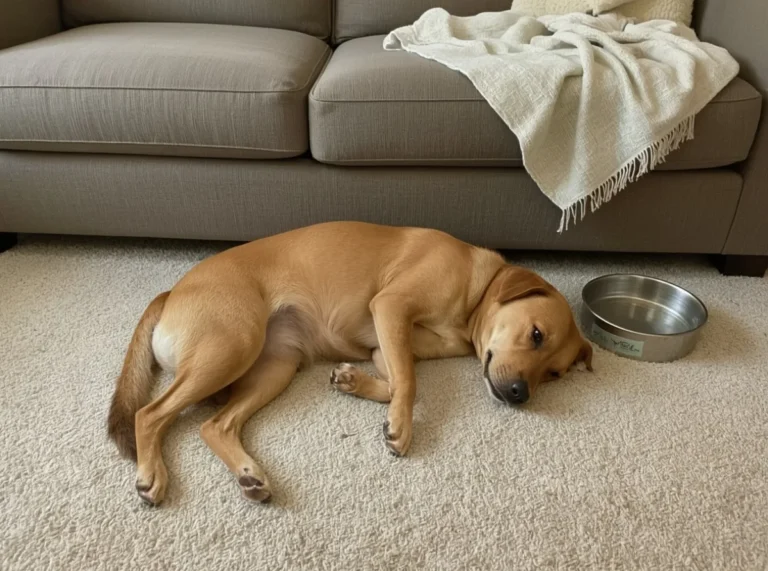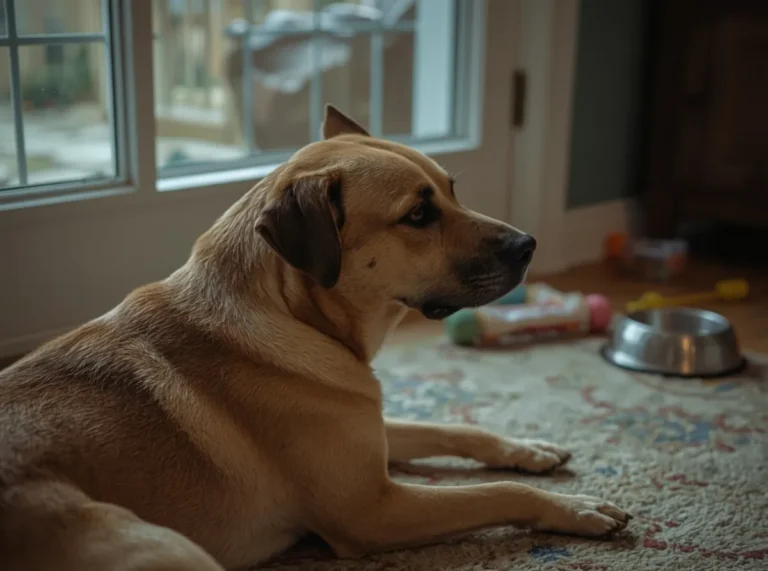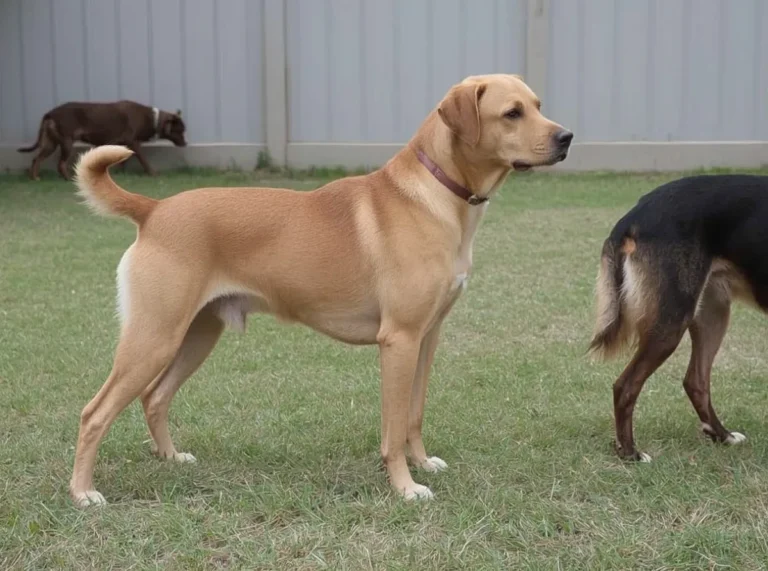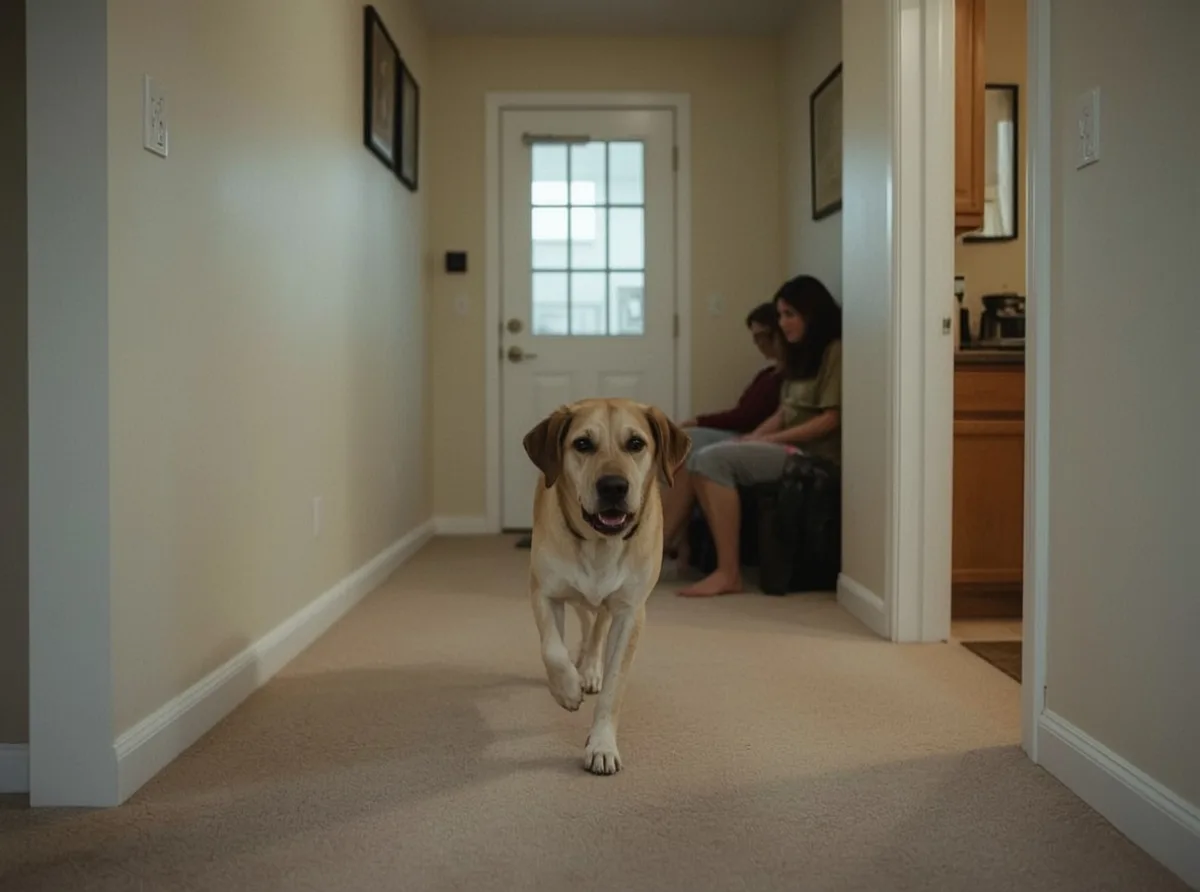
Some dogs walk through a room with easy confidence, while others seem to place each paw with care when people are nearby. They may slow down near strangers, skirt around a person’s legs, or move as if they are quietly measuring the space before committing to it. That careful way of moving is often subtle, but it can reveal a lot about how a dog experiences people, noise, motion, and pressure in the environment.
It is easy to notice the behavior and assume a dog is simply timid. In many cases, though, the reason is more layered than fear alone. A dog might be cautious because of past experiences, because the home feels crowded, because they are highly sensitive to movement, or because they have learned that stillness and distance help them stay comfortable.
Careful movement around people is not one single behavior. It can look quiet and polite in one dog, tense and watchful in another, and hesitant only in specific situations. Understanding the difference matters, because the same movement can mean calm self-control in one context and unease in another.
What careful movement can look like in daily life
At home, a careful dog may wait until people shift away before crossing a hallway. They may circle around guests instead of walking straight through a group. Some dogs lower their bodies a little, soften their pace, and place their feet lightly as if they are trying not to disturb anyone.
In other homes, the same dog might be fully relaxed with familiar family members but much more measured with visitors. A dog that confidently runs across the yard may still hesitate beside a person who bends down too quickly or reaches out with a hand. The behavior often changes depending on the setting, the person, and how much space the dog feels it has.
These moments are easy to miss because they are rarely dramatic. A careful dog is not always cowering or hiding. Sometimes the signs are small: pausing before passing, angling the body away, choosing the edge of a room, or watching a person closely before deciding to move.
Why some dogs develop a more cautious style
Dogs do not all read human movement in the same way. Some are naturally bold and quick to investigate. Others are more observant and prefer to gather information before stepping closer. That difference can start early and become stronger through experience.
Temperament plays a large role
Certain dogs are simply more sensitive by nature. They notice quick hand motions, changes in voice, and shifts in posture sooner than other dogs do. For those dogs, moving carefully is less about defiance and more about processing the world at a slower, more deliberate pace.
A sensitive dog may need extra time to decide whether a person feels safe. They often prefer predictable patterns. Sudden gestures, loud laughter, or a crowded room can make them choose caution over speed.
Past experiences shape expectations
Dogs with rough histories often learn to move cautiously around people because caution has helped them avoid uncomfortable situations. A dog that once had little control over human touch may become very measured in how it approaches people later in life. Even dogs with no obvious trauma can build careful habits if they have had repeated experiences that felt intrusive or overwhelming.
Because dogs learn by association, one unpleasant moment can matter more than owners expect. A clumsy greeting, a child rushing toward them, or repeated handling without a break can teach a dog that moving close to people is something to do carefully.
Careful movement is often a communication tool. It can say, “I need space,” “I’m thinking,” or “I’m not fully sure yet.”
Breed tendencies can influence pace and caution
Some dogs are bred to notice movement closely and respond thoughtfully rather than impulsively. Herding breeds, for example, often show strong awareness of body position and motion. Sight hounds may be alert to shifts in the environment, while guardian breeds may move more deliberately when evaluating people and space.
This does not mean a breed will always act one way. Individual personality still matters a great deal. But breed tendencies can affect how much caution a dog brings into everyday interactions.
When careful movement shows up most often
The behavior is usually most noticeable when a dog does not feel fully in control of the situation. A quiet dog may become more careful when visitors arrive, when children are running around, or when several people are standing close together. Tight spaces also tend to bring it out, especially hallways, entryways, and small living rooms where the dog has fewer options for moving around people.
Veterinary clinics, grooming tables, and crowded sidewalks can trigger the same response. In those places, a dog may step more slowly, keep its body turned slightly away, or wait longer before approaching. The change is often less about the specific person and more about the overall level of unpredictability.
Careful movement can also appear during transitions. A dog may be fine once everyone is sitting down, but become hesitant when someone stands up quickly, opens a door, or reaches for an object nearby. Those changes can make the environment feel less stable.
Common situations that make a cautious dog slow down
- Guests entering the home
- Children moving quickly or unpredictably
- Being asked to pass close to someone in a narrow space
- Hands reaching over the dog’s head
- Loud or busy family routines
- New places with unfamiliar smells and sounds
- Handling during grooming or vet visits
What the behavior may signal emotionally
Careful movement is often connected to a dog’s emotional state, even when the dog still appears outwardly calm. The body may be saying something different from the face. A dog can seem quiet and composed while still feeling unsure enough to manage space carefully.
In some cases, the behavior reflects mild caution. The dog is not especially distressed; they are simply choosing a slower, safer path. In other cases, the same behavior is a clue that the dog is uncomfortable and trying to prevent pressure from building.
Comfortable caution looks different from stress
A relaxed but careful dog usually moves slowly with loose muscles. They may still sniff, look around, and continue exploring after a brief pause. Their pace is deliberate, but not frozen.
A stressed dog often shows more tension. The body may stiffen, the tail may hold still, and the dog may avoid eye contact or keep glancing at the person while edging away. They may hesitate repeatedly without settling into the space.
A slow pace does not always mean fear. The difference is often in the rest of the body: loose and curious versus tight and guarded.
Body language that often travels with careful movement
- Body angled away from the person
- Lower head position
- Short, measured steps
- Pausing before crossing open areas
- Soft but alert eyes
- Tail held low or neutral, sometimes still
- Frequent checking of the person’s location
When several of these signals appear together, the dog is probably doing more than simply taking its time. It is managing the social distance that feels safest in that moment.
How people sometimes misread the behavior
Owners often interpret careful movement as shyness, stubbornness, or lack of socialization. Those explanations can be partly true, but they are not always the whole picture. A dog may be highly social and still move cautiously around people because of sensitivity, habit, or a desire to avoid conflict.
Another common misunderstanding is assuming the dog “knows better” and is being deliberately difficult. In reality, many dogs are trying to stay comfortable and avoid making a mistake. Moving carefully may be their way of choosing the least stressful option available.
Some dogs are also simply polite by nature. They do not rush through personal space. They wait. They watch. They give people a wide path when they can. That should not be mistaken for insecurity unless other signs suggest the dog is tense or worried.
Why the same gesture can mean different things
A dog that steps around a person slowly might be avoiding contact, or they might just be respecting space. A dog that pauses before entering a room may be uneasy, or they may be waiting for a cue. The surrounding context decides a lot.
Body language is best read as a group of signals, not a single move. One careful step means little on its own. A careful step combined with a stiff body, tucked tail, and avoidance of touch gives a clearer picture.
How the home environment shapes this behavior
Daily life has a strong effect on how cautiously a dog moves around people. A quiet household with predictable routines often helps careful dogs relax. They can learn where people usually sit, when the kitchen becomes busy, and which parts of the house stay calm at certain times of day.
By contrast, a household with constant movement can keep a sensitive dog on alert. Frequent guests, children running through rooms, televisions playing loudly, and people changing direction without warning all increase the amount of information the dog must process. Some dogs respond by slowing down so they can stay in control of their own space.
Routine matters too. Dogs usually feel safer when they can predict what happens next. If a person always leans over them without warning, reaches for their collar suddenly, or walks into their path, the dog may begin moving more carefully as a precaution.
Environmental details that can intensify caution
- Narrow walkways and cluttered rooms
- Hard floors that make movement feel less secure
- Frequent interruptions during rest time
- Unclear household rules about dog space
- Too many people approaching at once
- Rapid changes in activity level
Even small adjustments can shift the dog’s comfort level. Giving a dog a clear path, predictable routines, and places to retreat often changes how freely they move.
The role of sensitivity, attachment, and social habits
Some dogs move carefully because they are deeply attached to people and want to remain in good standing with them. They may be attentive, eager to avoid trouble, and quick to adjust their position when a person moves. This is not always insecurity. In certain dogs, it is a thoughtful social habit.
Other dogs are highly sensitive to human emotion and body language. They notice tension, excitement, or frustration quickly. When people seem unpredictable, the dog may become more measured in its movements, as if trying to read the room before participating in it.
There are also dogs that have learned social restraint. They understand the rules of their home and move in ways that avoid bumps, interruptions, or conflict. These dogs may appear cautious, but their behavior can actually reflect strong awareness and good self-control.
When careful movement becomes more noticeable over time
A dog’s movement pattern can change as life changes. Puppies often move in bursts, then become more thoughtful as they learn what human bodies do. Young dogs may rush in one week and hesitate the next, especially if their environment is busy or inconsistent.
Adult dogs often show more stable patterns. A confident adult may still become careful in certain situations, but the behavior tends to have clear triggers. Mature dogs that are naturally cautious usually show that same quality across many settings.
Older dogs may slow down for physical reasons as well as emotional ones. Joint discomfort, vision changes, or general stiffness can make a dog more deliberate around people because quick movement feels less comfortable. When care and age overlap, the dog may appear especially measured in close quarters.
Signs that caution may be linked to physical comfort
- Slower movement even in familiar, calm settings
- Hesitation when stepping over thresholds
- Reluctance to turn quickly
- Stiffness after resting
- Shortened stride or uneven footing
When physical comfort changes, emotional caution can become more visible. A dog that once moved freely may begin choosing routes that reduce effort or contact.
Mixed signals and ambiguous moments
Not every careful dog is consistently cautious. Some dogs move boldly toward familiar people but become measured when the room is noisy. Others approach eagerly, then slow down once they are close enough to assess a hand, a chair, or a child on the floor. Mixed signals are common because comfort is often situation-specific.
A dog may also look uncertain while actually being curious. They step forward, pause, tilt their head, then step back and try again. That kind of pattern can mean the dog is interested but still deciding how safe or manageable the interaction feels.
Because of this, owners should look for patterns rather than isolated moments. Does the dog only move carefully around tall people? Only in hallways? Only when someone is standing? The answer usually reveals more than a single greeting ever could.
Consistency matters more than one-off behavior. Repeated caution in the same situations tells a clearer story than a single hesitant moment.
What helps a careful dog move with more ease
Dogs that move cautiously around people often do better when interactions stay predictable and low-pressure. They usually benefit from being allowed to approach at their own pace. When the choice is theirs, many dogs settle more quickly.
Space also matters. A dog that can walk around a person instead of through them may feel much safer. Simple changes in household movement, like avoiding sudden leaning, leaving open paths, and giving the dog time to pass before someone steps forward, can reduce the need for constant caution.
Small changes that often help
- Let the dog choose the distance for greeting
- Avoid reaching over the dog’s head
- Keep pathways open and uncluttered
- Use predictable routines around meals, walks, and rest
- Allow the dog to leave when needed
- Reduce crowding in entryways and narrow rooms
These adjustments do not force confidence. They create conditions where caution is less necessary. For many dogs, that is what allows smoother, more natural movement around people to emerge.
Some dogs will always be thoughtful walkers. They will take their time, read the room, and place themselves carefully. That can be part of their temperament, their history, or the way they have learned to live among people. When the reasons are understood, the behavior becomes easier to respect, and the dog’s movement makes more sense as a quiet conversation rather than a problem to fix.