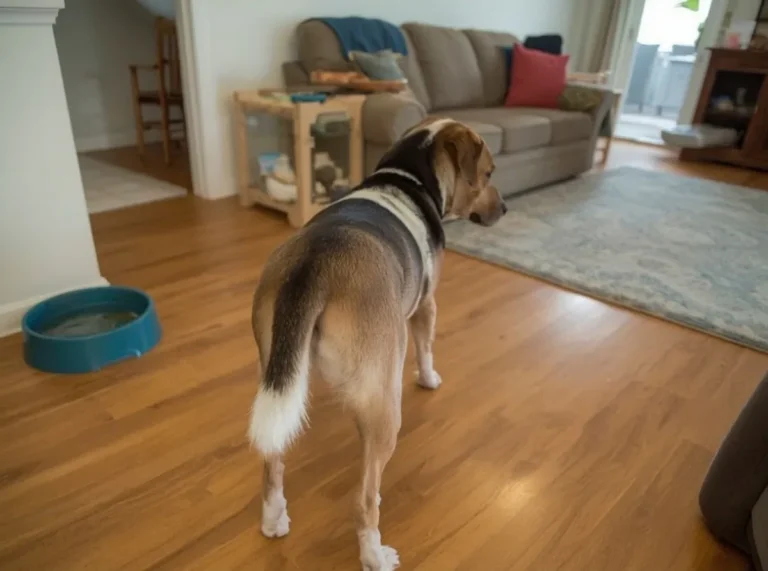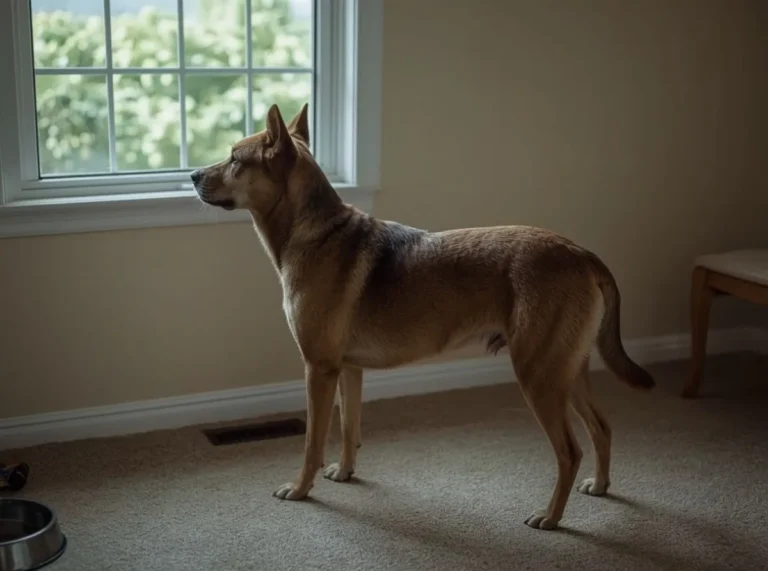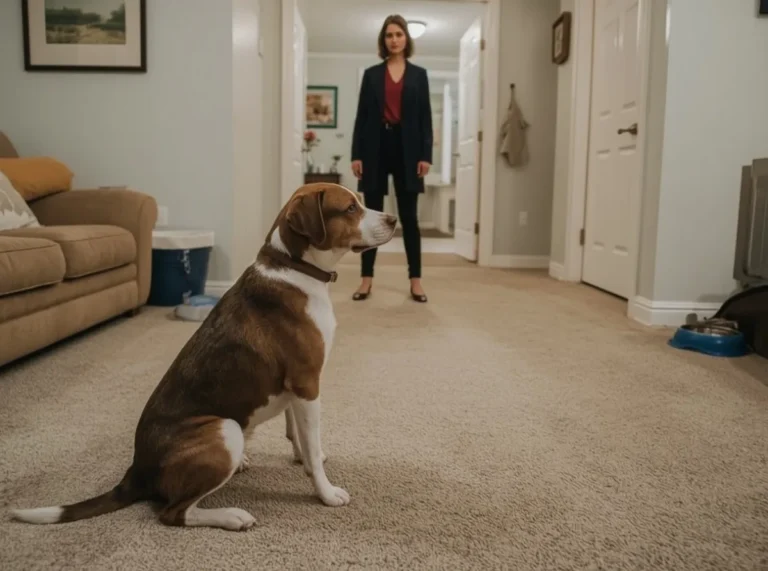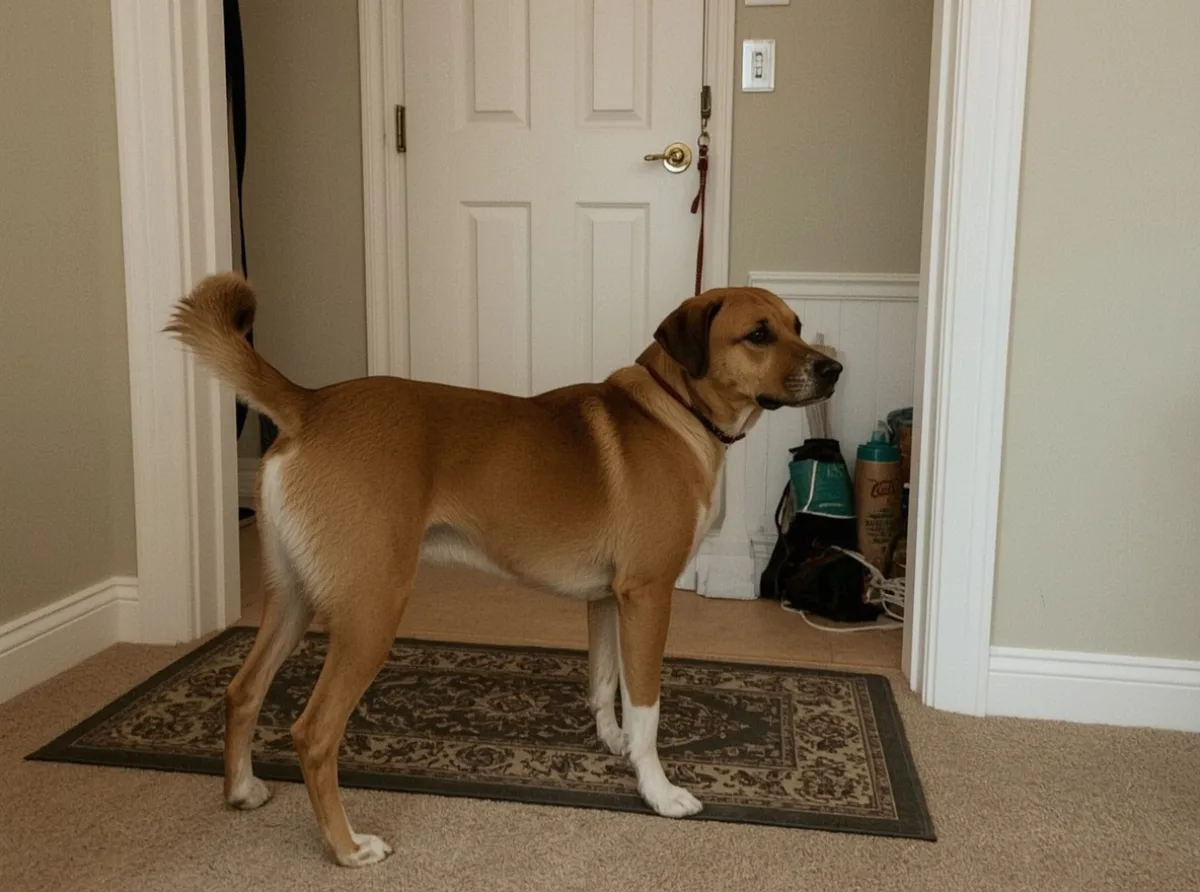
A dog’s tail can say a lot without making a sound. A broad, loose wag often reads as friendly and easy to recognize, but a slow wag is different. It usually carries more nuance, and the rest of the body gives the real meaning.
People often notice the tail first and stop there. That can lead to quick assumptions that a dog is happy, uncertain, or even upset. In reality, slow tail wagging tends to show a dog is processing the moment carefully. The dog may be cautious, attentive, relaxed but reserved, or mildly unsure about what comes next.
Slow wagging is worth noticing because it often appears at important social moments. A dog may be meeting a new person, watching another dog approach, waiting for a cue, or standing in a situation that feels slightly unfamiliar. The motion itself is not the whole message. The speed, height, stiffness, and rest of the body all matter.
When you begin to read slow wagging in context, it becomes easier to understand what your dog is trying to communicate. Sometimes it reflects calm interest. Sometimes it signals a pause before action. And sometimes it is a quiet warning that the dog is not fully comfortable yet.
What Slow Tail Wagging Usually Looks Like
Slow wagging is usually easy to spot once you know what to look for. The tail moves in a measured rhythm instead of a quick sweep. It may stay at mid-height, slightly low, or even lifted, depending on the situation and the dog’s temperament. The motion often feels deliberate rather than loose and carefree.
In everyday life, it can look like a dog standing still while the tail moves gently from side to side. The rest of the body may also stay fairly still. Some dogs wag slowly with a soft face and relaxed ears. Others wag slowly with a tense mouth, a fixed stare, or a stiff posture.
That difference matters. The same tail movement can mean very different things when paired with different body signals. A slow wag with loose muscles and a slightly open mouth is not the same as a slow wag with a rigid body and closed lips.
Common forms of slow wagging
- A low, slow wag while the dog cautiously approaches someone
- A mid-height, slow wag during an uncertain greeting
- A slow wag with a still body and focused eyes
- A slow side-to-side wag that happens before the dog decides whether to engage
- A slow wag that starts and stops as the dog evaluates the situation
These versions are easy to mix up if you only glance at the tail. Watching the whole dog makes the picture clearer. A relaxed slow wag usually feels soft and fluid. A tense one feels controlled, deliberate, and sometimes restrained.
Why Dogs Commonly Wag Slowly
Dogs do not wag in one single way for one single reason. Slow tail wagging often appears when a dog is uncertain but not frightened, interested but reserved, or social but thoughtful. It can also show polite restraint. The dog is saying, in effect, that it is engaged with the moment but not ready to rush into it.
Many dogs use this kind of motion when they are assessing a person or another animal. They may be curious, but they want a little more information first. That is why slow wagging often happens at a distance before the dog fully commits to moving closer.
It can also happen when a dog is waiting for permission or trying to stay calm in a stimulating situation. A dog at the door, near a treat, or beside a favorite person may wag slowly while holding back. The behavior can reflect anticipation, self-control, or mild tension.
Slow wagging often means the dog is engaged, but the emotional tone may be cautious, measured, or quietly alert rather than openly joyful.
Some dogs naturally wag slowly because that is their normal pace. Breed tendencies, body type, age, and personality all play a role. A big, heavy-tailed dog may show its feelings in slower, more visible motions, while a smaller or more reactive dog may flick the tail in short, careful movements.
Emotional States That Can Sit Behind the Behavior
One of the most common reasons for slow wagging is uncertainty. The dog is not blocked or frozen, but it is not fully relaxed either. It is taking in the situation, reading people or dogs around it, and deciding what to do next. That pause can look calm from the outside while still carrying a lot of internal activity.
Slow wagging may also show polite social interest. A dog might be curious about a visitor, a strange dog, or a new sound. The movement suggests engagement, but not necessarily excitement. Think of it as a careful hello instead of an enthusiastic greeting.
In some cases, the dog is mildly conflicted. It wants to approach, but it also wants space. It wants to play, but it does not trust the situation fully. That internal push and pull often creates a slow, measured tail movement.
There is also a version that reflects quiet confidence. A dog standing calmly with a slow wag may simply be comfortable but not overly animated. Not every slow wag signals concern. Some dogs are naturally reserved and show contentment in a subtle way.
Possible internal states linked to slow wagging
- Cautious curiosity
- Social interest without full comfort
- Quiet anticipation
- Mild uncertainty
- Controlled excitement
- Reserved confidence
The best reading comes from pairing the tail with the dog’s eyes, ears, mouth, and body weight. A dog leaning forward with a soft tail wag is sending a different message from a dog leaning back with the same tail motion. The emotional state changes the meaning.
How Body Language Changes the Message
A slow wag never works alone. The head, ears, back, mouth, and feet all help explain what the dog is feeling. A loose body often points toward comfort, while a stiff body suggests pressure or caution. When the tail is slow and the body is still, the dog may be holding itself in place while thinking through the moment.
Eye contact is especially useful. Soft, normal blinking and brief glances usually suggest ease. A hard, fixed stare alongside slow wagging can mean the dog is highly focused or unsure. The dog may not be threatening, but it is definitely alert.
The mouth also tells a story. An open mouth, relaxed tongue, and soft facial muscles usually indicate a calmer emotional state. A closed mouth, tight lips, or a tense jaw may indicate that the dog is not fully comfortable. The same tail movement can shift from friendly to cautious depending on those details.
Ear position matters too. Ears held loosely or naturally are often a good sign. Ears pulled forward, pinned back, or shifting repeatedly may indicate the dog is sorting through stress or uncertainty. Slow wagging becomes more meaningful when paired with those clues.
| Body signal | What it may suggest with slow wagging |
|---|---|
| Loose muscles | Comfort, interest, or calm social attention |
| Stiff posture | Caution, pressure, or uncertainty |
| Soft eyes | Relaxed engagement |
| Fixed stare | Strong focus or tension |
| Relaxed mouth | Ease and openness |
| Tight lips | Unease or self-control |
Situations Where Slow Wagging Often Appears
One of the most common places to see slow tail wagging is during introductions. A dog may meet a new person, sniff a visitor’s hand, or approach another dog in a careful way. The tail movement gives the dog a chance to show interest without rushing the interaction.
It also often appears at the front door. A dog may hear someone arrive, see a familiar face, or wait for the leash to come out. The emotional tone can vary a lot here. Some dogs are happy and controlled. Others are uncertain and trying to stay composed.
Slow wagging can show up during feeding or treat time, especially if the dog is excited but waiting. The dog may know something good is coming, yet still hold back. In those moments, the tail can move slowly while the dog stays very still.
Another common setting is the vet clinic, grooming salon, or any busy public place. These environments can create a mix of curiosity and caution. The dog may want to observe before moving closer. Slow wagging in those spaces often means the dog is processing too much at once to fully relax.
Situations where slow wagging is especially common
- Greeting unfamiliar people
- Meeting another dog on leash
- Waiting for food, treats, or outdoor time
- Watching a person approach the home
- Being handled in a busy or unfamiliar environment
- Standing near a situation the dog is not fully sure about
In each of these moments, the tail is only part of the picture. The dog may be polite, excited, wary, or a mix of all three. Slow wagging often appears when the dog has not fully settled on a response yet.
How Routine and Environment Influence It
A dog’s surroundings can shape how often slow wagging appears. In a quiet home, some dogs stay calm most of the time and only wag slowly when something meaningful happens. In a busy household, slow wagging may appear more often because the dog is constantly responding to movement, noise, and people coming and going.
Routine also matters. Dogs who know what to expect often show more measured body language. They may wag slowly at predictable moments like meal times, walks, or the return of a family member. That rhythm can reflect confidence and anticipation rather than stress.
When the routine changes, the tail may change too. A new schedule, a different walking route, or visitors staying over can make a dog more cautious. Slow wagging may increase because the dog is trying to understand the new pattern without committing too quickly.
Stimulation plays a role as well. Dogs in highly active environments can become watchful and restrained. They may wag slowly because they are processing a lot of input and trying not to overreact. The tail becomes a sign of mental effort, not just emotion.
If slow wagging appears more often during change, noise, or social pressure, the dog may be asking for space, clarity, or a slower pace.
What Owners Often Misread
One of the biggest mistakes is assuming every wag means happiness. That idea is too simple. Dogs do use their tails to express pleasure, but they also use them to manage tension, caution, and attention. A slow wag is especially easy to misread because it can look friendly from a distance.
Another common misunderstanding is thinking a slow wag means the dog is calm just because it is not fast. Some of the most controlled, focused moments happen with slow tail movement. The dog may be holding back energy, watching carefully, or waiting for a better read on the situation.
People also sometimes miss the importance of symmetry and stiffness. A tail that moves slowly but remains high and rigid may not mean the same thing as a tail that moves slowly and softly at mid-height. That distinction matters in greetings, around food, and with unfamiliar dogs.
Owners may also focus on the tail while missing the rest of the picture. A dog can wag slowly and still be uncomfortable if the body is tense and the face is tight. The tail alone does not tell the full story.
How Slow Wagging May Differ in Friendly, Neutral, and Stressful Moments
Slow wagging can fall into several broad categories depending on what is happening around the dog. In friendly moments, it usually appears with loose muscles, soft eyes, and easy movement. The dog may wag while stepping forward, sniffing, or leaning toward a person or another dog.
In neutral moments, the dog may wag slowly with little other movement. The dog is aware, but not strongly excited or concerned. This often happens when a dog is observing from a comfortable distance or waiting for something to happen.
In stressful or tense moments, slow wagging may become more controlled. The body can tighten, the tail may hold a fixed position between movements, and the dog may stop and start the wag as it reassesses the situation. That version can signal pressure, not friendliness.
Three common interpretations of slow wagging
- Friendly: loose body, soft face, forward movement
- Neutral: calm posture, minimal movement, quiet attention
- Stress-related: stiffness, stillness, fixed gaze, controlled tail motion
These categories are not rigid rules, but they help organize what you see. Dogs often blend them. A dog may feel friendly and uncertain at the same time. That is why the full picture matters more than one signal.
How Slow Wagging Connects to Common Dog Traits
Attachment is one reason many dogs show slow wagging around their people. A dog may greet a favorite person with a measured wag because the moment matters. The dog is pleased, but not frantic. This can happen in close bonds where the dog feels secure enough to remain calm.
Alertness is another factor. Many dogs are naturally observant. They notice small changes in the environment, and the tail may move slowly while they watch. This is not a sign of fear by itself. It can simply mean the dog is attentive and processing information.
Sensitivity also plays a role. Some dogs react strongly to social pressure, loud environments, or unfamiliar handling. A slow wag in these dogs can be part of a careful self-management strategy. They are trying to stay composed while still responding.
Social behavior ties everything together. Dogs are constantly balancing approach and caution. Slow wagging often appears in that middle ground, where the dog is engaged but still deciding how close to get. It is a very practical social signal.
What Long-Term Patterns Can Reveal
One slow wag does not define a dog. Patterns do. If a dog slow-wags mostly during greetings and stays relaxed otherwise, that may simply be its normal social style. If slow wagging shows up often with stiffness, avoidance, or reluctance, the dog may be living with ongoing uncertainty.
Over time, the pattern can tell you how a dog handles new experiences. Some dogs become faster and more open once they feel safe. Others remain measured and reserved even when comfortable. Neither is automatically a problem. The key is consistency and the surrounding body language.
A dog that slowly wags in almost every unfamiliar situation may be a careful thinker. A dog that only does it when tense or cornered may be communicating discomfort. The context over weeks and months matters more than any single moment.
Watching those patterns can also help with practical decisions. You may notice that your dog needs more space around certain people, or more time before social contact. You may see that some environments create thoughtful calm, while others create pressure. That kind of observation makes daily life easier to read.
When slow wagging repeats in the same situations, the pattern is often more revealing than the speed of the tail itself.
Reading the Moment Without Overreacting
Slow wagging is best treated as information, not a verdict. It is one piece of a larger conversation. The dog may be friendly, cautious, reserved, or conflicted, and the tail helps show which direction the feeling leans.
It is useful to notice what happens next. Does the dog move forward and relax? Does the tail quicken and the body loosen? Or does the dog stop, freeze, turn away, or stiffen further? The next few seconds often clarify the meaning.
That is why slow wagging deserves a calm, observant response. It invites attention. It suggests the dog is communicating carefully rather than impulsively. When you read it alongside posture, face, and context, the signal becomes much easier to understand.
A slow wag can be friendly, polite, thoughtful, or uneasy. Sometimes it is all of those at once. The most reliable reading comes from the whole dog, not the tail in isolation.