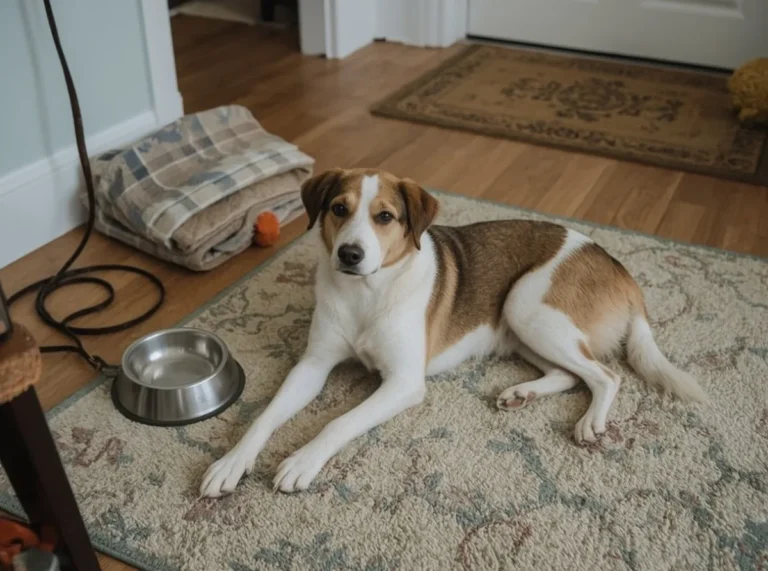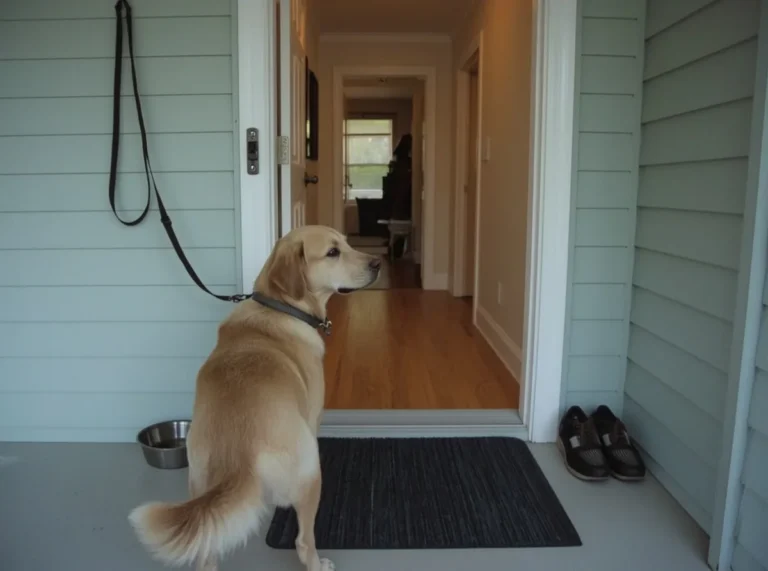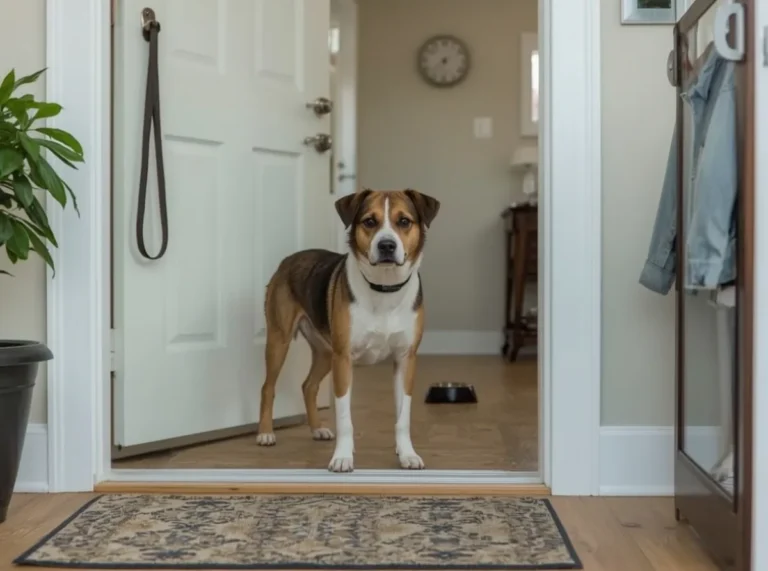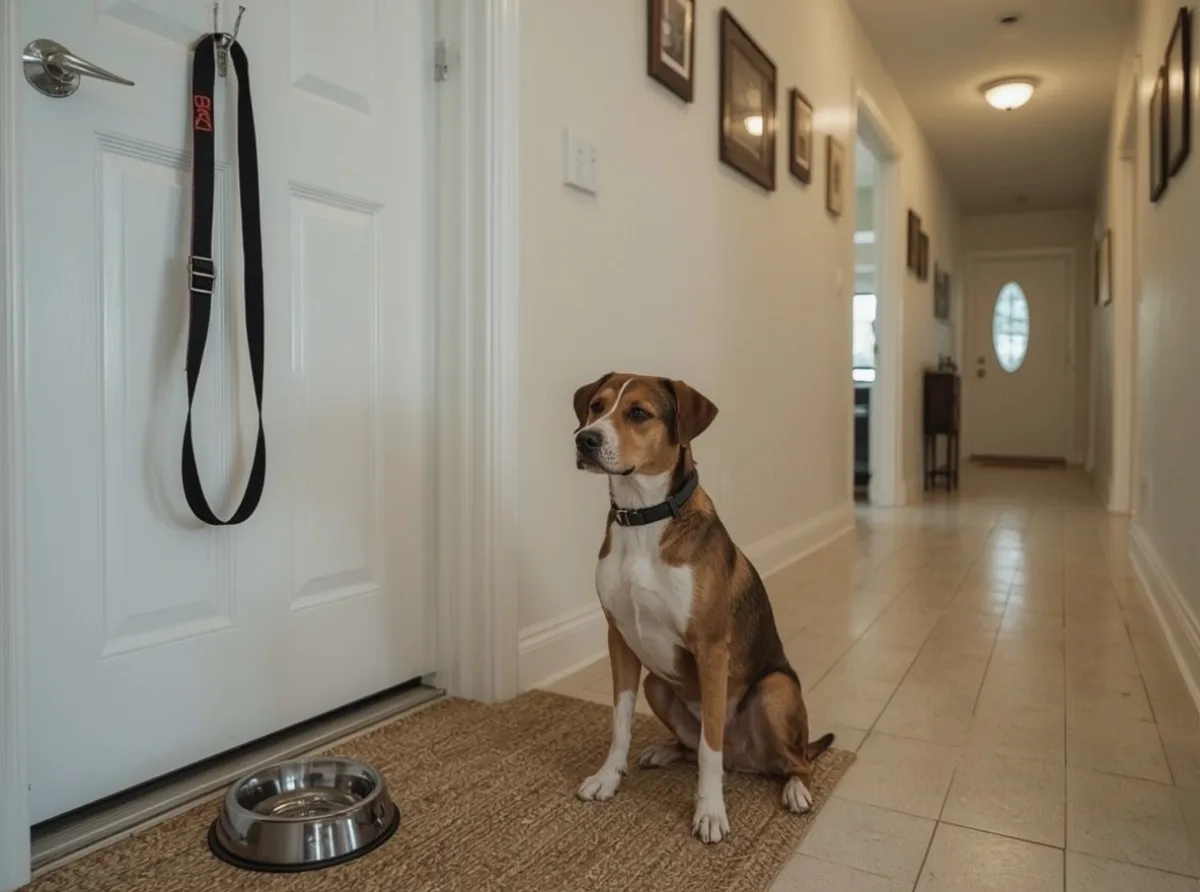
Some dogs seem to know the family calendar better than the people who made it. They wait by the door when the leash usually comes out, hover near the kitchen when breakfast is late, and start pacing when the house shifts into the usual pre-bed rhythm. It can look almost uncanny, but the behavior usually has very ordinary roots.
Dogs are creatures of pattern. They notice what happens before a walk, after a meal, or right before a car ride, and they build expectations around those moments. When a dog follows an owner’s schedule closely, it is often a sign that the dog has learned the structure of daily life extremely well and feels safer when the day unfolds in familiar ways.
That close tracking of time can show up as waiting in certain rooms, appearing at the same spot every morning, or becoming restless when a routine is delayed. In some dogs, it reflects attachment and confidence. In others, it points to anticipation, sensitivity, or even mild stress around change.
What the behavior looks like in everyday life
A dog that follows an owner’s schedule closely is usually not doing one single thing. The behavior tends to be made up of small habits that repeat around the clock. The dog may wake up at the same hour as the household, sit by the bedroom door before the alarm goes off, or line up at the back door a few minutes before the usual potty break.
Meal time often reveals it first. Many dogs begin to watch the kitchen, the food cabinet, or the person who usually feeds them long before the bowl appears. Others are more tuned to movement than clocks. If an owner puts on shoes every day before a walk, the dog may start responding to that cue rather than the actual time.
Here are a few common signs:
- Waiting near doors, crates, or feeding areas at the usual time
- Following the owner from room to room during regular transitions
- Standing up, stretching, or becoming alert when routine cues begin
- Restlessness if a normal event is delayed
- Settling down quickly when the expected activity finally happens
The key detail is consistency. Dogs rarely understand the clock itself, but they are excellent at learning the sequence of events that fills a day. They read body language, household sounds, and small environmental changes with impressive accuracy.
Why some dogs become highly schedule-aware
One reason is simple learning. If breakfast has happened at 7:00 every morning for months, the dog stops needing the clock. The dog only needs the usual cues that happen before breakfast. A person walking toward the kitchen, the sound of a drawer opening, or even the pace of footsteps can be enough.
Another reason is temperament. Some dogs are naturally more observant and more reactive to patterns. These dogs often notice tiny shifts in the home. They can tell when a person is about to leave, when the household is winding down, or when something in the routine feels off.
Breed tendencies may play a role, but they do not explain everything. Many working and companion breeds are attentive to human movement and routine, yet individual personality matters just as much. One dog may barely notice a schedule change, while another treats the same delay as a major disruption.
Attachment also matters. Dogs that are closely bonded to their owners often watch for daily rituals because those rituals are linked to security. The owner’s presence, tone, and sequence of actions can all become cues that help the dog predict what comes next.
A dog that follows a schedule closely is often reading routines, not time. The dog is tracking patterns, body language, and repeated daily events.
How anticipation shapes the habit
Not every schedule-focused dog is anxious. In many cases, the dog is simply excited and highly anticipatory. Anticipation is a strong part of canine behavior. Once a dog learns that certain actions reliably lead to a reward, the dog begins to prepare for them ahead of time.
This is easy to see around walks, meals, and play. If the leash always means the park, the dog may start circling, whining softly, or standing by the door before the leash is even picked up. The same can happen with dinner, car rides, or an owner’s evening return home.
That anticipation can become very precise. Some dogs respond to a sequence of events more than a specific time. For example, they may know that after the dishes are done, there is a short walk. When the dishes are delayed, they wait anyway because the pattern still feels incomplete.
In these dogs, closeness to the schedule often reflects excellent memory. They do not need many repetitions to learn the structure of the day. Once they do, they stay tuned in to it.
The role of environment and daily consistency
Dogs raised or living in highly consistent environments usually become stronger routine followers. A quiet home with repeated daily rhythms makes patterns easy to learn. A busy home can do the same thing, though the cues may be more complex.
Households with predictable feeding times, fixed walk schedules, and repeated evening rituals create strong behavioral expectations. Dogs living in these environments often seem very in sync with the family timetable because the timetable is stable enough to learn well.
On the other hand, irregular schedules can make some dogs more watchful. If meals arrive at different times, or if walk times shift from day to day, the dog may stay alert longer, waiting for the next cue. Some dogs adapt without much trouble. Others keep checking because they cannot rely on the day being structured the same way twice.
Stimulation level also shapes this behavior. A dog with enough exercise, mental activity, and social contact may follow a schedule in a calm, comfortable way. A dog that is under-stimulated may become more fixated on the next expected event because little else is happening to organize the day.
Daily factors that strengthen schedule-following
- Feeding at the same times every day
- Walks that follow a recognizable sequence
- Owners who work from home or keep a steady home routine
- Repeated cues like shoes, keys, coats, or food bowls
- Limited variation in the dog’s environment
In many homes, the dog is not “watching the clock” so much as living inside a very readable pattern. Repetition makes the pattern easy to remember.
Emotional reasons behind the behavior
Closeness to a schedule can reflect comfort, but it can also reflect emotional dependence. A dog that feels secure may use routine as a guide. A dog that feels uncertain may use the same routine as reassurance. The outward behavior can look similar, yet the emotional reason behind it may differ.
When the schedule is tied to important things like meals, walks, or the owner’s arrival, the dog may build a strong emotional expectation around those moments. If the routine happens on time, the dog settles. If it is delayed, the dog may become unsettled, vocal, or persistent.
Some dogs are especially sensitive to changes in mood and household energy. If the owner usually comes home relaxed at the same hour, the dog may begin waiting for that energy shift before the person even opens the door. These dogs often appear to know more than they actually do; in reality, they are reading the smaller signals that humans produce without noticing.
Separation-related attachment can also heighten schedule awareness. A dog that strongly tracks when a person leaves and returns may watch the day very carefully. In that case, the routine is not just about habit. It becomes part of the dog’s emotional map of safety and reunion.
When schedule-following comes with pacing, whining, clinginess, or trouble settling after delays, the behavior may be more than simple anticipation.
Subtle signals that often accompany the pattern
Dogs rarely announce schedule awareness with one dramatic action. The signs are usually quieter. Body language changes first, then movement, then vocalization if the expected event does not happen soon enough.
A schedule-focused dog may become more upright when the routine is approaching. Ears may lift, eyes may stay fixed on the owner, and the dog may reposition itself near the relevant spot in the house. A dog that is excited will often move with purpose. A dog that is tense may move in a more repetitive, unsettled way.
Subtle signals to watch for include:
- Repeated checking of doors, windows, or hallways
- Shifting between resting and alert postures
- Soft whining, sighing, or brief barking at expected times
- Licking lips, pacing, or circling when a routine is late
- Increased interest in the owner’s movements and hands
The difference between healthy anticipation and stress often shows up in how the dog behaves once the routine is over. A calm dog usually relaxes afterward. A stressed dog may stay keyed up or struggle to settle back down.
How owners sometimes misread the behavior
It is easy to assume a dog that tracks a schedule closely is being stubborn or demanding. Sometimes that is partly true in the everyday sense that the dog has learned what usually happens next and wants it to happen now. But the deeper picture is usually simpler and more interesting.
Many owners interpret the behavior as a sign that the dog is trying to control the household. More often, the dog is trying to predict it. Predictability is comforting. A dog that knows what comes next does not have to remain on guard as much.
Another common misunderstanding is to treat all schedule-following as anxiety. Some dogs are just highly observant and thrive on repetition. They can be very attached, very alert, and still perfectly relaxed. Their behavior is organized, not distressed.
Context matters. A dog that calmly waits by the door ten minutes before the walk is displaying learned routine. A dog that becomes frantic, cannot eat, or struggles to rest if the timing changes may be showing a stronger emotional response that deserves attention.
What different routines reveal about the dog
Not every schedule is equally important to the dog. Some routines are practical. Others are emotionally loaded. The dog’s reaction often shows which is which.
| Routine | Common behavior | Possible meaning |
|---|---|---|
| Morning wake-up | Waiting near the bed or door | Learned sequence, excitement, need to go out |
| Meal time | Watching the kitchen, pacing, sitting nearby | Strong anticipation, food routine memory |
| Owner departure | Following, watching keys, resting near exit | Attachment, routine recognition, possible worry |
| Evening wind-down | Settling near the couch or bedroom | Comfort with predictable closure to the day |
| Walk time | Leash focus, door watching, alert posture | High-value expectation, pattern learning |
A dog that follows one part of the schedule more closely than others is revealing what matters most. For many dogs, meals and walks create the strongest expectations. For others, the owner’s arrival home carries the most emotional weight.
How life stage can influence schedule tracking
Puppies often become schedule-aware quickly because their whole day is built around repetition. They learn meal times, crate breaks, naps, and attention patterns in a short period. Their behavior can look intense simply because everything is still new and highly structured.
Adult dogs usually show the behavior with more consistency. By then, they have learned which parts of the day matter most. A mature dog may seem almost clock-like, but that precision usually comes from years of observation and reinforcement.
Older dogs can become even more routine-dependent, especially if their surroundings stay stable. Familiar patterns may help them conserve energy and reduce confusion. In some aging dogs, schedule-following becomes stronger because change feels less comfortable than it once did.
The same dog may also change over time depending on life events. A move, a new work schedule, a change in the family structure, or a period of less exercise can all shift how tightly the dog tracks the day. What looks like a personality trait is sometimes a response to how predictable life feels at the moment.
When the behavior becomes more noticeable
Schedule-following tends to stand out in homes where the dog spends a lot of time watching the same people do the same things. Work-from-home households often notice it clearly. So do families with rigid routines around feeding, exercise, and bedtime.
It also becomes more visible when the dog is especially bonded to one person. In those cases, the dog may orient around that person’s habits rather than the entire household. The owner’s shower, coffee routine, work break, or commute timing may become the dog’s personal timetable.
Travel, holidays, weekends, and daylight-saving shifts can make the behavior more obvious too. When the familiar pattern is disturbed, the dog’s expectation shows through in restlessness or repeated checking. The routine was there all along. Disruption simply makes it visible.
In some homes, the behavior seems stronger because the dog has very little competing activity. A dog with few toys, little outdoor time, or limited mental engagement may lean heavily on routine because the routine is the most interesting structure available.
What long-term consistency tells us
Dogs that follow a schedule closely over months or years are often showing a stable relationship with their environment. They have learned what the day means and have little reason to question it. That can be a sign of comfort, adaptation, and strong memory.
Still, consistency can mean different things in different dogs. In one dog, it may reflect a relaxed and organized temperament. In another, it may reflect a need for reassurance. The behavior itself does not tell the full story unless it is viewed alongside energy level, relaxation after the routine, and how the dog responds to change.
Dogs are good at living by patterns because patterns make the world easier to predict. In a human household, that skill often looks like impressive timing. In reality, it is a blend of learning, sensitivity, and the emotional value of predictable daily events.
A dog’s attachment to routine is often less about obedience to time and more about trust in what usually happens next.
That trust can be quiet and healthy. It can also be intense and fragile. The difference shows up in the dog’s body, not just in the schedule.
Some dogs glance at the clock of the house and move on. Others build their day around it. In both cases, the dog is reading the rhythm of home with remarkable care, and that rhythm becomes part of how the dog understands safety, expectation, and connection.