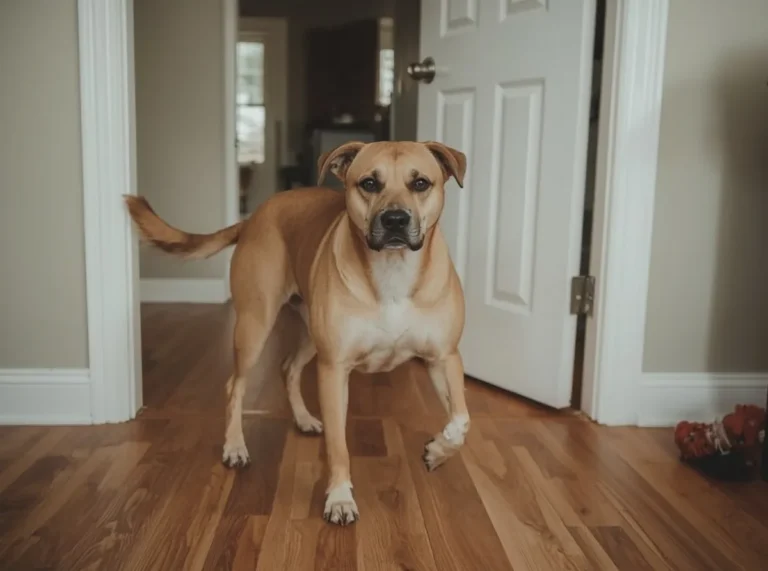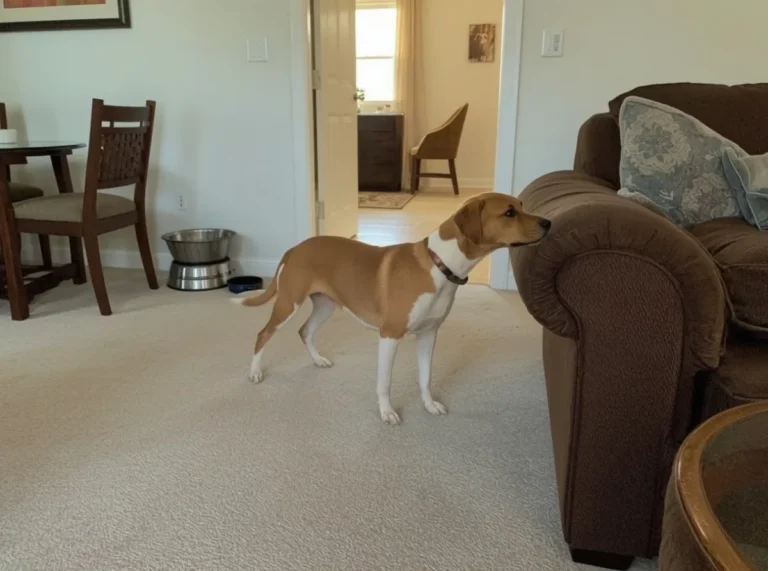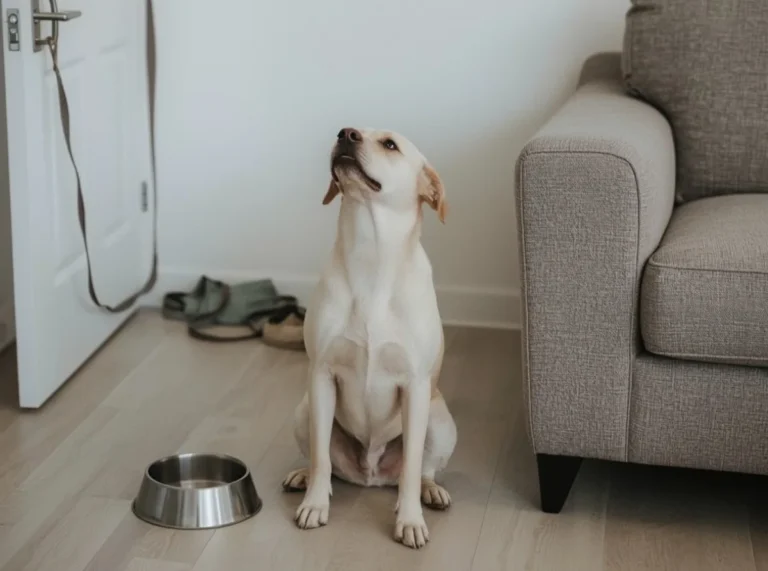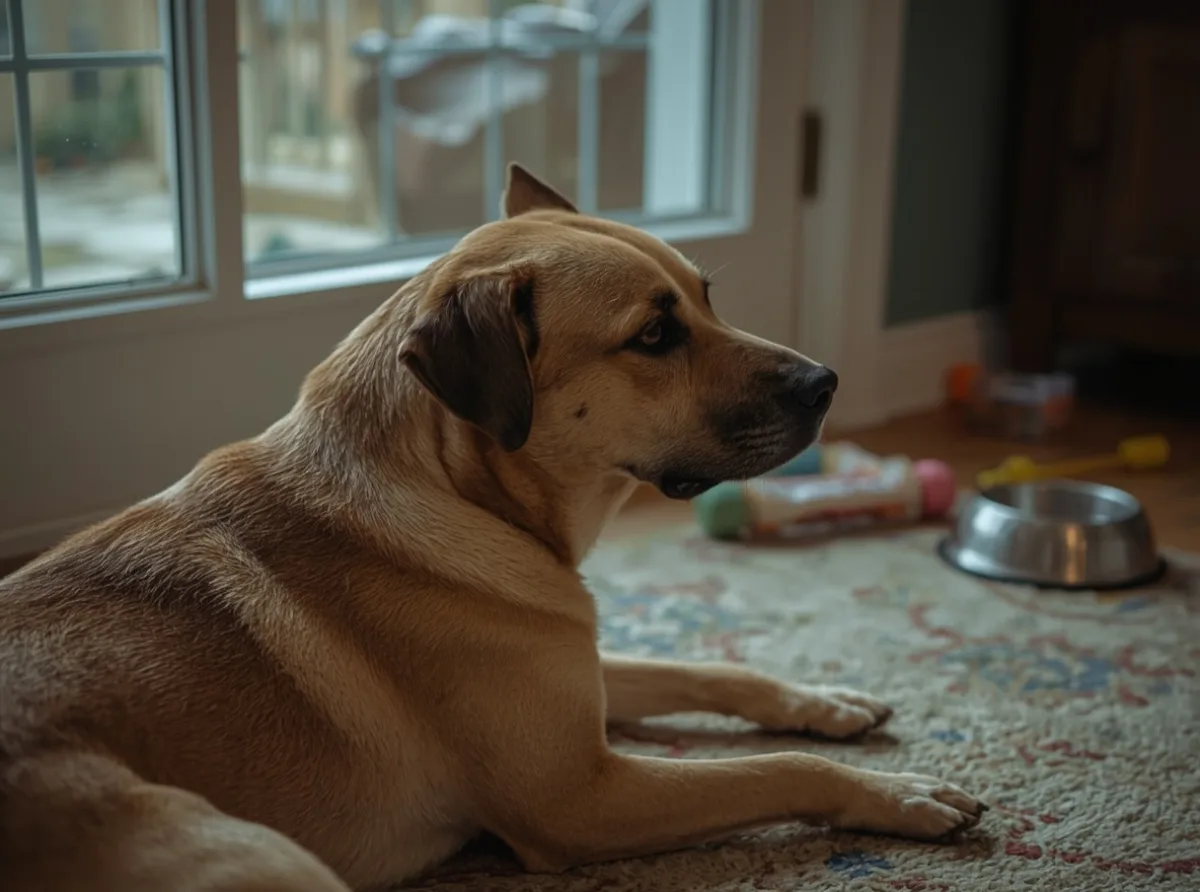
A dog’s ears can move like small, expressive signals, and repeated ear turning often catches an owner’s attention fast. One moment the ears are forward, then one twists back, then both shift again as if the dog is listening to several things at once. That movement is not random. It usually means the dog is processing sound, emotion, or what is happening nearby.
Sometimes the reason is simple. A dog may be hearing a noise behind the couch, tracking a voice from another room, or responding to a subtle change in the environment. Other times, the ears turn because the dog feels uncertain, mildly stressed, or conflicted. The rest of the body usually gives helpful clues.
Dogs rarely use ear movement alone to communicate. The ears work with the eyes, mouth, posture, tail, and overall energy. When you learn to read those small combinations, the behavior becomes much easier to understand.
What Ear Turning Looks Like in Everyday Life
Dogs turn their ears in many ordinary situations. A dog might flick both ears toward the kitchen when a food wrapper opens. Another dog may keep one ear angled back while walking through a busy park, trying to stay aware of the owner’s voice and the sounds behind it. Some dogs move their ears so often that the motion becomes part of their normal alert expression.
In daily life, this behavior can look subtle or very obvious. A relaxed dog may rotate the ears slightly as sounds change around the house. A more sensitive dog may keep shifting ear position whenever someone walks by, a door closes, or a new smell drifts into the room. The movement itself matters less than the pattern around it.
Ear turning can also show up when a dog is deciding how to respond. The dog hears something, pauses, turns an ear, then turns it again as if weighing whether the sound is important. That moment of checking in is normal. It is part of how dogs gather information before they act.
If the ears are turning but the body stays loose, the dog is often just paying attention. If the ears turn together with tension, stillness, or avoidance, the meaning changes.
Simple Reasons a Dog Keeps Turning Its Ears
The most common explanation is sound. Dogs hear a wider range of noises than people do, and their ears are designed to locate where those sounds come from. Turning the ears helps them isolate direction, distance, and movement. A dog may seem to be “searching” for the source because that is exactly what is happening.
Attention is another simple reason. Dogs often turn their ears toward the person who is speaking, a toy being squeaked, or a treat bag being touched. If several sounds are happening at once, the ears may keep shifting as the dog tracks each one. This is especially common in busy homes where a lot happens at the same time.
Physical comfort can also play a role. A dog may adjust the ears to relieve pressure, respond to itchiness, or react to minor irritation from wind, moisture, or debris. If the behavior is paired with head shaking, scratching, or frequent pawing at the ears, it deserves more attention.
Common everyday triggers
- A voice calling from another room
- Appliances starting or stopping
- Food preparation sounds
- Other pets moving nearby
- Outdoor traffic, birds, or neighbors
- Sudden silence after a loud sound
What the Behavior May Say About the Dog’s Emotional State
Ear movement often reflects emotion as much as hearing. A calm dog may turn its ears gently without looking bothered. A cautious dog may rotate the ears repeatedly while the body becomes still and compact. In those cases, the dog is not necessarily scared, but it is evaluating the situation carefully.
When a dog turns its ears back and forth while also glancing away, lip-licking, yawning, or lowering the body, the behavior can point to uncertainty. The dog may be trying to avoid conflict, reduce attention, or figure out what is expected. This is common in unfamiliar settings or around people and animals the dog does not know well.
Excitement can look similar, though the whole body usually feels different. An excited dog may turn the ears toward a sound and then spring forward, wag, or shift weight with loose energy. The ear motion is still about attention, but the emotional tone is more playful or eager than worried.
Repeated ear turning is most meaningful when you read the whole dog, not just the ears. A loose mouth and soft body suggest something very different from a tense spine and fixed stare.
How Body Language Changes the Meaning
The same ear movement can mean different things depending on posture. A dog standing evenly on all four feet, with a relaxed tail and soft eyes, is usually just listening. Another dog with the same ear movement may be frozen, leaning away, and holding its breath. That second picture points more toward stress or discomfort.
Look at the face first. Are the eyes soft or hard? Is the mouth open naturally or closed tight? Are the eyebrows relaxed or pulled forward? Ear turning becomes easier to understand when it is matched with these details.
The tail matters too. A loose, neutral tail often supports a calm reading. A stiff tail, tucked tail, or tail that moves in short sharp motions can mean the dog is more guarded. The ears may be reacting to a sound, but the body will show whether the dog feels safe about it.
Helpful combinations to notice
- Loose body + ear turning: normal listening
- Still body + rotating ears: careful attention or uncertainty
- Ear turning + head shaking: possible irritation or ear discomfort
- Ear turning + avoidance: possible stress or social discomfort
- Ear turning + forward movement: interest or anticipation
How Environment and Routine Influence Ear Turning
A dog in a quiet home may turn its ears less dramatically because the sound landscape is predictable. In a busy household, the ears may stay active all day. Doors open, phones ring, people move from room to room, and other pets make small noises. Some dogs remain relaxed in that setting, while others keep checking every shift in sound.
Routine also matters. Dogs that know when walks, meals, and rest time happen often settle into a calmer rhythm. Their ears still move, but the behavior is usually less restless. Dogs with irregular schedules may stay more vigilant because they cannot predict what comes next.
Stimulation affects ear movement in a different way. A dog that is under-exercised or mentally understimulated may become extra sensitive to every little noise. The ears may keep turning because the dog has too much spare attention and nowhere steady to put it. On the other hand, a dog with enough activity and rest may react to sounds, then move on quickly.
Environment shapes how often a dog checks the world through its ears. The same dog can seem calm in one room and highly reactive in another.
When Ear Turning Is Part of Communication
Dogs use their ears socially. They turn them toward familiar voices, soften them during friendly moments, and angle them back when they want space. That movement can be directed at people, other dogs, or even the atmosphere in the room. It is one way dogs show they are engaged without making a bigger display.
With people, ear turning often happens during conversation, training, feeding, or play. The dog may shift one ear toward the owner and keep the other moving toward household noise. This can look indecisive, but it is usually just a sign that the dog is balancing attention between several things.
With other dogs, the ears may change quickly depending on the tone of the interaction. Friendly play often comes with relaxed, mobile ears. Tension can bring ears back, sideways, or pinned, especially if the dog feels cornered or uncertain. The ears become part of a larger conversation that includes distance, stance, and movement speed.
When It May Signal Stress, Discomfort, or Overload
Not every ear turn is harmless. If the behavior becomes frequent and seems tied to certain situations, it may be a sign that the dog is uncomfortable. A dog that keeps turning its ears while also pacing, avoiding eye contact, or freezing in place may be struggling with stress. The ears are trying to gather information because the dog does not feel fully settled.
Overload is another possibility. Busy settings, unfamiliar visitors, loud construction, or strong household activity can create sensory pressure. A dog may keep turning the ears because it cannot find a comfortable point of focus. The dog is not being stubborn. It is trying to manage too much input at once.
Some dogs also turn their ears when they are anticipating something they dislike, such as medication, a bath, or a loud appliance. The behavior can appear before anything else happens. That early warning is useful, because it shows the dog is already bracing for the event.
Signs the ears may be part of a stress response
- Body held very still
- Eyes wide or averted
- Tail tucked or rigid
- Yawning, lip licking, or panting without heat
- Reluctance to move toward the trigger
- Repeated ear flattening or rapid ear swiveling
When Physical Ear Issues Need to Be Considered
If a dog keeps turning its ears and also scratches at them, shakes the head, or seems sensitive when the ears are touched, discomfort inside the ear may be involved. Ear infections, wax buildup, allergies, foreign material, and ear mites can all irritate a dog enough to make the ears move more often. In those cases, the behavior is not primarily about attention or emotion.
A dog with an ear problem may also tilt the head, hold one ear differently from the other, or rub the ear against furniture or the floor. Sometimes the dog keeps adjusting the ear because it cannot get relief. That pattern is worth taking seriously, especially if it continues for more than a day or two.
Frequent ear turning alone does not prove a health issue. But when the behavior is new, persistent, or paired with odor, discharge, redness, or pain, it should not be ignored. Ears are easy to overlook until they start bothering the dog enough to change behavior.
Differences Between Puppies and Adult Dogs
Puppies often turn their ears constantly because everything is new. Their hearing is developing along with their confidence, and they notice sounds without always knowing what those sounds mean. In a young dog, ear turning may look exaggerated, uneven, or clumsy. That is part of learning.
Adult dogs tend to show more patterned ear movement. A mature dog may turn the ears in response to specific triggers the owner already recognizes, such as the mail carrier, the treat drawer, or a car door outside. The movement may become quicker and more economical with age, because the dog has learned what matters.
Older dogs can show more ear movement too, especially if hearing changes or the environment becomes more confusing. A senior dog may keep turning the ears as it tries to locate sounds that are harder to interpret. If the behavior appears along with disorientation or reduced response to familiar cues, hearing changes could be part of the picture.
How Owners Often Misread the Behavior
One common mistake is assuming that ear turning always means the dog is upset. That is not true. Many dogs simply use their ears to listen carefully, especially in active homes. Another mistake is assuming it always means pain. While ear problems can cause the behavior, most ear turning is ordinary communication or attention to sound.
People also miss the context. A dog turning its ears during a walk may be alert to traffic or wildlife. The same dog turning its ears in the vet clinic may be nervous. The movement is similar, but the surrounding clues change the meaning.
It is also easy to focus only on one moment. Dogs often communicate in small bursts. An ear turn, a glance, and a shift in weight may happen in seconds. Looking at the sequence gives a more useful answer than freezing one frame in isolation.
The ears may be the first thing you notice, but they are rarely the only thing the dog is saying.
What Long-Term Patterns Can Reveal
If a dog keeps turning its ears in one type of situation and not in others, that pattern is informative. A dog that does it only when someone approaches the food bowl may feel guarded about resources. A dog that does it only during thunderstorms may be sensitive to sudden noise. A dog that does it constantly in a busy household may simply be overwhelmed by too much input.
Long-term observation helps separate habit from reaction. Some dogs are naturally expressive and keep their ears moving as part of their normal listening style. Others become more vigilant after a change in routine, a move to a new home, or an event that made the environment feel less predictable. The history matters as much as the current moment.
Consistency matters too. If the dog’s ear turning has stayed the same for years and the dog otherwise seems healthy and relaxed, it may just be part of that dog’s personality. If the behavior has changed noticeably, or if it comes with new signs of discomfort, the context deserves more attention.
Reading the Behavior in Real Life
A dog turning its ears while lying on the couch may be listening to something outside and checking whether it matters. A dog turning its ears during a walk may be balancing the owner’s voice with traffic, birds, and other dogs. A dog turning its ears in the car may be responding to road noise, vibrations, and anticipation of arrival. None of these situations mean the same thing automatically.
What matters most is the dog’s overall pattern in the moment. Is the dog free to relax after the sound passes, or does the ear movement continue with tension? Does the dog move toward curiosity, or does it withdraw? Does the behavior fade once the trigger is gone, or does it keep building?
Those answers make the difference between ordinary listening, mild concern, and something worth following up on. A dog’s ears rarely lie, but they do need context.
When a dog keeps turning its ears, the behavior is usually a mix of hearing, attention, and emotion. Sometimes it simply means the dog is alert and aware. Other times it points to uncertainty, overstimulation, or physical discomfort. The more you notice the rest of the body, the easier it becomes to tell which one is happening.
Dogs do not turn their ears for no reason. They are tracking the world in real time, adjusting moment by moment. That small movement can say a lot, especially when it keeps happening in the same places, around the same sounds, or alongside the same body language.