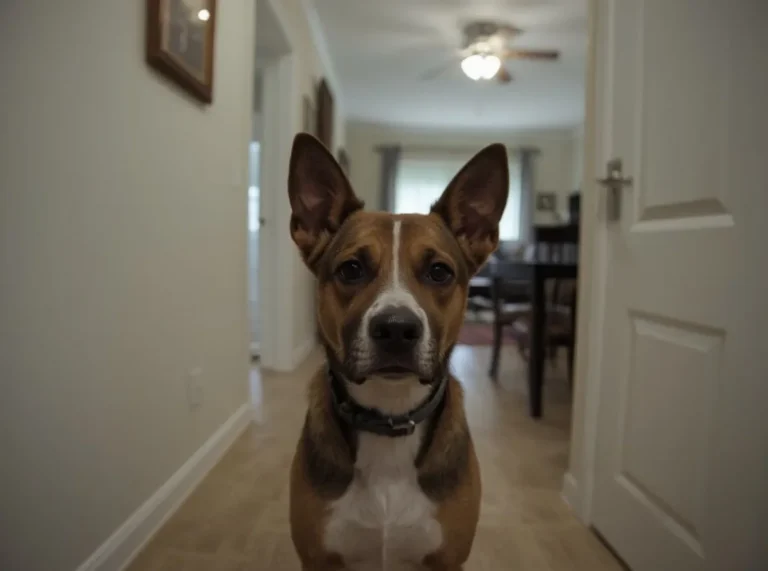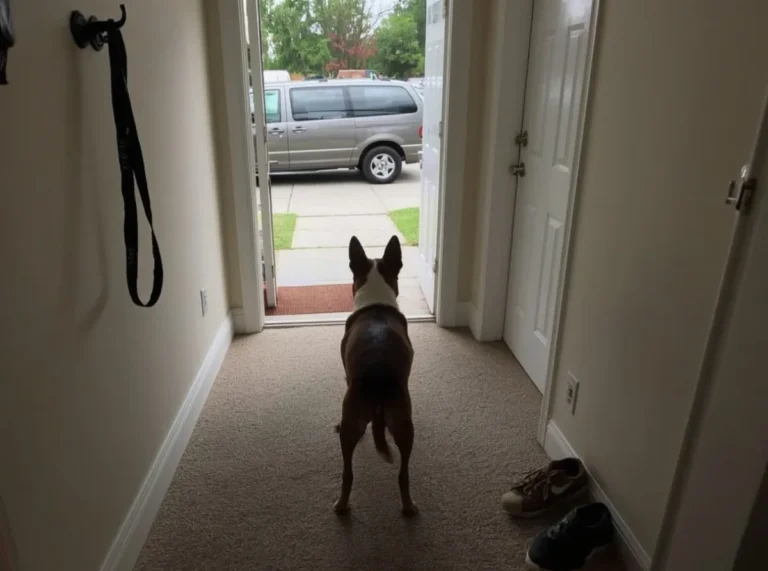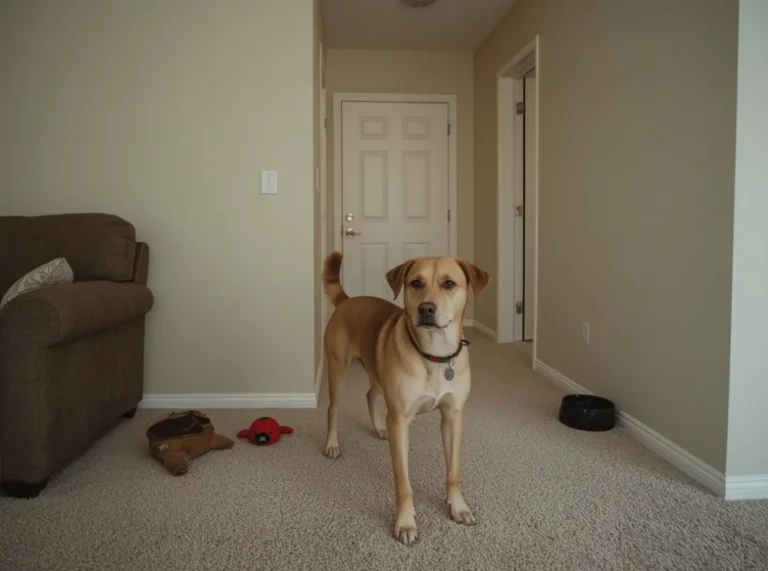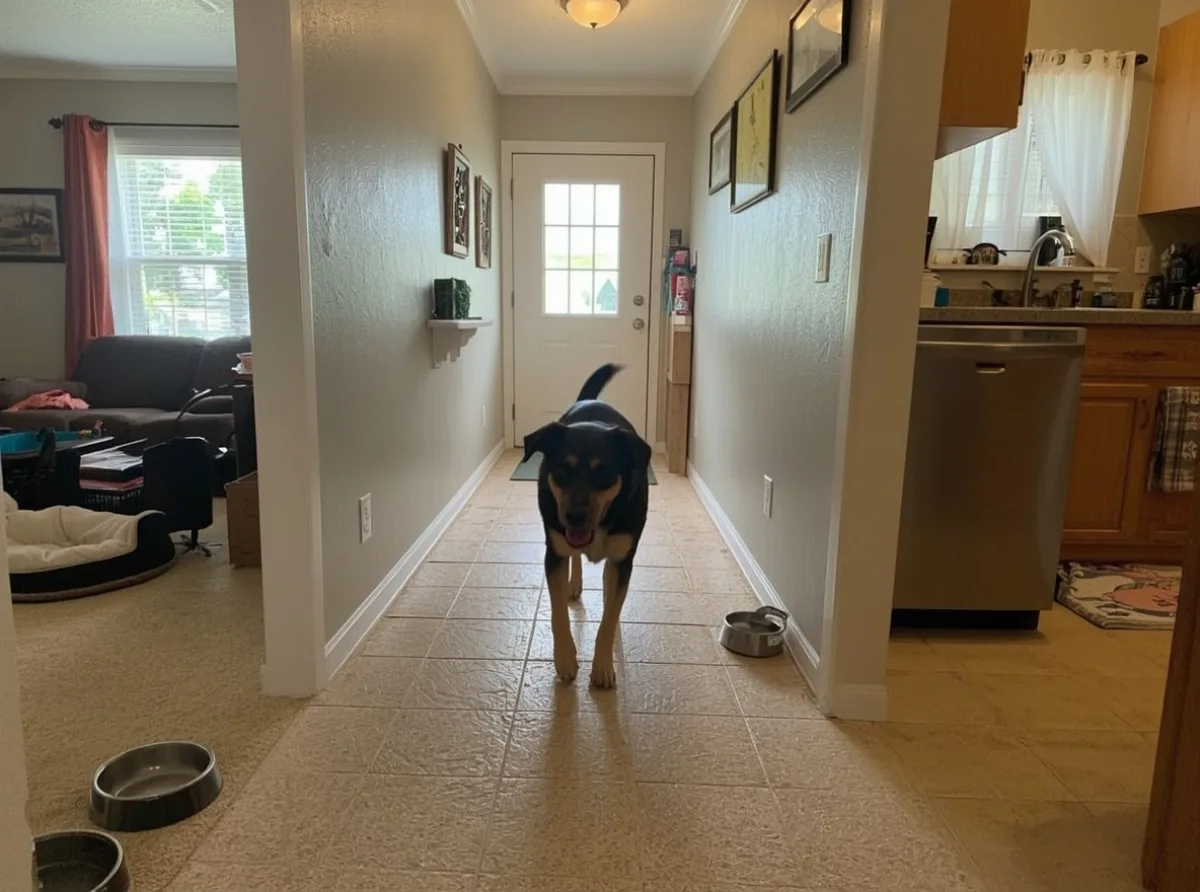
A dog that keeps moving around the house can seem restless, curious, or simply hard to settle. Sometimes the behavior is ordinary and easy to overlook. Other times it happens so often that it starts to feel like a message the dog is trying to send.
What matters is not just the walking itself, but the pattern around it. A dog pacing from room to room, circling the couch, checking doors, or following one person and then drifting away may be responding to comfort, boredom, anticipation, anxiety, or a change in the home environment. The meaning depends on timing, body language, and how long the behavior lasts.
Some dogs move around the house because they have energy to burn. Others do it when they are waiting for something, trying to stay close, or looking for a place that feels right. In many homes, this behavior appears in small bursts and then fades. In others, it becomes a daily habit that deserves a closer look.
What the Behavior Can Look Like in Daily Life
Dogs do not always move around the house in a dramatic or obvious way. The behavior can be subtle. A dog may get up every few minutes, walk to the kitchen, return to the living room, and lie down for a short time before repeating the pattern. Another dog may pace the hallway, inspect windows, shift between beds, or follow people from room to room without ever fully settling.
It is also common to see different patterns at different times of day. Some dogs become more active in the evening, especially if the house quiets down and there is less to do. Others move around after meals, before walks, or when they sense that something in the routine is about to happen.
Here are a few everyday versions of the behavior:
- slow pacing between favorite resting spots
- restless walking near doors or windows
- checking on people in different rooms
- getting up repeatedly after lying down
- circling and then moving away without settling
- wandering with no clear destination
These versions do not all mean the same thing. A dog that is checking the front door after hearing footsteps outside is behaving differently from a dog that paces for half an hour in a quiet room. The context gives the movement its meaning.
When a dog keeps moving around the house, the key question is not “Why is my dog walking?” but “What changes when this happens?”
Possible Emotional Reasons Behind the Behavior
Many dogs move around because their internal state is shifting. That does not always mean something is wrong. Dogs use movement to manage energy, attention, and discomfort. Sometimes walking helps them sort through excitement. Sometimes it helps them cope with uncertainty.
Restlessness can show up when a dog feels anticipatory. If dinner is late, a walk is expected, or guests are arriving, a dog may drift from room to room because the body is ready but the event has not happened yet. The movement is a release valve for built-up expectation.
Other dogs move around when they feel uneasy. They may not be panicked, but they are not fully relaxed either. The dog might keep changing locations, avoiding full rest, or staying near exits. In these cases, the behavior can be connected to mild stress, noise sensitivity, changes in routine, or a home that feels too unpredictable at the moment.
Attachment can also play a role. Some dogs follow their people simply because being near them feels reassuring. This is especially common in dogs that are socially oriented or have learned that movement through the house usually leads to interaction, food, or activity.
Common emotional drivers
- anticipation of a routine event
- general excitement
- mild anxiety or uncertainty
- need for closeness and reassurance
- frustration from low activity or missed expectations
A dog may also move around more when the household mood changes. A busy, loud day can make some dogs restless. A very quiet day can do the same if the dog is used to more stimulation. The behavior often reflects a balance problem rather than a single strong emotion.
How Environment, Routine, and Stimulation Influence It
The home environment has a major effect on whether a dog settles easily or keeps roaming. A dog in a predictable household with regular exercise and clear daily patterns may still move around sometimes, but the behavior usually has a clear trigger. In a home with inconsistent routines, it can become more frequent and less easy to interpret.
Dogs notice the flow of the house. They know when people are waking up, getting ready, cooking, leaving, or returning. If the day is structured, the dog’s movement often follows that structure. If the day is irregular, the dog may spend more time checking in, waiting, and moving from one place to another.
Stimulation matters as well. A dog with too little activity may pace simply because there is not enough to occupy the mind and body. A dog with too much stimulation may also wander because it has trouble settling after all the input. In both cases, movement can be a sign that the dog has not reached a comfortable state.
Household layout can encourage the behavior too. Open floor plans, lots of window access, frequent hallway traffic, or noisy appliances can keep a sensitive dog in motion. Some dogs prefer to keep relocating to find the most comfortable temperature, surface, or level of quiet.
Environmental factors that often matter
- inconsistent daily schedule
- lack of exercise or mental activity
- frequent noise or movement in the house
- changes in sleeping arrangements
- access to doors, windows, or high-interest areas
- temperature, light, or comfort differences between rooms
Sometimes the issue is not the dog’s temperament at all. A dog that moves around every evening might simply be looking for a cooler floor, a softer bed, or a room with less noise. Small physical preferences can shape a whole pattern of motion.
If a dog seems unable to settle, look first at the rhythm of the home. The environment often explains the behavior before emotion does.
Subtle Signals That Often Come With the Movement
The way a dog moves can be more revealing than the fact that it is moving. A relaxed dog usually walks with loose muscles, a soft face, and easy transitions between spaces. A more stressed dog may move quickly, stop often, scan the room, or keep returning to the same spots.
Body language can help separate ordinary wandering from something more meaningful. A dog that is simply curious may sniff, stretch, settle, and then move on. A dog that is uneasy may hold its tail low, keep its ears back, or have a tight mouth. The eyes may stay wide, or the dog may seem unable to choose one place to rest.
Watch for these common signs alongside the movement:
- repeated yawning when not tired
- pacing near exits or people
- frequent looking around the room
- licking lips or swallowing without food
- stiff or abrupt turns
- choosing a resting spot, then leaving quickly
A dog can also appear clingy while moving. It may follow closely, wait at the edge of a doorway, and keep repositioning as people move around. That kind of behavior can be affectionate, but it can also signal uncertainty about being left alone, even briefly.
Not every restless dog is distressed. Some are simply energetic, especially younger dogs and certain active breeds. The difference is usually in the quality of the movement. Relaxed movement looks fluid. Concerned movement looks unfinished, repetitive, or tense.
Why Owners Often Misread It
It is easy to assume that a dog moving around the house is being needy, disobedient, or overly dramatic. In reality, the behavior often has a practical cause. Dogs are not always trying to make a statement. They may be trying to regulate themselves, find comfort, or stay aware of what is happening around them.
Owners sometimes think a dog is being stubborn when it refuses to lie down. But a dog that keeps changing position may not feel physically comfortable enough to stay put. Age, joint stiffness, digestive discomfort, temperature, or a noisy environment can all affect settling.
Another common misunderstanding is to see all pacing as anxiety. While anxiety can be part of the picture, it is not the only explanation. Excitement, boredom, habit, and anticipation can create a similar-looking pattern. That is why the rest of the dog’s behavior matters so much.
Some dogs also learn that moving around gets attention. If pacing leads to petting, talking, treats, or being taken outside, the behavior can become part of a learned loop. That does not mean the dog is manipulating anyone. It means the pattern has become useful to the dog in some way.
When the Behavior May Point to Something Deeper
There are times when a dog’s constant movement deserves closer attention. If the behavior is new, sudden, intense, or tied to other changes, it may reflect a physical issue or a stronger emotional one. A dog that cannot settle at night, pants while pacing, or seems disoriented should not be written off as merely energetic.
Look carefully if the behavior comes with:
- loss of appetite
- changes in sleep
- restlessness after meals or at night
- whining, trembling, or hiding
- reduced interest in normal activities
- stiffness, limping, or reluctance to lie down
Older dogs may move around more because of cognitive changes, discomfort, or vision and hearing shifts. They may appear unsettled in familiar spaces and keep relocating without a clear reason. Younger dogs, on the other hand, may move constantly because they have not yet learned how to relax in the house.
A behavior that changes suddenly is more important than one that has always been part of the dog’s normal routine.
How Age and Life Stage Affect the Pattern
Puppies often move around because the world is new and their attention changes quickly. They may dash from room to room, stop to investigate, and then move again. Their restlessness often comes from a mix of curiosity, low impulse control, and bursts of energy that arrive without warning.
Young adult dogs may keep moving when they need more exercise, more direction, or more practice settling indoors. This age group can look especially restless in homes where activity levels do not match the dog’s needs. Some dogs never learn to switch from outdoor energy to indoor calm unless the routine supports that transition.
Middle-aged dogs may become more selective. They often settle better than puppies, but they can still roam when something in the home changes. A new pet, a schedule shift, or even different furniture placement can affect how they move through the house.
Older dogs may show a different pattern altogether. They may rise more often, wander at night, or seem unable to find a comfortable spot. Sometimes this is simple stiffness. Sometimes it is connected to age-related confusion. The behavior can become more noticeable in quiet hours when the dog has fewer distractions.
What the Pattern Can Reveal Over Time
One day of pacing does not tell much. A repeated pattern tells more. If a dog moves around the house only when the mail arrives, during thunderstorms, or before dinner, the trigger is probably easy to identify. If it happens across many situations, the cause may be broader.
Long-term patterns often reveal whether the movement is linked to a single event or to the dog’s general state in the home. A dog that is calm most of the day but restless when the household gets loud may be sensitive to noise. A dog that wanders constantly throughout the week may need more structure, more rest, or a check for discomfort.
Owners often notice that the behavior becomes more predictable after they start paying attention to timing. The dog may move most after naps, when the family eats, or when a certain person comes and goes. These details matter because they show how the dog experiences the day.
Keeping mental notes can help without turning the home into a project. Notice:
- what time the movement starts
- what happens just before it
- whether the dog can settle afterward
- what rooms the dog prefers
- whether the behavior changes with weather, guests, or routine
Natural Instincts That Feed the Behavior
Some of this movement is simply part of how dogs operate. Dogs are social, alert, and responsive to change. They are also creatures of habit, which means they notice when a routine is off. Moving around the house helps them monitor the environment, stay connected to their people, and choose a resting place that feels right.
That is why the behavior can look very different from one dog to another. A watchful dog may pace near the front door. A social dog may trail the family from room to room. A sensitive dog may keep switching spots until the house feels settled. The same outward action can come from different internal needs.
The modern home can amplify these instincts. Dogs live in spaces filled with doors, schedules, appliances, windows, sounds, and shifting human activity. A dog does not just “relax” in that setting automatically. It often has to figure out when movement is useful and when stillness is safe enough.
Movement inside the house is often less about wandering and more about information gathering.
What to Notice Without Overthinking It
Not every dog that keeps moving around the house needs intervention. Many dogs have a normal rhythm of short bursts of activity followed by rest. The useful question is whether the behavior fits the rest of the dog’s life.
If the dog eats well, sleeps normally, enjoys walks, and settles after brief movement, the pattern may simply be part of its temperament. If the dog seems unable to relax, becomes increasingly restless, or starts moving in ways that are new and repetitive, the pattern deserves more attention.
It helps to think in terms of comfort, not control. A dog that keeps changing rooms may be trying to tell you the house feels too active, too quiet, too warm, too noisy, or too uncertain. The answer is not always to stop the movement. Sometimes the better response is to adjust the conditions that make settling difficult.
In a calm home, a dog that moves around may still be doing something meaningful. It may be checking on its people, tracking changes in the environment, or searching for the one place where rest finally feels easy. When the behavior is read in context, it becomes easier to understand what the dog is balancing and why the movement keeps happening.
That balance is usually the real story: energy and rest, connection and independence, comfort and vigilance. A dog that keeps moving around the house is often trying to find the right point between them.