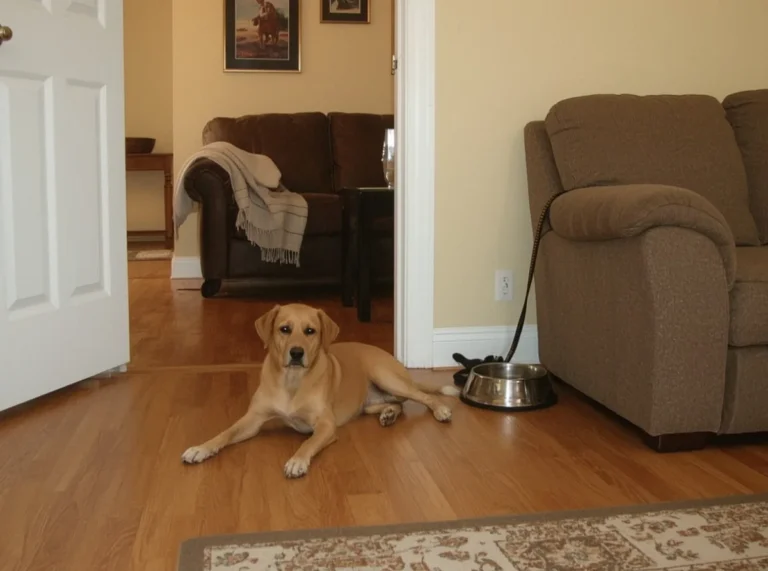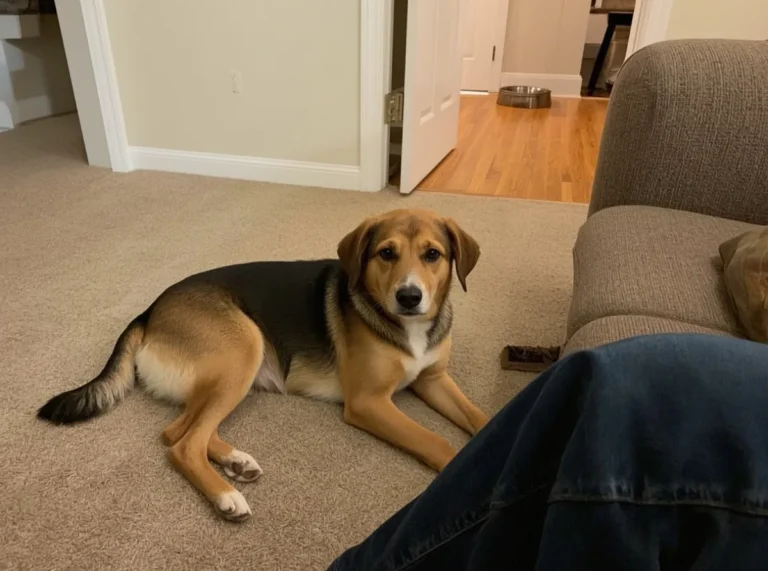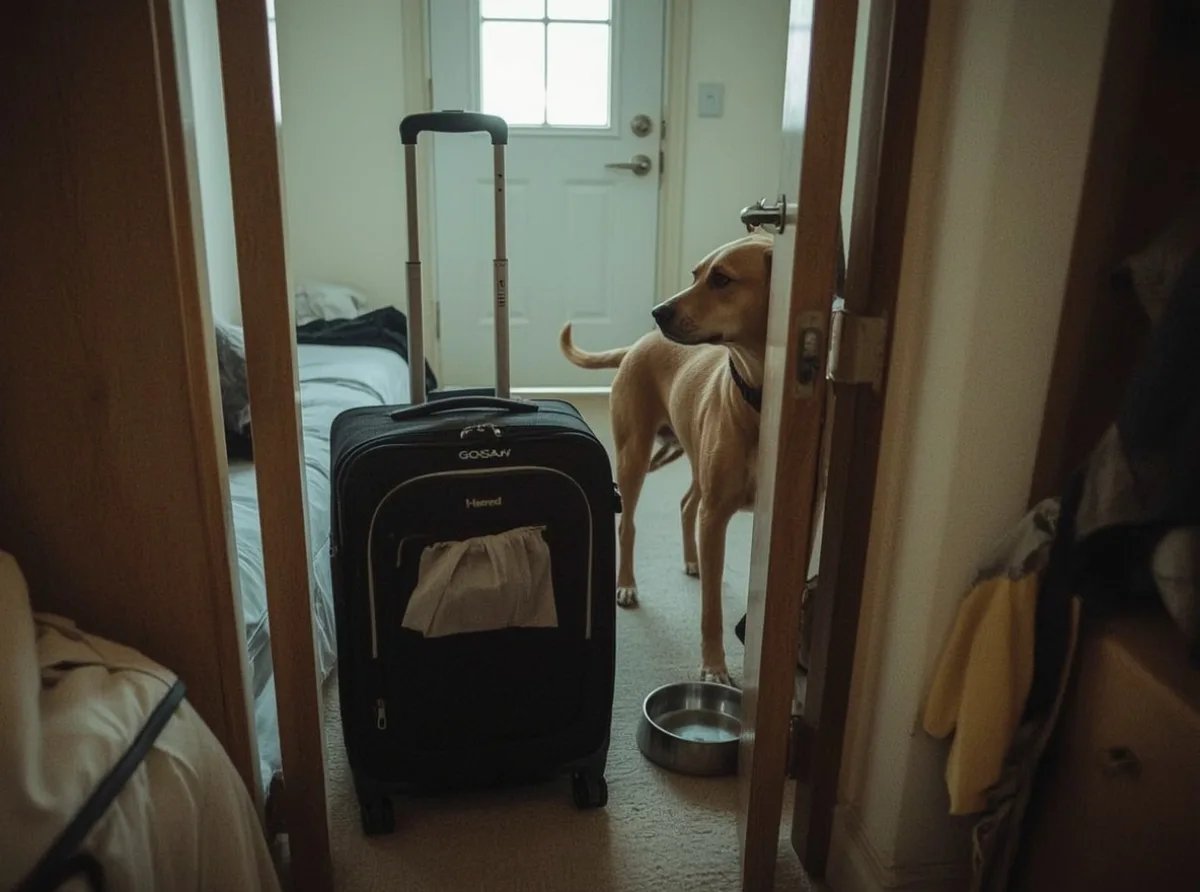
When a dog enters a new place, it often does not spread out right away. Instead, it may hover near a person’s feet, follow from room to room, or choose a spot that keeps the nearest human within view. That close attention can look like clinginess, but in many cases it is simply a dog trying to make sense of unfamiliar surroundings.
New environments can be full of strange smells, unusual sounds, different floor textures, and unfamiliar movement. A dog that stays close is often looking for stability while it gathers information. The behavior is usually less about being “needy” and more about staying anchored when everything else feels changed.
Some dogs become especially attached in these moments because proximity itself feels reassuring. Others are naturally observant and want to monitor where the safe base is before they explore. Either way, staying close is often one of the first ways dogs reduce uncertainty.
What staying close can look like in everyday life
This behavior shows up in many small ways. A dog may walk directly behind you in a new house, settle beside your chair instead of across the room, or pause whenever you move as if checking whether it should follow. In a hotel room, a vacation rental, or even a friend’s home, the dog may shadow you more than usual.
Sometimes the closeness is quiet and relaxed. The dog lies nearby with loose muscles and soft eyes, then occasionally glances around the room before returning attention to you. In other cases, the dog seems unable to fully settle unless it can touch a person or remain a step away.
That difference matters. Close contact can mean comfort, but it can also mean the dog is unsure and using your presence to regulate itself. The same behavior can look similar on the surface while reflecting very different states inside the dog.
Why new environments make dogs seek proximity
Dogs rely heavily on familiar patterns. When those patterns disappear, they often lean on the most consistent part of the situation: the person they know. Your movement, voice, and scent can become the main reference point in a place that otherwise feels unpredictable.
There is also a practical side to it. A dog may stay close because it expects direction. In an unfamiliar home or public space, the dog does not know the rules yet. Remaining near you can be a cautious way to wait for cues about where to go, what to avoid, and when it is safe to relax.
Many dogs are also sensitive to environmental change. A new neighborhood might sound different at night. A new apartment may have echoes or stair noises that catch a dog off guard. Even changes that seem minor to people can feel significant to a dog that experiences the world through scent, sound, and routine.
In a new environment, closeness often acts like a safety strategy. The dog is not always asking for attention; sometimes it is asking for stability.
Emotional reasons behind the behavior
One of the main reasons dogs stay close is simple attachment. Dogs are social animals, and many form strong bonds with the people who feed them, care for them, and guide them through daily life. In an unfamiliar space, that attachment can become more visible.
Attachment does not always mean insecurity. A confident dog may still stick close at first because it values connection and wants to stay coordinated with its person. The difference is in how the dog carries itself. A relaxed dog may check in and then wander off to investigate. A more worried dog may keep returning quickly or hesitate to move away at all.
Fear or uncertainty can also drive the behavior. New sounds, unfamiliar animals nearby, or a layout that does not match what the dog expects can all raise caution. Staying close lowers the sense of exposure. It gives the dog a predictable point of reference while it decides whether the place is safe.
Some dogs are naturally more socially attentive than others. They notice human location, movement, and mood very quickly. Those dogs often shadow their people in new environments because their instinct is to stay connected and monitor change at the same time.
How attachment, alertness, and sensitivity work together
Closeness in a new space often comes from several traits mixing together. A dog may be attached to its owner, alert to surroundings, and sensitive to change all at once. That combination can produce a dog that remains nearby until it feels settled enough to think about exploring.
Alert dogs often look calm but ready. They may stand near a doorway, keep their body angled toward the person, or scan the room while keeping one eye on the owner. This is not necessarily stress. It can be a normal way for a dog to assess an unfamiliar setting without fully disengaging from the person it trusts.
Sensitive dogs may need more time. They are the ones most likely to react to strange smells, floor surfaces, or noises from outside the building. In those moments, the person nearby functions like a buffer between the dog and the environment.
- Attachment brings the dog toward the person
- Alertness keeps the dog observing the room
- Sensitivity increases caution in unfamiliar spaces
- Familiarity helps the dog begin to relax
What the body language often says
Close behavior is easier to interpret when you look beyond location. A dog that stays near with loose posture, open mouth, and easy movement is usually using proximity as comfort while remaining reasonably at ease. The dog may still be adjusting, but not in a distressed way.
Different signs point to more tension. A dog that keeps its tail low, stays very still, licks its lips often, or seems unable to rest may be feeling less secure. If the dog follows tightly and startles at small noises, the closeness is probably more about coping than companionship alone.
Eye contact is useful too. Soft, occasional glances usually signal checking in. Intense staring, however, can mean the dog is waiting for reassurance or trying to read what happens next. In a new environment, that difference can reveal whether the dog is comfortable or simply unsure.
Body language matters more than distance alone. A dog that stays close can be relaxed, cautious, or stressed depending on how it carries itself.
Common situations where the behavior becomes stronger
Dogs often stay especially close during a move, a trip, a first visit to a new home, or the first night in a new place. Those moments combine a lack of familiarity with limited control, which can make proximity feel important. Even dogs that are usually independent may become more attached in those situations.
Boarding homes, vet stays, and temporary housing can bring out the same pattern. The dog may not yet understand where rest, food, and safe space are located. Staying near a trusted person becomes the easiest way to reduce doubt.
Some dogs show the behavior after a change in routine rather than a change in location. A new work schedule, a busier household, or less predictable daily structure can make a known environment feel different. In that case, closeness is less about the place itself and more about the loss of routine.
How routine changes the need to stay close
Routine gives dogs a map. They learn when meals happen, when walks happen, and what the household sounds like at different times of day. When that map is missing, dogs often compensate by staying physically closer to the person who still seems predictable.
Even small routine changes can matter. If the dog is used to quiet mornings but a new home has people moving around earlier, it may shadow its owner more. If it is used to one familiar walking route and now hears unfamiliar traffic or smells different dogs nearby, it may hesitate to leave your side.
Repetition helps the dog feel that the new environment is becoming known. After a few days, some dogs start resting farther away, choosing separate rooms, or exploring on their own. Others need more time, especially if they are naturally cautious or have experienced frequent changes before.
Environmental factors that make closeness more likely
A lot of what dogs respond to in a new place is invisible to people. Smell is one of the biggest factors. If every scent is unfamiliar, a dog may rely more on the nearest trusted figure before moving deeper into the space.
Noise matters as well. Hallways, footsteps overhead, traffic sounds, appliance hums, and outdoor activity can all be unsettling in a place the dog does not yet understand. A dog may stay close simply because being near you feels safer than being alone with those sounds.
Layout also changes behavior. Open floor plans, slippery floors, tight corners, or staircases can make a dog less willing to wander. A dog may remain beside you until it learns where it can walk comfortably and where it can rest without being surprised.
| Environment factor | How it may affect closeness |
|---|---|
| New smells | Increases caution and checking-in behavior |
| Loud or unfamiliar sounds | Makes the dog seek reassurance nearby |
| Different floor surfaces | Can reduce confidence in moving around freely |
| Busy activity in the home | Encourages shadowing and constant monitoring |
| Loss of routine | Strengthens reliance on the owner as a reference |
When staying close is simply part of personality
Not every dog that sticks close in new places is worried. Some are naturally companionable and prefer to remain near their person until they understand the setting. These dogs may be more people-oriented in general, even in familiar surroundings.
Breed tendencies can play a role, but individual personality matters more. One dog may enjoy exploring immediately, while another from the same litter wants to stay within a few feet. Both can be normal. What matters is whether the dog seems able to relax, eat, sleep, and gradually investigate at its own pace.
A dog that stays close but still shows curiosity is often doing fine. It may look up, sniff carefully, and then step away for short periods before coming back. That pattern suggests the dog is using proximity as a base, not as a cage.
When closeness can signal stress instead of comfort
There are times when the same behavior deserves closer attention. If a dog is glued to one person, refuses food, pants without reason, or cannot settle anywhere else, it may be dealing with more than normal adjustment. A new environment can bring out stress that is easy to miss at first.
Watch for a dog that becomes more clingy after every minor sound or movement. If it follows urgently, seems startled often, or cannot rest unless it is touching someone, the behavior may reflect anxiety rather than simple caution. Some dogs also become quieter than usual when stressed, which can make the closeness easy to overlook.
Persistent stress usually looks consistent, not occasional. The dog does not just check in and then recover. It keeps showing the same tense patterns over time, even after the environment should be becoming familiar.
If a dog stays close but never seems to gain confidence, the behavior may be telling you that the new place is still overwhelming.
How dogs gradually adjust
Most dogs do not move from caution to confidence in a straight line. They may stay very close on the first day, explore more the next morning, then become clingy again after a noisy event or unexpected visitor. That back-and-forth is normal during adjustment.
As the environment becomes familiar, the dog usually starts making small independent choices. It may nap in another room, go sniff a corner without checking in every few seconds, or wait briefly while you move around the house. Those small changes show that the dog is building trust in the space itself.
Long-term adjustment depends on both the dog and the environment. A quiet home may help a cautious dog settle faster. A busy, changing household may keep the behavior going longer because there is always something new to process.
What owners often miss in the first few days
People often focus on the obvious part: the dog is right beside them all the time. What is easier to miss is the reason behind it. A dog that sits by the door instead of a window, follows calmly rather than frantically, or checks a room before lying down may be showing thoughtful caution, not distress.
Owners also sometimes assume independence should appear right away. In a new place, though, many dogs do not explore on a deadline. They first learn where safety seems to live. Only after that do they start acting more like themselves.
Patience is often visible in the dog’s own behavior before it is visible in the layout of the home. One day the dog chooses the far end of the couch. Another day it naps in a hallway. Those are not dramatic moments, but they signal growing comfort.
Closing thoughts that stay practical
Dogs often stay close in new environments because closeness helps them manage uncertainty. Sometimes it reflects attachment, sometimes caution, and sometimes both at once. The difference is usually visible in the dog’s posture, movement, and ability to relax once it has had time to observe the space.
A dog that shadows its owner at first is often doing exactly what feels safest. As the place becomes more familiar, the need to stay glued nearby usually softens. What remains is the dog’s own way of deciding when the world is understandable enough to explore on its own.