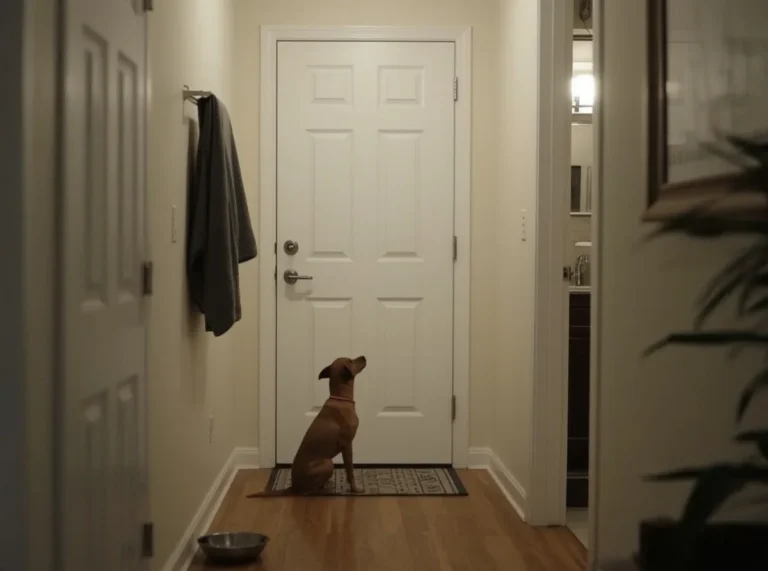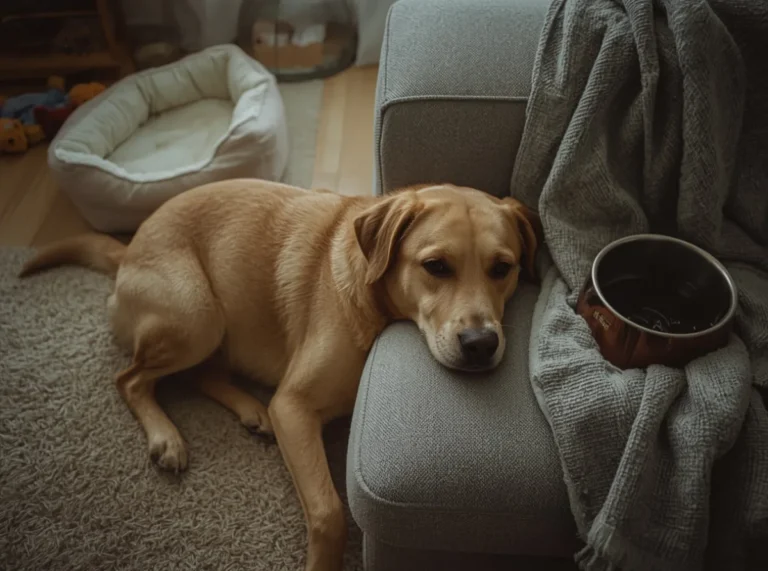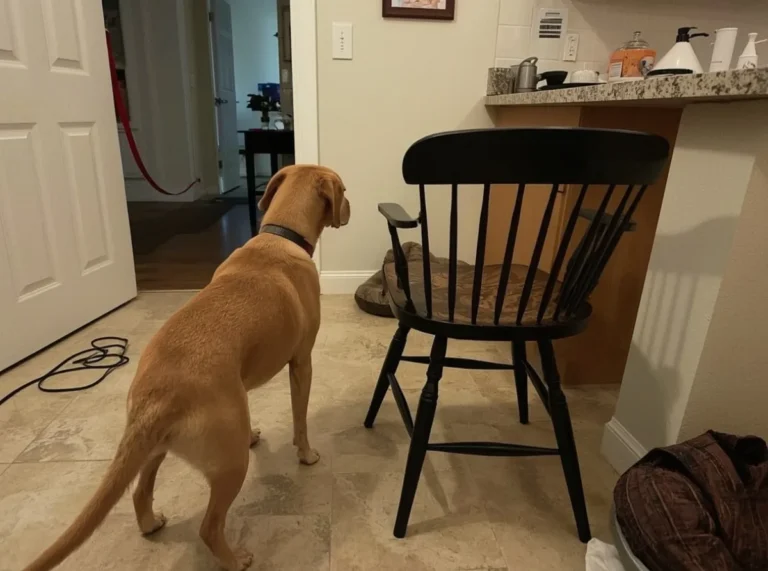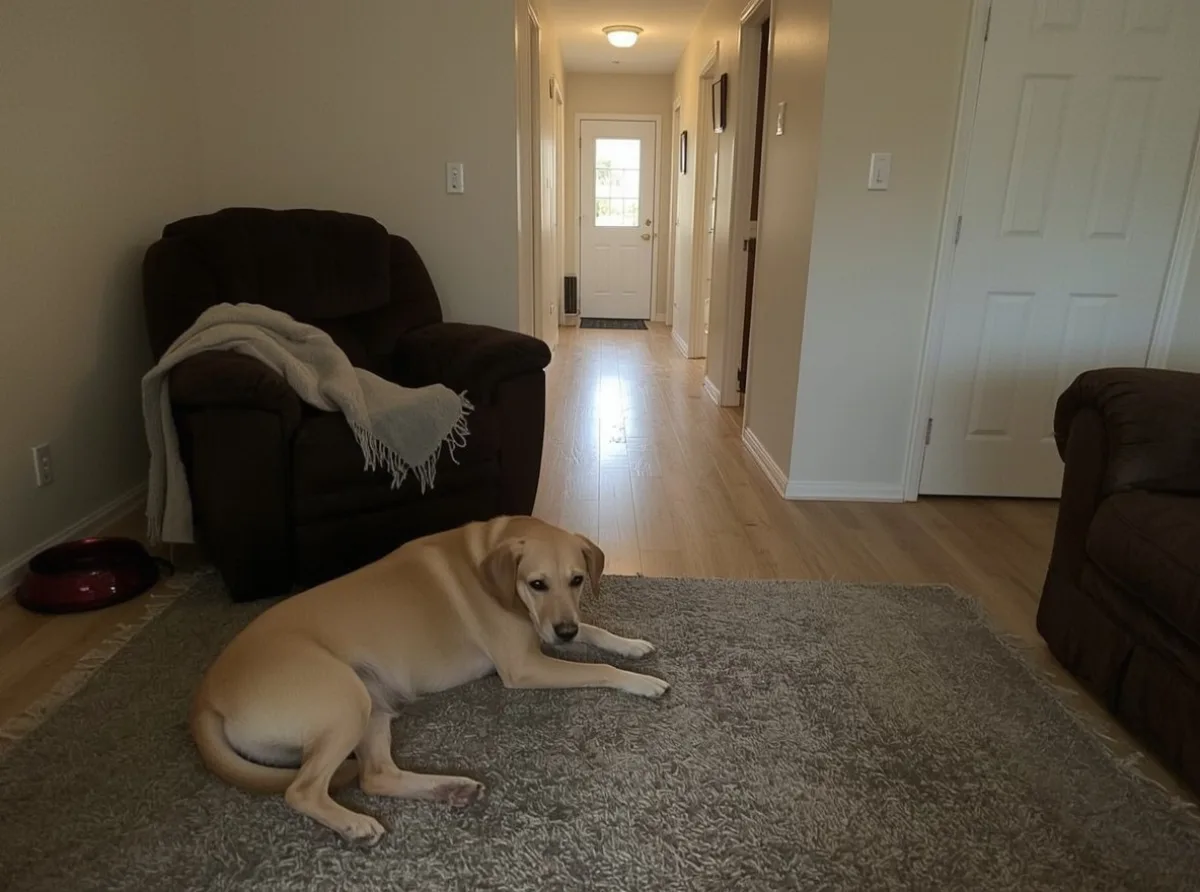
A dog that settles down quickly around familiar people is not being mysterious. In most homes, it is simply responding to a place where the rules feel known and the social landscape is predictable. The same hallway, the same voices, the same hand reaching for the leash, the same smell on the couch. Those small details matter more to dogs than many people realize.
What looks like instant relaxation is often the result of many tiny signals telling the dog there is nothing urgent to monitor. A familiar person is easier to read. Their movement patterns are known, their tone of voice is less surprising, and their habits have already been tested over time. That sense of predictability can lower a dog’s guard very quickly.
In day-to-day life, this shows up in simple ways. A dog that paces when guests arrive may curl up within minutes once a regular family member sits down. A dog that seems restless at the vet may exhale and rest its head on a trusted person’s knee in the waiting room. The change can look dramatic, but it usually comes from recognition, routine, and a feeling of social safety.
Why Familiar People Matter So Much
Dogs are social animals, but they are not social in the same way people are. They do not just notice whether someone is “nice.” They track consistency, timing, posture, scent, and how much a person changes the situation. A familiar person tends to create less uncertainty, and less uncertainty usually means more relaxation.
When a dog knows someone well, it has already learned what to expect from that person’s presence. The person may feed the dog, open the door in a predictable way, use a calm voice, or avoid sudden movements. Even when those actions seem small, they can add up to a strong sense of stability.
Dogs also learn that familiar people are unlikely to introduce a major threat. That does not mean the dog thinks about danger in a human way. It means the body does not need to stay on high alert. Breathing slows. Muscles loosen. The dog can let go of scanning the room as intensely.
For many dogs, relaxation around a familiar person is less about affection alone and more about reduced uncertainty.
Recognition Is Not Just About Sight
People often assume a dog relaxes because it “knows” someone by face. In reality, recognition is broader than that. Dogs rely heavily on scent, voice, walking pattern, and the overall rhythm of a person’s behavior. The smell of a regular visitor, the sound of their footsteps, or the way they greet the dog can all act like a signal that nothing unusual is happening.
This is why some dogs relax even before they are touched. The dog may hear a familiar car outside, notice a familiar smell in the entryway, or spot a person whose movements have been part of its life for years. By the time contact happens, the body has already started to settle.
What Relaxation Looks Like in Everyday Life
Relaxing faster does not always mean a dog lies flat on the floor right away. Sometimes the signs are subtle. The dog stops checking the door. It shifts from standing to sitting, then to lying down. The mouth softens. The eyes look less tense. A curled body may slowly unfold into a looser position.
Other dogs show relaxation by choosing proximity without pressure. They may follow a familiar person from room to room, then sleep nearby once they feel content. Some will lean against a leg, rest a head on a foot, or quietly settle under a table while the person works. These are not dramatic behaviors, but they reveal that the dog no longer feels the need to stay ready for action.
The speed of this shift often depends on the dog’s personality. A naturally cautious dog may still take a little time, even with someone it trusts deeply. A more socially confident dog may relax almost immediately. Both patterns can be normal.
Common Signs a Dog Is Winding Down
- Slower movement around the room
- Less frequent checking of doors or windows
- Soft, open mouth instead of a tight jaw
- Loose ears and reduced facial tension
- Choosing to lie down near a familiar person
- Decreased startle response to ordinary sounds
- Longer exhale breaths or visible sighs
These signs matter because relaxation is usually a process, not a single moment. A dog often moves through several small stages before it fully settles. Familiar people tend to support that process by making each stage feel safe.
Possible Emotional Reasons Behind the Behavior
Dogs do not describe their feelings in words, but their behavior gives strong clues. Relaxing quickly around familiar people often suggests trust, attachment, and low social tension. The dog has likely learned that this person is reliable in ordinary situations, which reduces the need for vigilance.
That trust can be especially important for dogs that are naturally sensitive. Some dogs notice environmental changes quickly and stay alert longer than others. For them, a familiar person acts like a stabilizing cue. The person’s presence can reassure the dog that the environment is manageable.
There is also a memory component. Dogs remember how people have made them feel across many interactions. If a person has consistently offered calm handling, routine, and respectful boundaries, the dog will often relax more quickly in their presence. The body remembers those patterns even when the dog is not consciously “thinking” about them.
A dog that settles faster around familiar people is often showing that the person has become part of its internal sense of safety.
Attachment and Predictability Work Together
Attachment alone does not explain everything. A dog can be strongly bonded to someone and still remain uneasy if the setting is chaotic. Predictability matters just as much. A familiar person who acts in steady, readable ways helps the dog understand what comes next.
This is one reason dogs often relax more quickly with one family member than another. The difference may not be about love or loyalty. It may simply be about which person feels more consistent to the dog’s nervous system. One person may be louder, more animated, or more physically intrusive. Another may move slowly and respect the dog’s space. The second person often becomes the easier one to settle around.
How Environment Shapes the Response
The same dog can behave very differently depending on where the interaction happens. A familiar person at home usually creates the fastest relaxation because the setting itself is already well known. The smells, furniture, sounds, and routines all add layers of familiarity. The dog does not have to solve as many unknowns at once.
In a busy household, however, even familiar people can be part of a more stimulating picture. Multiple voices, doors opening, children moving quickly, and appliances running can keep a dog from settling as fast. In that case, the dog may still prefer the familiar person but remain alert because the environment is busy.
Routine matters too. Dogs often relax more quickly when familiar people appear in familiar patterns. The person arrives at the usual hour, follows the usual routine, and behaves in the usual manner. That predictability can become deeply calming. When the routine changes, relaxation may take longer.
Why Some Places Slow the Process Down
- New rooms with unfamiliar smells
- High noise levels from traffic or household activity
- Frequent movement from strangers or guests
- Bright, busy, or cluttered spaces
- Changes in usual routines or feeding times
A dog may still trust the familiar person in these settings, but trust alone does not erase sensory load. If the dog has to process too much at once, it may remain half-alert for longer. That does not mean the bond is weak. It means the environment is asking for more attention than the dog wants to give.
Why Routine Often Speeds Up Relaxation
Routine gives dogs a way to predict what is next. When familiar people are part of that routine, the dog learns that life is orderly. A person who comes home at the same time, uses the same cues, and follows a stable rhythm becomes easier to relax around because they are tied to dependable outcomes.
This is especially noticeable around meals, walks, and bedtime. A familiar person who handles these moments in the same way every day often becomes associated with relief and completion. The dog knows the walk is actually happening. The food bowl really will come. The evening will end in rest. That knowledge lowers tension.
Even very small rituals matter. A brief greeting, a certain chair, the usual leash clip, or the sound of a cabinet opening can all become part of a calming pattern. Dogs build comfort through repetition more than people sometimes expect.
Patterns Dogs Often Learn Quickly
- Who opens the back door
- Who brings out food or treats
- Who stays quiet during rest time
- Who gives space instead of reaching immediately
- Who appears during calm parts of the day
When these patterns remain stable, the dog has fewer reasons to stay tense. The familiar person becomes part of an organized day, not an unpredictable event. That distinction matters a lot to a dog’s ability to relax.
Subtle Differences Between Comfort and Excitement
Relaxation around familiar people is not the same as excitement around them. Dogs can greet a trusted person with enthusiasm and still need several minutes to calm down. Tail wagging, jumping, and spinning may look affectionate, but they do not always mean the dog feels settled.
True relaxation shows up when the energy drops. The dog can greet, then disengage. It can check in and then lie down. It can be happy to see someone without staying in a high state of arousal. Familiar people often help create that shift because the dog does not need to keep proving the person is safe.
That difference matters in practical life. Some dogs become overexcited with unfamiliar visitors and then remain unsettled for a long time. Around familiar people, the same dogs may recover much faster. They still care. They just do not have to work as hard emotionally.
Excitement can coexist with trust, but relaxation requires the body to come down from that excitement.
What the Behavior May Signal About the Dog’s State of Mind
A dog that relaxes quickly around familiar people is often communicating, “I know this situation, and I do not need to prepare for trouble.” That does not mean the dog is passive or indifferent. It means the social and environmental pieces have lined up in a way that feels manageable.
The behavior can also signal emotional efficiency. The dog is not spending extra energy evaluating the room. It has learned enough about the people nearby that it can reserve attention for more important changes. In a way, relaxation is a sign that the dog’s internal resources are being used wisely.
For some dogs, this behavior also reflects a history of being respected. If a familiar person has consistently avoided forcing contact, ignored signs of discomfort, and allowed the dog to choose distance when needed, the dog usually learns that calm is possible. The relationship becomes easier because it has not been built on pressure.
When the Response Is Strongest
The pattern is often most visible in predictable settings. A dog may pace when the household is active, then relax quickly once a known person sits down to read. Another dog may stay on alert during a walk, then settle right away when a familiar neighbor joins the route. These moments show how strongly dogs link safety to social familiarity.
It can also be more obvious after stress. A dog returning from a noisy trip, a vet visit, or a crowded park may seek out a familiar person as a source of relief. The response is not only about affection. It is also about recovery. Familiar people often function as a reset point.
Some dogs are especially likely to show this during evening quiet time. As the day slows, the dog may choose the nearest trusted person and sink into deeper rest. That shift can be very noticeable after a day filled with stimulation.
When Relaxation Happens Slowly Instead
Not every dog relaxes quickly, even with familiar people. Age, temperament, past experience, current health, and environmental stress all play a role. A dog with pain may remain tense despite familiarity. A dog with a strong startle response may take longer to settle after unexpected noise. A dog with limited early social experience may trust known people but still need time to let down its guard.
Slow relaxation does not automatically indicate a problem. Some dogs simply warm up gradually. They may observe first, then move closer, then finally rest. The important point is whether the pattern stays stable and whether the dog seems able to settle at all. Familiar people can support that process, but they do not erase every source of tension.
If the dog only relaxes under very narrow circumstances, that can still be meaningful. It suggests the dog has found certain people to be especially dependable. In practical terms, that is valuable information. It shows where the dog feels most able to unwind.
Why This Often Becomes More Noticeable Over Time
Many dogs become faster at relaxing around familiar people as the relationship grows. The dog has more data. More repetitions. More proof that the person is not going to surprise it in unpleasant ways. Trust becomes easier to access because it has been reinforced many times.
That pattern often shows up after a dog has lived with someone long enough to understand the household rhythms. In the early days, the dog may stay more alert. Later, it may settle immediately when that same person enters the room. The change can be subtle or dramatic, but it usually reflects accumulation rather than a sudden shift.
This is one reason long-term observation matters. A dog that takes a while to relax at first may eventually become deeply calm around the same people. The nervous system learns the home. Familiarity becomes dependable, and dependence on that predictability grows stronger.
Small Signals That Help Explain the Bigger Picture
Looking at a single behavior can be misleading. A dog lying down may still be tense. A dog approaching a familiar person may be seeking comfort rather than play. A dog resting near someone may be relaxing because the room finally feels quiet enough, not because the person is doing anything special in that exact moment.
The best clues come from the whole sequence. Does the dog soften after the person arrives? Does it stop scanning the room? Does it choose a lower-energy posture? Does it stay settled, or does it keep getting up and repositioning? These details tell a richer story than one action alone.
| Situation | Possible Meaning |
|---|---|
| Dog settles quickly near a familiar person | Low uncertainty, trust, predictable routine |
| Dog remains close but alert | Comfort mixed with environmental awareness |
| Dog relaxes only after several minutes | Gradual processing, cautious temperament, or background stress |
| Dog stays tense despite familiarity | Possible overstimulation, pain, or ongoing discomfort |
When read carefully, these patterns give a clear picture of how the dog experiences the people around it. Familiarity is rarely just about recognition. It is about emotional efficiency, learned safety, and the quiet relief of not having to keep checking everything all the time.
That is why a dog may choose the same person’s feet, the same chair beside the couch, or the same spot at the end of the hallway. The place is familiar, yes. But the person is part of that familiarity too. Together, they create a setting where the dog can finally stop working so hard.