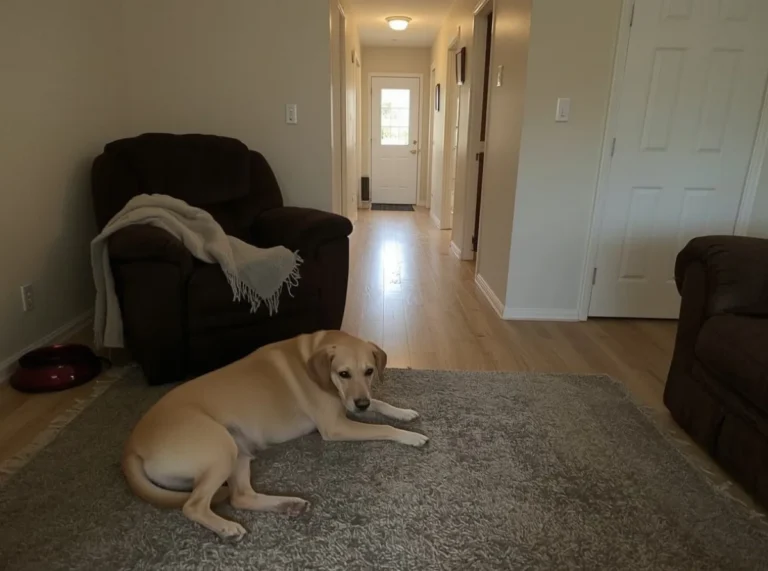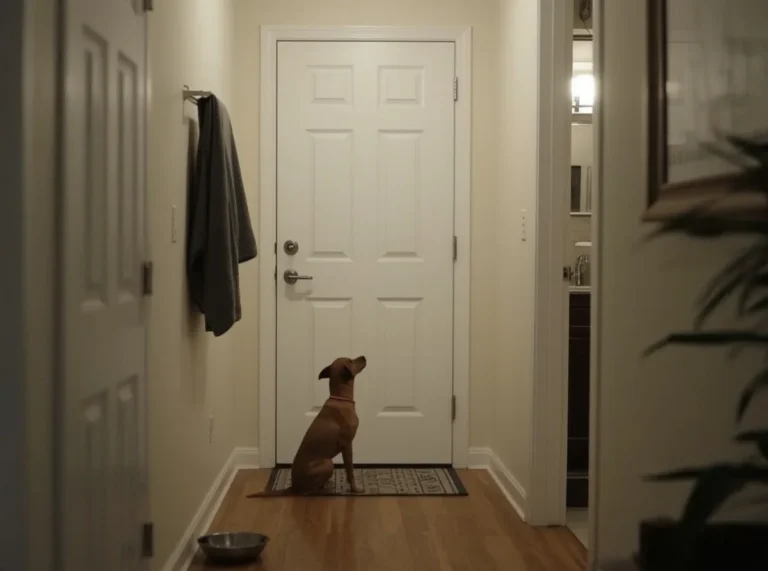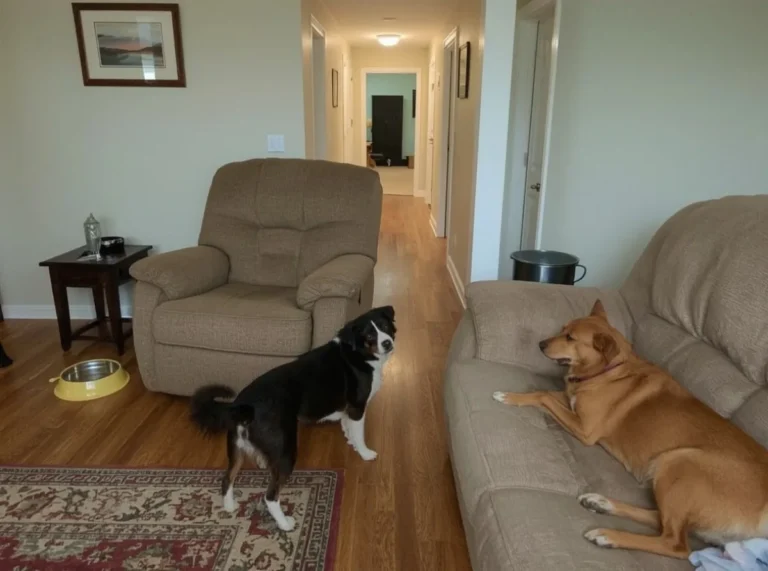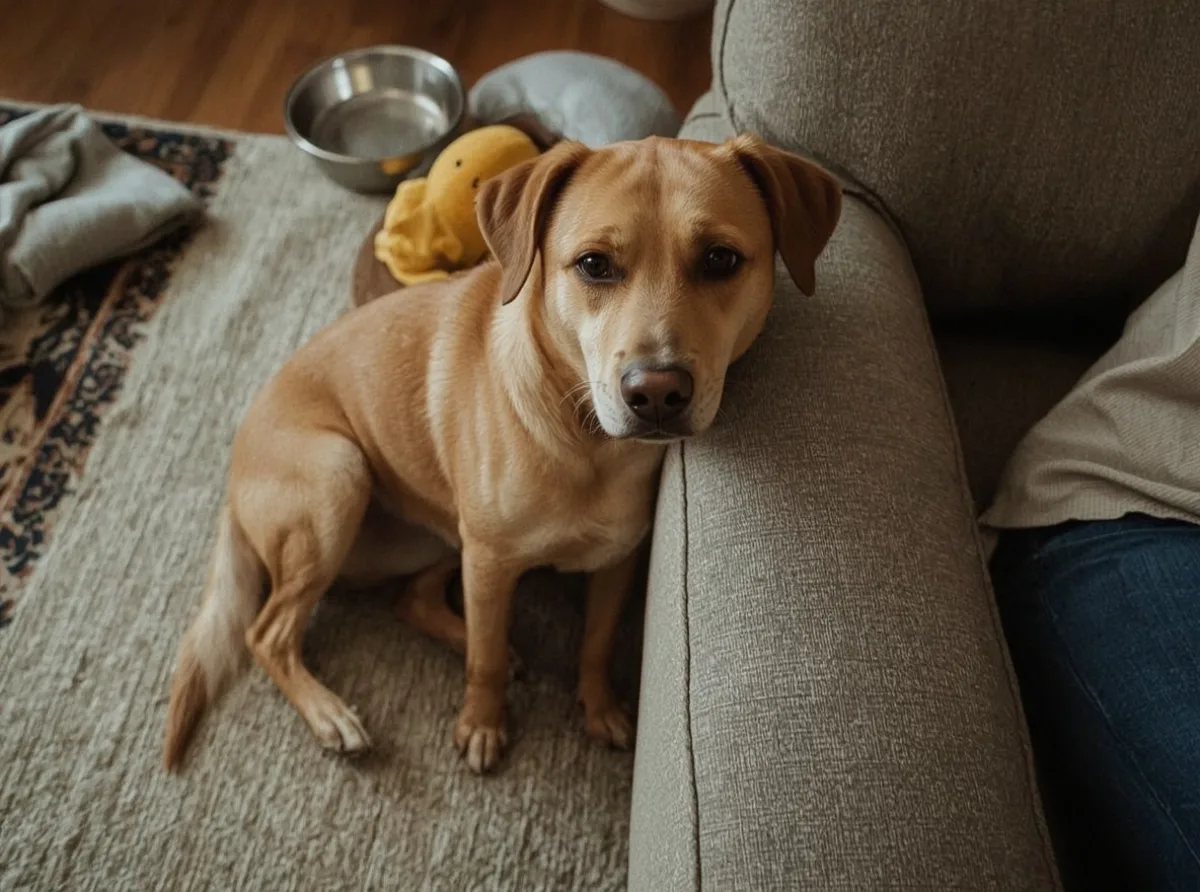
A dog that suddenly starts leaning into you more, following you from room to room, or asking for extra petting can seem sweeter overnight. One day the behavior is ordinary. The next, your dog is pressing against your leg, resting a head on your lap, and looking for more closeness than usual.
That shift can feel touching, but it also makes many owners wonder what changed. Dogs do not become more affectionate for only one reason. Sometimes the reason is simple and harmless. Other times it reflects a change in routine, health, emotion, or the way your dog is experiencing the home.
When a dog becomes more affectionate all of a sudden, the behavior is worth noticing in context. The key is not just the increase in closeness itself, but what else is happening at the same time. Body language, timing, energy level, appetite, sleep, and daily routines can all help explain the change.
What Sudden Affection Often Looks Like in Daily Life
In everyday life, increased affection can show up in small ways before it becomes obvious. A dog may wait by the bathroom door, sit closer on the couch, nudge your hand for more contact, or stay near you during meals and chores. Some dogs become noticeably more physical, while others simply start checking in more often.
The behavior may seem sweet and steady, or it may look needy and urgent. That difference matters. A relaxed dog that chooses closeness is not the same as a dog that suddenly cannot tolerate being apart from you for even a few minutes.
- Following you from room to room more than usual
- Resting against your body or placing a paw on you
- Seeking more eye contact and face-to-face attention
- Wanting to sit on your feet, lap, or next to your chair
- Appearing less interested in space and independence
Some dogs become affectionate in a quiet, almost gentle way. Others do it with clear urgency, especially if they are trying to communicate discomfort, stress, or insecurity. The behavior can look similar on the surface, but the emotional reason may be very different.
Why a Dog May Suddenly Seek More Closeness
There are several common reasons a dog may become more affectionate without warning. Some are emotional. Some are physical. Some are simply tied to changes in the dog’s environment or the people around them.
One of the simplest explanations is comfort. Dogs often seek contact with the person they trust most when they feel content, relaxed, or socially engaged. If your dog has recently settled into a new home, warmed up to a new routine, or grown more confident around you, affection may increase naturally.
Another common reason is attention learning. If your dog has discovered that leaning on you, placing a paw on your arm, or sitting extra close gets a warm response, that behavior may grow quickly. Dogs are observant. If affection brings petting, praise, or soft conversation, many dogs repeat it.
A sudden increase in affection can be a sign of closeness, but it can also be a sign that your dog is looking for reassurance, attention, or relief from discomfort.
Physical discomfort is especially important to keep in mind. Dogs sometimes become more attached when they feel unwell. They may look for comfort, move more slowly, or stay unusually close because it helps them feel secure. Pain, nausea, ear trouble, digestive upset, and age-related changes can all alter behavior in subtle ways.
Stress can create a similar pattern. A dog that becomes more affectionate after a noisy event, household change, guest visit, move, or schedule disruption may be trying to stay close to the one thing that feels predictable: you. In those cases, the behavior is not just sweetness. It is a form of coping.
Emotional Reasons Behind the Change
Dogs are social animals, and their attachment can deepen depending on what they experience day to day. A dog may become more affectionate when trust is growing. This is common in adopted dogs, dogs recovering from uncertainty, or dogs that have recently settled into a calmer life.
There is also a simple emotional pattern that many owners recognize over time: dogs often get clingier during periods when they want connection. That may happen after long workdays, during colder weather, or when the household is quieter than usual. A dog that feels emotionally engaged often wants more contact, not less.
Still, increased affection does not always mean a dog is happy in the broad sense. Some dogs become extra affectionate when they are uncertain. They may stick closer to you because you seem like a safe base. This can happen during thunderstorms, construction noise, unfamiliar visitors, or changes in the home layout.
Signs that affection is relaxed and positive
- Loose body posture
- Soft eyes and relaxed face
- Normal appetite and sleep
- Easy movement away when invited
- Quiet, calm contact without tension
Signs that affection may be stress-related
- Restlessness or pacing near you
- Clinginess that seems hard to interrupt
- Whining, panting, or trembling
- Reduced interest in toys or food
- Sudden changes in sleep or behavior outside affection
These signs do not automatically point to a problem, but they help separate calm attachment from behavior driven by worry or discomfort. The overall picture matters more than the affectionate gesture alone.
How Routine and Environment Can Change the Behavior
Daily life has a big effect on how affectionate a dog becomes. Dogs notice patterns. They notice who is home more often, when meals happen, when walks happen, and whether the house feels busy or quiet. A dog living in a calm routine may seem more openly affectionate simply because there is room for close contact.
In a busy household, affection may spike when things finally slow down. A dog that has spent the afternoon navigating children, visitors, noise, or activity may come to you for recovery time. In that situation, the increase in affection may be less about extra love and more about emotional decompression.
A change in exercise or stimulation can also influence this behavior. A bored dog may become more physically attached because it has little else to do. On the other hand, a well-exercised dog may become affectionate in a deeper, calmer way because its needs are better met. The two situations can look similar unless you pay attention to the rest of the day.
Environment plays a role too. Colder weather, a new couch, a different sleeping arrangement, or even a change in where you work from home can shift your dog’s habits. Dogs like predictable social contact. When the pattern changes, they often adjust by moving closer.
| Situation | What You May Notice | Possible Meaning |
|---|---|---|
| Quieter home | More cuddling, more following | Comfort and easy social contact |
| Busier household | Clinginess during calm moments | Seeking recovery and safety |
| Recent routine change | Increased contact or shadowing | Adjustment to uncertainty |
| Less exercise or stimulation | Attention-seeking and restlessness | Boredom or unmet needs |
| Possible illness or pain | Unusual dependence and quietness | Seeking comfort while feeling off |
What Your Dog May Be Communicating
When a dog suddenly becomes more affectionate, the behavior often communicates something specific. It may say, “I feel safe with you.” It may say, “I need help settling down.” Or it may say, “Something feels different, and I want to stay near you.”
That communication is not always dramatic. Many dogs use closeness as a soft, everyday form of communication. They may not bark, whine, or act distressed. Instead, they quietly choose proximity. That can be easy to miss until the increase becomes obvious.
Owners often interpret the change as a new burst of devotion. Sometimes that is exactly right. But it is also possible that the dog is asking for a more stable rhythm, more reassurance, or relief from something subtle in the environment.
If the affectionate behavior appears with other changes, such as tiredness, irritability, appetite changes, or reduced interest in normal activities, it deserves closer attention.
Paying attention to the context helps you understand what the dog is saying without overreacting. A dog that curls beside you after a long walk may simply be content. A dog that suddenly cannot relax unless touching you may be communicating unease.
How Owners Commonly Misread the Behavior
One common mistake is assuming all extra affection is the same. It is not. A dog that greets you more warmly after being apart may be showing healthy attachment. A dog that becomes unusually needy after a stressful event may be showing insecurity. A dog that suddenly demands closeness out of nowhere may be reacting to discomfort.
Another easy misunderstanding is thinking affection always means the dog wants physical contact. Sometimes a dog wants proximity more than petting. It may be happiest lying near your chair, watching you, or entering the same room without actually wanting to be touched.
Some dogs also become more affectionate when they are aging. That change can be completely normal, but it can also reflect shifting senses, reduced confidence, or a need for more predictable companionship. Older dogs often rely more heavily on familiar people and familiar routines.
It helps to notice whether your dog still behaves like itself in other ways. Is it eating normally? Moving normally? Playing normally? Engaging with toys and walks? If affection is the only change, the explanation may be simple. If it comes with broader changes, the reason may be more complex.
When Increased Affection Is Just a Phase
Sometimes the shift is temporary. Dogs may become noticeably sweeter or clingier during a short adjustment period. This can happen after a family schedule change, a trip, a noisy week, a rainy stretch that cuts back on outdoor time, or a recent change in the household.
Puppies often go through waves of attachment as they learn what is safe and familiar. Adult dogs can do the same when the environment changes. A dog that starts asking for more closeness may settle back into its previous pattern once life feels normal again.
Temporary affection also shows up after positive changes. A dog that has just recovered from a scary experience may become more physically attached for a while. Once confidence returns, the behavior may soften.
Common short-term triggers
- Moving to a new home
- Changes in who is home during the day
- Guest visits or household noise
- Weather changes that affect activity
- Recovery from a minor illness or upset stomach
In these cases, closeness is often part of adjustment. The behavior is not unusual, but it is still worth watching so you can tell whether it fades as expected or continues to build.
When a Sudden Change Deserves More Attention
A dog that becomes more affectionate should not automatically worry you. Still, certain patterns are worth a closer look. The most important clue is a sudden change that does not match your dog’s usual behavior and also comes with other signs that something is off.
If your dog is clingier than usual and also seems less energetic, less interested in food, more sensitive to touch, or unwilling to be separated even briefly, a medical issue may be involved. Dogs often hide discomfort well, so small changes in attachment can matter more than they first appear.
Behavior changes that arrive after a major life event can also signal stress. A dog may seem loving on the surface while actually feeling unsettled underneath. That is especially true when the dog cannot rest comfortably without constant contact.
Notice the difference between choosing closeness and needing closeness. The first is usually part of healthy affection. The second can point to stress, insecurity, or physical discomfort.
None of this means you should overanalyze every cuddle. It simply means the pattern is worth reading in full. A dog’s affection is best understood alongside its energy, movement, appetite, and general mood.
How to Read the Change in a Practical Way
The most useful approach is to observe without immediately labeling the behavior. Ask a few simple questions. Did anything in the home change recently? Is the dog acting normal in all other ways? Does it seem relaxed while being close, or tense and restless? Can it still settle alone for short periods?
That kind of observation usually gives a clearer answer than focusing only on the affection itself. Dogs communicate through patterns, not single gestures. One extra cuddle means less than the full picture around it.
If the dog seems happy, calm, and otherwise unchanged, the increase in affection may simply reflect a deeper bond or a new habit. If the dog seems uncomfortable, uncertain, or physically off, the affection may be part of a bigger story.
Closing Thoughts on the Behavior
A dog that suddenly becomes more affectionate is often responding to something real, even if the reason is not obvious at first. The change may come from comfort, attachment, boredom, stress, or a physical issue. Sometimes it is a passing adjustment. Sometimes it is a quiet signal that the dog wants reassurance or feels unwell.
What matters most is the combination of affection and context. A relaxed dog leaning in for contact is telling a different story from a dog that shadows you anxiously and cannot settle. Once you look at the whole picture, the behavior usually makes more sense.
That makes sudden affection less mysterious and far more readable. The dog is still being affectionate. It is also saying something with timing, posture, and consistency. Paying attention to those details gives the clearest answer.