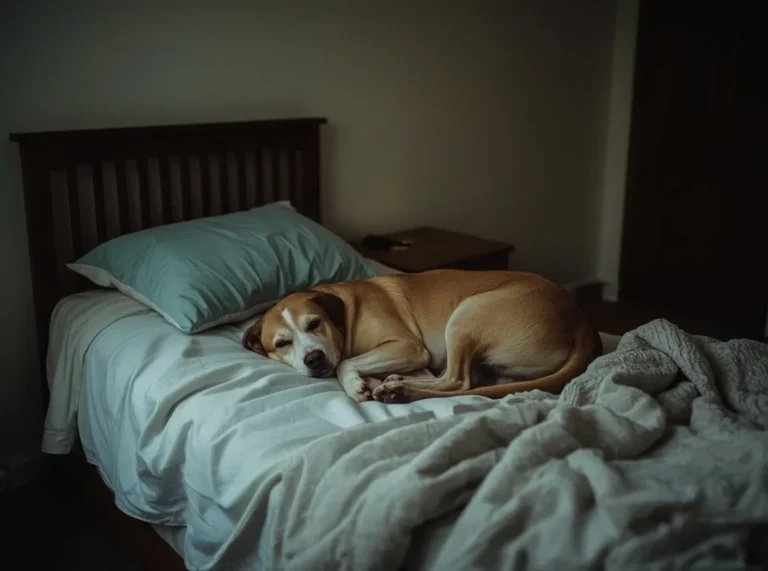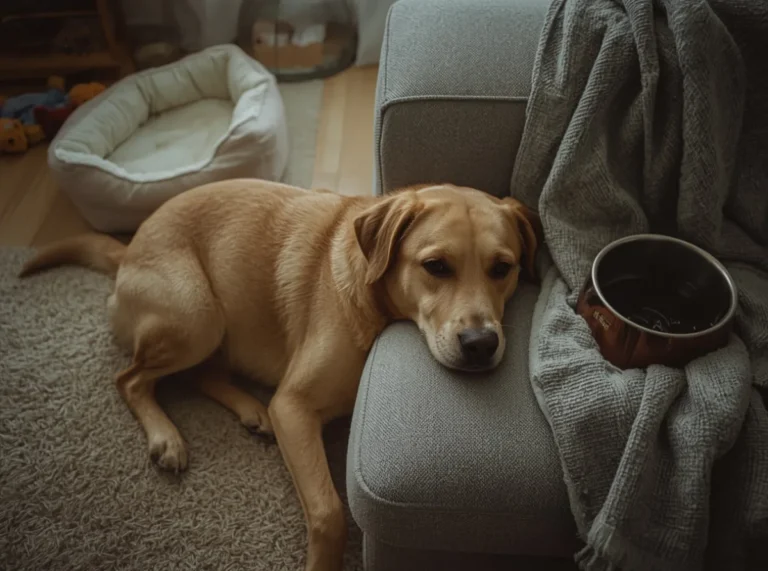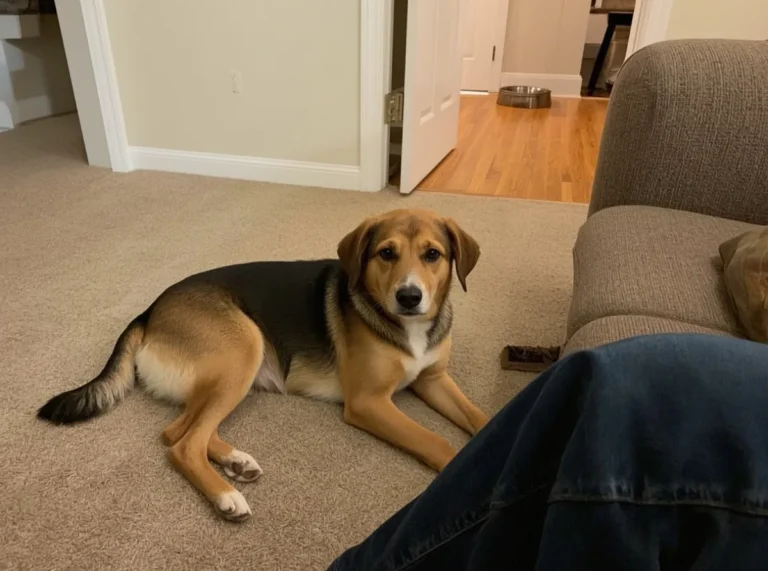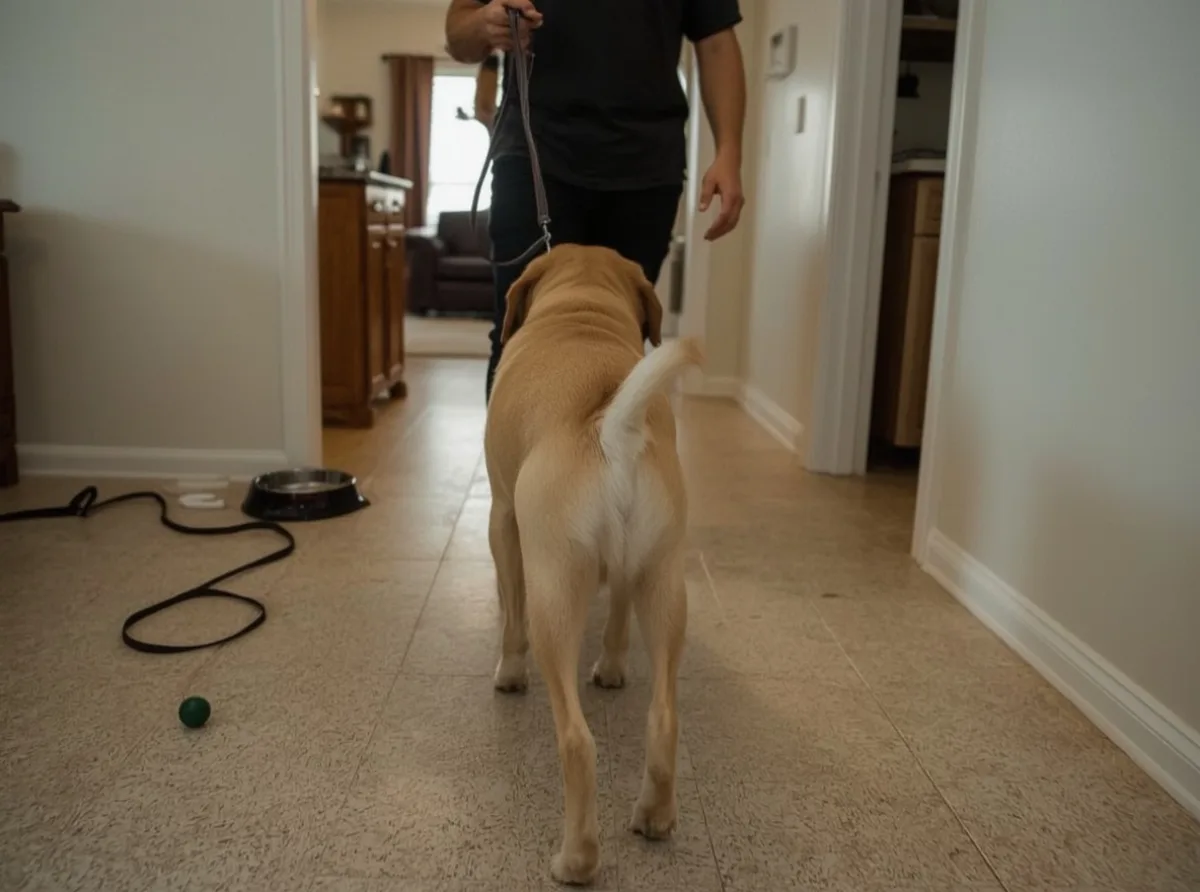
When a dog keeps returning to you, it usually means the dog has found something important in your presence. That might be comfort, attention, security, curiosity, or simply a habit built into daily life. The behavior can look small from the outside, but dogs rarely move toward someone over and over without a reason.
Sometimes the pattern is obvious. A dog follows you from room to room, comes back after wandering away, then settles near your feet before leaving again. Other times it is subtle, like a quick check-in during play or a repeated habit of circling back during a walk. In each case, the dog is communicating through movement.
What that communication means depends on the situation. A calm return can reflect attachment. A restless return may suggest uncertainty. A playful return can mean the dog wants the interaction to continue. The same behavior can carry different messages, and the surrounding details matter more than the movement itself.
What the behavior looks like in everyday life
Dogs return to people in many ordinary settings. A dog may leave the couch and come back after a few minutes, or run ahead in the yard and then check in again. Some dogs do this once or twice a day. Others seem to make it part of every activity.
In the home, this often appears as shadowing. The dog follows you into the kitchen, pauses in the doorway, then comes back to lie near you after walking away. On walks, it can look like the dog ranges ahead, then turns around to make sure you are still there. During play, a dog may grab a toy, carry it a few steps away, and return to drop it at your feet.
These actions are not random. Dogs are social animals, and many have a strong habit of checking in with the people they trust. Returning can be a way to keep contact active without demanding constant attention.
Common everyday examples
- A dog leaves the living room, then returns and rests beside you.
- A dog walks away in the yard but keeps circling back to your side.
- A dog brings a toy, drops it, and comes back again for another round.
- A dog follows you through the house even when nothing exciting is happening.
- A dog returns after exploring, then looks to you for direction or reassurance.
In many homes, this becomes a normal part of the relationship. The dog has learned that you are a safe reference point. Coming back is often the easiest way to reconnect, observe what is happening, or decide what to do next.
Why dogs commonly show this behavior
There are several reasons a dog may keep returning to you, and they are not all emotional in the same way. Some are rooted in social bonding. Others come from learned routines. A few are tied to uncertainty or unmet needs.
The most common reason is simple attachment. Dogs naturally form strong social bonds, and many prefer to stay near the person they trust most. Returning can be a way of maintaining contact without full physical closeness. The dog may not need to sit on you or lie beside you every second. It may just want to know where you are.
Another common reason is reinforcement. If a dog has learned that returning leads to petting, praise, food, access to the yard, or a game, the behavior can become very consistent. Dogs are excellent at repeating actions that have worked before. Even small rewards can build a strong pattern over time.
Some dogs return because they are unsure about the situation. New sounds, unfamiliar people, or changing surroundings can make a dog seek a trusted anchor. Coming back to you can lower the dog’s stress and help it decide whether to keep exploring or stay close.
When a dog keeps returning to you, the behavior is usually about connection, comfort, or learned habit. It is less about “obedience” and more about what the dog gets from being near you.
What the behavior may say about the dog’s emotional state
A dog that returns calmly often feels secure. The movement may be almost casual, like checking the room and then deciding that your presence is still the best place to be. In that case, the dog is likely relaxed and socially engaged.
If the dog returns with soft body language, loose movement, a relaxed mouth, and easy breathing, the message is usually positive. The dog may enjoy your company, want reassurance, or simply prefer to keep you in view. This is common in dogs that are closely bonded with their owners.
But not every return is calm. A dog that keeps coming back while seeming tense, watchful, or unable to settle may be showing mild stress. It may glance around repeatedly, lick its lips, or hover rather than rest. In that case, the dog may be using you as a safe base because something else feels uncertain.
That difference matters. The same movement can come from confidence or worry. One dog returns because it feels connected. Another returns because it does not yet feel settled enough to stay away for long.
Body language that helps explain the return
- Loose, wiggly movement: usually social and comfortable.
- Soft eyes and relaxed ears: often a sign of trust.
- Tail at a natural level with easy movement: commonly calm and neutral.
- Hesitation before returning: may suggest uncertainty.
- Pacing, scanning, or frequent lip licking: can point to stress or overstimulation.
A dog’s body usually tells the larger story. The return itself is only one piece of the picture.
Attachment, routine, and learned habit
Many dogs return because the pattern has become part of daily life. If a dog has spent months or years receiving attention each time it circles back, the behavior becomes self-reinforcing. It may not even be making a deliberate choice in the human sense. It simply knows that coming back is part of the rhythm of the day.
Routine plays a big role. Dogs like predictability. If mornings include a walk, evenings include couch time, and certain rooms are associated with your presence, the dog may move between those spaces with you as a matter of course. The return becomes a habit built on repeated success.
Attachment deepens that habit. A dog that feels connected to one person may check in often without appearing needy. The return can be brief and efficient, almost like a social greeting. It says, in effect, “You are still here, and I am still with you.”
This is especially noticeable in dogs that have had stable relationships with their owners. They often learn the small patterns of household life and return to the same person at the same times of day. In a busy home, a dog may come back to one familiar person simply because that person feels easiest to track.
How the home environment influences the behavior
Environment changes how often a dog returns. A quiet house may encourage a dog to settle nearby and check in only occasionally. A noisy or unpredictable home can make a dog come back more often because it wants confirmation that everything is fine.
Movement matters too. In a home where people are constantly changing rooms, opening doors, or shifting activity, the dog may keep returning because the center of the action keeps moving. The dog does not want to miss anything, and returning is the easiest way to stay connected.
Dogs also respond to stimulation level. A bored dog may return simply because it has nothing else to do. A mentally engaged dog may return between activities as part of a healthy routine. A dog that is overstimulated may return because it is trying to regulate itself and find a familiar point of safety.
Even room layout can shape the pattern. Open floor plans, narrow hallways, fenced yards, and small apartments each create different movement habits. A dog may return more often in a space where it can easily see you but not stay in one spot for long.
Environmental factors that can increase returning
- Frequent noise from appliances, guests, or children
- Sudden changes in routine
- Limited enrichment or mental activity
- Large spaces where the dog wants to keep track of people
- Strong association between you and rewards like food, play, or outdoor access
More returning does not always mean more neediness. Sometimes it means the environment is active, and the dog is using you as a dependable reference point.
When returning is playful rather than emotional
Some dogs return because they are inviting interaction. This often happens during fetch, chase, tug, or light rough-and-tumble play. The dog may bring something close, drop it, then dart away and come back again. The pattern keeps the game going.
In playful moments, the return tends to look bouncy and bright. The dog may move quickly, pause for eye contact, then retreat and return in a loop. These are usually good signs. The dog is not avoiding you. It is inviting you into the activity.
Playful returns can also happen with independent dogs. A dog may like its own space but still come back to restart a game, grab another treat, or get a quick touch before moving off again. That balance is common and healthy.
It is easy to misread this behavior as clinginess when it is really social engagement. A dog that returns with energy and then leaves again may not be seeking comfort at all. It may simply be asking for more interaction on its own terms.
When returning may signal uncertainty or stress
Not every repeated return is positive. Some dogs come back because they do not know what else to do. The behavior can become more noticeable in new settings, during loud events, around unfamiliar dogs, or when the dog has had a recent change in routine.
A dog that returns and then immediately leaves again may be checking for safety. It may want to explore but not feel ready to commit to distance. That back-and-forth movement can reflect mild conflict: curiosity on one side, caution on the other.
Look at the rest of the picture. A dog that returns with lowered body posture, a tucked tail, tight mouth, or a fixed stare may be signaling discomfort. A dog that seems unable to settle, even while staying near you, may need a calmer environment or a break from stimulation.
Stress-related returning does not always look dramatic. Sometimes it is quiet and repetitive. The dog keeps coming back because it has no clear plan and no confidence in the situation. In those cases, the return is more about emotional regulation than affection.
Signs the behavior may be stress-related
- Repeated checking in without relaxing afterward
- Stiff posture or shallow movement
- Whining, panting, or quick scanning of the room
- Difficulty lying down or staying in one place
- Returning only when something unsettling happens
These signs do not automatically mean something is wrong, but they do suggest the dog is using proximity to manage discomfort.
How age and life stage can change the pattern
Puppies often return frequently because they are still learning how the world works. They check back with people for guidance, reassurance, and social contact. Their attention can be brief, and their returns can happen many times in a short period. That is normal.
Young dogs may also return because they have not yet built confidence in independent exploration. They leave, look around, and come back quickly. This is part of learning. Over time, many dogs become more balanced, mixing independence with check-ins.
Adult dogs usually show a more stable pattern. A mature dog may return when it wants something, when it is bored, or when it feels connected. If the pattern changes suddenly in an adult dog, it is worth paying attention. A shift in returning behavior can reflect a change in health, stress, or household routine.
Older dogs may return more often if they are less confident, less mobile, or more sensitive to changes in the environment. They may prefer to keep you close because it is easier than navigating a busy home. In some cases, a senior dog returns frequently simply because the familiar person feels like the safest place in the room.
How owners often interpret it, and what it may actually mean
People often read this behavior as love, and sometimes that is exactly right. A dog that keeps returning may genuinely be seeking connection. But the meaning can shift depending on what else is happening around the dog.
Owners may also assume the dog is being stubborn, needy, or overly dependent. That is not always fair. Dogs do not usually return repeatedly just to be difficult. They are responding to comfort, habit, curiosity, or uncertainty. The behavior is practical from the dog’s point of view.
It helps to ask a few simple questions: Is the dog relaxed or tense? Is it playful or watchful? Does it return only to me, or to anyone who is nearby? Does it happen at specific times, in specific rooms, or during specific activities? The answers often reveal the real reason.
A dog that returns only when it wants petting is showing learned association. A dog that returns during loud noise is likely looking for reassurance. A dog that returns during fetch is probably keeping the game alive. The action looks similar, but the motive changes with context.
| What you notice | Possible meaning |
|---|---|
| Loose, happy returns | Bonding, play, social comfort |
| Repeated check-ins during noise | Reassurance-seeking or stress |
| Returns near mealtimes | Routine, expectation, learned reward |
| Coming back after exploring | Confidence mixed with attachment |
| Hovering without settling | Uncertainty or overstimulation |
What long-term patterns can reveal
One return does not mean much by itself. Repeated patterns across weeks and months tell a clearer story. Some dogs always circle back after a short adventure. Others return more often only during times of change. A few become more clingy during illness, noise, weather shifts, or family disruptions.
Long-term observation can show whether the behavior is steady, situational, or increasing. A stable pattern usually reflects temperament and habit. A sudden increase may reflect stress or discomfort. A decrease may mean the dog is becoming more confident or simply more distracted by something new.
It can also reveal preferences. Some dogs return most often to one person. Others return to the person who feeds them, plays the most, or offers the calmest presence. These patterns are part of the dog’s social map. They show where the dog feels safest and most rewarded.
When a dog keeps returning in a predictable way, the behavior is telling you something about how it organizes the world. For many dogs, that world is built around a trusted human, a familiar routine, and a handful of places that feel right.
What the behavior often means in daily life
A dog that keeps returning to you is usually not acting without purpose. It is connecting, checking in, or seeking something that your presence provides. That may be affection, predictability, direction, or relief from uncertainty.
In a calm home, the behavior often points to trust and habit. In a noisy or changing environment, it can reveal a dog that wants to stay anchored. In play, it can mean the dog wants another round. The same movement can mean different things, but it almost always says something meaningful about the relationship.
Paying attention to the dog’s body language, timing, and surroundings gives the clearest answer. A dog that returns with relaxed confidence is usually expressing comfort. A dog that returns with tension or urgency may be asking for help settling in. Either way, the repeated trip back is a form of communication that becomes easier to understand the more you watch it closely.